







Does Coffee Bean Processing Change How Silver Skin Tastes?
Silver skin is the last protective layer on green coffee beans, and how much stays on after roasting depends mainly on the coffee bean processing method, not on roasting technique. Sun-dried beans shed it in whole pieces and carry less into the grounds, while washed beans leave fragments that show up as a white line in the bean crease.
Front Street steeped silver skin in water and ran side-by-side brews. The silver skin itself tasted sweet, closer to corn and wheat, and coffee brewed with the silver skin left in came out essentially the same as coffee with it removed. Green coffee beans that are washed simply hold more of it in the fold.
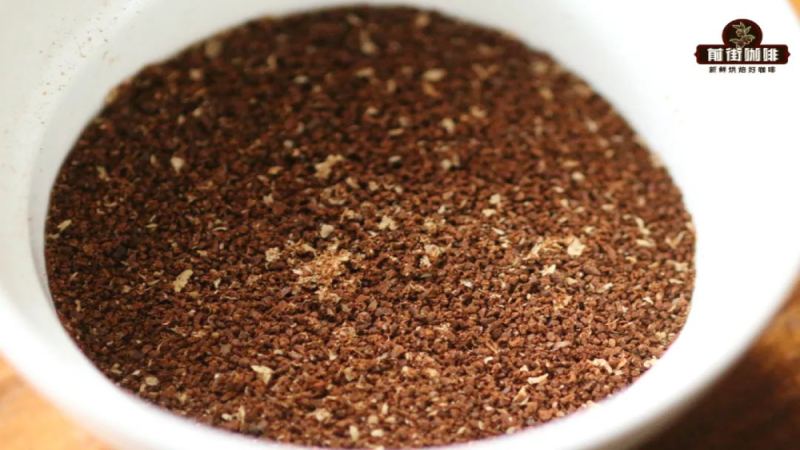
When grinding coffee beans, you will often find yellowish-white flakes mixed into the grounds. This is silver skin—the final protective layer of green coffee beans. The amount left behind depends mainly on the coffee bean processing method, not on roasting technique. Sun-dried beans tend to shed their silver skin more completely, while washed beans, because the silver skin breaks into fragments, leave white lines in the bean crease. Many people worry that silver skin will ruin the flavor. Through tasting silver skin steeped in water and comparative brewing experiments, Front Street found that silver skin itself has a sweet corn and wheat-like sweetness, and coffee brewed without removing the silver skin has essentially the same flavor as coffee with it removed. This article will explain in detail where silver skin comes from, how processing methods differ, and whether it truly affects coffee taste.
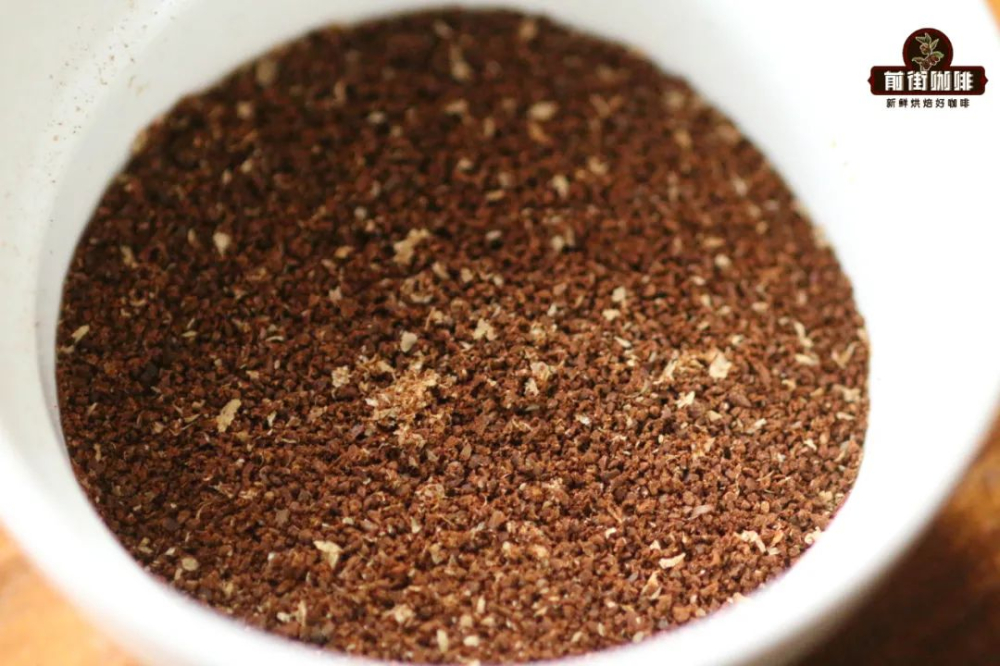
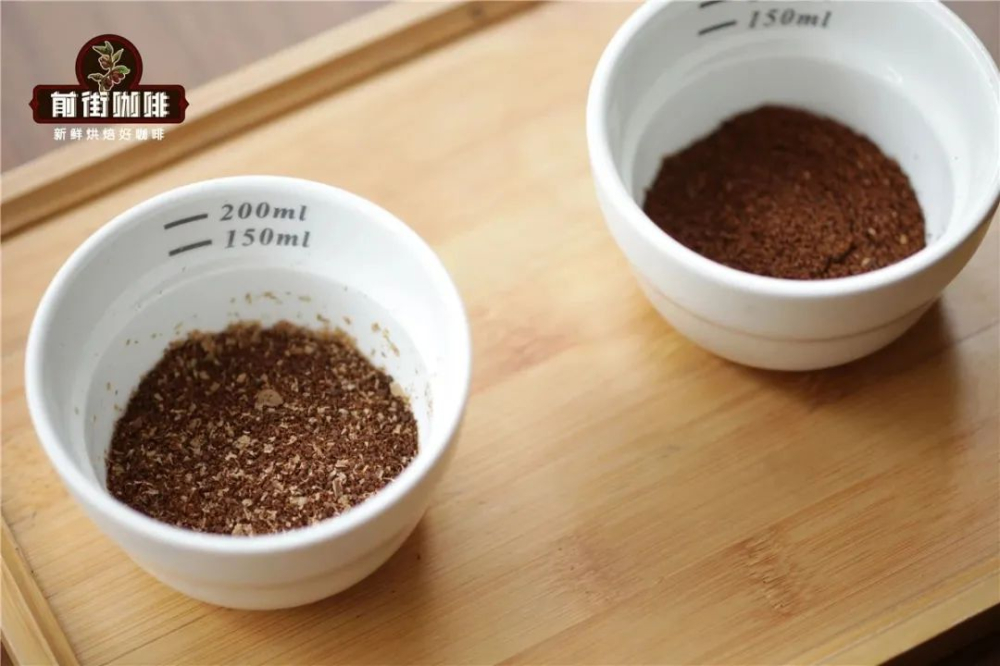
Some friends have told Front Street that after grinding coffee beans into coffee grounds, many yellowish-white flakes are mixed into the grounds. What exactly are these flakes? Will they affect the coffee's flavor?
The last "skin" of the coffee bean
These yellowish-white flakes are actually silver skin, the last "protective membrane" of processed green coffee beans. Just as peanut skin wraps around the peanut kernel, when the bean is still green, the silver skin clings tightly to the coffee bean and does not easily fall off; after roasting, the silver skin separates from the bean body.
Why are there silver skin flakes in coffee grounds?
Although silver skin falls off during roasting, some coffee beans still retain some silver skin. How much silver skin remains after roasting is closely related to the coffee bean processing method. If you often buy different types of coffee beans, you will notice that some coffee beans have a "white line" in the middle, while others do not.
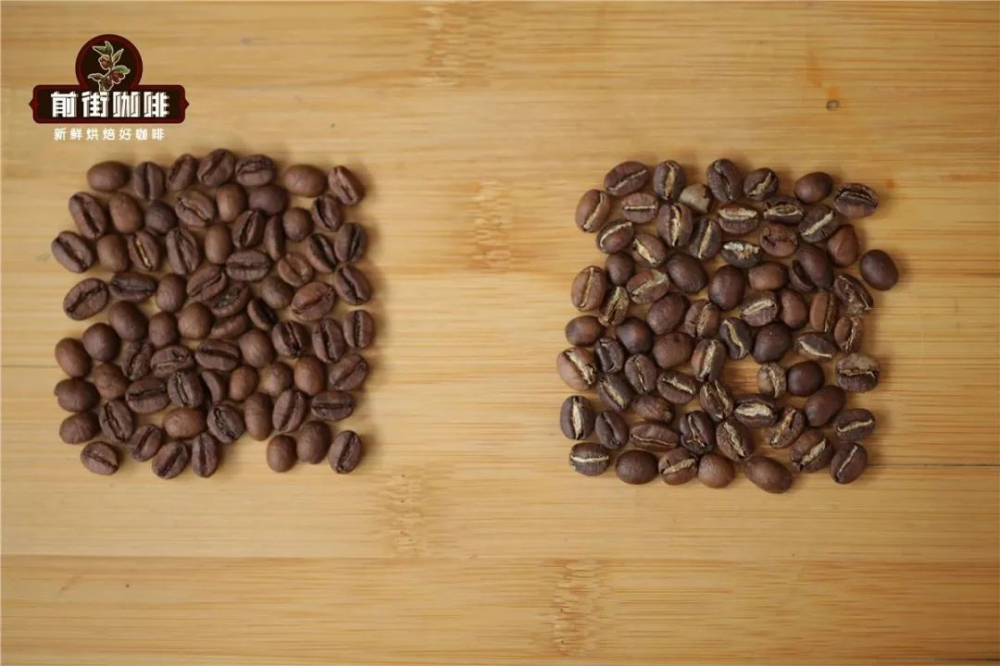
You can refer to Front Street's image below: the one on the left is sun-dried coffee beans, and the one on the right is washed coffee beans. Their biggest visual difference is the "white line" in the middle, and this "white line" is the silver skin remaining on the coffee bean.
Sun-dried coffee beans retain their silver skin relatively completely in the green bean stage, so during roasting the silver skin falls off more thoroughly in whole pieces (though a tiny amount of silver skin flakes also remains). Washed coffee beans, however, do not have intact silver skin in the green bean stage; during roasting, the silver skin falls off in fragments, and some silver skin in the central crease of the coffee bean is harder to remove, forming a "white line" in the roasted bean.
Therefore, the final amount of silver skin on roasted coffee beans has little to do with roasting technique and mainly depends on the coffee bean processing method.
Will silver skin flakes affect the flavor of coffee?
Many friends worry that too much silver skin will affect the flavor of coffee. Front Street once also held a skeptical attitude when verifying this question.
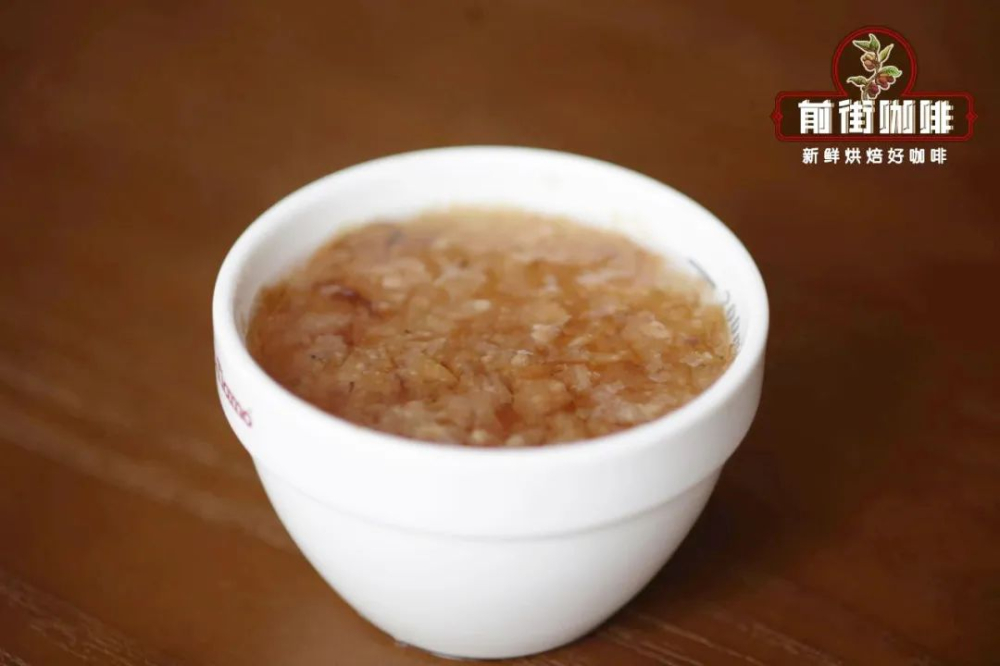
First, Front Street tasted silver skin steeped in water, and the feedback was sweet corn, wheat, and sweetness, with no unpleasant flavors such as bitterness.
Second, Front Street compared the flavor of brewing with the silver skin removed versus brewing without removing it. The feedback from pour-over brewing was that the two cups of coffee had essentially the same flavor, with no obvious difference. In other words, the silver skin remaining on coffee beans does not affect the flavor of coffee.
The above content is compiled by CoffeeHunters, a coffee news website.


