







When was coffee introduced to Europe, and what does the EU attached bottle cap rule change?
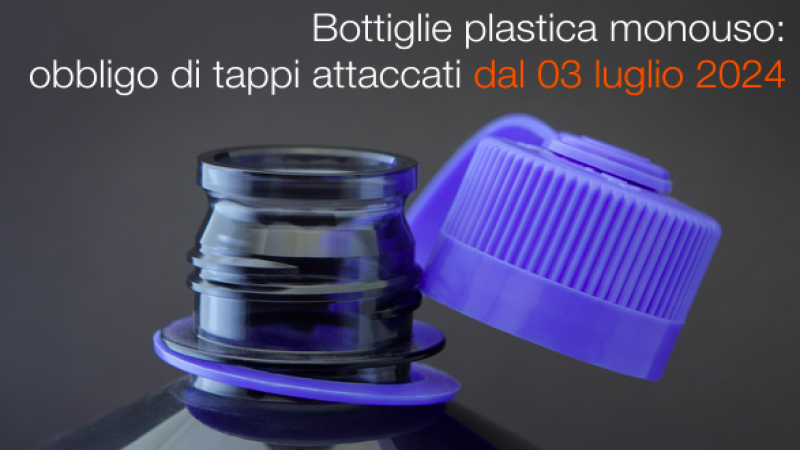
Since July 3, 2024, beverage containers under 3 liters sold in the EU must keep their caps tethered to the bottle. The rule comes from EU Directive 2019/904 on reducing plastic impact and now sits inside the UN 2030 circular economy agenda. It targets caps carelessly discarded into marine litter.
Plastics make up about 85 percent of EU marine litter, and single-use items are roughly half of that, which is why caps became the focus. Consumers have reported scratched faces, sticky hands, loose caps and leaks, and some manufacturers say plastic use rose instead of falling, so the measure remains debated in Europe.
Starting in July 2024, all beverage bottles under 3 liters within the EU must have caps that remain attached to the bottle body. This regulation, stemming from a 2019 EU directive to reduce the environmental impact of plastic products, has now officially taken effect. The law aims to curb plastic pollution caused by carelessly discarded caps. According to statistics, plastics account for as much as 85% of marine litter in the EU, with single-use plastic items making up half of that. However, in actual use, tethered caps have sparked numerous complaints from consumers—from scratching faces and stickiness to not screwing on tightly and leaking—and even manufacturers report that plastic usage has increased rather than decreased. This article will walk you through the ins and outs of this new environmental regulation, as well as the controversy and reflection it has stirred up.
▲
Click to follow | Daily specialty coffee culture magazine Coffee Workshop
When drinking soda, most people have probably experienced accidentally losing a plastic bottle cap after unscrewing it. At such moments, a thought might flash through your mind: if only the cap could stay attached to the bottle. But if you ever have the chance to walk into a European supermarket and see plastic bottled drinks on the shelves, you won't find tethered caps unusual anymore—because in Europe, having the cap separate from the bottle is actually a violation of regulations.
According to a report by Italy's "Huarenjie," the EU has been continuously adjusting the details of its plastic restriction directive since last year. After about a year of progress, this regulation—first proposed in June 2019—requiring single-use plastic bottles and their caps to be tethered together has finally been finalized and incorporated into the UN's 2030 circular economy agenda.
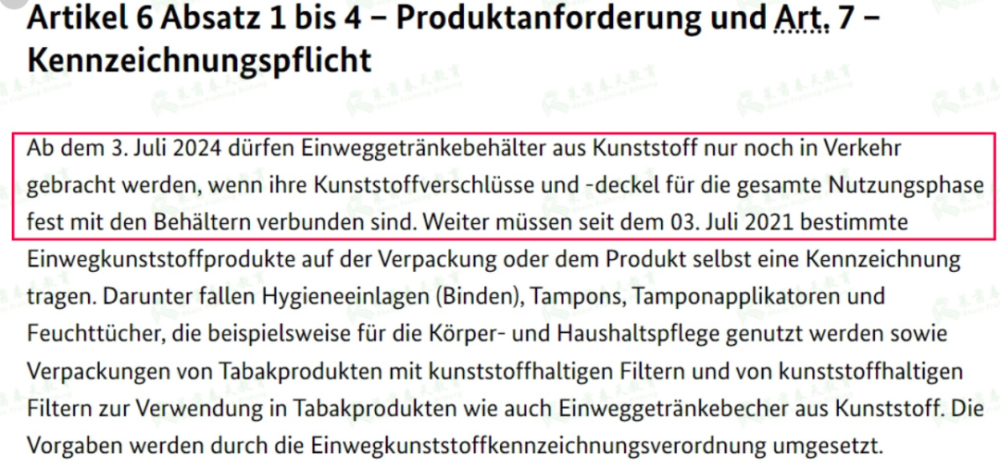
The regulation explicitly states that as of July 3, 2024, in accordance with the waste law that took effect last year and the 2019 EU Directive on reducing the environmental impact of plastic products (EU Directive 2019/904), all beverage caps or packaging on containers with a capacity under 3 liters must remain attached to the bottle body at all times.
In other words, after July, plastic bottled beverages purchased by consumers in supermarkets will all feature tethered cap designs, and the situation of bottle body and cap being separated will no longer occur. This small change to the cap can save drinkers the trouble of losing the cap and also help protect the environment and reduce the spread of microplastics. Logically, this should be a good thing, but the reality is that consumers are not appreciative.
A report by The Wall Street Journal pointed out that tethered caps can bump against or even scratch the drinker's face during use. The media outlet quoted a social media influencer from South London: "Every time I drink water, it feels like wrestling with the bottle. It's really annoying." The influencer also said he now prefers canned drinks over plastic bottled ones.
Additionally, some consumers report that residual juice, soda, or other liquids in the tethered cap can get on their faces during use, making them sticky. After unscrewing the cap, putting it back on is also awkward, and many people report that tethered caps don't screw on tightly, causing leaks.
Those consumers who simply cannot adapt to tethered caps admit that they forcefully tear the cap off the bottle, but in the process, they inevitably get their hands dirty or stained.
Tethered caps not only bring new troubles to European consumers but also give cap manufacturers quite a headache. In a report by ERR News, the CEO of A.Le Coq, a major Estonian beverage producer, was interviewed and said: "We produce 45 million tethered cap products each year, and now we consume over 7 more tons of plastic annually. From an environmental perspective, this is actually counterproductive."
Although the media and consumers continue to complain about tethered caps, according to European marine litter statistics, plastic waste accounts for as much as 85% of marine litter in the EU, half of which is single-use plastic items, including large numbers of loose bottle caps. A journalist in Germany found over forty plastic bottle caps within just a hundred meters on a North Sea beach.
Once these caps are accidentally ingested by animals, they can easily cause harm or even death. It is precisely out of consideration for protecting the environment and animals that the EU specifically enacted regulations for tethered caps, hoping to reduce plastic pollution and raise public environmental awareness.
Image source: Internet
Disclaimer: Some images in this article are from the internet, and some content on the website such as images—we will respect the original copyright and indicate the source. However, due to the large quantity, some images and texts may not have been credited in time. Please forgive us. If the original author has any disputes, they can contact the website for handling. Once verified, we will correct it immediately. Compiled and edited by "Coffee Workshop." Please indicate the source when republishing. If there is any infringement, please inform us for removal. Thank you~!
The above content is compiled by CoffeeHunters, a coffee news website.


