







Search Results for: passion fruit enzyme anaerobic washed
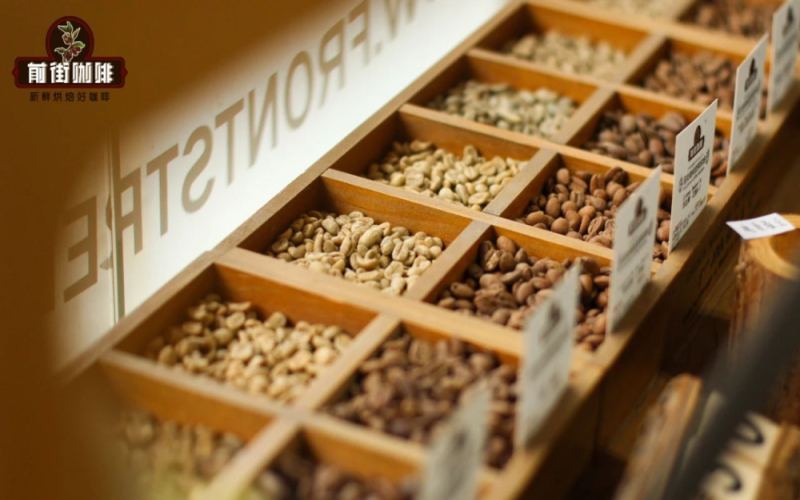
Caturra Coffee Variety Full Analysis: From Bourbon Mutation to Central American Mainstay, Flavor Characteristics and Representative Beans
Caturra is a highly economically valuable natural mutation within the Bourbon lineage. With advantages such as a small plant size, suitability for dense planting, and no need for shade, it has become an important pillar of coffee-growing regions in Central America. In this article, from the perspective of Front Street Coffee, we will sort out the historical origins and variety characteristics of Caturra, and use its Colombian passion fruit enzyme washed Purple Caturra as an example to introduce the Huila region, the processing methods and brewing suggestions of Finca Monteblanco, helping coffee lovers gain a comprehensive understanding of the unique charm of this variety. [more…]

How Anaerobic Fermentation Reshapes the Coffee Flavor Landscape: From WBC Championship to Santa Viny 96-Hour Natural
In recent years, the coffee consumer market has continued to expand, and various novel green bean processing methods have emerged one after another. The industry habitually refers to them collectively as special processing methods. These techniques give coffee a more diverse and distinctly individual flavor expression, and also bring richer layers of mouthfeel, thus winning the favor of a large number of enthusiasts. At present, the more mainstream special processing methods include anaerobic washed or natural, enzyme washed, lactic acid fermentation, and barrel-aged processing, among others. Among them, anaerobic fermentation has especially high exposure. This trend can be traced back to 2015, when the WBC World Barista Championship winner that year, Sasa Sestic from Australia, brought anaerobic fermentation processing into the public eye, and discussions around the fermented feel of coffee have not ceased to this day. This article will sort out the development of anaerobic processing, analyze the specific process of anaerobic natural, and introduce anaerobic-processed coffee beans such as Santa Vini currently sold by Front Street. [more…]
A Complete Analysis of Colombian Coffee Regions, Varieties, and Flavors: A Tasting Guide from Front Street Huila to Cauca Cherry Bean
Colombia, as a major coffee powerhouse in South America, nurtures balanced, smooth, and aromatic Arabica beans thanks to its mild climate and diverse terrain. This article starts from the tasting experience of Front Street Coffee's Colombian beans, systematically reviews the geography and terroir of core producing regions such as Huila, Cauca, and Santander, delves into the characteristics of varieties like Caturra, Castillo, and Typica, and interprets one by one the flavor differences brought by processing methods such as washed, anaerobic natural, double enzyme washed, and barrel fermented. Whether you are a traditionalist who prefers dark chocolate and nutty notes, or an innovator who favors strawberry jam, white peach, and cherry blossom aromas, you will find a favorite among Front Street's six Colombian bean offerings, and at the end of the article, V60 brewing parameters are included for reference. [more…]
Top Ten Colombian Coffee Brands Reviewed: Front Street Explains the Flavors and Brewing of Specialty Beans Including Huila, Flower Moon Night, and Rose Valley
As a major coffee country in northwestern South America, Colombia benefits from a mild climate and diverse terrain, with coffee harvests occurring year-round, and its Arabica beans are renowned for being rich and well-balanced. From the classic three major regions of Medellín, Armenia, and Manizales to Huila and Cauca, which have gained attention in recent years, Colombian coffee displays rich layers of flavor. Front Street Coffee has selected a variety of Colombian single-origin coffees, covering washed, anaerobic natural, double enzyme washed, barrel fermented, and decaf processing. This article analyzes one by one the origin, variety, processing method, and flavor of beans such as Huila, Flower Moon Night, Rose Valley, Sakura, Decaf, and San Jose Estate, and also includes V60 pour-over parameters and pouring techniques to help enthusiasts fully understand the diverse charm of Colombian coffee. [more…]
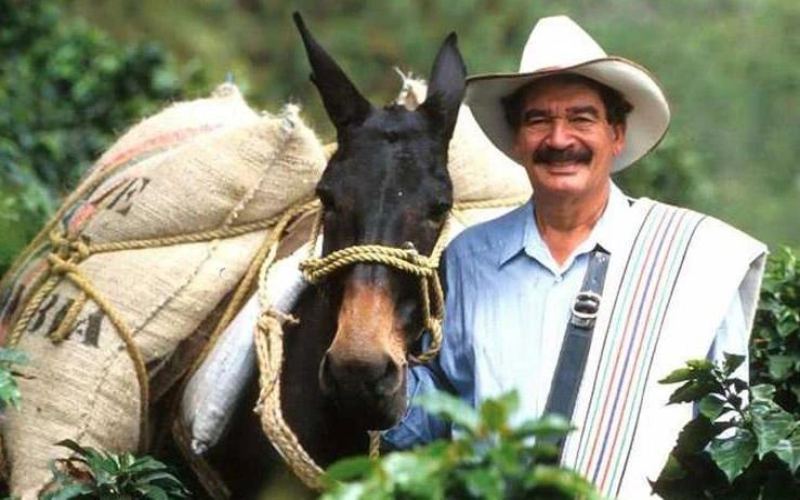
A Comprehensive Analysis of Colombian Coffee Regions: Flavor, Varieties, Processing Methods, Grade Classification, and Comparison
Colombia, as a global powerhouse of specialty coffee, boasts distinctive flavors across its various producing regions. From the perspective of Front Street Coffee, this article systematically reviews the geographical environments, variety characteristics, and processing method differences of Colombia's main producing regions (Santander, Huila, Cauca, etc.), comparing the effects of washed, anaerobic double enzyme washed, and anaerobic natural processing methods on flavor. It also introduces the origins, estates, altitudes, varieties, and flavor descriptions of Front Street Coffee's representative products—Colombia Rose Valley, Hanami Geisha Blend, and Sakura Coffee Beans—along with recommended brewing parameters. The article is comprehensive and suitable for coffee enthusiasts seeking an in-depth understanding of Colombia's diverse coffee charm. [more…]
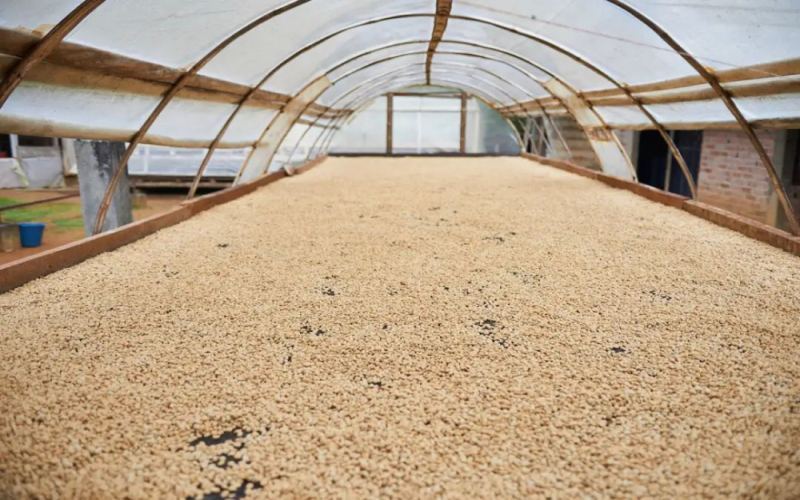
Colombian Coffee Varieties and Flavor Analysis: A Comprehensive Guide from Huila Region to Specialty Processing Methods
Colombia, as a major coffee-producing country in South America, nurtures Arabica coffee with diverse flavors thanks to its varied climates and high-altitude geographical advantages. This article approaches the subject from three dimensions—variety, region, and processing method—systematically sorting out the characteristics of varieties such as Typica, Caturra, and Castillo, interpreting the terroir differences of regions like Huila, Cauca, and Santander, and detailing the effects of processes such as washed, anaerobic natural, double enzyme washed, rum barrel fermented, and Swiss Water Process decaffeination on flavor. At the same time, combined with products under Front Street Coffee such as Huila, Flower Moon Night, Rose Valley, Sakura, Decaf, and San Jose Estate, it presents the multifaceted charm of Colombian coffee from classic balance to innovative fruity aromas, and includes V60 brewing parameter suggestions. [more…]

A Complete Guide to Colombian Specialty Coffee Flavors: Brewing Guides for Representative Beans from the Three Major Regions of Huila, Santander, and Cauca
Colombian coffee has always been renowned for its rich sweetness, full-bodied character, and intense aroma, with exceptionally high balance, often accompanied by nutty notes and elegant fruity acidity, and is regarded by many baristas as a premium choice. The Colombian beans selected by Front Street Coffee mainly come from growing regions in the south at elevations above 1,500 meters, such as Huila, Cauca, and Santander, where the coffee produced has delicate berry notes and caramel sweetness. This article will review, one by one, the regional backgrounds, processing methods, and brewing flavors of Front Street's various Colombian single-origin beans, including Huila, Flower Moon Night, Rose Valley, and Hacienda del Cielo Sakura, and will also share Front Street's V60 brewing parameters and techniques, taking you through a comprehensive understanding of the diverse charm of Colombian coffee. [more…]
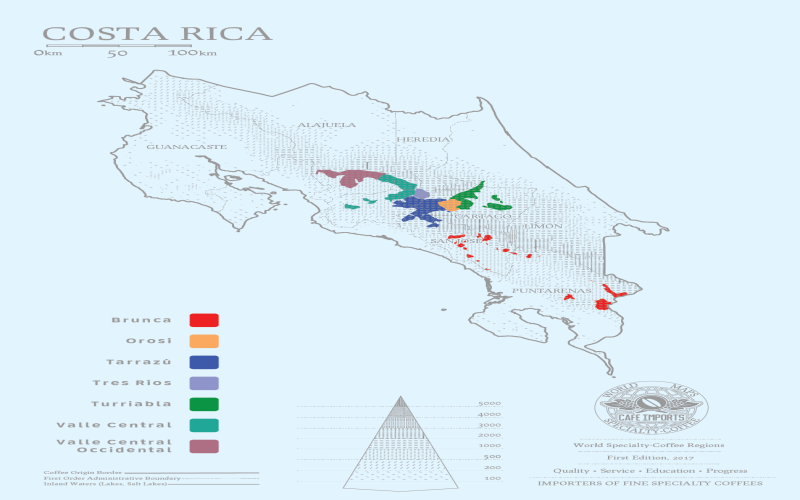
Costa Rica Musician Series Mozart Coffee Beans: Flavor Analysis of Canet Estate Anaerobic Honey Processing
Costa Rica is a representative producing country of specialty coffee in Central America, renowned for its honey processing technique. This article focuses on the Mozart coffee beans from Front Street Coffee's Costa Rican Musicians Series, tracing the historical context and geographical advantages of Costa Rican coffee, introducing the growing characteristics of the Tarrazú region and the Canet estate, and analyzing the anaerobic honey processing method used for Mozart. Finally, it describes the flavor profile—fermentation aroma, complex floral notes, and rich fruity sweetness—providing coffee enthusiasts with a complete reference on the region and tasting. [more…]
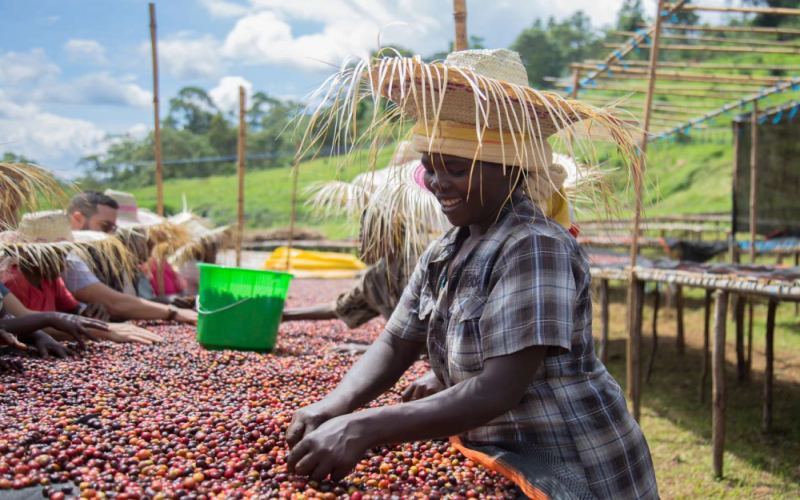
From Natural and Washed to Wet-Hulled, Honey, and Anaerobic Fermentation: A Complete Analysis of Flavor Differences in Common Coffee Processing Methods
Turning coffee cherries into green beans relies on the crucial step of "processing." Different methods of removing the skin, pulp, mucilage, and parchment lead to entirely different flavor directions in the final cup. This article systematically reviews the operational processes and flavor characteristics of common processing methods such as natural, washed, semi-washed (honey), wet-hulled, and anaerobic fermentation, while also explaining the specific performance of beans like Front Street Red Cherry, Fruit Ding Ding, Lintong Mandheling, Sidra, and Big Belly under each processing method, helping coffee enthusiasts understand how processing shapes a cup's acidity, sweetness, and sense of place. [more…]
A Complete Guide to Coffee Bean Processing Methods: Flavor Differences Between Natural, Washed, Honey, Wet-Hulled, and Anaerobic Fermentation
From fruit to green beans, coffee cherries must go through a series of processing steps to remove the skin, pulp, mucilage layer, and parchment. The processing method directly determines the final flavor profile of the coffee. This article systematically reviews the operational procedures and flavor characteristics of common processing methods such as natural (dry), washed (wet), honey (semi-washed), wet-hulled (Giling Basah), and anaerobic fermentation, compares their respective advantages and disadvantages, and explains why washed beans have bright acidity, natural beans are rich in fruity aromas, and wet-hulled beans carry a distinctive woody-spicy note. At the same time, the article combines specific Front Street Coffee products such as Red Cherry Yirgacheffe, Gudingding, Lintong Mandheling, Xizhua, and Daduqi to demonstrate the flavor expression of different processing methods in actual coffee beans, helping readers build a complete understanding from processing method to flavor in the cup. [more…]
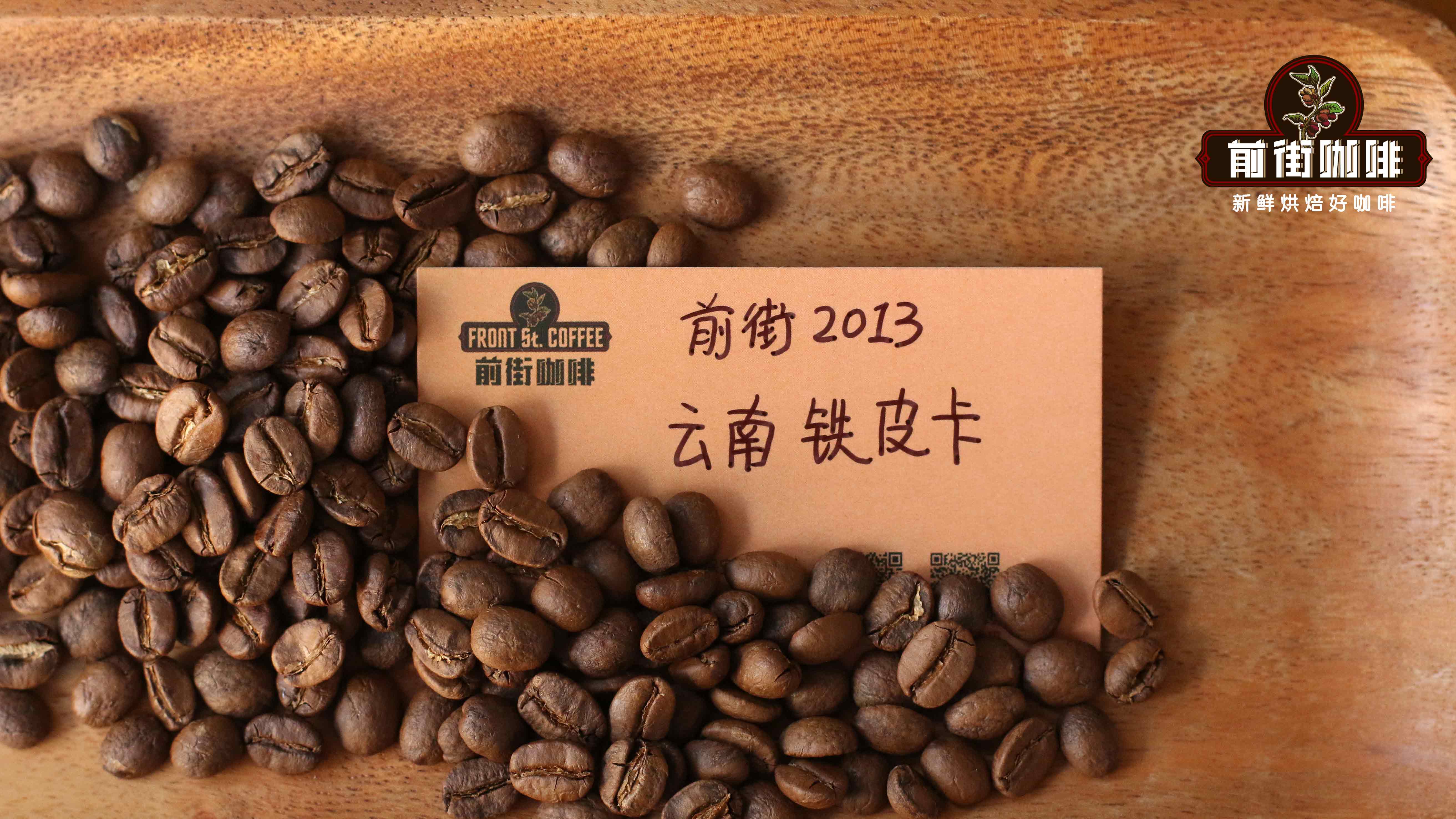
How to Choose Hand-Brewed Coffee Beans? A Guide from the Flavors of Asia, Africa, and Latin America to Front Street Coffee's Single-Origin Bean Recommendations
Want to brew pour-over at home, but feel overwhelmed by the dazzling array of single-origin beans and don't know where to start? The key to choosing lies in first understanding the flavor profiles of different regions. Front Street Coffee stores carry over two hundred types of single-origin beans, with more than fifty available year-round. This article will outline the flavor characteristics of the three major regions—Asia, Africa, and Latin America—and introduce representative beans such as Front Street Mandheling, Yirgacheffe, Huakui, Kenya Little Tomato, Brazil Queen's Manor, Costa Rica Musician Series, Colombia Pink Bourbon, and Rose Valley, helping coffee lovers pinpoint the one that suits their taste preferences. [more…]

Pour-Over Coffee Bean Selection Guide: Recommended Representative Coffee Beans from Asia, Africa, and Latin America
Want to make pour-over coffee at home but don't know where to start when choosing beans? Front Street Coffee systematically recommends specialty coffee beans suitable for pour-over, organized by the three major regions: Asia, Africa, and Latin America. Asian beans are full-bodied with spicy and herbal notes, represented by Indonesian Mandheling and Yunnan beans; African beans are bright and lively, with Yirgacheffe, Sidamo, and Kenya each offering their own character; Latin American beans are balanced and sweet, with Brazil, Costa Rica, and Colombia each having their highlights. This article introduces the origin, altitude, variety, processing method, and flavor of representative bean types from each region one by one, helping you find the cup that suits your taste. [more…]
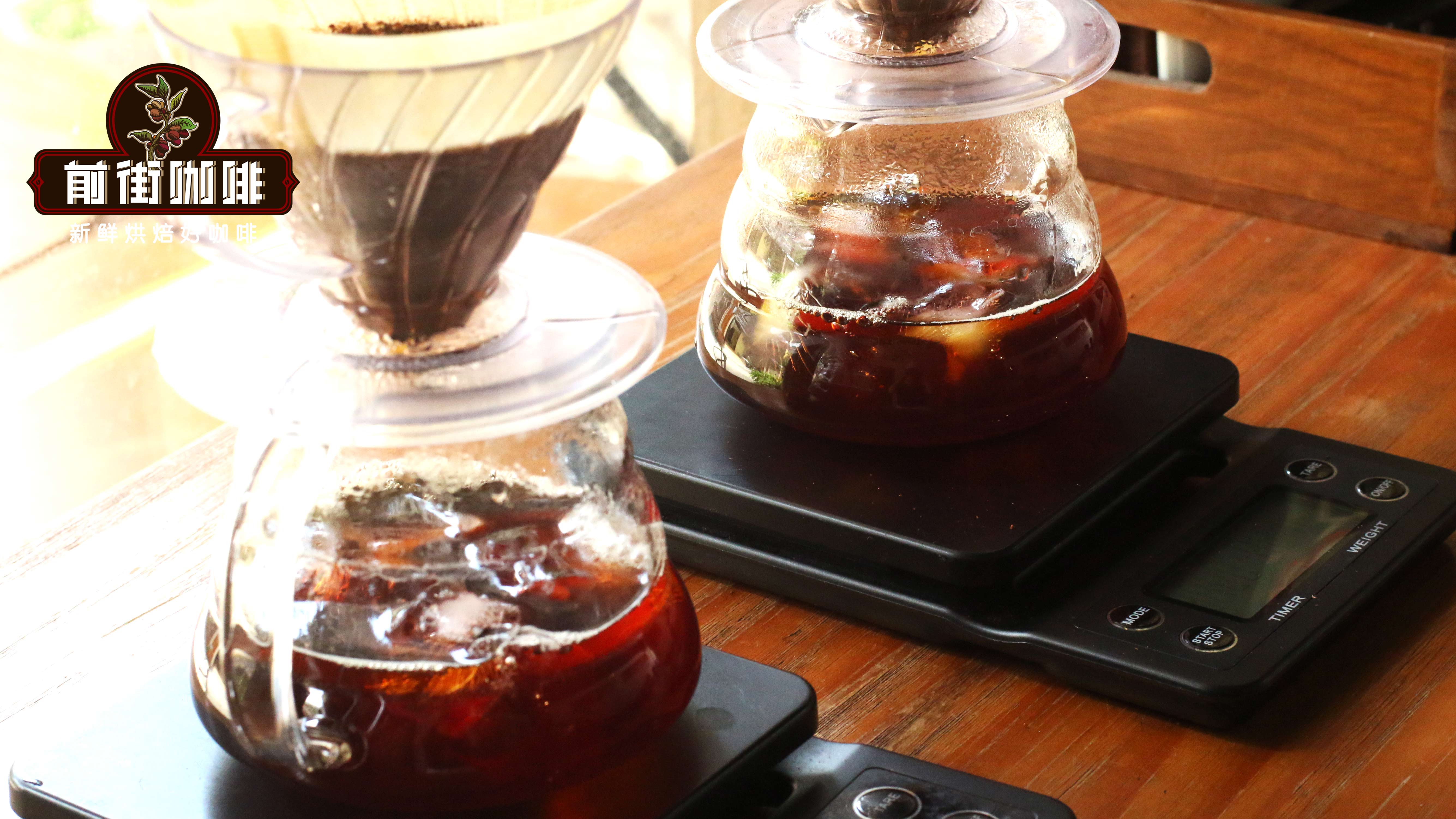
A Beginner's Guide to Choosing Beans for Pour-Over Coffee: Origins, Processing Methods, and Roast Levels Explained
Friends who are just getting into pour-over coffee often feel overwhelmed by the dazzling array of coffee beans and don't know where to start. From the professional perspective of Front Street, this article systematically lays out a complete approach to bean selection for beginners: first understand the distribution of the world's coffee-growing belt, then narrow down to African, American, or Asian origins based on personal taste preferences, next learn how different processing methods—natural, washed, honey, and anaerobic fermentation—affect flavor, and finally make a comprehensive judgment by considering roast level and budget. The article also specifically recommends several Front Street everyday beans suitable for beginners, helping you build an understanding of the foundational flavors of each origin while practicing your brewing. [more…]
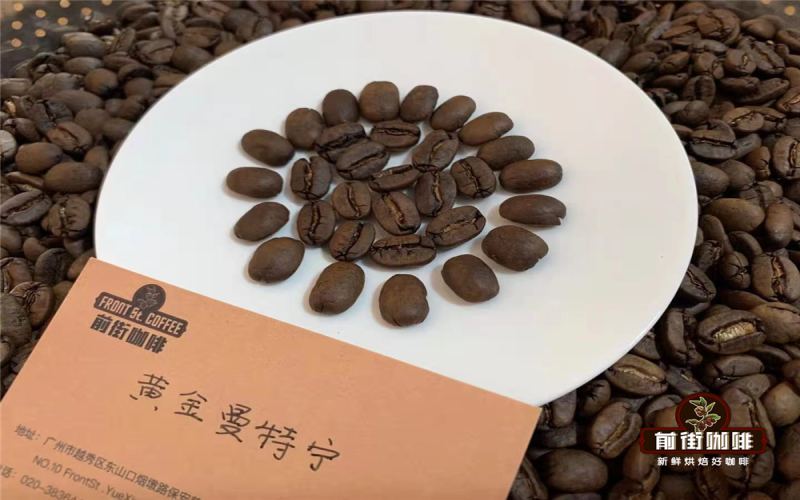
Beginner's Everyday Coffee Beans | How to Choose Beans for Pour-Over? Recommended Single-Origin Coffee Beans for Pour-Over: Great Taste and Affordable, Light, Medium & Dark Roasts
Today, Front Street Coffee will discuss the topic of how beginners should choose coffee beans for their first pour-over. Since pour-over coffee uses drip extraction, it can excellently present the flavor profile of the coffee beans in the cup. Therefore, Front Street Coffee recommends prioritizing single-origin coffee beans that emphasize individuality for brewing. This type of bean, through adjusting the roast [more…]
A Detailed Guide to Single-Origin Coffee Classification: A Comprehensive Analysis of Flavor Characteristics Across Major Producing Regions from Africa to the Americas and Differences in Coffee Shop Flavors
Have you ever walked into a specialty coffee shop, faced the dazzling array of single-origin coffees on the menu, and felt at a loss where to begin? Single-origin coffee refers to coffee made from beans sourced from a single origin, and it can be traced back to a specific region or even estate. This article will systematically sort through the representative single-origin coffees from major producing regions such as Africa, Central and South America, and Asia, introduce Front Street Coffee's rigorous process from roasting curve testing to cupping selection, and present the flavor descriptions of coffee beans from each region one by one, helping you find the cup that best suits your taste. [more…]

Why Is Colombian Coffee Praised as Green Gold? A Full Analysis of Huila Region Flavors and Brewing
As the world's second-largest coffee producer and the largest exporter of washed Arabica beans, Colombia is renowned for its silky, balanced coffee, praised as "green gold." From the volcanic soils of the Andes to meticulous family farming, from the evolution of varieties like Caturra and Castillo to its distinctive washed processing, the allure of Colombian coffee goes far beyond this. This article will take an in-depth look at the flavor characteristics of specialty regions such as Huila, Colombia, sort out the distribution of producing regions, variety iteration, and processing details, and include Front Street Coffee's brewing suggestions along with several Colombian bean recommendations, giving you a comprehensive understanding of the charm of this South American coffee kingdom. [more…]
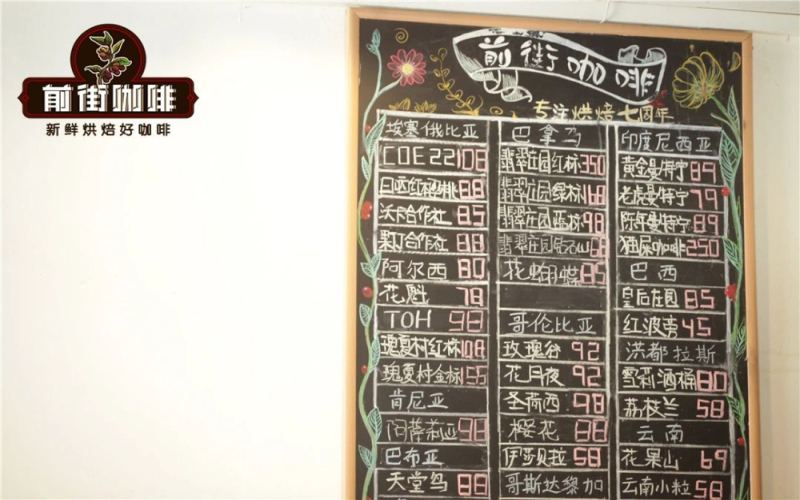
Why is Colombian coffee regarded as a top choice? A full analysis of origin terroir, varieties, processing, and brewing
As the world's third-largest coffee exporter, Colombia—blessed with exceptional volcanic soil and a family-farming tradition—produces a balanced, smooth, and highly acclaimed Arabica coffee. From Huila in the south to Santander in the north, and from varieties such as Caturra, Castillo, and Geisha, different regions and processing methods interweave rich layers of berry, nut, caramel, and floral notes. Front Street Coffee will guide you through an in-depth look at Colombia's coffee-growing regions, harvest seasons, variety evolution, and brewing suggestions, and recommend a selection of representative beans to help you fully grasp the unique charm of this South American coffee kingdom. [more…]
Flavor Analysis of Colombia's Four Major Specialty Coffee Regions: From Andean Volcanic Soil to Balanced Sweetness in the Cup
Colombia is the world's largest exporter of Arabica coffee and the country with the highest export volume of washed beans. Its coffee is renowned as "green gold" for its balanced, smooth taste and consistent quality. The Andes run through the entire country, and volcanic soil, high altitude, and family-run farming together shape the distinctive character of Colombian coffee. This article will break down the flavor characteristics of coffee from each region one by one, from the history of the producing areas, cultivated varieties, and processing methods to the harvest season and the four major specialty regions—Santander, Antioquia, Tolima, Huila, Cauca, and Narino—and will also include Front Street Coffee's brewing parameters and product recommendations to help you fully understand the charm of Colombian specialty coffee. [more…]
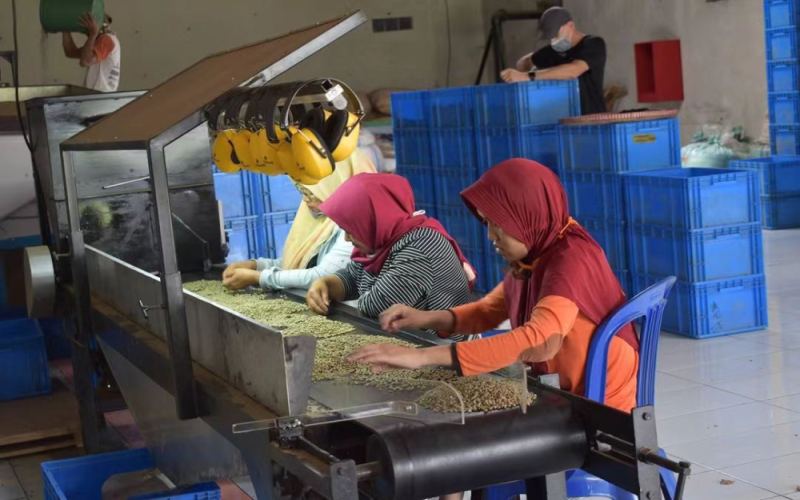
Recommendations for High-Value Hand-Brewed Beans | What's the Difference Between Mandheling and Huakui Coffee? What Pour-Over Parameters Should Be Used for Mandheling Coffee Beans and Huakui Coffee Beans?
Friends who enjoy visiting specialty coffee shops should be familiar with Front Street Mandheling coffee, known worldwide for its unique herbal aroma and excellent body, making it especially suitable for those who prefer a rich taste; in recent years, a Front Street Huakui coffee from Ethiopia has offered full fruit aromas and a clear [more…]

Comprehensive Comparison of Mandheling and Huakui: Origins, Processing Methods, and Pour-Over Parameters in Detail
Front Street Mandheling and Huakui are two beans with strikingly different styles in the specialty coffee world. The former is known for its herbal aroma and full body, while the latter has gained popularity for its rich fruity notes and bright acidity. This article analyzes the essential differences between these two coffees layer by layer, from origin background and processing method differences to flavor causes and pour-over parameters. Mandheling comes from Sumatra, Indonesia, and uses the unique wet-hulling method; Huakui originates from Ethiopia and preserves rich fruitiness through natural processing. The article also explains in detail their respective roasting logic and brewing plans, helping coffee lovers understand why the same bean can present the two poles of bitter and acidic flavors. [more…]