







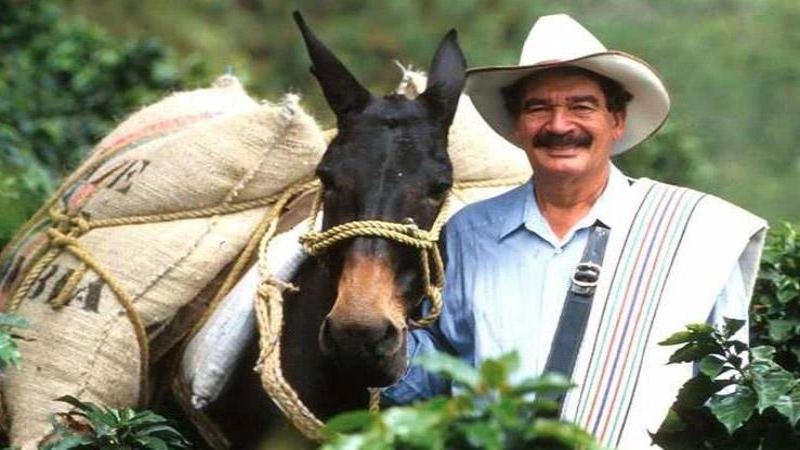
Which Colombian Coffee Regions and Processes Stand Out?
Colombia's main producing regions, including Huila, Santander, and Cauca, each deliver distinct cup profiles. Huila coffee is often described as balanced and sweet, with fruity notes, while other regions lean toward mild fruit acidity, chocolate, and a faint nutty aroma. Grading and mouthfeel are consistently high.
Processing shapes those flavors further. Washed lots read clean and crisp, anaerobic double-enzyme washed lots add intensity, and anaerobic natural lots push fruit and fermentation. Colombian coffee is broadly grouped as the mountainous, balanced counterpart to Brazil's softer, lower-acidity profile, and Geisha is now cultivated there as well.
As a global powerhouse of premium coffee, Colombia boasts distinctive flavors across its many producing regions. From the perspective of Front Street Coffee, this article systematically sorts through the geography, varietal characteristics, and processing-method differences of Colombia's main producing regions (Santander, Huila, Cauca, etc.), and compares how washed, anaerobic double-enzyme washed, and anaerobic natural processing affect flavor. It also introduces Front Street Coffee's signature products—Colombia Rose Valley, Hanami Geisha Blend, and Sakura Coffee Beans—covering their origin, estate, altitude, variety, and flavor descriptions, along with recommended brewing parameters. The information is comprehensive and well suited for coffee lovers who want to gain a deeper understanding of Colombia coffee's diverse charm.
For more specialty coffee knowledge, please follow our WeChat official account: Front Street Coffee (FrontStreet Coffee)
Coffees from Central and South America often display mild fruit acidity, chocolate notes, and a faint nutty aroma. Ever since the Geisha variety rose to fame, countries around the world have poured efforts into researching and cultivating it. As a major producer of specialty coffee, Colombia is naturally not absent from Geisha cultivation. And the coffee flavors showcased by Colombia's various producing regions are each distinctive in their own right. Today, Front Street will take you along to explore the coffee character of Colombia's different producing regions.
Thanks to their outstanding acidity and singular flavors, combined with high grading and a solid mouthfeel, Colombia coffees have been widely sought after in the global coffee scene in recent years. Front Street believes that Colombian coffee is not only delicious but also poetically named—think Colombia Rose Valley, Colombia Hanami, Colombia Sakura, and so on. In the early days, the coffee world tended to roughly divide coffee into two schools: the "soft" school represented by Brazil coffee, with softer beans, lower acidity, and a mild mouthfeel, its flavor shaped mainly by Brazil's hilly red soil and lower-altitude conditions; and the "hard" school represented by Colombia coffee, which, because Colombia is mostly mountainous black soil, is known for its balance, with Huila and Nariño performing best of all, offering sweet fruity flavors and a captivating mouthfeel, with a just-right blend of softness and sweet finish. Colombian coffee beans are basically dominated by the washed method.
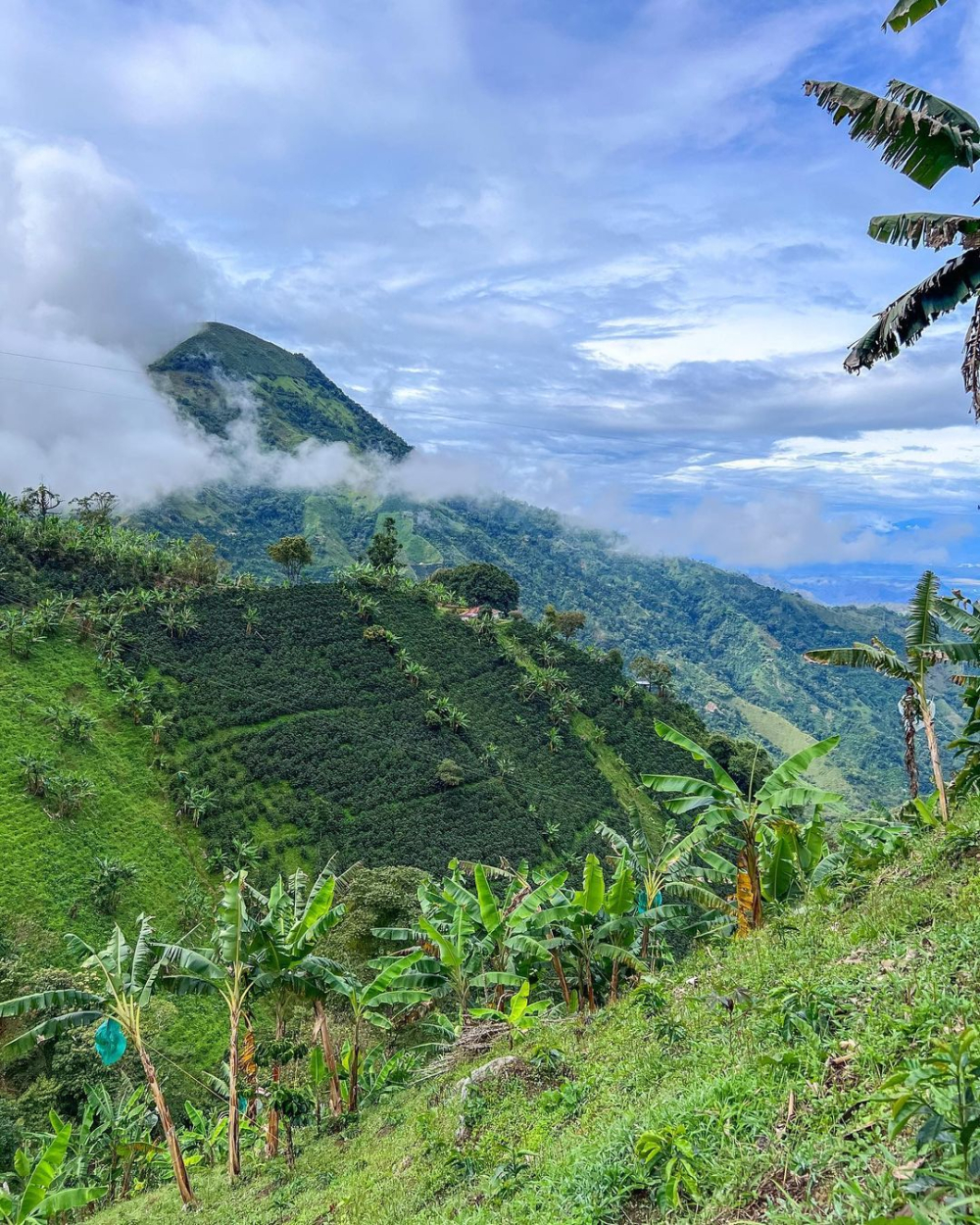
When talking about coffee flavor, one cannot avoid mentioning the environment in which coffee grows. Mention volcanoes, and many people first think of Guatemala. What Front Street wants to say is this: Guatemala is not the only place with volcanic soil—many producing countries share volcanic environments. Colombia is the only country in South America with both a Pacific coast and a Caribbean coast, and nearly all of its best producing regions are built on volcanic soil.
Speaking of Colombia's volcanoes, one cannot fail to mention its two highest-quality producing regions—Huila (HUILA) and Nariño (NARINO) in the south. These two departments are home to two of Colombia's famous volcanoes: Nevado del Huila in Huila Department and Nevado del Galeras in Nariño Department. Volcanic ash is rich in minerals and can make the soil more fertile. Nevado del Huila has continued to erupt in recent years, and Front Street believes this is something for coffee farmers in Huila to celebrate. The reason Huila produced "SCAA Coffee of the Year" in 2009 and 2010 is, to some extent, thanks to the fresh replenishment of the soil by volcanic ash.
Colombia's main coffee-producing regions include: Cauca, Huila, Santander, Nariño, Tolima, Caldas, and others.
Colombia Santander Department Coffee-Producing Region
Santander Department Santander
Coffee trees have very high demands on their growing environment, and Santander has planted a large amount of Typica and shade-grown coffee, most of which has obtained Rainforest Alliance certification. Santander Department is located in northern Colombia, bordered by the Magdalena River to the west, with a cultivation altitude of about 1,400–1,600 meters and an area of 30,537 square kilometers. Santander Department is a very important yet rarely mentioned department—it is in fact the first department in Colombia to begin growing coffee, and currently accounts for about 5% of Colombia's total coffee production. Through cupping, Front Street Coffee (FrontStreet Coffee) has found that coffee beans from this region are known for their intense taste, long-lasting aftertaste, and distinctive fresh grassy flavor.
Colombia Rose Valley Coffee Bean Processing Method
Colombian coffee beans are mainly washed, and other processing methods are all extensions built on top of the washed method. Colombia Rose Valley coffee beans use a popular specialty anaerobic processing method in recent years: defective beans are removed through washing, then the processed beans are placed in a sealed container, into which carbon dioxide is injected to expel oxygen. In an oxygen-free environment, the breakdown rate of sugars in the coffee mucilage slows down, and the pH also drops more slowly, extending fermentation time and thereby developing better sweetness and a more balanced flavor in the coffee.
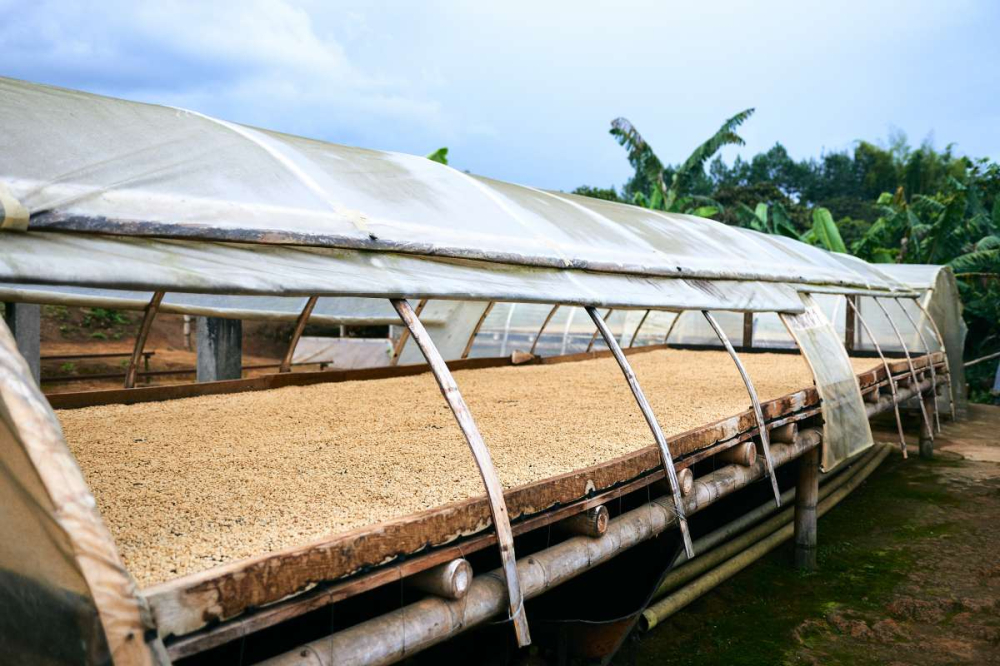
Front Street Coffee (FrontStreet Coffee) Signature Coffee—Colombia Rose Valley Coffee Beans Estate: Colombia Finca El Arbol Region: Santander Processing Method: Anaerobic Double-Enzyme Washed Altitude: 1,700 Variety: Caturra
This Colombia Double-Enzyme Washed Rose Valley coffee bean has a stunning peach character, accompanied by the aroma of ripe fruits such as strawberry and melon, as well as notes of rose and champagne.
Huila Huila
Speaking of the Huila producing region, Front Street immediately thinks of the everyday-drinker Huila in Front Street Coffee (FrontStreet Coffee), because this is Colombia's most representative flavor profile. Huila Department is located in the southern part of Colombia's Cordillera Central, and is one of the main coffee-growing areas, accounting for 12% of Colombia's total coffee production and being the country's most famous specialty coffee region.
This area consists of mountain-surrounded hills with cultivation altitudes above 1,500 meters. Colombia's most important rivers converge here, bringing abundant water resources and moisture. Located in southwestern Colombia, because famous coffee-growing areas are scattered throughout Huila, the names of individual small districts have become brand names circulating in the market. Through cupping, Front Street Coffee (FrontStreet Coffee) has found that coffees from the Huila region have strong nutty, chocolate, and caramel flavors.
Front Street Coffee (FrontStreet Coffee): Colombia Geisha Blend Hanami Coffee Beans
Region: Colombia Huila
Estate: Finca Monteblanco
Altitude: 1,900 meters
Variety: Geisha, Caturra, Catuai
Processing Method: Washed
Flavor: Pink pepper, chamomile, tangerine, honey, almond
Colombia Geisha Blend Hanami Coffee Beans Variety
The Geisha blend coffee bean Front Street acquired this time is a mix of Geisha, Caturra, and Catuai. Seeing this, some friends may wonder: is this bean still a single-origin coffee bean? Single-origin coffee beans refer to coffee beans grown in a single (same) coffee-producing region/estate, not a single variety of coffee bean, so this Geisha blend coffee bean is a single-origin coffee bean.
Colombia Geisha Blend Hanami Coffee Bean Processing Method
Front Street's everyday-drinker Huila coffee uses washed processing, and washed coffee beans can maximize the expression of Colombia Huila coffee's characteristics, while Colombia Hanami Geisha coffee is also processed with the washed method.
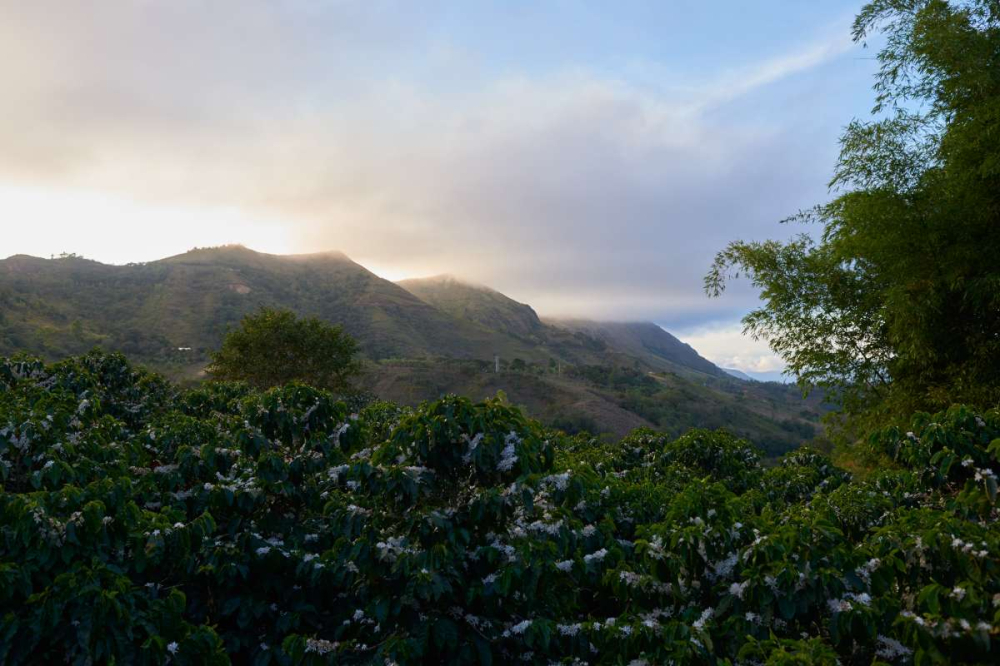
The process is: coffee farmers first pour the harvested coffee cherries into a large water tank; underdeveloped, inferior beans float to the surface, while ripe, plump fruit sinks to the bottom, and at this point the defective beans (fruit) floating on the surface are scooped out. Then a pulping machine removes the outer skin and pulp of the coffee fruit; at this stage the coffee beans still carry a slick layer of mucilage. The beans with mucilage are placed into a fermentation tank for 16–36 hours, during which microorganisms break down the mucilage. After fermentation is complete, a large amount of clean water is used to remove the remaining mucilage from the beans. Finally, the washed beans are dried. The washed method offers both soft and intense acidity, a mouthfeel that is neither too heavy nor too light, and a sweet, spicy aroma.
Cauca Department Cauca
Cauca Department is located in southwestern Colombia, accounting for 8% of Colombia's total coffee production. It is a region with Colombian coffee origin certification, with an average altitude of 1,758 meters and a maximum altitude reaching up to 2,100 meters. Eighty percent of Cauca Department is mountainous, and its biggest climatic difference from other producing regions is its relatively large temperature swing: an 11°C day-night temperature difference, with a daytime average of 18°C. Day-night temperature difference is an important factor in producing high-quality coffee. The low nighttime temperatures and relatively higher altitude slow the pace of coffee growth, allowing the beans to absorb more fully the nutrients of the coffee fruit. Front Street believes that it is precisely this high-altitude growing environment that creates Cauca coffee's better acidity and its much-praised distinctive sweetness.
The variety of this coffee bean introduced by Front Street Coffee (FrontStreet Coffee) is Castillo. Castillo is currently a coffee variety promoted for cultivation in Colombia; it was developed in 2005 by Colombia's coffee research institute based on enhancing plant disease resistance. According to Front Street's understanding, Castillo is the result of five generations of crossbreeding and selection from the Timor Hybrid and Caturra varieties, while the Timor Hybrid is the result of a natural cross between Arabica and Robusta, with tall plants and resistance to leaf rust.
Caturra is the result of a natural mutation of Bourbon, with a short plant and higher yield than Typica and Bourbon. It well inherits Bourbon's high-quality flavor, allows for smaller plant spacing and denser planting per unit area, but is also susceptible to leaf rust. The Castillo variety coffee beans bred by crossing these two varieties also inherit Caturra's high-quality flavor in their flavor performance, and are resistant to leaf rust like the Timor Hybrid variety, so they have been widely promoted for cultivation.
Colombia Finca El Paraiso Sakura Coffee Bean Processing Method
Colombian coffee is mainly washed, while specialty processing methods are extensions built on top of the washed method. Colombian specialty-process coffees are very popular among coffee fans, and the processing method of this Colombia Finca El Paraiso Sakura coffee bean is anaerobic natural. This processing method uses stainless steel containers (which do not absorb the flavors of previous coffee beans) to hold the coffee fruit, allowing for a cleaner flavor. Fermentation in a sealed environment makes all factors easier to control, makes each batch of processed beans more consistent, and prevents aromatic substances from easily volatilizing. Fermentation in an oxygen-free environment gives a rounder flavor that easily carries cheese and cream aromas.
The owner of Finca El Paraiso, Diego Samuel, runs an estate that focuses on specialty processing methods as its selling point. This Sakura coffee bean, through anaerobic processing, expresses a very special flavor—aromas similar to mugwort, basil, and chamomile. This is a flavor difficult to find in other coffee beans, and it is very much worth a taste.
Front Street Coffee (FrontStreet Coffee): Colombia · Sakura Coffee Beans Region: Colombia Cauca Altitude: 2,050 m Variety: Castillo Processing Method: Double Anaerobic Washed
Flavor: Sakura, osmanthus, passion fruit, sweet aroma, round mouthfeel, lingering finish.
Front Street Coffee (FrontStreet Coffee) Recommended Parameters for Brewing Colombian Coffee: Dripper: Hario V60 #01 Water Temperature: 91°C Dose: 15 grams Coffee-to-Water Ratio: 1:15 Grind Size: Medium-fine grind / fine granulated sugar size (80% passing through a No. 20 sieve)
During brewing, you can use a three-stage pouring method to extract the coffee, giving it a richer sense of layering. First pour 30 grams of water to completely wet the coffee grounds and let them bloom for 30 seconds, then pour the second stage in a slow, small stream in circles up to 125 grams for the stage break. Once the water level in the dripper drops to just about to expose the coffee bed, continue pouring. Pour the third stage up to 225 grams and then stop pouring. Wait until the water in the dripper has completely dripped through into the server below, then remove the dripper. Total extraction time is 2 minutes.
Front Street knows well that coffee flavors differ from country to country and region to region, so Front Street acquires several or even a dozen coffee beans from the same country or the same major producing region, so that more coffee friends can properly taste and compare them. For the single country of Ethiopia alone, there are more than a dozen single-origin coffees, and Front Street has 8 everyday-drinker coffees from different producing countries, all of them the most representative coffees of their respective countries, and with excellent value for money! They are very much worth starting with, and then moving on to single-origin coffees—these can fully satisfy coffee fans' curiosity and preferences!
The above content is compiled by CoffeeHunters, a coffee news website.


