







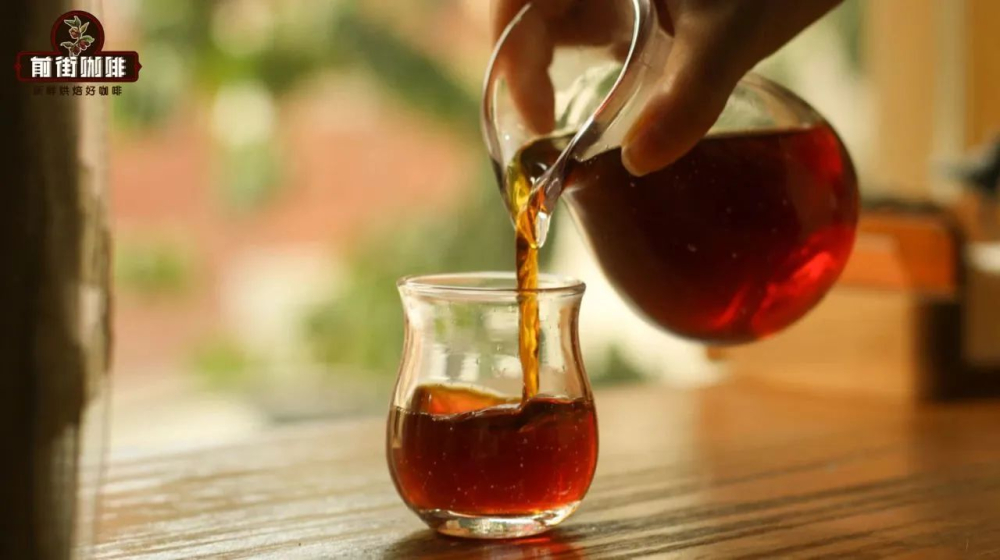
Friends who enjoy visiting specialty coffee shops should all know that Front Street Mandheling coffee is renowned worldwide for its unique herbal aroma and excellent body, making it especially suitable for those who prefer a bold flavor; while in recent years, a Front Street Huakui coffee from Ethiopia, with its full fruit aroma and fresh acidity, has won the hearts of many sweet-toothed friends. As two of the most popular coffee beans on the market, why are they so different? Today, let Front Street lead everyone to find the answer together.
Which countries do Mandheling and Huakui come from?
As a classic coffee born in the last century, Mandheling may have appeared much earlier than you imagine. It comes from Sumatra Island in the archipelago nation of Indonesia. It is known for its unique aroma, which is different from low-altitude Robusta, and it has various names based on different characteristics, such as Front Street Aged Mandheling, Front Street Golden Mandheling, Front Street Lintong Mandheling, and so on.
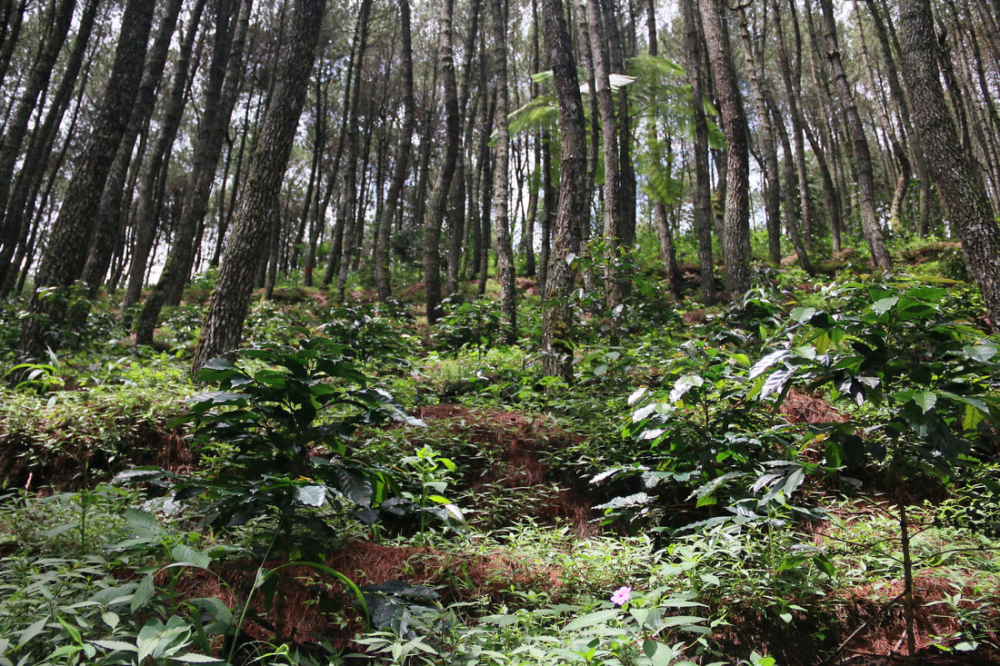
According to Front Street's understanding, Indonesia is the world's largest archipelago nation. Coffee was introduced to Java by the Dutch colonizers as early as the 18th century and then spread to other islands. The elegant-flavored Arabica varieties are concentrated on several higher-altitude islands: northern Sumatra, Sulawesi, and Java. The entire island of Sumatra is divided into eight provinces, among which only the high-altitude Aceh and North Sumatra provinces have large-scale Arabica coffee cultivation. Locals mainly plant coffee trees around two major volcanic lakes: Lake Tawar and Lake Toba. Among them, the Gayo Mountains around Lake Tawar in central Aceh have ideal coffee-growing conditions.
Sumatra Island is located in a tropical rainforest region, with frequent rain throughout the year and relatively high temperature and humidity in the air. Here, coffee mainly grows on slopes at altitudes of 1,200–1,800 meters, and organic cultivation is widely adopted. Combined with a long history of cultivation, this makes the coffee produced here higher in quality and yield. In addition, volcanoes have brought fertile soil to Sumatra. Coffee here often carries a flavor profile of spices, chocolate, herbs, and wood, while also having a rich and smooth mouthfeel.
Compared with Mandheling, a classic that has settled over the years, Huakui coffee, which only appeared in the 21st century, seems much younger. First, Front Street should clarify one point: the pleasant name Huakui does not refer to a variety, nor a place name, nor an estate, but rather a sun-dried lot that won the championship at Ethiopia's TOH green bean competition in 2017. The impressive stage name "Huakui" was actually given by domestic green bean traders in the Chinese context after this bean successfully took the crown that year, meaning "leader of a hundred flowers." Later, with the promotion and publicity of various merchants, it also gained the title of "comparable to Geisha."
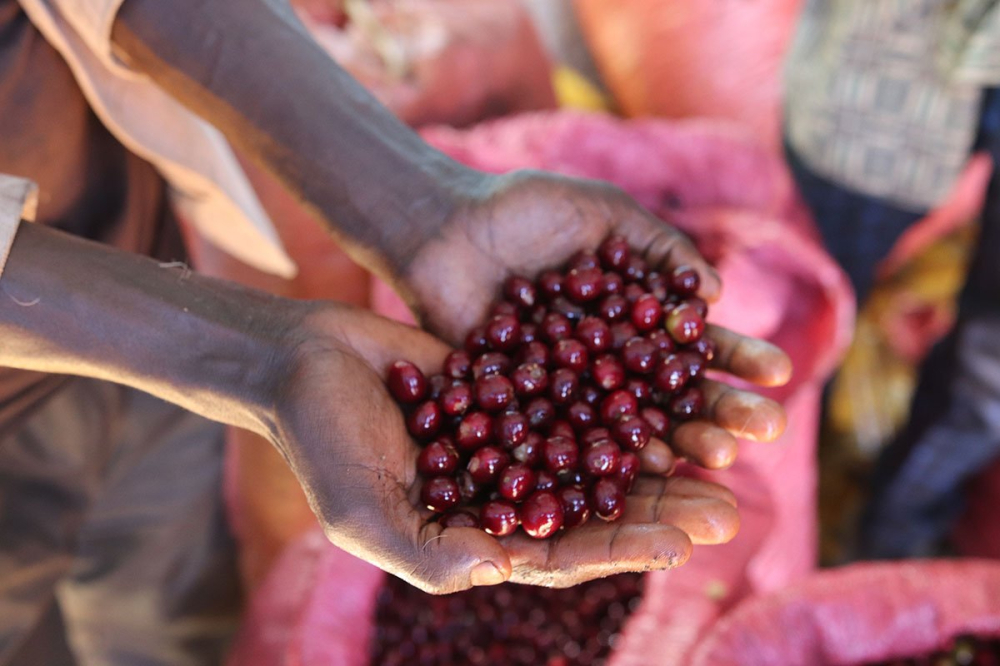
Since its debut in China, the combination of fame, excellent quality, rich and juicy fruit flavors, affordable price, and high extraction compatibility (easy to brew) has not only made Huakui stand out among many Ethiopian coffees, but also made it the first choice for many friends when trying single-origin coffee. However, since the 2018 harvest season, Front Street Huakui (sun-dried G1 coffee beans) from the same growing origin and the same processing station has already undergone some changes in taste. Through cupping at the time, Front Street found that although the 2018 and 2019 Front Street Huakui also had flavors similar to the 2017 Front Street Huakui, they were not as good as the "first-generation Huakui" in terms of body, aftertaste, and other mouthfeel aspects.
Therefore, in order to continue selling this sun-dried coffee from Hambela while making a certain distinction from the original version, domestic green bean trading companies created an X.0 suffix for each subsequent year's lot based on the count after 2017. For example, the 2018 lot was called "Huakui 2.0," the 2019 production was called "Huakui 3.0 and 3.1"... Last year's release was "Huakui 7.0," and 2024's is called Huakui 8.0, and so on. In this way, we can identify which year's lot the Huakui we bought belongs to through this suffix.
What is the difference between wet-hulling and sun-drying?
I wonder if everyone has noticed that there is a column in coffee bean introductions about processing methods, such as washed, sun-dried, honey-processed, anaerobic sun-dried, enzyme-washed, and so on. This is because the coffee beans we see cannot be obtained simply by picking them directly; they need to go through different steps to remove the fruit skin and pulp and then be dried. Different processing methods actually determine the state in which the coffee beans are dried, ultimately forming more or less flavor differences. Take the Front Street Mandheling and Front Street Huakui introduced by Front Street today as examples: Front Street Mandheling uses the wet-hulled method, while Front Street Huakui uses sun-drying.
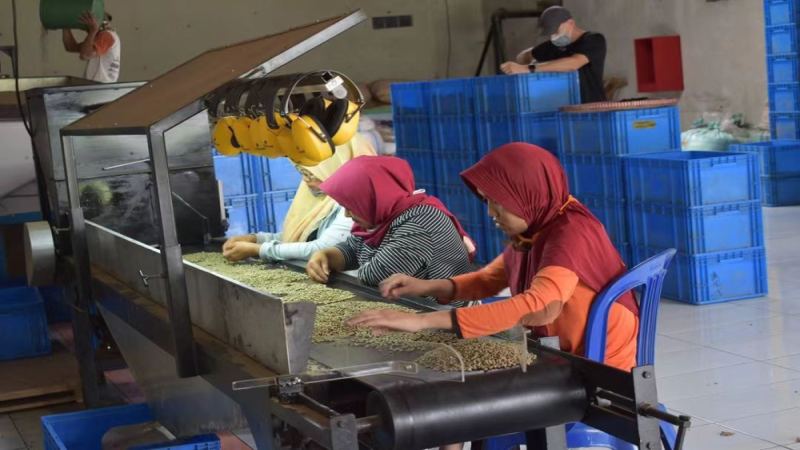
Everyone knows that Front Street Mandheling comes from Sumatra Island in Indonesia. The biggest difference from many coffee-producing regions is that Indonesia's local weather is changeable, humid, and rainy, with annual humidity between 70–90%. Sometimes it is sunny in the morning and pours in the afternoon, and typhoons can come at any time. Annual rainfall even exceeds 2,000 mm. Under such harsh climate conditions, fully drying parchment beans to a specified moisture content is very difficult and time-consuming. Indonesia is also a major coffee-producing country aimed at mass production. In order to shorten the processing time of coffee beans and sell them for cash as quickly as possible, people developed a unique semi-washed method: wet-hulling.
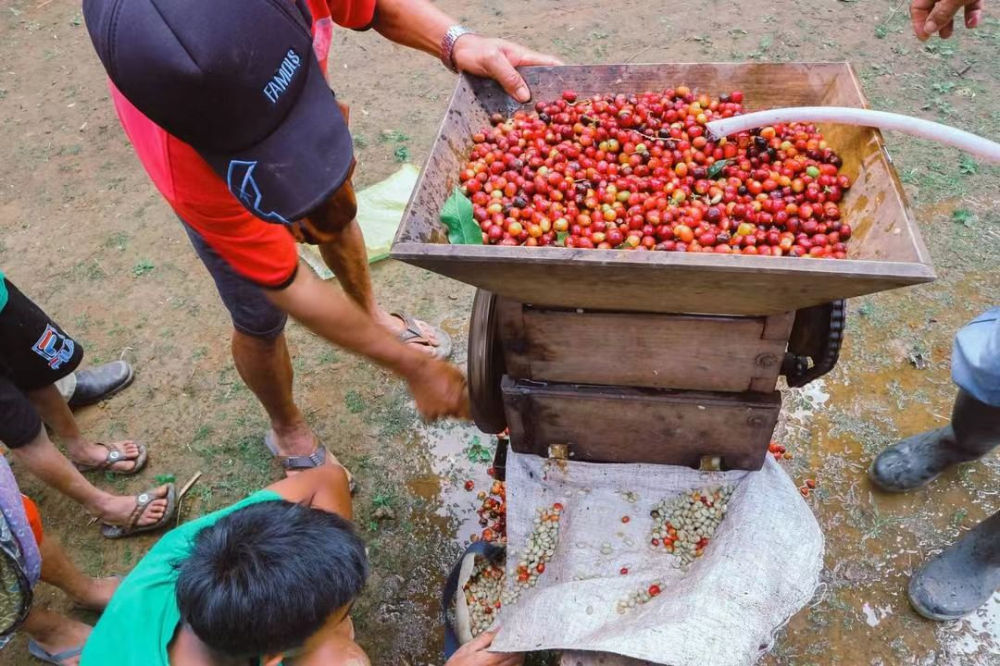
Initially, sun-drying was also the main processing method here, but quality was unstable, so it was later changed to a semi-washed method similar to Brazil's. However, unlike Brazil, it is not so dry here, and it is impossible to remove the coffee fruit skin and take out the sticky parchment beans and then dry them outdoors for several days, because doing so in hot and rainy Indonesia would only make them mold directly. Therefore, they are only dried outdoors for one to two days. When the moisture content of the parchment beans drops to 30–50%, they are purchased by middlemen. At this time, the mucilage layer has not yet solidified, and the bean body is still half hard and half soft, but it needs to be taken back to the processing plant in time to grind off the parchment with special machinery to avoid excessive fermentation and sour spoilage.
Because dehulling under the wet-hulled method is more difficult, the machine needs to use greater friction to tear open the parchment layer tightly attached to the green beans. At this stage, white or green viscous liquid usually flows out. Due to long soaking in mucilage and the humid environment, the green beans eventually become soft, whitish, swollen, and grayish-green. Through the stirring caused by friction, the green beans are also more likely to be crushed or injured, especially at both ends, forming small gaps like goat hooves. This is why Sumatra has a higher proportion of goat-hoof beans.
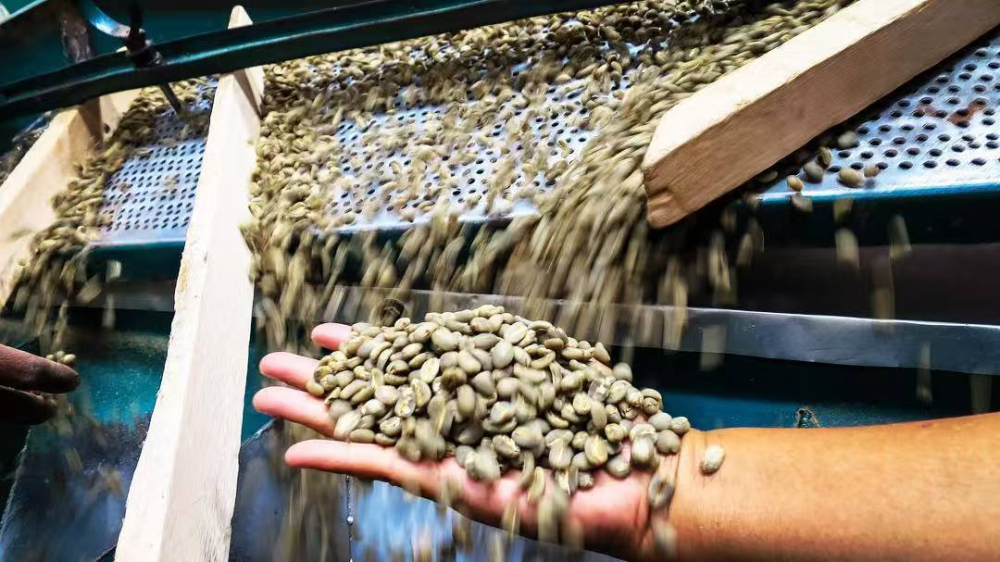
You should know that coffee beans have four protective layers: fruit skin, mucilage, parchment, and silver skin, but the wet-hulled method removes the third and fourth protective layers midway. In other words, the coffee beans are directly exposed as "inner beans" to sunbathe. After the parchment beans are ground to remove the parchment, they continue to be dried until the moisture content reaches about 12%–15%, and then they can be bagged. Finally, these coffee beans are sent for machine sorting to remove various impurities and then classified by bean size.
The "naked beans" that have lost their parchment layer dry very quickly, while also being directly exposed to sunlight and moisture and affected by the growth of various microbes, giving Indonesian coffee its unique woody, spicy, and herbal notes. This is what we call the "taste of the region." From this, it can be seen that Mandheling's unique medicinal herb aroma and aged wood notes are caused by the high local humidity forcing the entire post-processing process to dry the mucilage layer in three stages. This is also a rare processing method in the world, accidentally creating Front Street Mandheling's special low acidity, thick body, and muffled aroma.
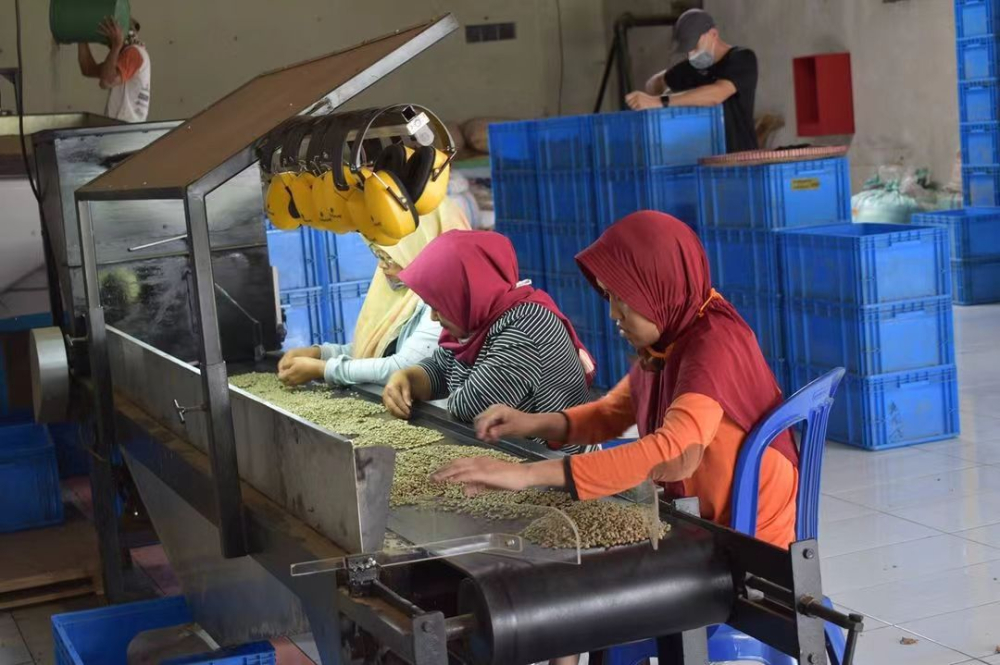
Front Street Huakui, which uses sun-dried processing, instead has more rich fruit aromas brought by natural drying. The sun-dried method is called "Natural" in English, meaning a natural, non-technological processing method. Since humans discovered coffee in Ethiopia in the 6th century AD, the sun-dried method has been the only processing technique for coffee circulating in the Arab world.
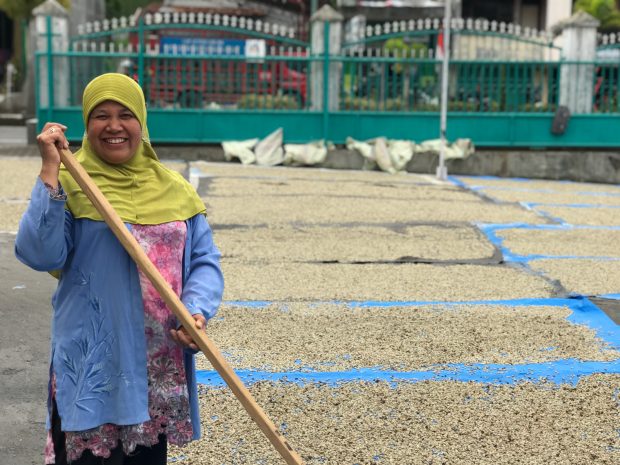
The traditional sun-dried method does not require contact with water at all, and the seed extraction process is also very simple. First, the whole coffee cherries are dried thoroughly, then machine-crushed to remove the husk and obtain the inner beans. In some places, it can be done as long as there is sun. But the disadvantages of sun-dried coffee are also very obvious: it is highly dependent on weather and requires up to a month of drying time. If there is wind or rain during this month, the effort is likely to be wasted. Therefore, this ancient processing method is often concentrated in tropical countries with distinct dry and wet seasons.

Since sun-dried processing does not require much technical expertise, basically every smallholder household can process it themselves. The entire drying process only needs to use sunshine on sunny days, so production costs are relatively low, and it is most common in high-altitude coffee-producing regions. However, some producing regions pursuing refined flavors will first float the coffee cherries to remove underripe green fruits and stones or debris, then spread them on raised drying beds. The purpose is to stay away from the ground so the coffee cherries are not infected by crawling insects, dust, or bacteria. During sun-drying, dedicated personnel will also check the drying degree of the coffee cherries and pick out insect-damaged, cracked, and moldy fruits to prevent these bad fruits from affecting the other coffee.
Because the inner beans of sun-dried coffee are wrapped in pulp throughout the drying process, the coffee cherries ferment for longer, and the reaction between microbes and pulp is greater. When the fruit begins to ferment, microorganisms produce more volatile compounds, especially esters. These aromatic substances provide more floral and tropical fruit fermentation aromas to roasted coffee beans, such as furan compounds, giving sun-dried coffee a broader flavor range and making it taste sweeter.
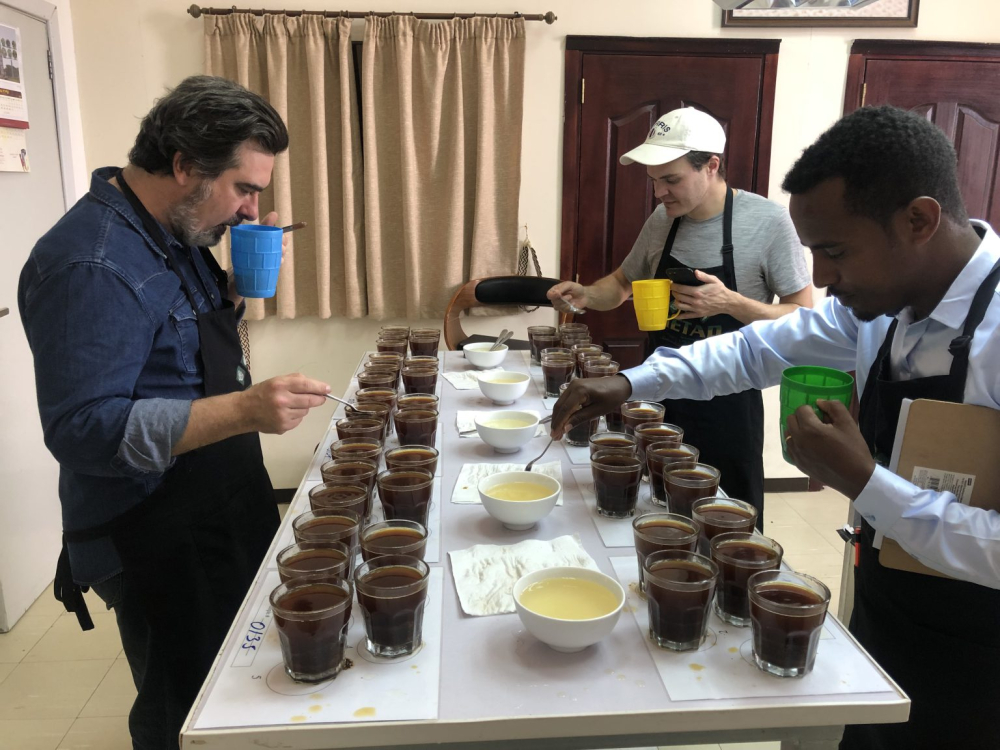
Why is Mandheling bitter while Huakui is sour?
As Front Street mentioned at the beginning, Mandheling was born in the era of "bitter coffee." At that time, almost all coffee around the world used dark roasting, mostly dominated by caramelized aromas and emphasizing a solid coffee taste. After dark roasting, Front Street Indonesian Mandheling not only has the above characteristics, but also highlights a distinctive richness. The coffee has unique aromas of spices, pine wood, herbs, and more when entering the mouth, and this has formed the "Mandheling taste" that people now pass down by word of mouth.
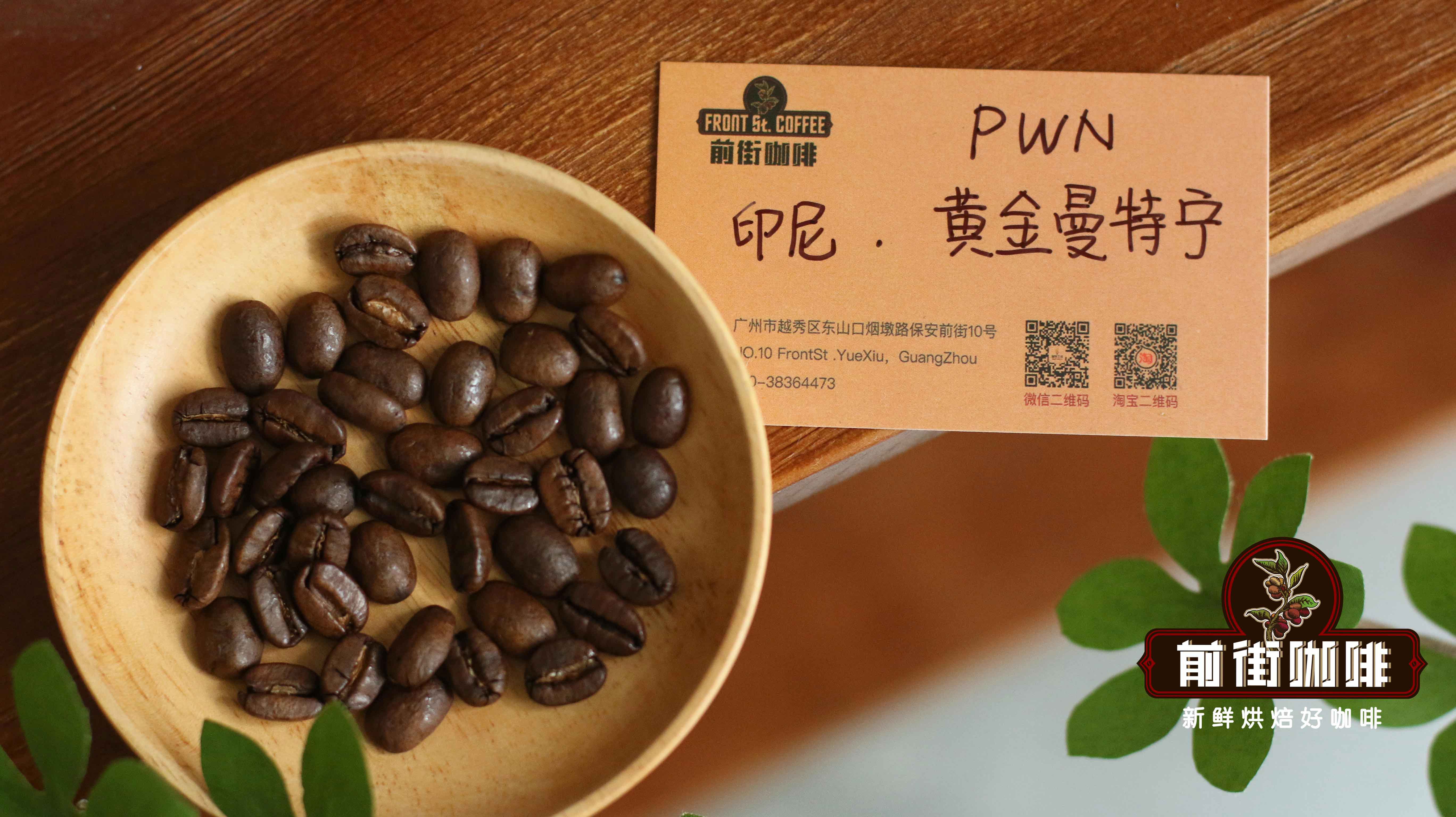
Experience tells us that the darker the roast level, the morecaramelization-formingsubstances there are in the coffee beans, and the more bitter the brewed coffee will be; the lighter the roast level, the more acidity the coffee beans retain, with flavors mainly of fruit, flowers, and tea.As a member of the younger generation, Front Street Huakui is already known worldwide for its fresh and elegant tone of floral notes, creamy strawberry, citrus, and so on, and this is mainly due to the relatively light roast level, which allows it to appropriately caramelize while also presenting more light and graceful flavor notes.
How to hand-brew Mandheling?
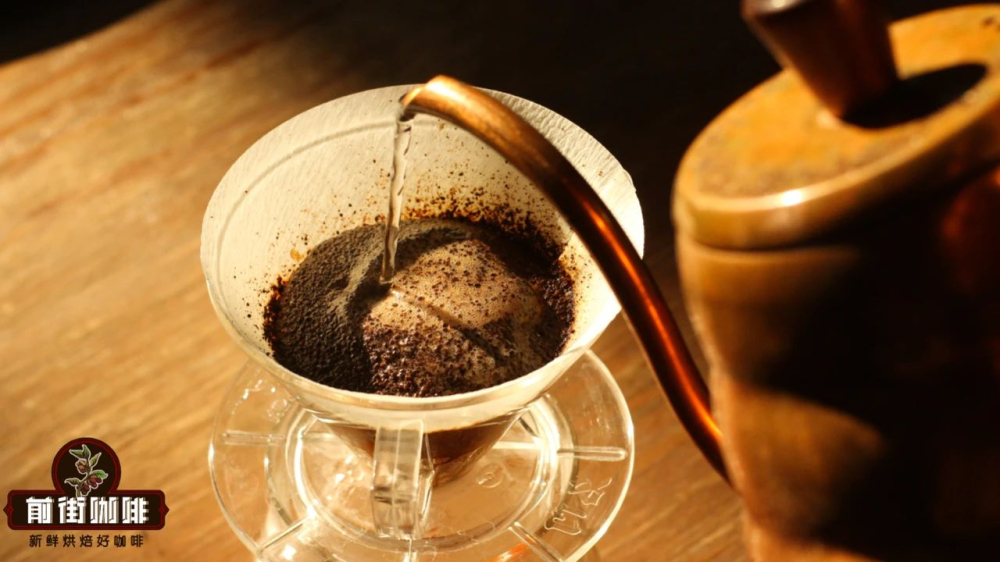
Front Street's brewing approach for each coffee bean is based on the characteristics the coffee shows during cupping. For example, Front Street Mandheling coffee has flavors of herbs, dark chocolate, caramel, nuts, pine wood, and so on. For this type of rich-bodied bean, the baristas at Front Street Coffee (FrontStreet Coffee) use the Kono dripper. Kono's ribs do not reach halfway up the dripper; this design is actually intended to ensure that the filter paper clings tightly to the dripper wall after wetting, restricting airflow. This increases the water absorption time of the coffee grounds, thereby making the extracted coffee more uniform overall and enhancing the rich mouthfeel. In addition, the grooved skeleton at the bottom of the Kono dripper is the key design for creating a siphon effect during brewing.
Because dark-roasted coffee beans are relatively loose and highly absorbent, they can easily absorb too much water and become over-extracted, making the brewed Front Street Mandheling coffee both bitter and astringent. Therefore, Front Street will adjust the grind coarser and brew with slightly lower-temperature water.
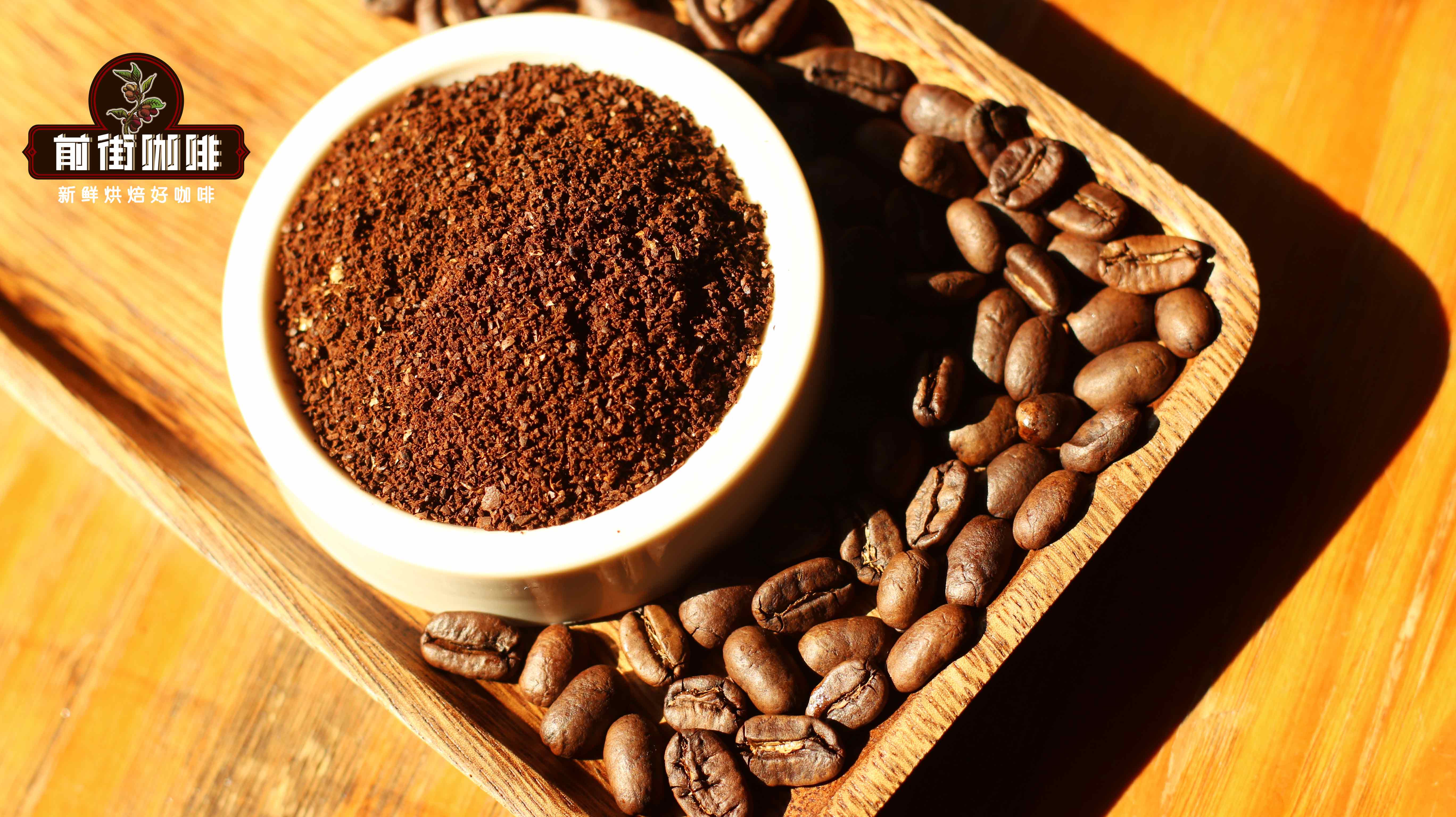
Suggested brewing parameters: water temperature: 87–88°C coffee grounds: 15 g coffee-to-water ratio: 1:15 grind size: medium grind (70% passing through a Chinese standard No. 20 sieve)
The brewing method uses a three-stage pour. Pouring in three stages can better express the rich mouthfeel and caramel sweetness of Front Street Golden Mandheling coffee. In the first stage, pour 30 ml for blooming. This pour fully wets the coffee grounds and allows degassing, so that the coffee's flavor substances can be better extracted afterward. In the second stage, pour 100 ml. This stage mainly washes out Mandheling's golden foam and raises the coffee bed. In the final stage, gently pour 95 ml in the center. After all the coffee liquid has drained, remove the dripper and gently swirl the coffee in the server to even it out..
How to brew Huakui 8.0 coffee?
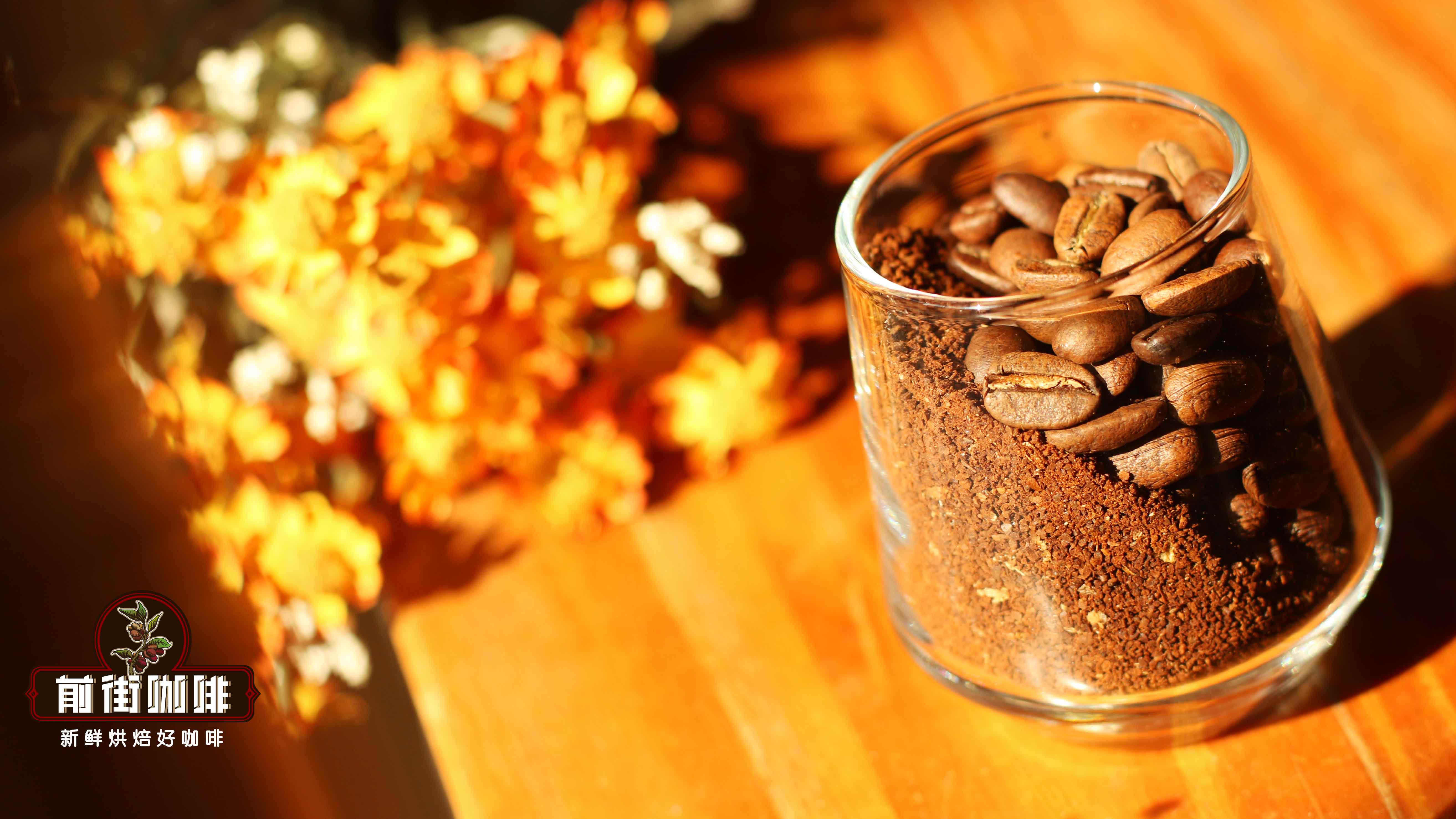
Front Street hopes to present the full fruit flavors of Front Street Huakui, so it uses a medium-light roast. Through cupping, the dry aroma of Front Street sun-dried Huakui 8.0 coffee has citrus, honey, berries, and a faint fermented aroma. On the palate, it has a full sweet-and-sour taste of passion fruit, creamy strawberry, and sweet orange, with a medium body and a black tea finish.
Dripper: V60
Water temperature: 92–93°C
Coffee dose: 15 g
Coffee-to-water ratio: 1:15
Grind size: fine granulated sugar size (78% passing through a No. 20 sieve)
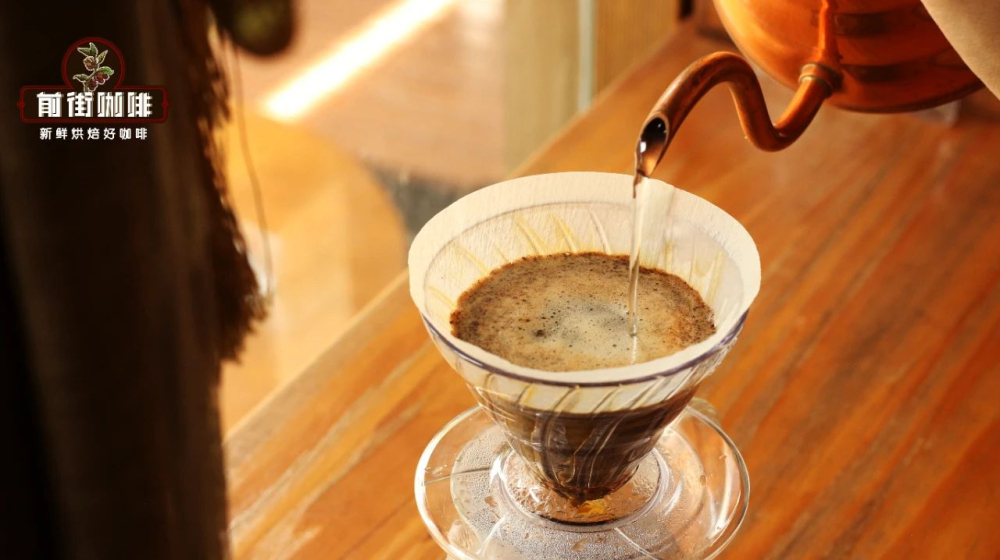
Three-stage pour: Wet the coffee bed with twice the amount of water as coffee grounds to form a dome and bloom for 30 s. Then, with a small stream, pour in circles from the inside out until 125 g, pausing in stages. When the coffee bed drops to half the height of the dripper, continue pouring the third stage with the same fine stream until 225 g. After all the coffee liquid has filtered through, remove the dripper. The total time is about 2 minutes.
The above content is compiled by CoffeeHunters, a coffee news website.

