







Today, Front Street Coffee will discuss how beginners should choose coffee beans for their first pour-over.
Since pour-over coffee uses drip extraction, it can beautifully present the flavor profile of the coffee beans in the cup. Therefore, Front Street recommends prioritizing single-origin coffee beans with distinctive characteristics for brewing. By adjusting the roast level, these beans can maximize the expression of their regional style, allowing us to enjoy a refined coffee experience. As a mature coffee bean roasting brand, Front Street Coffee offers over 50 single-origin options for everyone to choose from, each with its own unique aroma and taste.
Before getting to the main topic, let's first learn about where coffee beans are grown around the world. The region formed by these places is collectively known in the industry as the "Coffee Belt." From 25°N to 25°S, a total of 79 countries and regions worldwide grow and produce coffee. Different countries/regions have distinct climates and terroirs due to their geographical environments, resulting in different coffee flavors. So, choosing which coffee bean starts with deciding which continent and which country we want to explore.
When selecting, we can first simply determine what flavor of coffee we want to drink—whether we prefer sour, bitter, or a more balanced cup.
If you want a coffee with bright acidity and floral-fruity notes, you can choose African origins like Ethiopia, Kenya, and Rwanda. Their coffees are mostly light-roasted. Recommendations include the floral Front Street. Gotiti, Front Street. Red Cherry, and the fruit-forward Front Street. Little Tomato, Front Street. Rwanda Red Bourbon, etc.

If you want a full-bodied mouthfeel and can accept bitterness, you can try coffees from Brazil, Indonesia, and Jamaica. Thesecountries' coffeesare generally dark-roasted, with overall flavor profiles typically featuring nutty notes, dark chocolate, hot cocoa... Representative beans include Front Street Brazil Cerrado, Front Street Mandheling, and Front Street Blue Mountain No. 1.
If you want a coffee that is neither too sour nor too bitter, with a more balanced taste, you can try beans from Papua New Guinea, Yunnan China, and Costa Rica. For example, the nutty Front Street. Bird of Paradise, the mellow tea-like Front Street Yunnan Small Grain, and the fruit-bomb Front Street Strawberry Candy are all very suitable. These coffees generally present a balanced mouthfeel with slight fruity acidity, very pleasant. (So, when choosing a origin, you are also to some extent choosing a roast level.)

Choosing the Processing Method
Although you've decided on the origin, you'll still notice that even for the same bean from the same estate (/processing plant), there are different processing methods? Different coffee processing methods express different flavors. Traditional methods include natural, washed, honey... and in recent years, anaerobic processing, enzyme fermentation, barrel fermentation... are also very common on the market.

Natural processing involves screening ripe, plump coffee cherries, then drying the whole coffee cherry in the sun until it reaches 12% moisture content, after which it is hulled and stored. Therefore, naturally processed coffee beans retain more flavors, with obvious sweetness and richer, fuller layers.
Washed processing involves removing the skin and some pulp of the coffee cherry, placing it in a fermentation tank or barrel to remove the mucilage layer through fermentation, and finally drying to 12% moisture content. Washed coffee beans achieve higher acidity and cleaner flavors. We recommend Front Street Butterfly.

Honey processing can be simply understood as first removing the skin and pulp of the coffee cherry, then drying with the mucilage layer retained, with no water used throughout the process. Since the skin is removed before sun-drying, the drying time is shorter. Honey-processed coffee beans tend to be sweeter and more mellow. We recommend Front Street Bahia and Front Street Mozart.
Anaerobic processing involves placing coffee beans with the mucilage layer, either before or after removing the coffee cherry pulp, into a non-sealed container, removing oxygen so that only carbon dioxide remains, and allowing anaerobic bacteria to assist the fermentation for a period. Anaerobically processed coffees generally exhibit highly distinctive berry and floral notes. We recommend the passion fruit-flavored Front Street Sidra and the blackcurrant juice-like Front Street Big Navel.
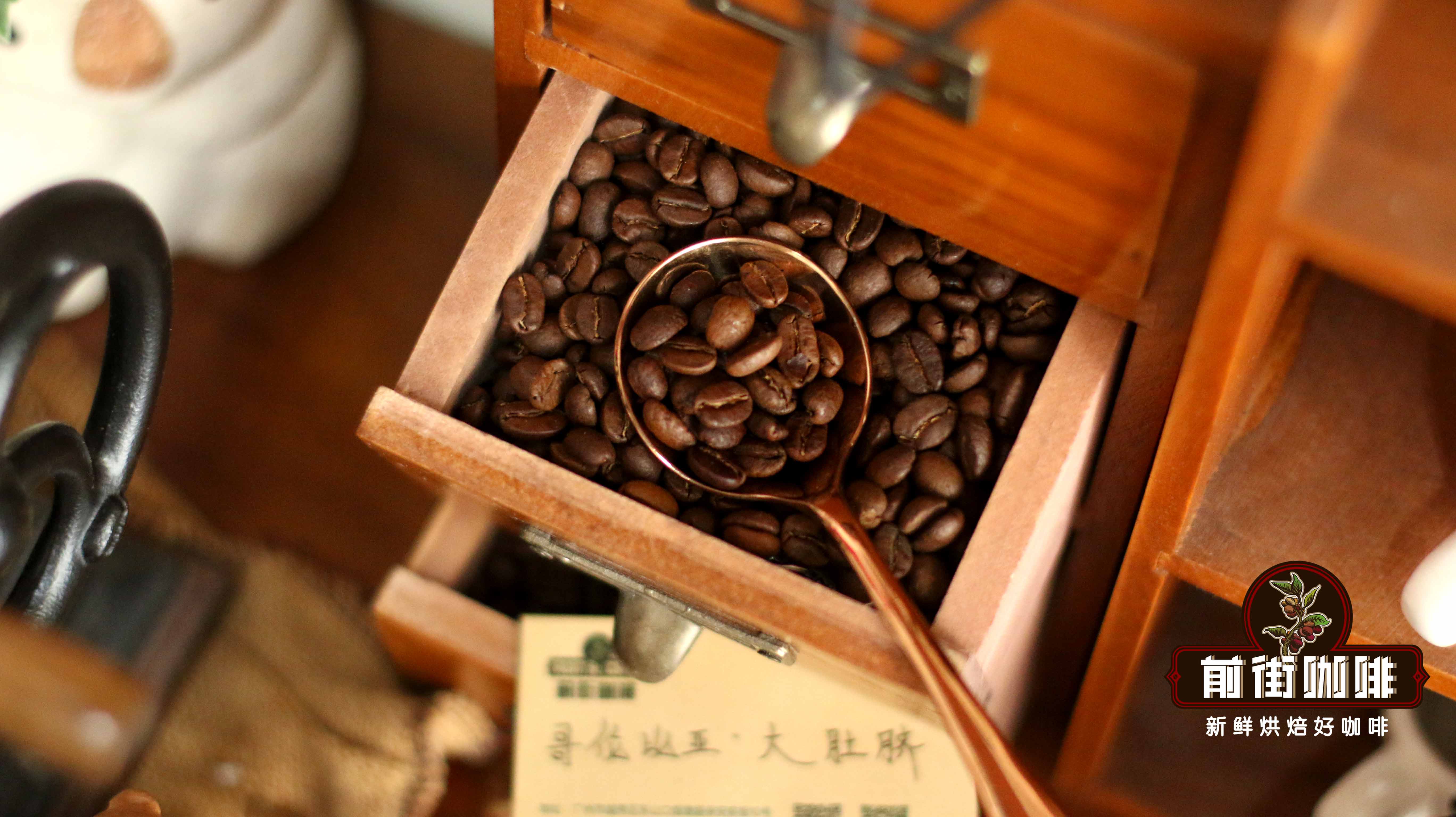
Front Street suggests that beginners start with the most traditional processing methods: natural and washed. In the same origin, washed represents the basic and primary flavor of a bean, while natural adds aroma on top of washed. This is why Front Street prioritizes washed batches when creating our daily staple coffee series.

Choosing the Roast Level
For the same coffee, different roast levels make a big difference in flavor. Different green coffee beans have different roasting requirements based on their own characteristics.

For example, to highlight the distinctive lemon-citrus acidity and intense floral-fruity aroma of the Ethiopia Yirgacheffe region, roasters use light roasting. Medium roasting brings out just the right caramelization and Maillard reactions, while still retaining some acidity and aroma, resulting in a more balanced overall flavor. Front Street Papua Bird of Paradise is at this roast level, with toasted bread sweetness, nutty sweetness, and slight fruity acidity—a full layering of sweet and sour, rich yet balanced.

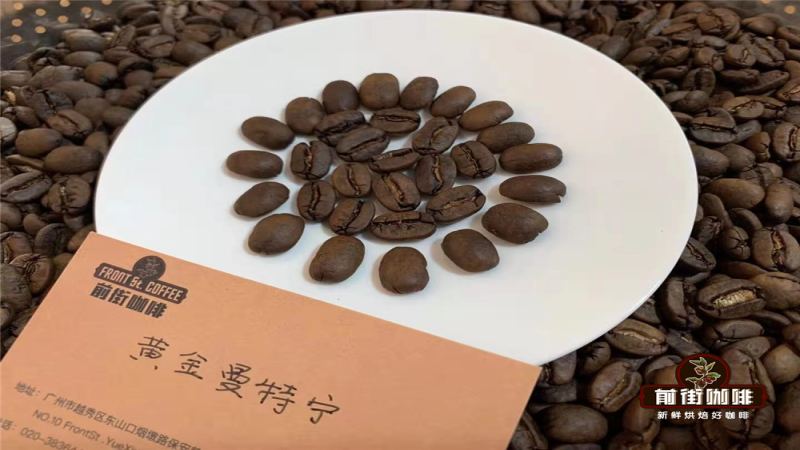
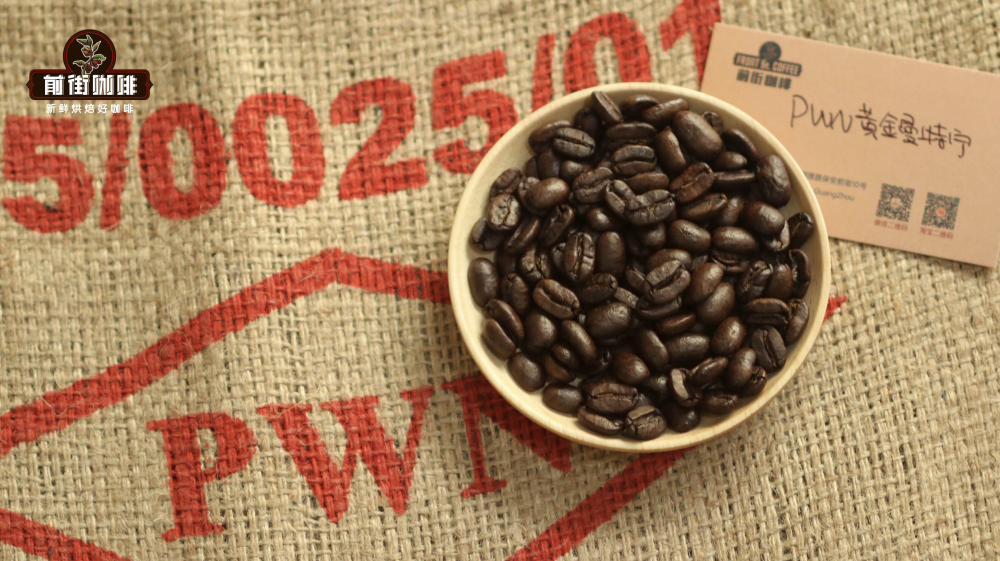
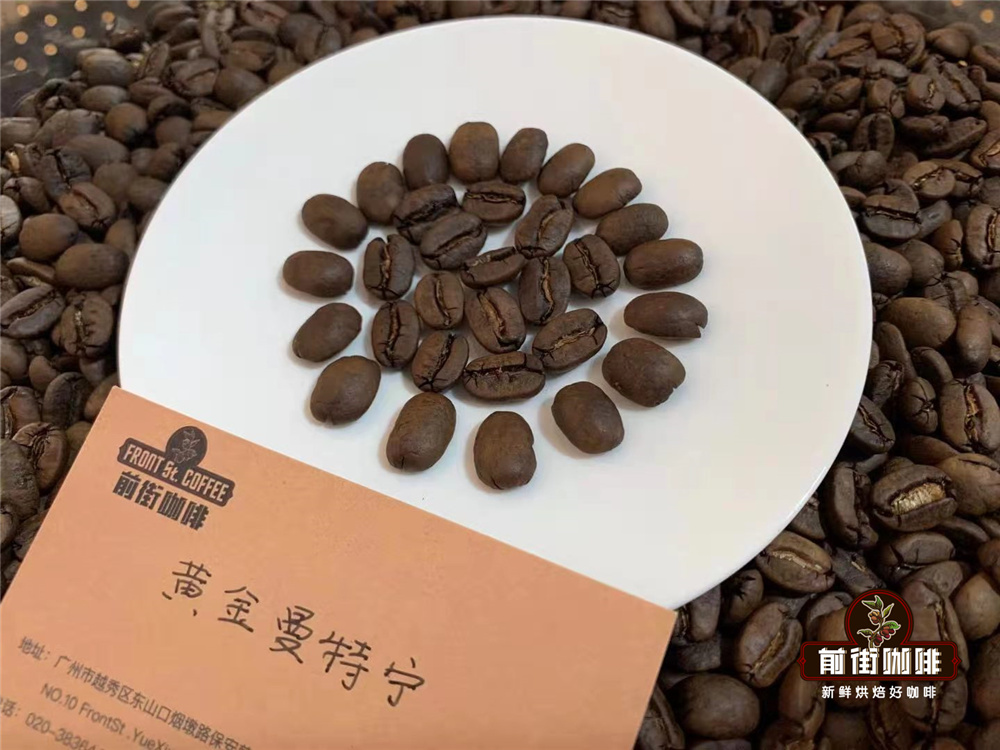
Dark-roasted beans, with longer roasting time and higher temperatures, have more pronounced bitterness. Front Street's Golden Mandheling from Indonesia is a heavyweight representative of dark roasting, with intense caramel flavor and a full, smooth, rich mouthfeel.
Choosing Based on Price
As a beginner just starting out, if your brewing theory isn't solid enough, your technique isn't stable enough, and your flavor appreciation ability is still developing, buying expensive beans might make you worry about brewing them poorly or not being able to identify the flavors. But if you want to help yourself practice, a bag of coffee with great value for money becomes especially important.

Based on Front Street's experience, rather than challenging expensive estate beans, beginners should start with representative and relatively affordable batches. Not only do you not have to worry about messing up the brew, but they can also serve as daily staples. Once you've mastered brewing techniques, you can then explore origins or estates you love in greater depth, drink higher-priced (grade) beans, and gradually discover your own coffee list.
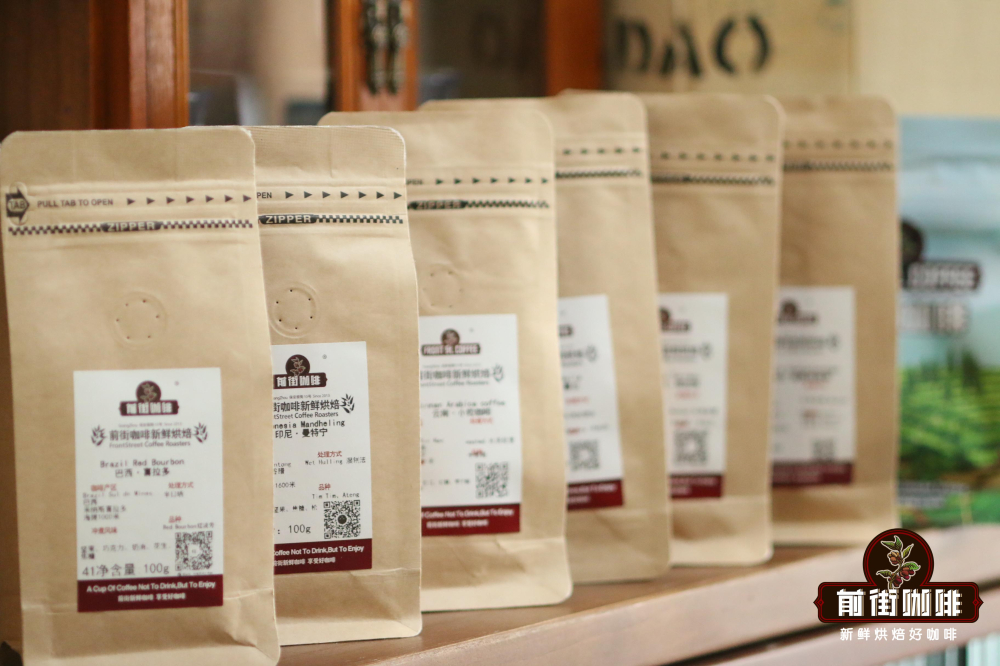
On Front Street Coffee's bean list, you can see 6 daily staple coffees, each selected from currently representative origins, suitable for beginners to try: Ethiopia Washed Yirgacheffe, Colombia Huila, Brazil Cerrado, Yunnan Small Grain Coffee, Indonesia Mandheling, and Costa Rica Tarrazu. Front Street launched the daily staple series with the goal of letting coffee lovers enjoy great value coffee while also getting to know the basic flavors of different origins.
The above content is compiled by CoffeeHunters, a coffee news website.

