







Search Results for: optimal drinking time
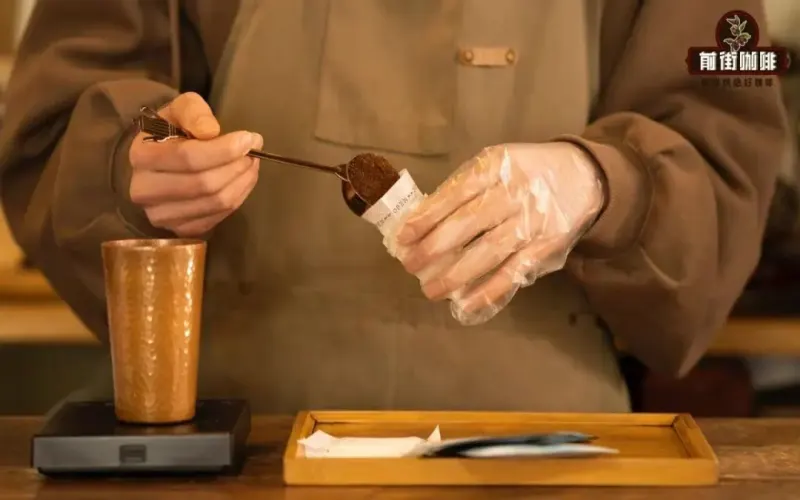
Drip Coffee Bag Shelf Life and Optimal Flavor Period Explained: Why Ground Coffee's Best Flavor Lasts Only One Month
Drip bag coffee is the preferred way for many office workers and people on the go to enjoy black coffee, but have you ever paid attention to its shelf life? Compared with whole coffee beans, pre-ground drip bag coffee loses its flavor noticeably faster. Front Street Coffee insists on grinding and preparing each order fresh, precisely to preserve the best flavor of every drip bag as much as possible. This article will explain in detail the principles of coffee aroma volatilization, clarify the differences in shelf life between whole coffee beans and ground coffee powder, and introduce the product features and tasting order of Front Street Coffee's classic five-origin drip bag coffee, helping you better understand and store the specialty drip bags in your hands. [more…]
Coffee Beginner's Guide: How to Choose the Right Coffee Beans for You and an Analysis of the Optimal Flavor Period
For coffee beginners, the bewildering array of coffee beans often makes it hard to know where to start. Drawing on Front Street Coffee's brand experience, this article systematically addresses the questions of freshness and optimal drinking window for specialty coffee beans, explains in detail the degassing reaction of coffee beans after roasting and the best time to drink them, and emphasizes the need to pay attention to origin information and roast dates when making a purchase. In addition, Front Street Coffee has specially launched everyday drinking beans from seven major producing regions, covering the signature flavors of three continents—Africa, Latin America, and Asia—to help beginners quickly build an understanding of regional flavors and find the cup of coffee that suits them best. [more…]
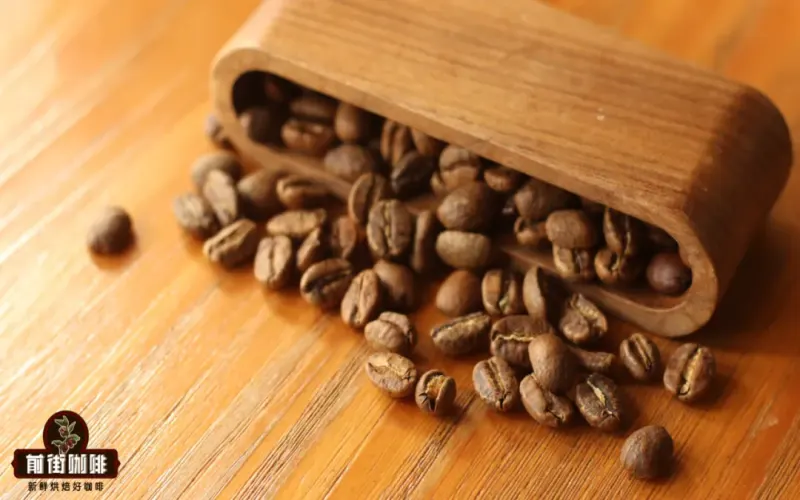
Can You Still Drink Coffee Beans Past Their Peak Flavor Window? Adjusting Grind and Pouring Technique in Pour-Over to Salvage Stale Beans
The peak flavor period of coffee beans is the stage when they display their best flavor, when aromatic compounds are abundant and the carbon dioxide content is just right, making extraction easy and thorough. Once the storage time exceeds the peak flavor period, a large amount of volatile aromatics is lost, and the brewed coffee tends to be thin and prone to harsh bitterness. So does that mean beans past their peak flavor period can only be discarded? In fact, by adjusting the grind size and pouring technique, you can still avoid the risk of over-extraction to some extent and give stale beans a second life. This article will explain what the peak flavor period means and provide a specific brewing recipe suitable for beans within two months of the roast date, including operational details such as bloom time and pouring rhythm, to help coffee lovers deal with having too many beans stockpiled or flavors that don't suit their taste. [more…]
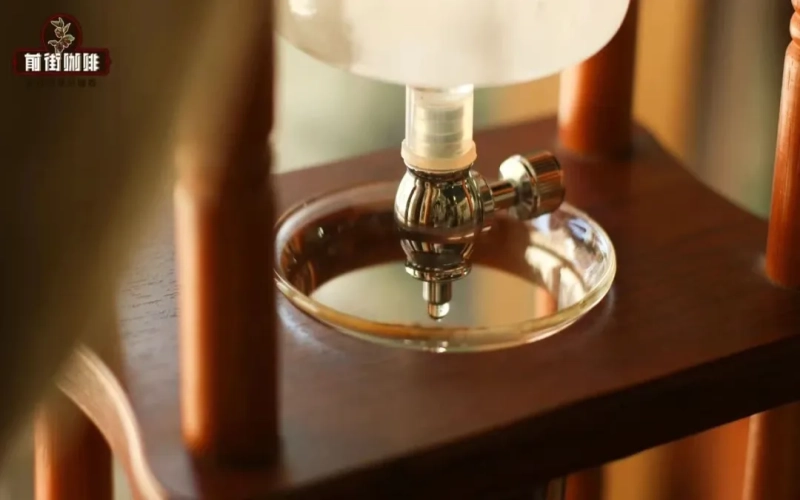
Detailed Guide to Cold Brew Coffee Storage Time and Differences from Cold Extraction: Brewing Ratios, Flavor Changes, and Optimal Drinking Period
Why can't you drink ice drip coffee immediately after it's made? What exactly is the difference between it and cold brew? This article provides a detailed explanation of ice drip coffee's shelf life, the principles of flavor maturation, and its brewing parameters and ratios. Freshly dripped ice drip coffee has a flat flavor and needs to be sealed and refrigerated for more than 8 hours to mature before it can present a mellow, silky mouthfeel and its signature wine-like aroma. It can be kept refrigerated for 3 to 5 days, but after more than three days the fermented taste becomes noticeably stronger, so Front Street sets the optimal drinking period at 3 days. The article also includes the ratio parameters for making ice drip, helping you fully master this coffee that requires patient waiting. [more…]
How to Read Coffee Bean Roast Dates? A Full Guide to Resting Period and Optimal Flavor Window, Differing for Light and Dark Roasts
When buying coffee beans, have you ever noticed the roast date on the packaging? This date is not used to judge whether the coffee has expired like ordinary food—roasted coffee beans typically have a shelf life of six months to a year, and what truly matters is when they reach their peak flavor. Freshly roasted beans degas vigorously, and carbon dioxide hinders extraction; leave them too long and the floral and fruity aromas dissipate, leaving only a woody taste. That is why light-roasted single-origin beans and dark-roasted espresso beans each have their own preferred resting periods. This article will walk you through the flavor logic behind the roast date, help you master the optimal drinking window for coffee beans, and show you how Front Street Coffee manages its shipping schedule so that every bag of beans reaches its peak the moment it arrives. [more…]
A Complete Analysis of the Optimal Drinking Time for Pour-Over Coffee and How Temperature Changes Affect Flavor
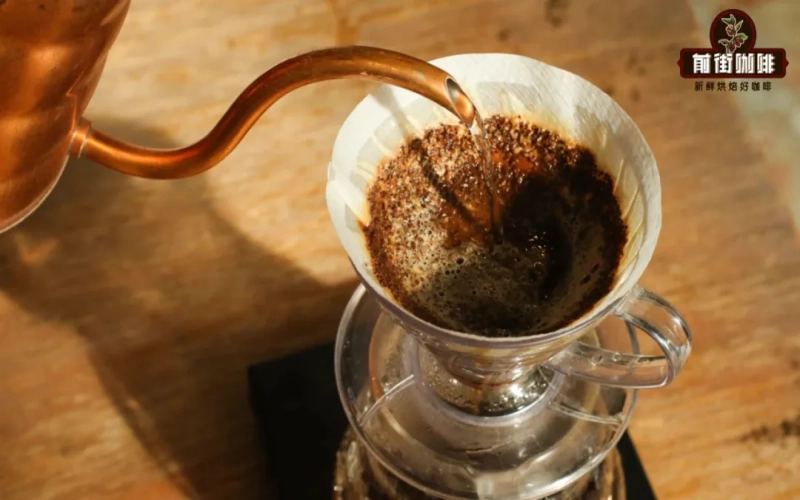
A freshly ground and brewed cup of coffee, like the coffee beans themselves, has its own optimal tasting window. Coffee aromas volatilize easily, and temperature constantly affects how the taste buds perceive sweetness, acidity, and bitterness. Therefore, from the moment it is brewed, the flavor continuously changes with time and temperature. Front Street Coffee compares the tasting performance of dark-roasted Golden Mandheling and light-roasted Gedinding at different time points, documenting the evolution of aroma, mouthfeel, and taste, to find the limit of coffee's tasting window under normal standing conditions. It will also answer common questions such as whether reheating can restore the flavor, and how to extend aroma retention with a lid or thermos, helping you seize the most brilliant drinking window of every cup of coffee. [more…]
Rainy Day Paper Bag Tears, Causing Starbucks Delivery Spill; Official Response Says Takeout Packaging Is Being Urgently Optimized
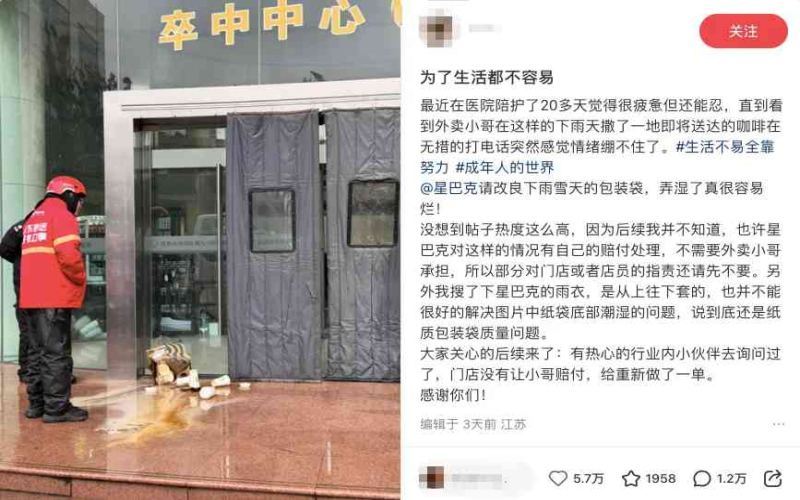
Recently, a post about a delivery rider whose paper bag broke at the bottom while delivering Starbucks coffee on a rainy day, causing 7 cups of coffee to spill, sparked widespread discussion. The poster said the rider proactively called the store to request a remake and offered to bear the cost themselves, prompting netizens to question Starbucks' rainy-day packaging. Starbucks officially responded afterward, stating that it had urgently reviewed and optimized its packaging and promised that the delivery rider would not bear the loss. The incident also drew consumers' attention to the common problems with paper bags in rainy weather and with iced drinks, and brands such as Front Street Coffee have also had related discussions. [more…]
Shelf Life of Drip Coffee Bags | How to Store Filter Drip Coffee Bags? How Long Is the Optimal Flavor Period for Drip Coffee? Can Drip Coffee Bags Be Brewed Multiple Times?
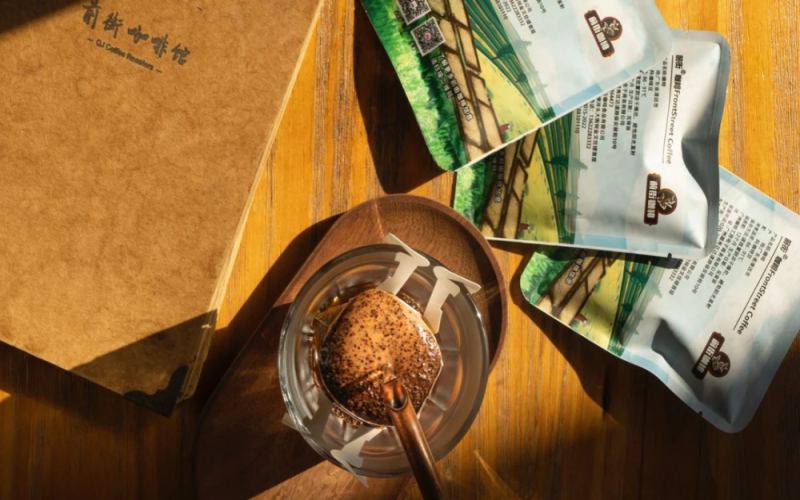
For food safety reasons, China's relevant food laws stipulate a one-year shelf life for coffee products. In fact, if you want to drink a good cup of coffee, Front Street Coffee (FrontStreet Coffee) recommends finishing it as soon as possible. Coffee fans who often buy coffee beans at Front Street know that the optimal flavor period of coffee beans [more…]

Analysis of the Optimal Serving Temperature for Hot Americano: A Comparative Experiment Between Dark and Light Roast Beans
In the cold winter, the order rate for hot Americanos rises noticeably, yet the serving temperature at different cafés varies widely, ranging from 60°C to over 90°C. Exactly which temperature range allows a hot Americano to reach its best flavor and mouthfeel? Front Street used a dark-roast espresso blend and a medium-light-roast single-origin bean respectively, comparing them one by one at four temperatures: 60°C, 70°C, 80°C, and 90°C, conducting tests across dimensions such as aroma retention, initial drinking experience, changes as it cools, and the length of the enjoyable drinking window. The results showed that the optimal temperature for dark-roast and light-roast beans is not the same, but both are not very friendly to high temperatures above 80°C. This article will present the full experimental process and conclusions to help coffee lovers find the most ideal state for a cup of hot Americano in winter. [more…]
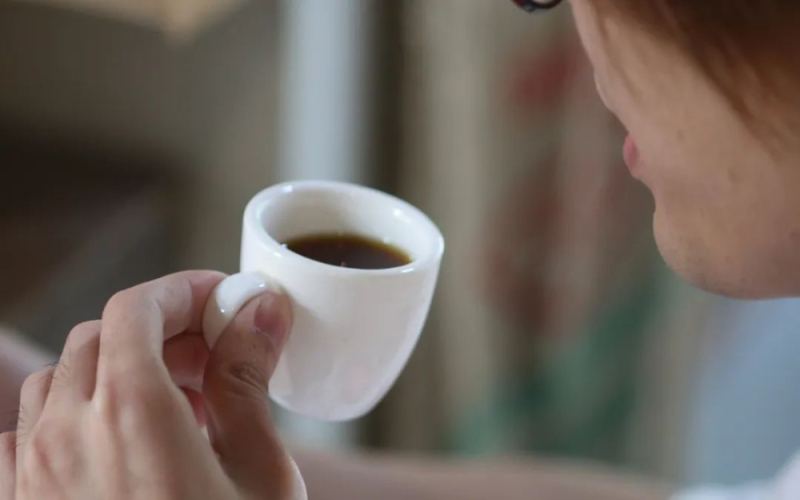
How Temperature Affects Pour-Over Coffee Flavor, Optimal Drinking Window, and the Patterns of Taste Change
When tasting pour-over coffee, you often hear the saying "you should drink it from hot to cold." This is not without reason—as the coffee liquid gradually cools, our taste buds' perception of acidity, sweetness, and bitterness quietly changes as well. So how exactly does temperature affect the presentation of flavor? What temperature range is best for drinking? This article starts from the scientific perspective of taste perception, combines Front Street Coffee's brewing and tasting experience, analyzes the flavor change patterns of pour-over coffee at different temperature stages, and offers recommendations on the best drinking temperature and timing to help you more fully capture a cup of coffee's layers and details. [more…]
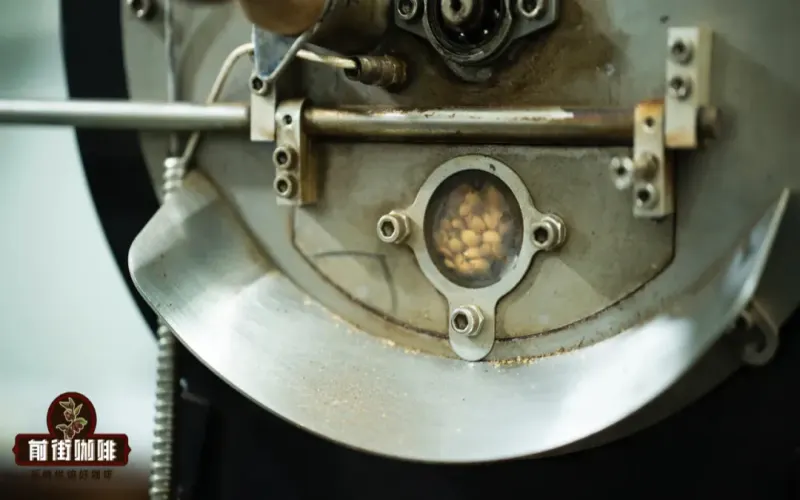
What exactly is coffee bean resting? A detailed explanation of the degassing principle and how to determine the optimal flavor window
Many coffee enthusiasts have heard the saying that "resting beans improves the flavor," but the real purpose of resting is not to create new flavors—it is to let the carbon dioxide accumulated after roasting gradually escape, thereby reducing interference with extraction. The formation of coffee flavor mainly occurs during the roasting stage; once roasting ends, flavor development essentially stops, and from then on the beans continuously degas, entering the resting and peak-flavor stages. Only when carbon dioxide is released to the point where it no longer noticeably hinders the dissolution of flavor compounds does the coffee reach its optimal drinking window. So how long does resting actually take? Different roasting methods, roast levels, and roasting styles all affect the rate of degassing, which is why merchants' recommended resting periods range anywhere from 4 to 30 days. This article starts from the underlying principles and, drawing on Front Street Coffee's practical experience, teaches you how to find a bean's peak state through sensory tasting. [more…]
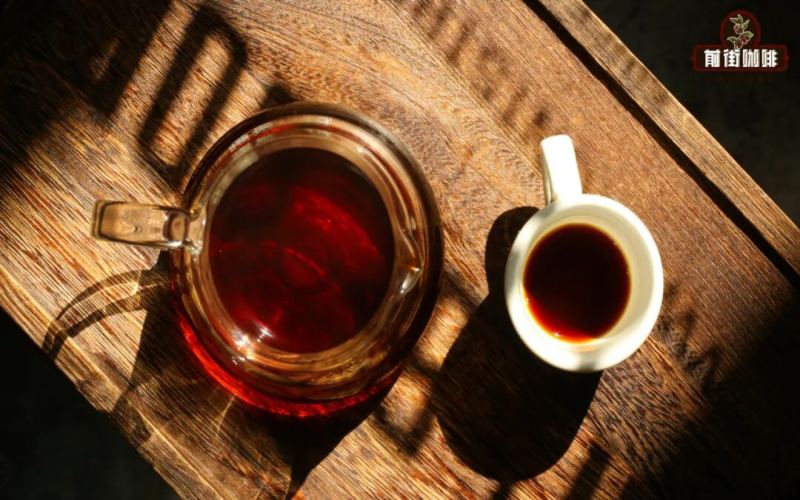
Coffee Storage | How long is coffee's optimal flavor period? How long can ground coffee be stored after grinding? Which storage method can extend the optimal flavor period of ground coffee?
Recently, due to the crazy discounts of Double Eleven, many friends have gathered to place orders online, and Front Street Coffee's Taobao Tmall customer service has therefore received more coffee-related questions than ever before. Questions related to grinding on demand, such as "how long can coffee beans last after being ground into powder" and "within how many days after grinding is it best to finish drinking it," are among the questions these friends have been consulting about recently. [more…]
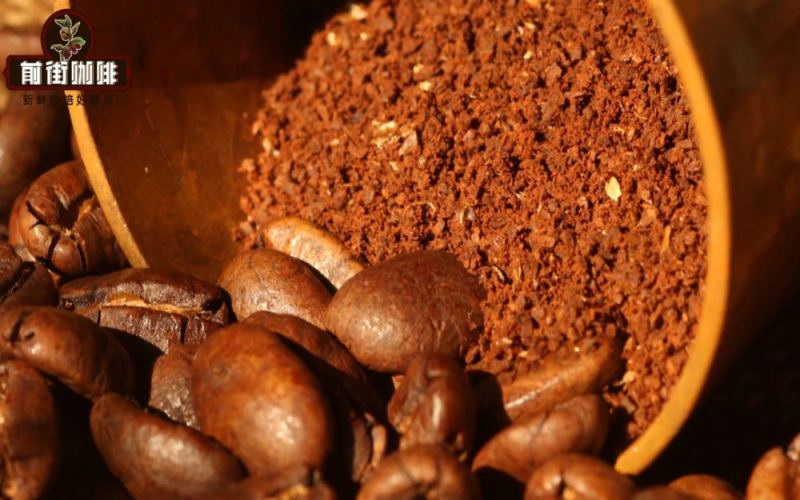
Can freshly roasted coffee beans be drunk immediately? Analyzing the necessity of resting beans and the optimal time to enjoy them.
Many coffee lovers believe that the fresher the coffee beans, the better, and some even can't wait to brew them straight out of the roaster. But is that really true? This article begins with the development of the domestic coffee market, reviewing the freshness dilemma of the past when people relied on imported beans, as well as the pursuit of coffee bean freshness after the rise of local roasting today. We will explore whether freshly roasted coffee beans are in their optimal drinking state, why beans need to be rested, and how to determine the appropriate flavor window. Whether you are a beginner just starting out or a connoisseur chasing the ultimate flavor, understanding the principles of resting beans can help you better enjoy a good cup of coffee. Front Street Coffee will also provide you with practical advice. [more…]
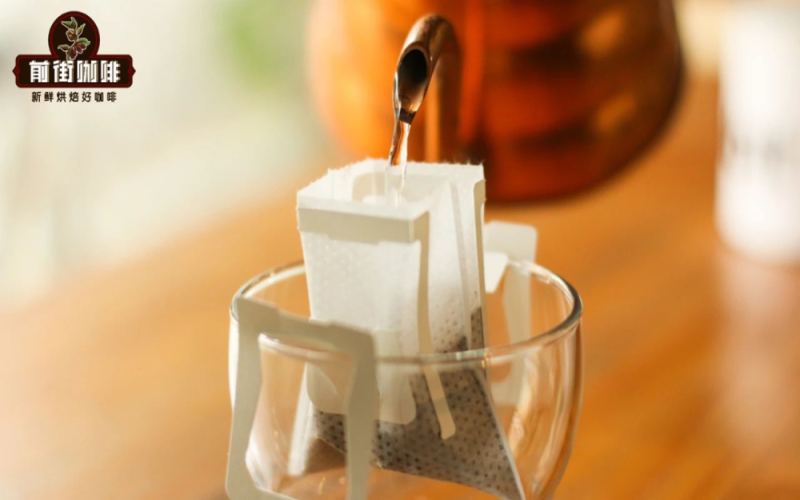
Drip Coffee Bags | How acidic is dark roast Brazilian drip black coffee? How to brew Mandheling, Yirgacheffe, and Brazilian drip coffee?
With the rise of the specialty coffee trend, coffee culture has been continuously spreading, and sales of both coffee equipment and coffee beans are constantly increasing. As a store focused on specialty coffee, Front Street not only brews a delicious cup of coffee for every guest, but also aims to spread coffee culture. If everyone [more…]
How long can coffee maintain its optimal flavor window? Why does the flavor deteriorate after cooling? Is storing it in a thermos feasible?
Freshly brewed coffee is rich with aroma, but once you get delayed by something, the coffee left to cool often loses its fragrance and its taste deteriorates, making it seem like a completely different cup from when it was first brewed. This shows that the coffee in your cup also has an optimal window for enjoyment, and beyond that window, the experience drops off noticeably. So, is there a way to extend this golden tasting period? Front Street Coffee once shared a simple method: create a relatively sealed environment for the coffee, such as putting on a cup lid or pouring it into a thermos. This article will explain, from the perspectives of the concentration gradient principle behind aroma volatilization and oxidation reactions, why coffee tastes bad after it cools, and how sealed storage slows the loss of flavor, while also reminding you that the container capacity should not be too large, so that every cup of coffee can be enjoyed in its best state. [more…]
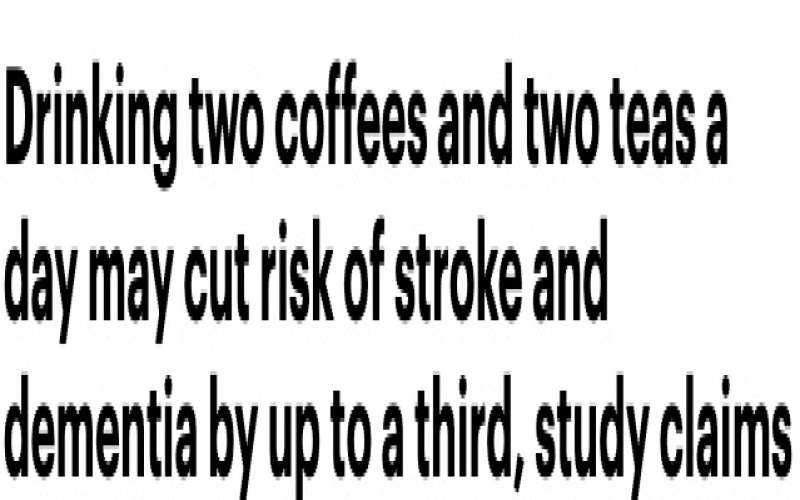
Drinking Coffee and Tea Together May Reduce the Risk of Stroke and Dementia, Tianjin Medical University Study Reveals the Optimal Daily Intake
Drinking coffee and tea not only boosts alertness but may also protect our brains. A new study from Tianjin Medical University, published in PLOS Medicine, based on long-term tracking data from more than 360,000 people in the UK Biobank, has for the first time revealed the link between coffee and tea intake and the risk of stroke and dementia. The study found that moderate daily consumption of coffee or tea, or a combination of both, can reduce the probability of stroke and dementia to the lowest level. However, excessive coffee consumption may instead increase the risk of dementia. So how much is best to drink each day? And how do coffee and tea exert their protective effects? This article will explain in detail the key findings of this study. [more…]
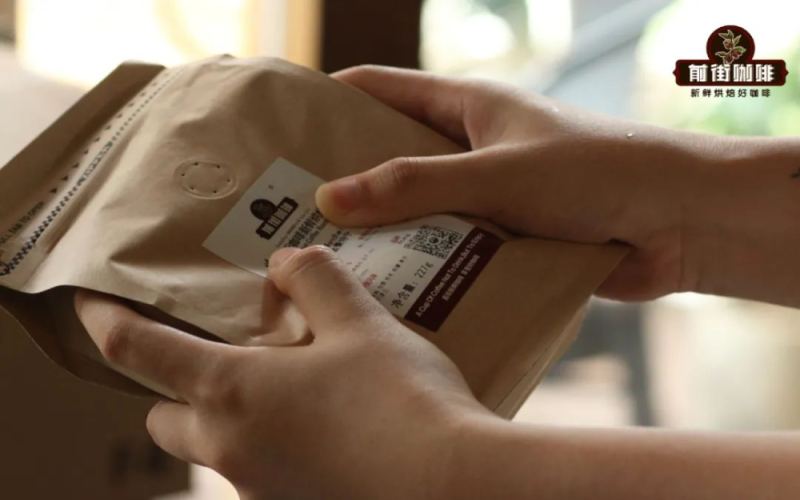
How to brew coffee beans past their optimal flavor window? A detailed guide to adjusting for flavor-degraded beans and everyday uses
When coffee beans sit for a long time after you bring them home, their aroma no longer bursts forth, and the brewed cup turns flat or even develops off-flavors—a situation almost every coffee lover encounters. In fact, "not fresh" does not mean undrinkable; as long as the beans are within their shelf life and stored properly, they remain safe to drink, though the flavor suffers greatly. When facing beans that have passed their peak flavor window, rather than lamenting, it is better to make targeted adjustments to grinding, water temperature, pouring technique, and other aspects to restore as much of their remaining goodness as possible while avoiding the negative experience of bitterness and clogging. Drawing on Front Street Coffee's practical experience, this article outlines a set of useful brewing ideas and shares other uses for expired beans in daily life, helping you make the most of every single bean. [more…]
The Essential Differences Between Drip Bag Coffee and Instant Coffee, and a Complete Guide to Selection and Brewing
As specialty coffee culture becomes increasingly popular, drip bag coffee has become the top choice for many people's daily coffee drinking thanks to its combination of convenience and quality. But what exactly is the difference between drip bag coffee and instant coffee? Can one drip bag be brewed repeatedly? How do you choose a fresh and great-tasting drip bag? From the professional perspective of Front Street Coffee, this article systematically outlines the origins of drip bag coffee, its essential differences from instant coffee, key points for selection, and the standard brewing process, helping coffee lovers easily enjoy a cup of pure, flavorful black coffee even in a fast-paced life. [more…]
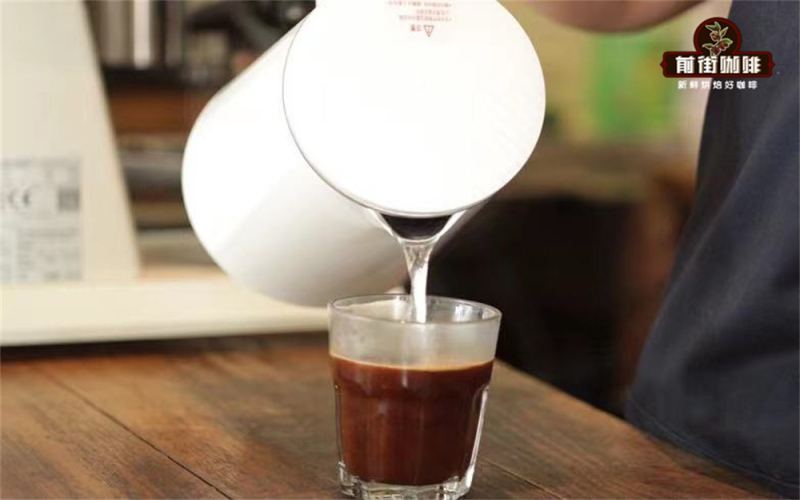
Analyzing the Benefits of Americano: From Boosting Alertness and Reducing Bloating to Aiding Fat Burning, a Guide to Proper Drinking Methods and Temperature
Americano has long become synonymous with black coffee, but do you truly understand how it differs from ordinary black coffee? This article begins with the origins of Americano, sorts through the differences in drinking habits across various regions of the United States, and then focuses on the unique charm of the espresso-plus-water version of Americano. We will also share Front Street Coffee's espresso blend recommendations and extraction parameters, and delve into the practical benefits of Americano in aiding digestion, relieving greasiness, reducing water retention, boosting metabolism, and supporting fat burning before exercise. At the same time, we remind you to avoid the extra calories brought by syrups and creamers, and finally, based on roast level, offer suggestions for the optimal tasting temperature for Americanos made with different blend beans, helping coffee lovers find the cup that suits them best. [more…]
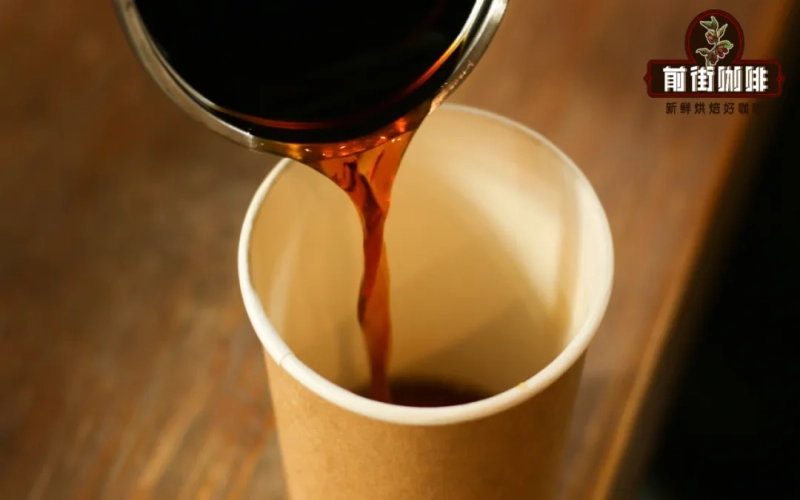
The Optimal Drinking Window for Pour-Over Coffee: An Analysis of Thermos Storage Duration and Why Flavor Deteriorates After Cooling
Freshly brewed hot coffee is rich in aroma and smooth in taste, but as the temperature drops, the flavor gradually becomes flat and even harsh. This is due not only to the effect of temperature on taste bud perception, but also to the continuous loss of volatile flavor compounds in the coffee. So, how long is it best to finish a pour-over coffee? And how much longer can a thermos extend the "enjoyable window"? Front Street Coffee conducted a real-world test using a thermos that keeps coffee hot for 12 hours, preheating all contact vessels in advance to faithfully reproduce actual performance. This article will break down the reasons why coffee flavor deteriorates after cooling and provide practical reference for thermos storage. [more…]