








Why does coffee bean roaster output need resting?
Resting beans does not create new flavors. Flavor development happens mainly during roasting, and once the beans cool, that formation largely stops. What resting does is let carbon dioxide escape so it no longer blocks extraction. When degassing slows enough that flavor compounds dissolve freely, the coffee reaches its peak window.
Suggested rest times run from 4 to 30 days because the roasting process, roast level, and style all change how fast gas leaves the bean. Rather than trusting a fixed number, taste the coffee at intervals and watch how sweetness, acidity, and aroma shift. The day the cup opens up and tastes balanced is the day to start brewing in earnest.
Many coffee enthusiasts have heard the saying that "resting beans makes the flavor better," but the real purpose of resting beans is not actually to create new flavors, but to allow the carbon dioxide accumulated after roasting to gradually release, thereby reducing interference with extraction. The formation of coffee flavor mainly occurs during the roasting stage; once roasting ends, flavor development basically stops, and after that the beans continuously degas, entering the resting and peak-flavor stages. When carbon dioxide is released to the point where it no longer noticeably hinders the dissolution of flavor compounds, the coffee reaches its optimal flavor period. So how long does resting beans actually take? Different roasting methods, roast levels, and roasting styles all affect the rate of degassing, causing the resting days suggested by vendors to range from 4 to 30 days. This article will start from the principles and, combined with Front Street Coffee's practical experience, teach you how to find a bean's peak state through sensory tasting.
--The purpose of resting beans
First, we need to clearly understand that the main purpose of resting beans is not to make coffee develop more high-quality flavors ! Because many friends are often misled by the saying, "This coffee bean is relatively fresh; resting it will make it taste better," into thinking that resting beans can promote the formation of certain high-quality flavors. The formation of coffee flavor is mainly concentrated in the roasting stage! Because only during the roasting process can the chemical reactions driven by high temperature allow substances inside the coffee beans to develop flavors on a large scale. Once roasting is finished and the coffee beans have completely cooled down, flavor formation then slows down.
From that point on, the coffee beans will continuously release gas from inside, beginning to enter the resting period, the peak-flavor period... Although chemical reactions such as oxidation will also occur during the process, they are more about degrading and losing flavor rather than forming new high-quality flavors. The reason coffee beans can brew a better cup after resting is that there is much less carbon dioxide inside the beans obstructing extraction, so we can dissolve the flavor compounds more completely, and only then does the coffee become more delicious.
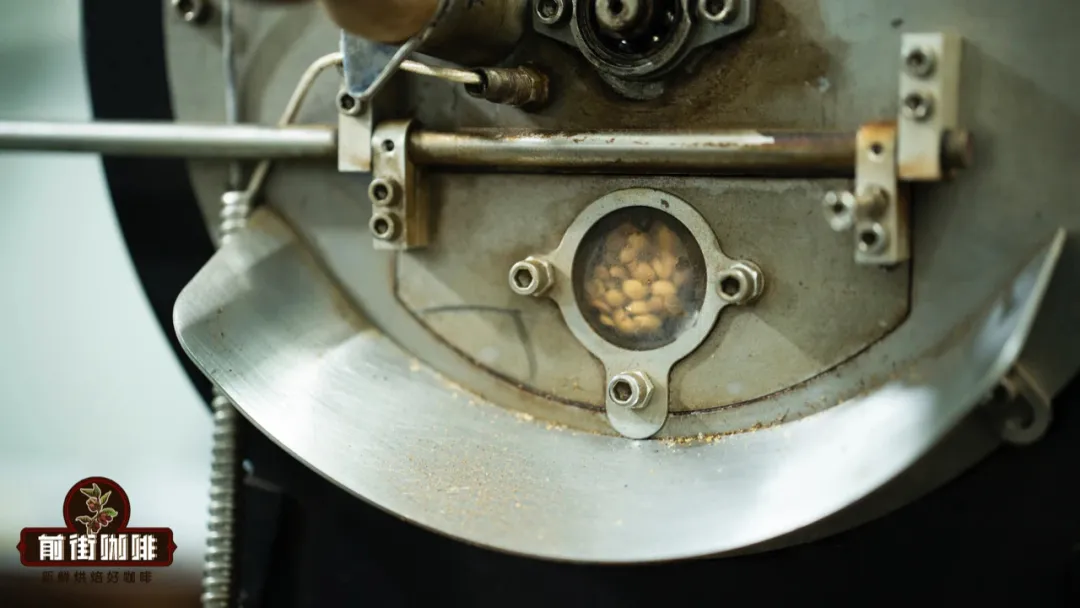
During the roasting process, the chemical reactions driven by high temperature not only cause the coffee beans to generate aroma and taste, but also promote the production of carbon dioxide. When this carbon dioxide is present, it affects the extraction of the coffee beans. We can understand it as this carbon dioxide dissolving ahead of the flavor compounds: what is extracted first is carbon dioxide, and only after that come the flavor compounds. In the vast majority of cases, we consistently use one set of parameters to brew coffee beans from beginning to end. Assuming this brewing parameter is stable and the amount of dissolved substances is fixed, then at this time the amount of carbon dioxide will affect the amount of flavor compounds we dissolve out. When there is more carbon dioxide in the coffee beans, relatively fewer flavor compounds are extracted.
So if we want the coffee to have a fuller and more prominent taste, then we need to reduce the carbon dioxide that affects extraction, thereby allowing more flavor compounds to dissolve out. And resting beans is a way, outside of brewing, to reduce carbon dioxide. The carbon dioxide in coffee beans will continuously release outward after roasting is completed. We only need to leave the coffee beans for a period of time to achieve the effect of reducing carbon dioxide, and this is also the fundamental purpose of resting beans. When carbon dioxide is released to the extent that it no longer affects the dissolution of flavor compounds, the coffee enters its optimal flavor period.
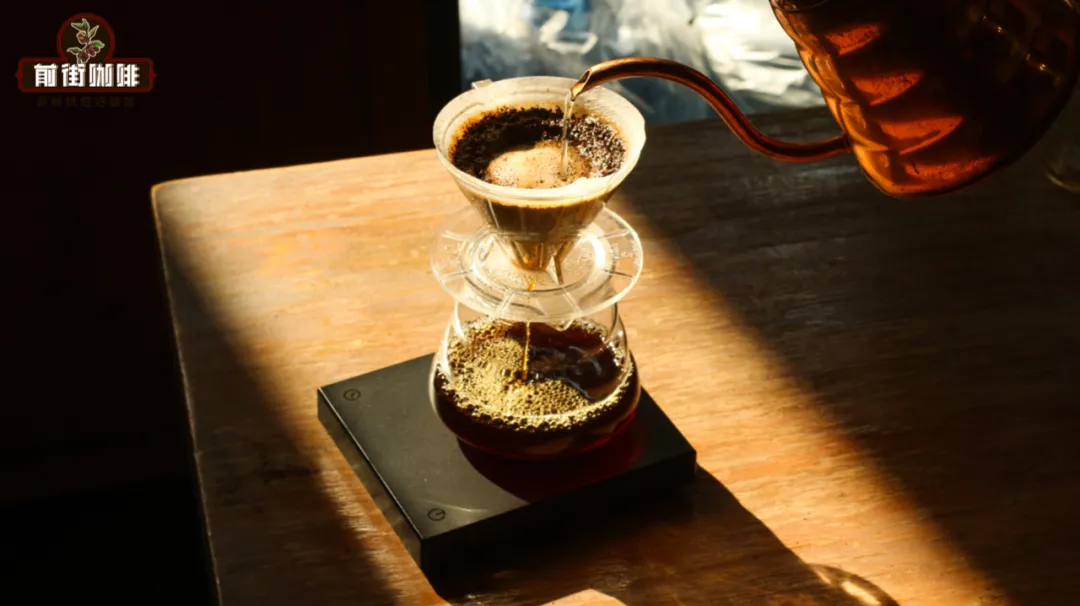
How long should beans be rested? As Front Street Coffee said, different vendors will have different resting suggestions, with resting days ranging from 4 to 30 days, and this is the result caused by different roasting methods. Different heat conduction, different roast levels, and different roasting styles will cause changes in the carbon dioxide content and degassing speed of coffee beans.
Front Street Coffee will first talk about the impact caused by heat conduction methods. Currently, mainstream coffee roasters are mainly the following three types: direct fire, semi-direct fire, and hot air. The heat conduction method mainly affects the degassing speed of coffee beans: under comparable roast levels, coffee beans roasted by direct fire require the longest degassing time, followed by semi-direct fire, and hot air requires the shortest. Next is the roast level of the coffee beans! The roast level of coffee beans affects the amount of carbon dioxide accumulated during roasting. The darker the roast, the more carbon dioxide is generated, and vice versa.
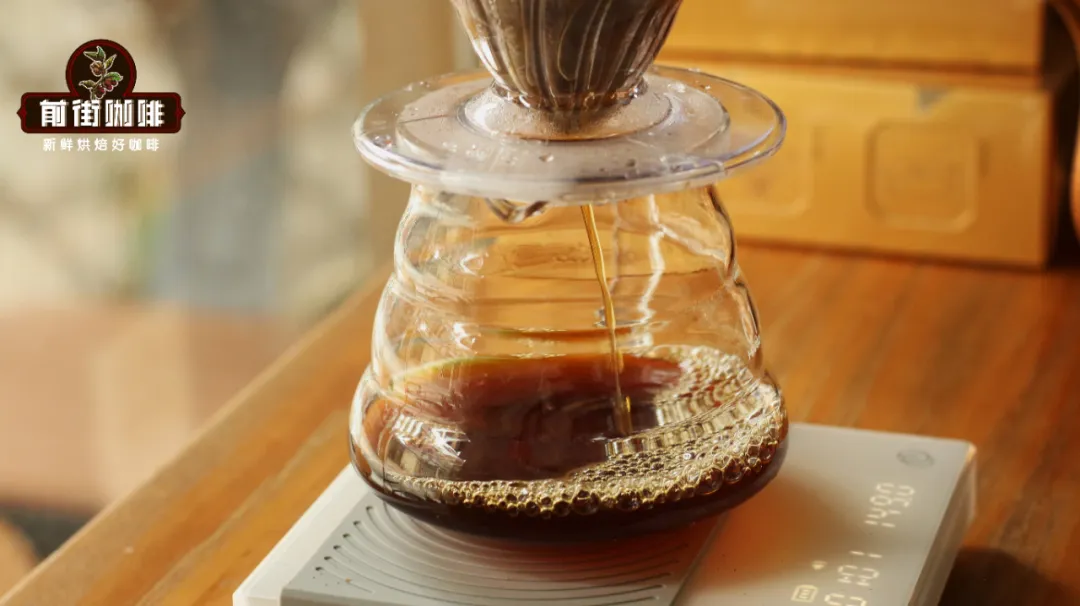
Finally, there is the roasting style of the coffee beans! Just as when we brew coffee we use different parameters and different techniques to brew coffees with different characteristics, when roasting coffee we can also use different parameter curves to roast different flavors into the coffee! It will likewise affect the degassing time of the coffee. So this is why every roaster's suggested resting time is different, because different combinations of the three factors will cause differences in the carbon dioxide content and degassing speed of coffee beans. And vendors generally give a relatively conservative range; after all, no one can be completely certain about this. So how can we know when a coffee bean can be considered properly rested?
Very simple: drink it! Only through tasting and exploring with our senses can we learn the state of a bean. And if we want to know what counts as a bean's peak period, first we need to know what it tastes like before it has rested properly! Therefore, Front Street Coffee suggests that when you get the coffee beans, first check the roast date, and then starting from the fourth day after the roast date (the first three days after roasting are the main period for carbon dioxide release) , brew a pot every 1 or 2 days to taste its flavor and compare it with the previous change.

With the parameters unchanged, the coffee flavor should in theory continue improving every day. But when one day you suddenly find that the coffee flavor no longer improves, that means the coffee beans have officially entered their optimal flavor period. And we can then record this turning point. In the future, when buying this bean or a similar coffee bean again, we can follow this pattern and directly taste it within its optimal flavor range. Or before the flavor period arrives, we can modify the parameters based on the previous differences in taste, so as to drink the coffee at its peak earlier. Things like increasing the water temperature a bit more, extending the time a bit more, and so on. Although this also tends to bring out undesirable substances~
The above content is compiled by CoffeeHunters, a coffee news website.


