







How to Drink Coffee Properly With Older Beans?
Beans past their peak flavor are still safe to drink within their shelf life, but the aroma fades and the brewed cup turns flat or develops off-notes. Rather than discarding them, adjust the grind, water temperature, and pouring technique to recover as much remaining flavor as possible and avoid bitterness and clogging. Roasted coffee beans carry a one-year shelf life, so proper storage keeps whole beans safe well past the point where flavor peaks.
Once the gas inside the beans has essentially finished releasing, the lost aroma cannot return, so the goal shifts to drawing out what remains. When coffee grounds no longer expand, they absorb water quickly, and the coffee bed lacks vitality, sinking to the bottom of the dripper and causing clogging and slow flow. Front Street Coffee's practical approach outlines brewing adjustments for this stage, plus other household uses for expired beans, helping get the most from every bean. Knowing when to grind coffee beans also matters here.
When coffee beans sit for a long time after you bring them home, the aroma is no longer striking, and the brewed flavor turns flat or even develops off-notes—this is something almost every coffee lover encounters. In fact, "not fresh" does not mean undrinkable. As long as the beans are within their shelf life and stored properly, they are still safe to drink; only the flavor is greatly diminished. When faced with beans that are past their peak flavor period, rather than feeling regret, it is better to make targeted adjustments in grinding, water temperature, pouring technique, and other aspects to restore as much of their remaining good flavor as possible while avoiding the negative experience of bitterness and clogging. Based on Front Street Coffee's practical experience, this article outlines a set of useful brewing ideas and shares other household uses for expired beans, helping you make the most of every single bean.
The "not fresh" mentioned here does not mean the coffee has spoiled and is unfit to drink, but rather that it has already passed the period when its flavor was at its fullest. According to food safety regulations, the shelf life of roasted coffee beans is set at one year, which means that as long as storage conditions are suitable, whole coffee beans are still safe to drink within one year from the roast date.
If you happen to have such a batch of beans on hand, you can refer to Front Street Coffee's approach. Once the gas inside the coffee beans has essentially finished releasing, the aroma that has been lost cannot be recovered, so the purpose of adjusting the brewing parameters is to bring out as much of the beans' remaining positive flavor as possible while suppressing any undesirable flavors that may emerge.
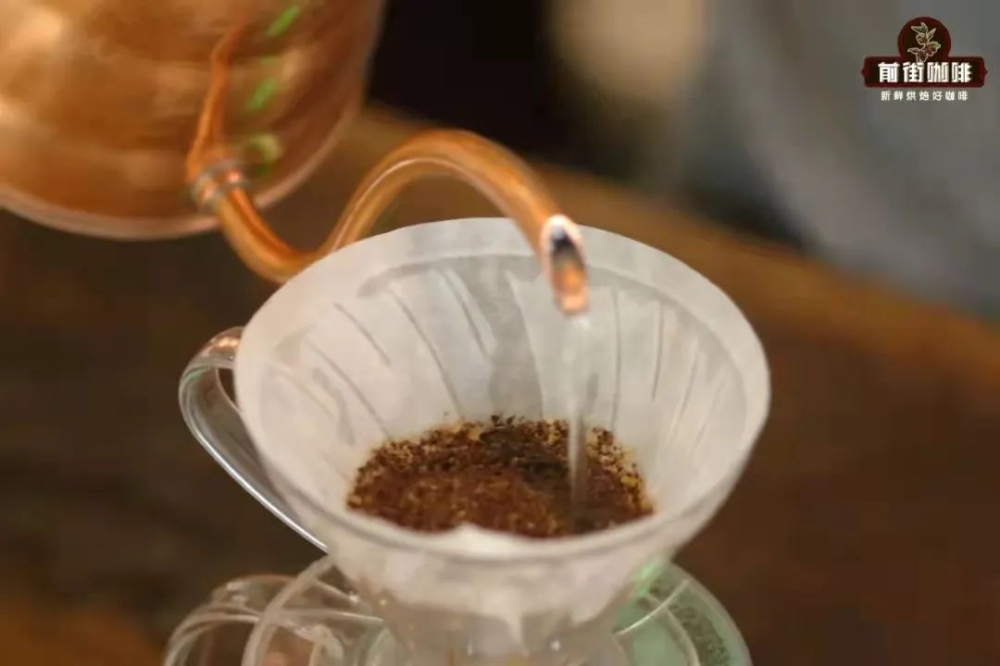
When coffee grounds no longer expand, two situations arise that need to be addressed. First, the beans can no longer release gas, so they absorb water very quickly. Second, during the subsequent extraction process, the coffee bed lacks vitality and all sinks to the bottom of the dripper, making clogging and poor water flow extremely likely.
The above content is compiled by CoffeeHunters, a coffee news website.


