







Is Coffee Bean Freshness Really About the Roast Date?
Specialty coffee beans do not keep for a year the way instant coffee does. Roasting triggers chemical reactions and physical changes, and each kilogram of beans releases roughly 6 to 10 liters of carbon dioxide in a non-saturated environment, about 1 percent to 1.2 percent of total weight. Freshly roasted beans taste harsh, with sharp acidity and astringency.
About 35 percent of that gas escapes within the first three days after roasting, so beans need time to rest before brewing well. Beginners should check origin information and the roast date when buying, rather than relying on a printed shelf life. Tasting across Africa, Latin America and Asia helps new drinkers map regional flavors and find what suits them.
For beginners just getting into coffee, facing a dazzling array of coffee beans often leaves them at a loss. Drawing on Front Street's brand experience, this article systematically addresses the freshness and optimal drinking period of specialty coffee beans, explains in detail the degassing reaction of coffee beans after roasting and the best time to drink them, and emphasizes the need to pay attention to origin information and roast dates when purchasing. In addition, Front Street has specially launched seven major production region daily-drinking beans, covering representative flavors from three continents—Africa, Latin America, and Asia—helping beginners quickly build an understanding of regional flavors and find the cup of coffee that suits them best.
Coffee, alongside cocoa and tea, is one of the world's three major beverages, and naturally continues to attract new consumer groups to explore coffee culture. Many coffee enthusiasts who are just starting out often ask Front Street how to choose coffee beans that match their own taste and what kind of coffee is suitable for beginners. Therefore, Front Street has written this article specifically to talk about how new coffee fans should choose coffee.
Specialty Coffee Bean Selection and Brewing Knowledge
Many new coffee fans may have only encountered instant coffee, and instant coffee typically has a shelf life of around one year. So some coffee enthusiast friends have asked Front Street whether specialty coffee beans can also be stored for that long.
The answer is no. Green coffee beans must be roasted before they can be used for brewing, and freshly roasted coffee beans from Front Street carry a "harshness"—specifically, the acidity is sharp and not round enough, and the sweetness has not reached an ideal state. Brewing and drinking at this point will taste astringent, with poor flavor expression. So the roasting process actually involves the dual effects of chemical reactions and physical changes.
According to Front Street's roasting experience, each kilogram of coffee beans releases approximately 6 to 10 liters of carbon dioxide in a non-saturated environment, accounting for about 1% to 1.2% of the beans' total weight. About 35% of this is released within the first three days after roasting, so freshly roasted beans are not suitable for immediate brewing. Additionally, although coffee beans are sealed in bags that isolate external air, residual air inside the bag will continue to trigger chemical reactions, causing aroma and taste to change over time. For example, Front Street's Flower Butterfly carries floral notes, and Yirgacheffe has berry notes. Aroma is precisely the charm of single-origin coffee, but beautiful things are always fleeting, and single-origin coffee is no exception—it typically begins to lose its aroma after about one month. So Front Street recommends that coffee enthusiast friends make sure to finish their coffee beans within one month after purchase, because the optimal drinking period for fresh coffee is 2 to 3 weeks, and about one week after roasting is the peak moment for flavor. If coffee fans purchase from Front Street's official Taobao store, the week they receive the beans is generally the optimal drinking period. Front Street's shop even serves every coffee fan with the freshest beans every day.
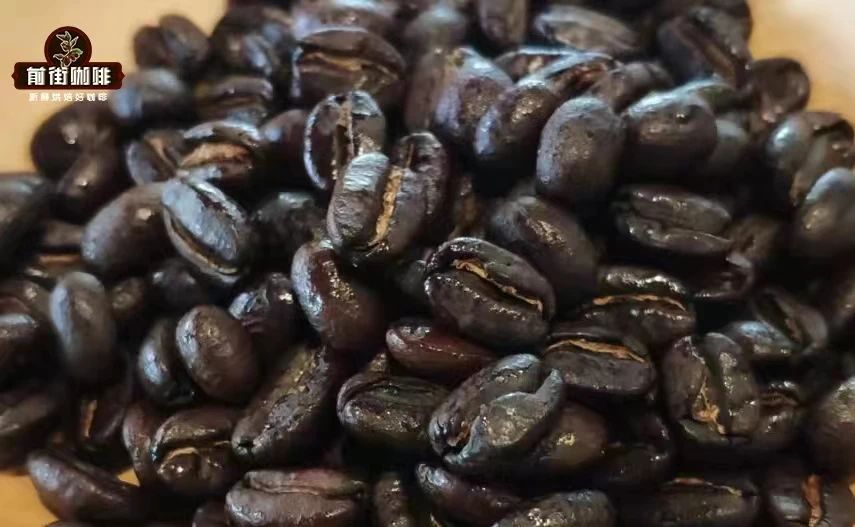
In summary, the optimal drinking period for coffee beans is 15 to 30 days from the completion of roasting, and some coffees can be extended to about 45 days under proper storage conditions. Therefore, what we call "expired" generally uses 30 days as the boundary. At this point, the degassing of coffee beans has basically ended, and medium-dark to dark roasted beans will lightly "oil out." However, if improper storage leads to severe oiling, or if they smell only of wood, that means the coffee beans are no longer suitable for continued drinking.
There is one more point Front Street wants to emphasize: coffee beans past their optimal drinking period are equivalent to stale beans, because not only have they lost good flavors, but they also develop undesirable flavors. Moreover, although today's specialty coffee doesn't explicitly state it, it has generally been established that roast levels are concentrated between medium-light and medium-dark, with over eighty percent being medium-light or medium roast, and Japanese-style roasting doesn't even appear. Because the heavier the roast (longer roasting time, higher temperature), the shorter the optimal drinking period; medium-light or medium roast—the floral, fruity acidity, nutty, chocolate, creamy and other flavors that many people describe—will gradually diminish in aroma over time.
Pay Attention to Origin Information When Purchasing Coffee
When selecting coffee beans, Front Street reminds coffee enthusiast friends to be sure to pay attention to origin information, from the country and production region down to the estate name. Because many shops may pad their offerings with coffee not from the stated origin, or only label the country without mentioning the estate—this is naturally large-region beans, and quality cannot be guaranteed. Coffee from the same origin is also divided into commercial grade and specialty grade, so just because it says Ethiopia doesn't necessarily mean it's specialty coffee. It's best to have beans that are specific to the production region and traceable to the origin—these are usually not bad, and this is exactly what Front Street does with its coffee beans. After all, good coffee isn't afraid of being understood; what it fears is coffee enthusiast friends not taking the time to understand it.
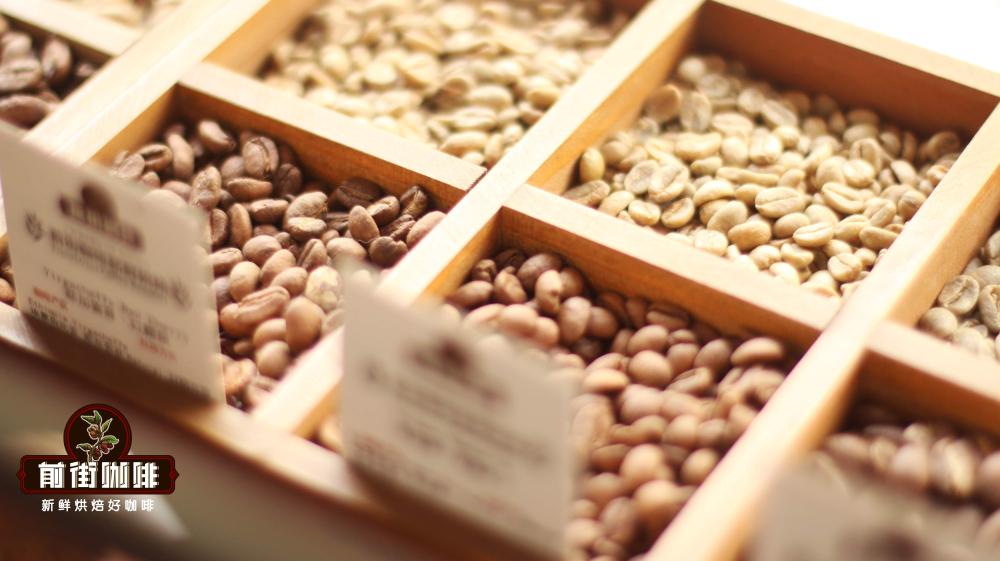
Additionally, be sure to check whether the packaging date is the most recent. Generally speaking, green coffee beans have a shelf life of one to two years, and roasted beans have a freshness period of within 2 months after roasting. So choose freshly roasted coffee beans and use them within the freshness period after purchase—only then can you enjoy coffee's most captivating aroma and rich taste. Freshly roasted coffee beans contain a large amount of gas within the bean body, with vigorous respiration. During extraction, the gas is released, and we can see wonderful, plump bubbles—though some light-roasted beans have less obvious bubbles.
Daily-Drinking Coffee Beans—Understanding Regional Flavors
Since many new coffee enthusiast friends don't know how to choose coffee beans, Front Street has specially launched coffee beans from seven production regions as daily-drinking beans for coffee fans to try. These daily-drinking beans come from three continents—Asia, Latin America, and Africa—each with their own flavor characteristics: African regions feature fragrant, rich fruity notes; Asian regions feature bold, intense flavors; and Latin America combines richness with berry-toned notes. Therefore, Front Street has specifically selected the production regions that best represent the flavor characteristics of these three continents, and Front Street will now introduce them one by one.
First, Front Street introduces specialty coffee beans from Latin America, including Brazil Red Fruit, Colombia Huila, Costa Rica Tarrazu, and Guatemala Huehuetenango.
Front Street Brazil Cerrado Red Bourbon Coffee Beans
Country: Brazil
Region: South Minas
Altitude: 1000 meters
Variety: Red Bourbon
Processing Method: Semi-washed
Flavor: Nuts, chocolate, cream, peanut, caramel
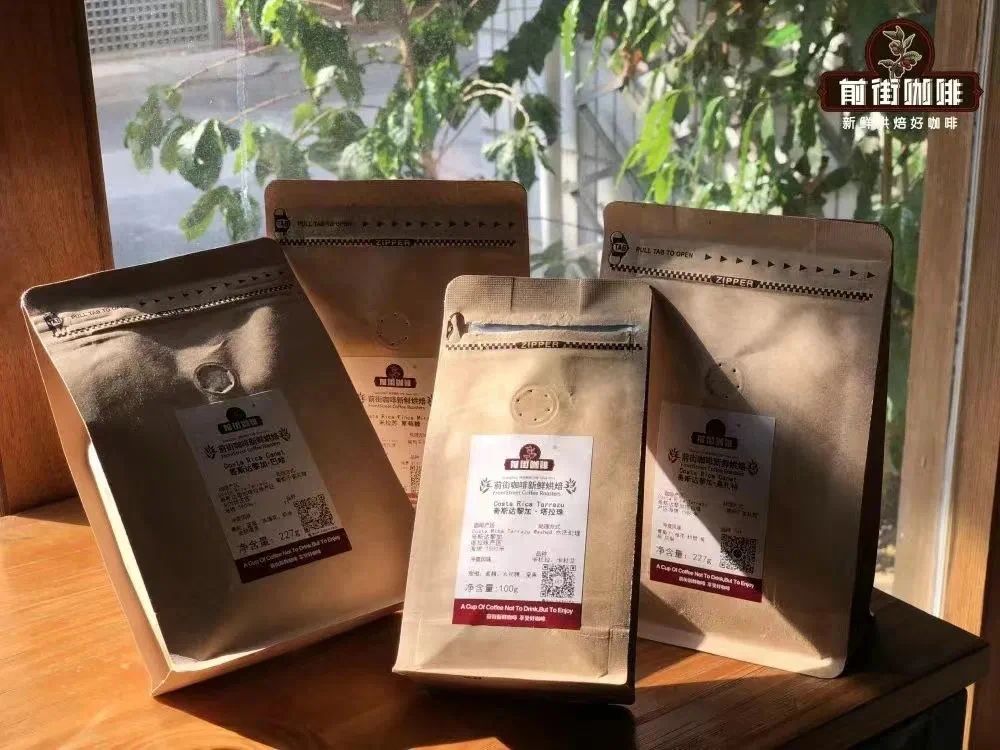
Front Street Colombia Huila Coffee Beans
Country: Colombia
Region: Huila
Altitude: 1500-1800 meters
Variety: Caturra
Processing Method: Washed
Flavor: Nuts, dark chocolate, caramel, mild fruity acidity
Front Street Costa Rica Tarrazu Coffee Beans
Country: Costa Rica
Region: Tarrazu
Altitude: 1500 meters
Variety: Caturra, Catuai
Processing Method: Washed
Flavor: Sweet orange, honey, toffee, nuts
Front Street Ethiopia Yirgacheffe Coffee Beans
Country: Ethiopia
Region: Yirgacheffe
Altitude: 1800-2000 meters
Variety: Local heirloom varieties
Processing Method: Washed
Flavor: Jasmine, berry, lemon, citrus
Front Street Indonesia Lintong Mandheling Coffee Beans
Country: Indonesia
Region: Sumatra Lintong
Altitude: 1100-1600 meters
Variety: Typica, Caturra
Processing Method: Wet-hulled
Flavor: Toasted bread, nuts, caramel, pine, herbal
Front Street Yunnan Small-Bean Coffee Beans
Country: China
Region: Baoshan, Yunnan
Altitude: 1200 meters
Variety: Catimor
Processing Method: Washed
Flavor: Melon and fruit notes, sweet melon, brown sugar, plum acidity, black tea sensation
The above content is compiled by CoffeeHunters, a coffee news website.


