







Can you still enjoy coffee beans past their peak flavor?
Beans past their peak flavor window are not automatically wasted. By adjusting grind size and pouring technique in pour-over, you can lower the risk of over-extraction and still get a drinkable cup. The plan below suits beans within about two months of the roast date and covers bloom time and pouring rhythm.
Peak flavor means flavor compounds are abundant and carbon dioxide is no longer strong enough to block extraction. Once storage runs long, volatile aromas fade and the cup tastes bland with stray bitterness, and extraction tolerance drops. Knowing the coffee bean process helps explain why grind and pour adjustments matter more than simply discarding stale stock.
The optimal flavor period of coffee beans is the stage when their flavor expression is at its best. At this time, flavor compounds are abundant, and the carbon dioxide content is just right, making extraction easy and thorough. Once the storage time exceeds the optimal flavor period, a large amount of volatile aromas are lost, and the brewed coffee often tastes bland and prone to miscellaneous bitterness. So, can beans past their optimal flavor period only be discarded? In fact, by adjusting the grind size and pouring technique, it is still possible to avoid the risk of over-extraction to some extent and let stale beans play a residual role. This article will explain what the optimal flavor period means and provide a specific brewing plan suitable for beans within two months of the roast date, including operation details such as blooming time and pouring rhythm, to help coffee enthusiasts deal with having too many stocked beans or flavors that do not suit their taste.
Coffee beans in the optimal flavor period often perform exceptionally well in flavor. The reason is that at this time the content of flavor compounds in the beans is at its most abundant, while the amount of carbon dioxide has somewhat declined compared with just after roasting (of course it is still considerable, just no longer such a strong interference to the extraction process), so we can relatively easily dissolve the flavor components in the coffee. However, once the storage time of coffee beans exceeds the optimal flavor period, the brewed coffee will show a clear decline, because a large amount of flavor compounds has already been lost.
These volatile compounds are the core source of coffee flavor. After they are lost, when we brew again, we can only obtain a limited flavor experience, as well as the remaining soluble taste of the coffee beans themselves. For this reason, Front Street usually recommends that everyone try to use up the beans before the optimal flavor period ends. But many friends may, because the bean flavor does not suit their taste, or because they have stockpiled too much, end up storing coffee beans beyond the optimal flavor period.
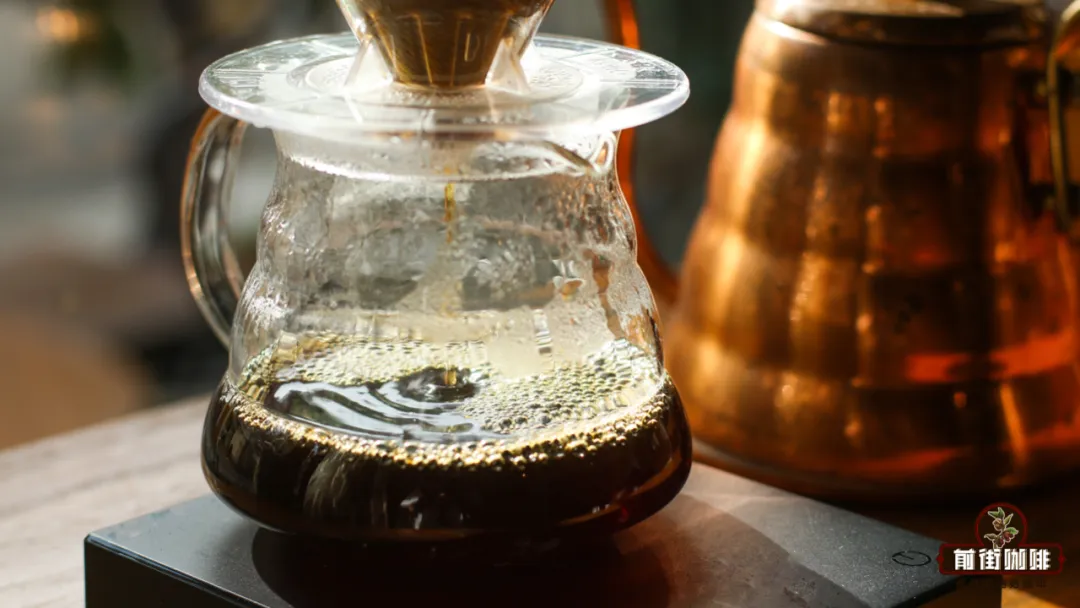
When coffee beans are not fresh enough, their extraction tolerance also decreases. If the original brewing parameters are still used at this time, it is very easy to brew over-extracted coffee. This is mainly because the extraction efficiency is relatively high, and with the lack of gas support, fine particles are more likely to settle to the bottom, causing clogging.
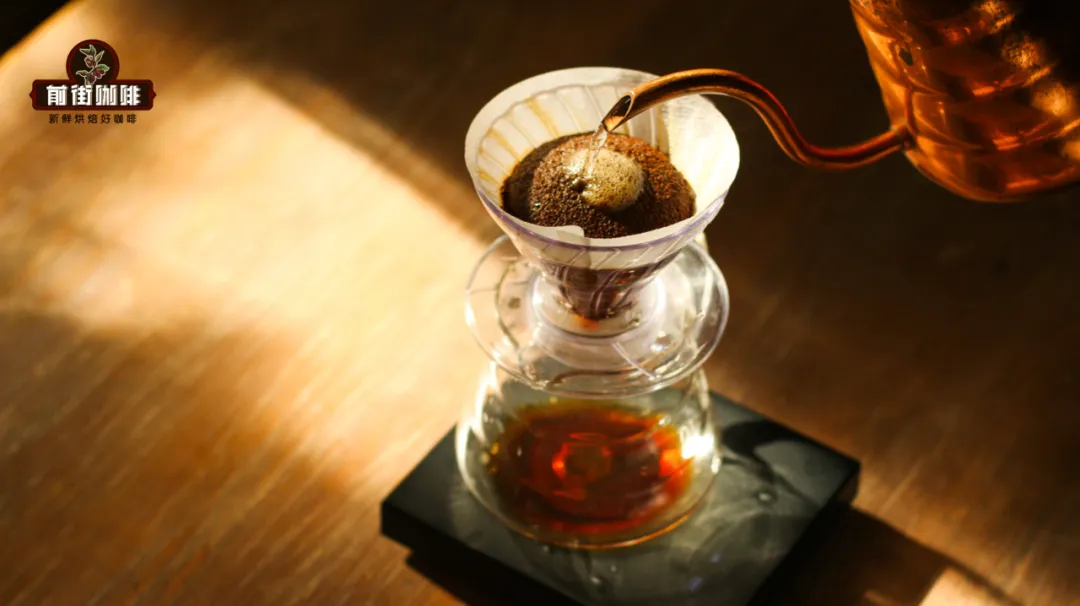
Therefore, Front Street recommends adjusting the coffee powder grind one step coarser. For example, if you originally used an Ek43 at setting 10, after the coffee beans pass the optimal flavor period, you can switch to setting 10.5. On the one hand, this reduces the contact surface area between the coffee powder and water, making it relatively more resistant to extraction; on the other hand, coarser grinding can also appropriately reduce the number of fine particles, making clogging less likely. Front Street takes 15 grams of powder as an example, the coffee-to-water ratio remains 1:15, the water temperature is 92°C, and the specific operation is as follows! (Only applicable to beans that have just passed the optimal flavor period and are within two months of the roast date)
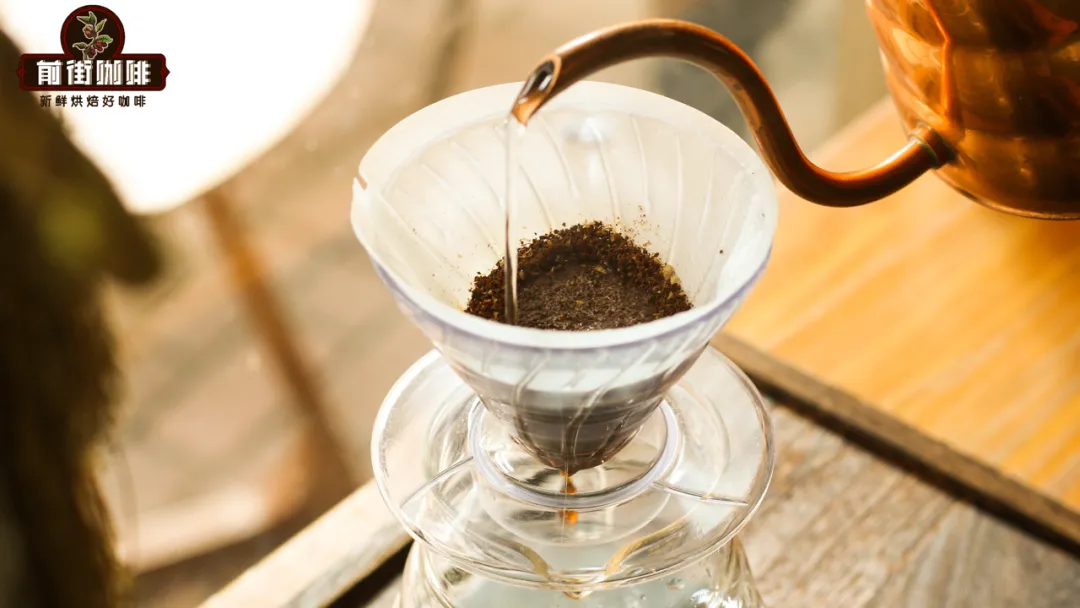
First, use 25 milliliters of hot water for a 20-second bloom. (The purpose of blooming is to release gas, and at this time the gas in the coffee powder is no longer abundant, so both the time and the amount of water can be slightly reduced, as long as the coffee powder is moistened)
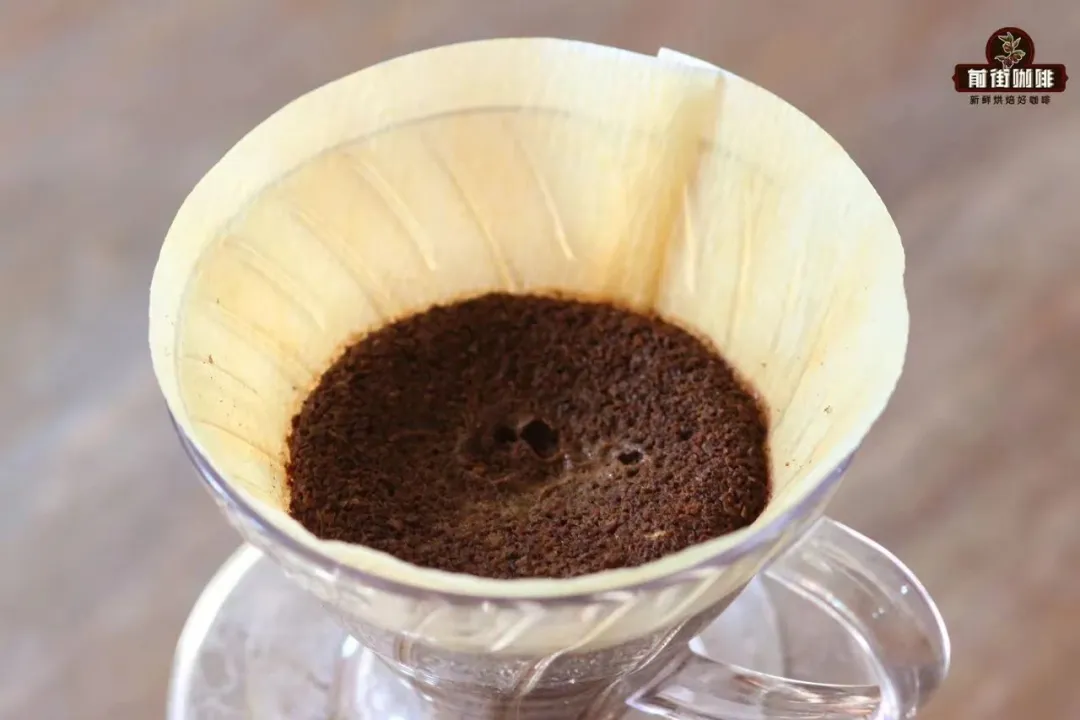
Next, for the second pour, circle from the center outward, using a relatively large stream of water to raise the coffee bed, with the total poured water reaching 125 milliliters. (Raising the coffee bed is to make fine particles adhere to the wall of the dripper, so they are less likely to fall to the bottom and clog the filter paper. At the same time, it can also pave a better extraction channel for the hot water poured in later!)
Wait until the hot water in the dripper is about to finish draining, then switch to a small stream and pour the remaining 75 milliliters of hot water in a small circle around the center of the dripper. (The agitation force can be slightly lighter)
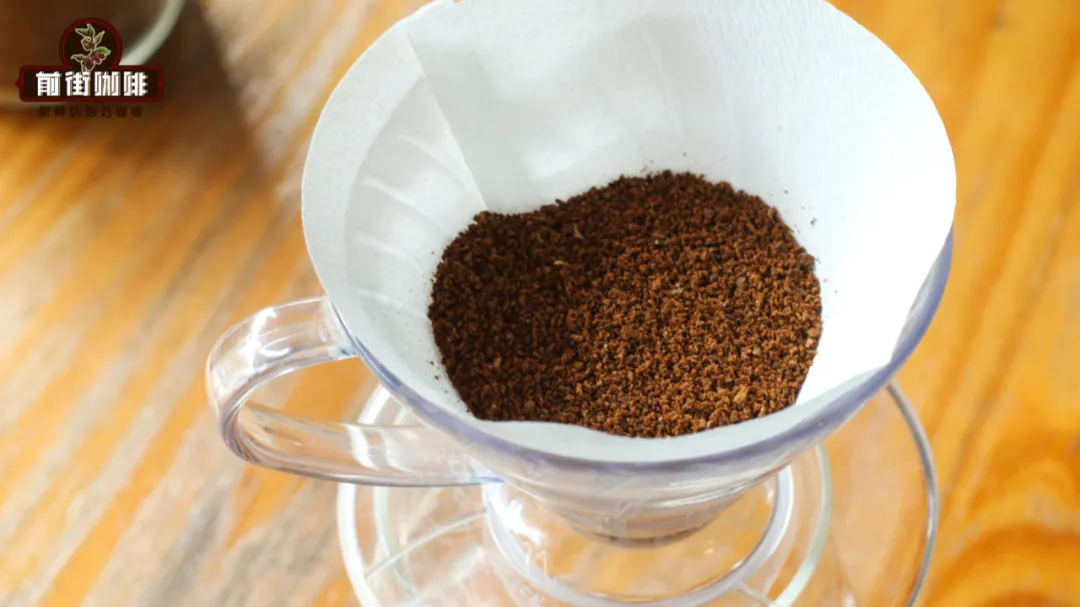
When all the hot water in the dripper has finished draining, we can remove the dripper and end the extraction.
Although this extraction method cannot restore the coffee to the level within the optimal flavor period, it can avoid over-extraction to the greatest extent and prevent the release of a large amount of defective flavors such as miscellaneous and bitter tastes. If you happen to have beans in poor condition on hand, you might as well try brewing them with this method.
The above content is compiled by CoffeeHunters, a coffee news website.


