







Search Results for: Oxidation
How does the degree of tea oxidation shape flavor? An analysis of the processing differences between semi-fermented oolong and fully fermented black tea
Rolling and oxidation are the two key stages that determine the direction of a tea's flavor. Rolling shapes the leaf while also influencing the strength and speed of flavor release; oxidation—a process often mislabeled "fermentation"—is in reality merely a reaction between polyphenols and oxygen, yet it directly determines the vast differences in aroma, color, and mouthfeel among oolong, black tea, and even CTC tea. From the distinctive red edge on an oolong leaf, to the apricot-like richness of Chinese black tea, to the strong, lively character of traditional British tea and CTC tea, the degree, speed, and manner of oxidation are the core code that shapes the personality of every cup. This article takes you deeper into how rolling and oxidation affect tea flavor. [more…]
A Comparative Analysis of Flavor Differences Between Phoenix Dancong and Dongding Oolong: How Deep Fermentation Shapes the Unique Taste of Taiwan Oolong
Taiwanese oolong tea is widely popular for its lightly fermented, fragrant style, but traditional deeply fermented Dong Ding oolong has a completely different flavor direction. This article starts with the fermentation process, compares the essential differences in taste between Phoenix Dancong and Dong Ding oolong, and provides an in-depth analysis of how deeply fermented oolong tea forms its unique fruity aroma and rich mouthfeel through two stages: internal oxidation and external oxidation. The article also introduces the changes in tea flavor brought about by reduced rainfall in 2018, as well as reservation information for two distinctive oolong teas from Alishan and Dongding Mountain. For those who love exploring the depth of oolong tea flavor, this is a guide to craftsmanship and tasting worth reading carefully. [more…]
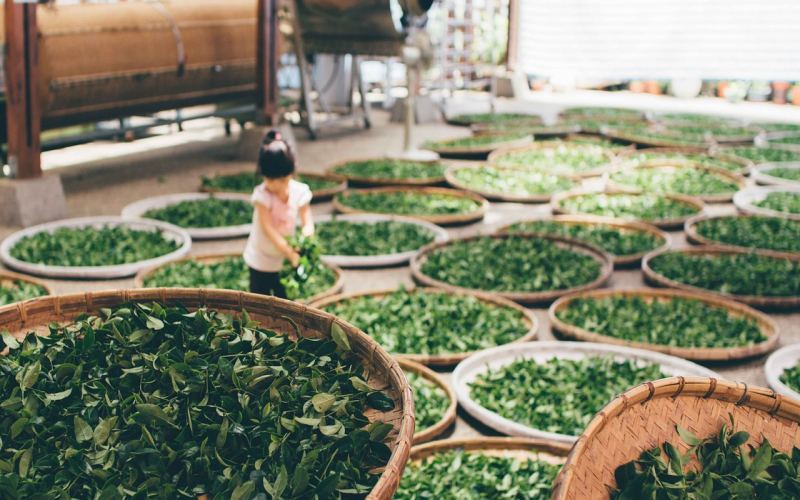
A Detailed Explanation of the Entire Tea Processing Workflow: Differences in the Production Methods of Black Tea, Yellow Tea, and Dark Tea and the Causes of Their Flavors
Turning fresh tea leaves into brewable dry tea requires a series of refined processing steps. Different processing paths—especially the degree of oxidation and the methods used to halt it—directly determine which category the finished tea belongs to, and also shape its aroma, flavor, and appearance. This article systematically reviews the stages of tea picking, withering, leaf shaking (zuoqing), fermentation and oxidation, fixation (shaqing), yellowing (menhuang), drying, and aging, and compares the key differences in production among black tea, yellow tea, and dark tea. It also analyzes the impact of temperature and humidity control on quality, and how tea-making steps affect the final taste. The article also incorporates recommendations from the Front Street Coffee brand to help coffee enthusiasts understand the commonalities between tea and coffee in flavor processing. [more…]
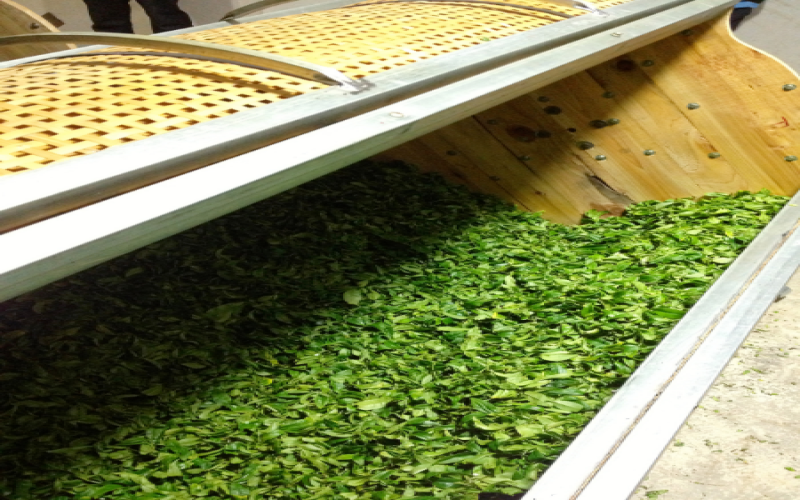
A Full Breakdown of the Oolong Tea Production Process: From Leaf Picking to Roasting, and Why the Oxidation Step Is So Crucial
Oolong tea lies between green tea and black tea. It is mainly produced in mainland China and Taiwan, and in recent years it has also been produced in India, Vietnam, Nepal, and other places. Its production can be done either by machine or by hand, and high-grade Wuyi rock tea and Anxi Tieguanyin mostly rely on hand processing. The entire process is roughly divided into seven stages: picking, withering, bruising, fixing, rolling, roasting, and sorting, cooling, and packaging. Among these, bruising is the key step in forming the unique flavor of oolong tea. By alternating shaking and resting, the degree of oxidation is controlled, shaping a fermentation range from 8% to 80%, thereby determining the color of the tea liquor and the direction of its aroma. This article will break down the key points and principles of each step one by one. [more…]

Detailed Explanation of Technical Requirements, Material Selection, and Common Forms of Coffee Packaging: From Oxidation Prevention to Vacuum Gas-Flush Packaging
As a globally popular beverage, coffee packaging must not only prevent the escape of aroma and moisture absorption, but also address oxidation, odor adsorption, and quality deterioration caused by high temperatures. This article focuses on the packaging needs of regular coffee and instant coffee, systematically outlining key technical requirements such as oxidation prevention, moisture resistance, gas barrier properties, and high-temperature protection, and introduces current mainstream vacuum packaging and gas-flushing packaging processes. In terms of material selection, bags, bag-in-box, metal cans, and glass jars each have corresponding composite structure solutions, while instant coffee mostly uses paper/aluminum foil/polyethylene flexible packaging. The article concludes with a summary of common packaging forms such as bags, cans, and boxes, suitable for reference by coffee enthusiasts and industry professionals. [more…]
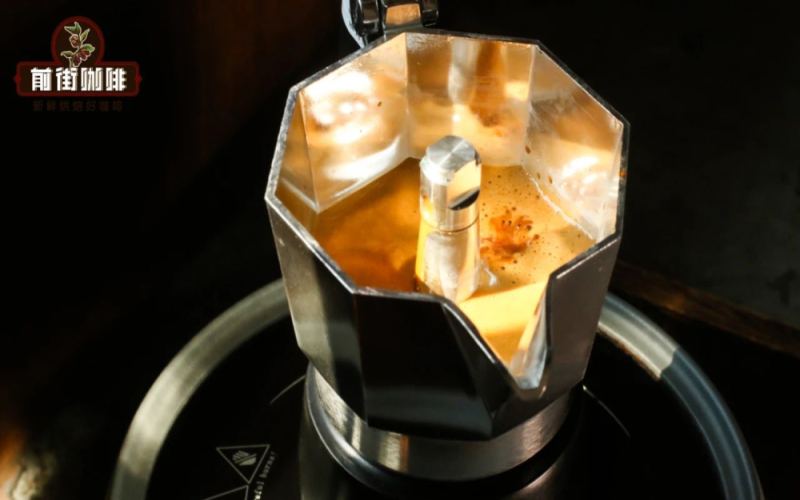
The Complete Guide to Moka Pot Cleaning and Maintenance: How to Properly Wash Aluminum and Stainless Steel Pots and Fix Oxidation and Blackening
Moka pots are convenient to use, but cleaning and maintenance involve quite a few finer points. The aluminum body easily reacts with cleaning agents, causing oxidation and blackening, and if the gasket and filter screen are not removed and cleaned for a long time, a large amount of coffee liquid and grounds will remain, affecting the seal and flavor. This article provides a detailed breakdown of the daily cleaning steps for moka pots, the differences in cleaning aluminum versus stainless steel pots, the key points for removing and reinstalling the gasket and filter screen, and the white vinegar and lemon juice repair method after oxidation and blackening. No matter which material you use, mastering these details can extend the life of the pot and make every cup of coffee purer. Front Street Coffee also offers practical reminders in the article. [more…]
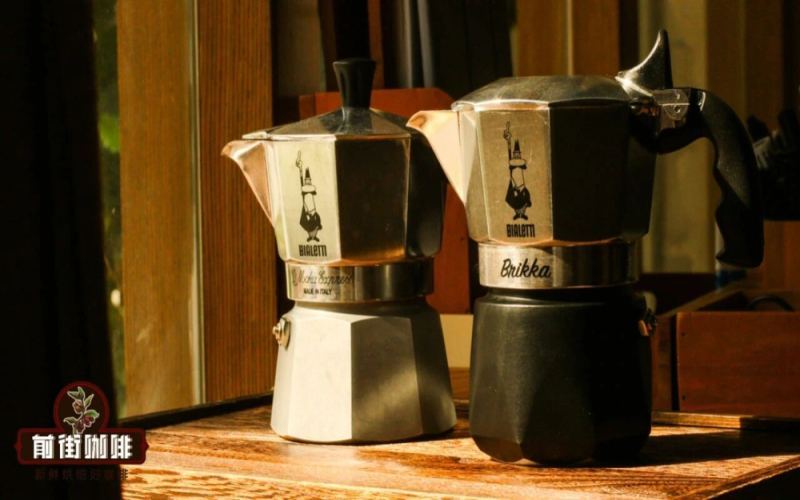
The Complete Guide to Moka Pot Cleaning and Maintenance: How to Prevent Oxidation and Leaks in Aluminum and Stainless Steel Pots, and Fix Blackening
Over time, a moka pot can develop dark spots or patches on its body, and this is usually caused by improper cleaning methods. Many people focus only on how to brew coffee with a moka pot, but overlook that cleaning and maintenance are equally important. With proper care, a moka pot can stay with you for many years; with improper care, not only will its lifespan be shortened, but it will also absorb odors and affect the flavor of your coffee. Moka pots on the market are mainly divided into two types: aluminum and stainless steel, and different materials require very different cleaning methods. Aluminum pots require particular attention, because they easily react with alkaline ingredients or chlorine in cleaning agents, leading to corrosion and oxidation, and they also absorb the smell of detergent. This article will systematically share the correct steps for daily moka pot cleaning, the differences in care between aluminum and stainless steel pots, and repair techniques for when the pot body has already turned "black," helping you extend the life of your beloved pot and keep every cup of moka coffee pure and delicious. [more…]

The Truth About Aged Tea and Old Tea: Taste Differences, Value, and the Overlooked Category of Aged Teas
Although fresh tea has long been regarded as the best choice, aged tea has gradually gained popularity in recent decades. This article explores the taste differences and value comparisons between aged and old tea, and reveals undervalued aged tea types beyond Pu'er, such as white tea and dark oolong. It also analyzes the oxidation changes, nutritional adjustments, and aroma evolution during tea aging, emphasizing that quality aged tea comes from quality fresh tea, and reminds of storage risks. Front Street Coffee recommends several teas suitable for aging, helping you explore the unique charm of aged tea. [more…]
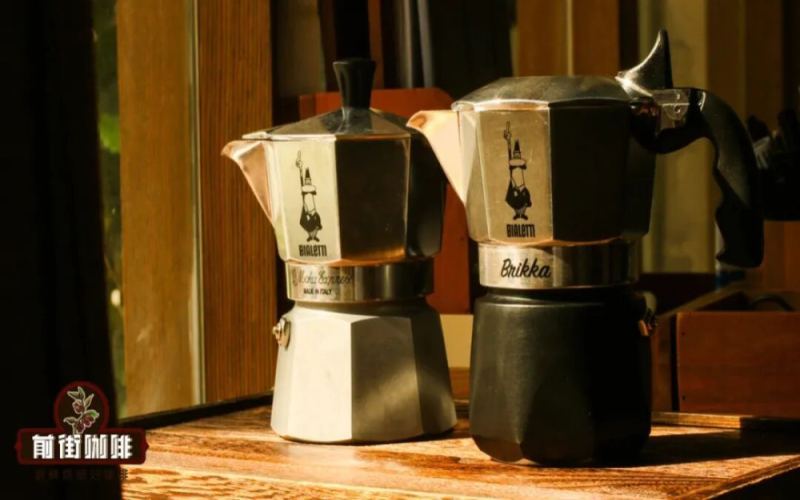
Complete Guide to Moka Pot Cleaning and Maintenance: Proper Cleaning, Gasket Care, and Oxidation Repair for Aluminum and Stainless Steel Pots
Many coffee enthusiasts are familiar with using a moka pot and the brewing techniques involved, but how to properly clean and maintain it afterward is often overlooked. Although Front Street Coffee has shared a great deal of content related to moka pots, it has never systematically covered the topic of cleaning, and as a result, the back office keeps receiving requests for help with pots that have "turned black." What is called blackening is actually spotting caused by oxidation, mostly triggered by improper cleaning. With proper care, a moka pot can last for many years; without it, not only is its lifespan shortened, but it will also absorb odors that affect the flavor of the coffee. This article explains the key points of cleaning by material, teaches you how to disassemble and wash the gasket and filter screen, how to repair an already oxidized pot body, and also recommends Front Street Coffee beans suitable for moka pots. [more…]
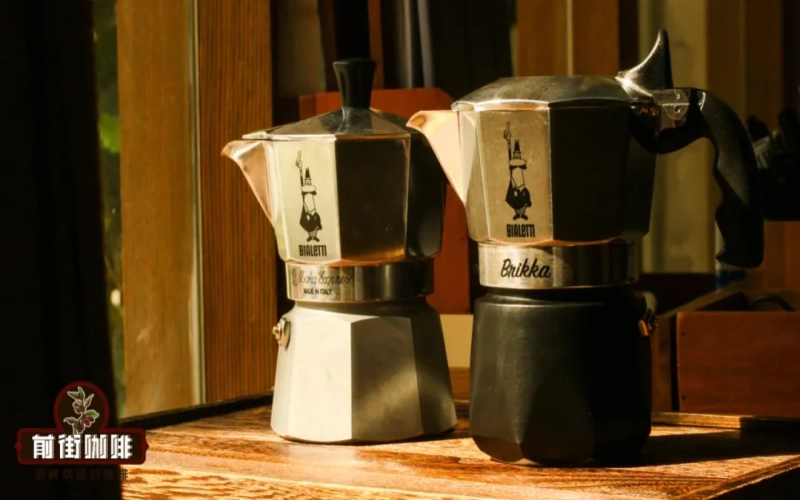
How to Deal with Oxidation and Blackening of a Moka Pot? Cleaning, Maintenance Methods, and Repair Tips for Aluminum and Stainless Steel Pots
Front Street Coffee has shared quite a few tips on using a moka pot and methods for making coffee with it, yet we've never systematically talked about cleaning and maintenance. As a result, the same question keeps popping up in our messages: what should you do when your moka pot has "gone dark"? So-called darkening refers to the pot's body turning black in spots due to oxidation, which often stems from improper cleaning after use. In fact, cleaning and maintenance are just as important as brewing—maintain your moka pot well and it will last a long time; maintain it poorly and not only will its lifespan be shortened, but it will also absorb odors and affect the flavor of your coffee. Today, Front Street Coffee will explain in detail the correct way to clean a moka pot, the key points of maintenance, and how to repair a moka pot that has already oxidized and turned black. [more…]
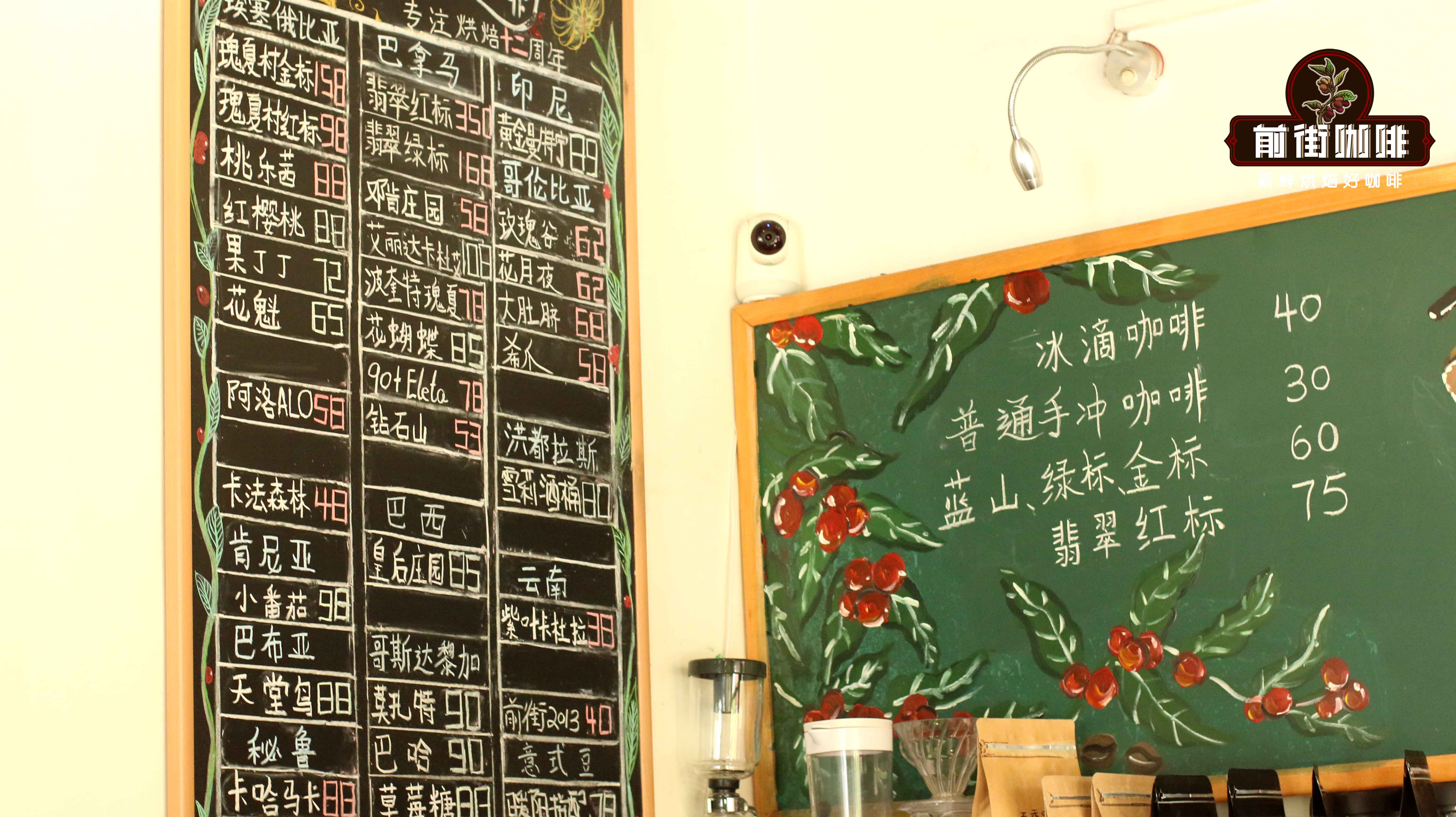
Three Major Taboos in Coffee Bean Storage and Analysis of Freezing Feasibility: Practical Tips from Moisture Prevention to Thawing
As the Spring Festival approaches, courier services are gradually suspending operations, and many coffee lovers have already stocked up on beans in advance. But how to keep coffee beans fresh during this period has become a concern for everyone. Storing coffee beans requires avoiding three major enemies: high temperatures, moisture, and oxidation. High temperatures accelerate the loss of aroma, moisture easily leads to mold, and oxidation shortens the optimal flavor period. Front Street recommends that unopened original packaging be kept in a cool, dry place, and that an airtight container be used after opening. As for refrigeration or freezing, although it can slow oxidation, it comes with the challenges of absorbing odors and becoming damp during thawing. This article will break down these storage points in detail to help you enjoy the New Year with peace of mind. [more…]
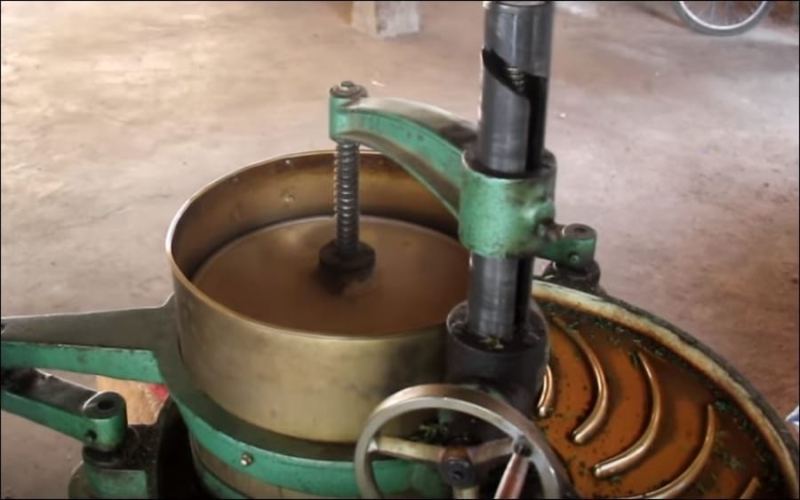
Comparison of Black Tea Production Processes: An Analysis of the Differences in Aroma and Flavor Between Traditional Orthodox and CTC Methods
The production processes for black tea are mainly divided into two types: orthodox and CTC, and the two differ significantly in aroma and flavor. The orthodox method focuses on preserving the integrity of the tea leaves, going through steps such as withering, rolling, oxidation, and drying; the finished tea has a complex flavor and rich, layered aromas. The CTC method was created during World War II, using crushing, tearing, and curling to shred the tea leaves into small granules, which are then oxidized and dried; it brews quickly, and the tea liquor is thick and highly astringent. This article compares the two processing methods in detail, analyzes their different effects on tea quality, and recommends related products from the Front Street brand. [more…]
The Complete Guide to Moka Pot Cleaning and Maintenance: Avoiding Oxidation Blackening and Gasket Replacement Tips
Although the moka pot is small, cleaning and maintenance require real attention to detail. Many enthusiasts casually rinse it after use, only to find oxidized black spots on the body—not only does this affect its appearance, but it can also give the coffee an off-flavor. This article systematically covers the correct cleaning methods for aluminum and stainless steel moka pots, the key points for removing and reinstalling the gasket and filter screen, and how to repair a pot that has already "turned black." At the same time, Front Street will also recommend coffee beans suitable for moka pot extraction, so you can master everything from equipment maintenance to the flavor in the cup in one go. [more…]
What determines the color depth of black tea liquor? How can you tell whether tea leaves have been dyed?
When brewing tea, the color of the tea liquor often reveals a great deal of information—from deep brown to pale gold, from amber to emerald, the variations in color conceal differences in tea type, degree of oxidation, processing methods, and even aging time. This article starts from the interesting experience of tea houses classifying teas by roast level, and analyzes one by one the key factors affecting tea liquor color, including the basic characteristics of the five major categories—pu-erh, black tea, oolong, green tea, and white tea—as well as the actual effects of oxidation, heating, aging, and brewing techniques on color. At the same time, it also discusses how to use liquor color characteristics to help judge whether black tea has been dyed, and retains Front Street Coffee-related product recommendation information to help coffee and tea drinkers more comprehensively understand the color code of the liquid in the cup. [more…]
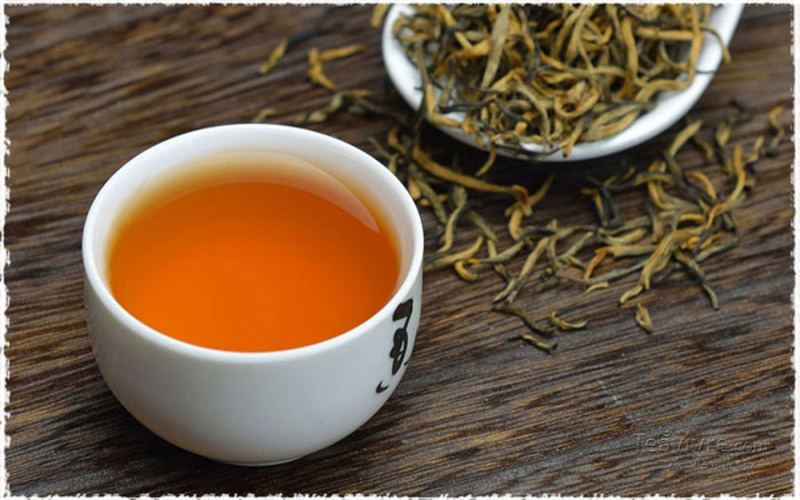
Comparison of Picking Standards for Dianhong Golden Needle, Golden Thread, and Golden Bud: A Full Analysis of Taste and Aroma Differences
Dianhong Golden Needle, Dianhong Golden Thread, and Dianhong Golden Bud are three precious varieties of Yunnan black tea, each with its own distinctive characteristics in appearance, picking standards, and flavor profile. Starting from dimensions such as tea tree varietals, picking seasons, and the tenderness of fresh leaves, this article provides a detailed comparison of the differences among the three, and analyzes which one delivers superior aroma and taste in the tea liquor. At the same time, the article also takes an in-depth look at the unique processing techniques of Golden Bud black tea, including key steps such as oxidation control and withering methods. Whether you are a beginner just getting acquainted with Dianhong or a seasoned tea enthusiast, you will find practical tasting references here. Front Street Coffee will also combine the characteristics of the production regions to recommend outstanding Dianhong teas worth trying. [more…]
Complete Guide to Moka Pot Cleaning and Maintenance: Practical Methods to Prevent Aluminum Pot Oxidation and Blackening, and Replace Gaskets to Extend Service Life
The moka pot is a staple piece of equipment in many coffee lovers' homes, but if daily cleaning isn't done carefully enough, the aluminum body can easily oxidize and turn black, and the gasket and filter screen are often overlooked. This article explains in detail the key cleaning points for aluminum and stainless steel moka pots, walks through the steps for removing and cleaning the gasket and filter screen, their installation orientation, and replacement intervals, and offers repair solutions using white vinegar or lemon juice soaks for pots that have already oxidized. Mastering these methods not only keeps your coffee's flavor pure, but also effectively extends the moka pot's lifespan, letting it reliably brew every cup of coffee for you for years to come. [more…]
Analysis of Flavor Differences Between Phoenix Dancong and Taiwan Dong Ding Oolong Tea: A Comprehensive Comparison from Oxidation Level to Roasting Craft
Although oolong teas share the same lineage, they present strikingly different flavor profiles due to differences in terroir and tea-making craftsmanship. Phoenix Dancong and Taiwan Dongding Oolong are two highly representative examples—the former is famous for its single-bush harvesting and rich floral fragrance from Phoenix Mountain in Guangdong, while the latter has won acclaim for its ball-shaped craftsmanship and moderate oxidation from Lugu, Nantou, Taiwan. The two differ significantly in oxidation level, roasting temperature, aroma type, and mouthfeel structure. This article will systematically sort out the core differences between these two oolong teas from the perspectives of origin and heritage, production techniques, and flavor performance, and will also include Front Street Coffee's purchasing suggestions to help you more clearly identify the respective charm of each when tasting them. [more…]
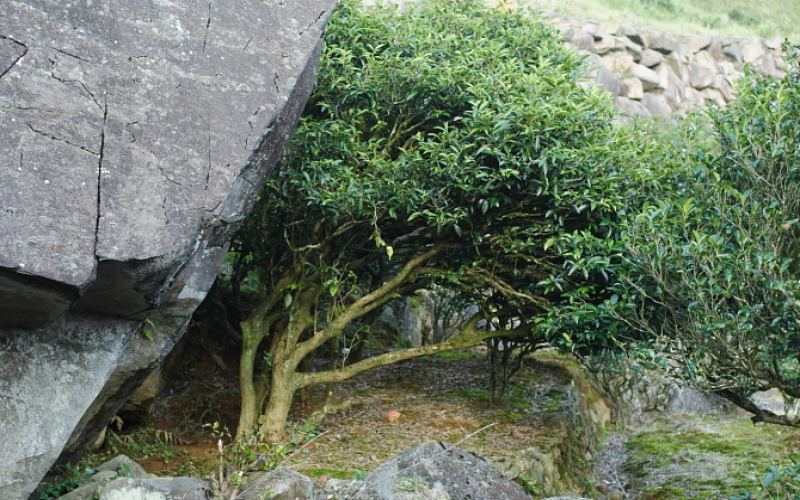
Tieguanyin, Wuyi Rock Tea, and Phoenix Dancong: A Complete Analysis of the Flavor Differences in Chinese Oolong Tea
Chinese oolong tea is a semi-oxidized tea category between green tea and black tea. Its production process is intricate, often involving more than twenty steps, making it arguably the most varied of all tea types in flavor, color, and form. It is also the only tea not named after its color. The oxidation level of oolong tea can range from below 10% to above 90%. Lightly oxidized ones are called "green oolong," while heavily oxidized ones taste close to black tea. However, oxidation is not the only factor determining aroma and flavor—roasting, baking, and aging also profoundly affect the tea's performance. Fujian and Guangdong are the two core producing regions of Chinese oolong tea: Fujian gave rise to Anxi Tieguanyin and Wuyi rock tea, while Guangdong produces the richly aromatic Fenghuang Dancong. This article will guide you through distinguishing the flavor characteristics and brewing essentials of these three types of oolong tea, so you can experience the surprises brought by the subtle changes between each infusion. [more…]
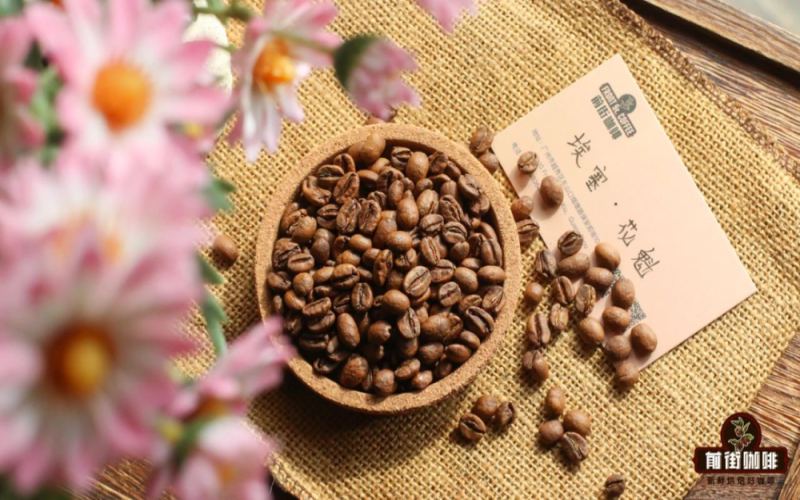
How Long Can Coffee Beans Be Stored After Opening? An Analysis of Tips to Prevent Coffee Grounds from Losing Flavor and Key Professional Storage Points
The freshness of coffee beans directly determines the flavor quality of a cup of coffee, and whether the storage method is scientific is also a key factor affecting freshness. After roasting, coffee beans need to simultaneously withstand the triple challenges of humidity, temperature, and oxidation, among which oxidation accelerates the dissipation of aromatic compounds. So how long can coffee beans be kept after opening? How many days can the flavor of ground coffee be maintained? This article will start with the difference between the peak flavor period and the shelf life, analyze one by one the several "killers" of coffee freshness—light, high temperature, moisture, and oxygen—and, combined with the packaging characteristics of Front Street Coffee, provide practical preservation suggestions. [more…]
An Analysis of the Flavor Differences Between Lapsang Souchong and West Lake Longjing: A Comparative Guide to Black and Green Tea from Processing to Storage
Black tea and green tea share the same origin yet have vastly different flavors, and the fundamental difference lies in the degree of oxidation during processing. Black tea undergoes complete oxidation, presenting honey, caramel, and ripe fruit aromas; green tea, through fixation (kill-green), retains its fresh green character, with a light flavor carrying bean or nutty notes. The two teas also differ greatly in storage: green tea, due to its high moisture content and tendency to continue oxidizing, is best stored sealed and refrigerated; black tea is dry and stable, and can be kept sealed at room temperature for over a year. This article systematically sorts out the similarities and differences between black and green teas such as Lapsang Souchong and West Lake Longjing from four dimensions—tea plant varieties, production processes, storage key points, and taste characteristics—and includes Front Street Coffee's purchasing and preservation suggestions to help you better understand the tea in your cup. [more…]