







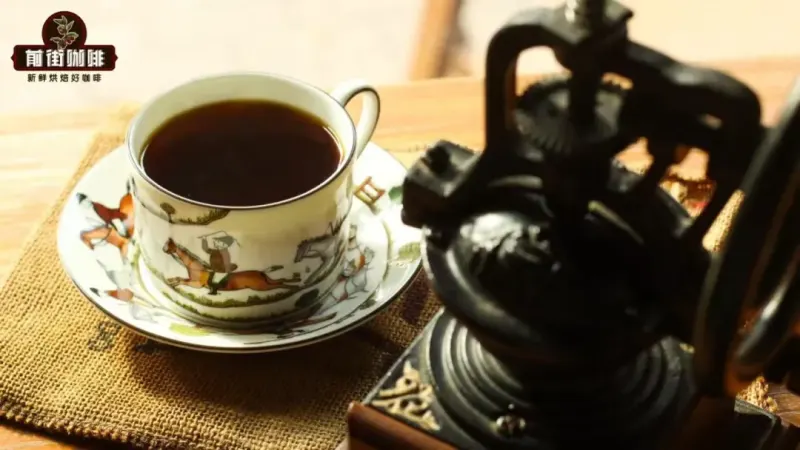
Can coffee hold its aroma longer in a sealed container?
Coffee tastes noticeably worse once it cools, and the reason is that brewed coffee has a limited tasting window. Aroma molecules diffuse out along a concentration gradient while oxidation reactions continue in the liquid, so the fragrance fades and the flavors blur. Sealing the coffee, by adding a lid or pouring it into a thermos, slows both processes and extends the window.
The fix is simple to apply. Transfer the coffee to a sealed container soon after brewing, and keep the container capacity close to the amount you will actually drink, since a large volume of air above the liquid speeds up aroma loss. Thermoses work well for this because they limit contact with air and hold heat, but the coffee still tastes better the sooner it is finished.
Freshly brewed coffee is rich with aroma, but once something delays you, the cooled coffee often loses its fragrance and its taste deteriorates, making it feel like a completely different cup from when it was first brewed. This shows that the coffee in your cup also has an optimal tasting window, and beyond that window, the experience drops off noticeably. So, is there a way to extend this golden tasting period? Front Street Coffee once shared a simple method: create a relatively sealed environment for the coffee, such as putting on a lid or pouring it into a thermos. This article will explain, from the perspectives of the concentration gradient principle behind aroma volatilization and oxidation reactions, why coffee tastes worse after it cools, and how sealed storage slows the loss of flavor. It will also remind you that the container capacity should not be too large, so that every cup of coffee can be enjoyed at its best.
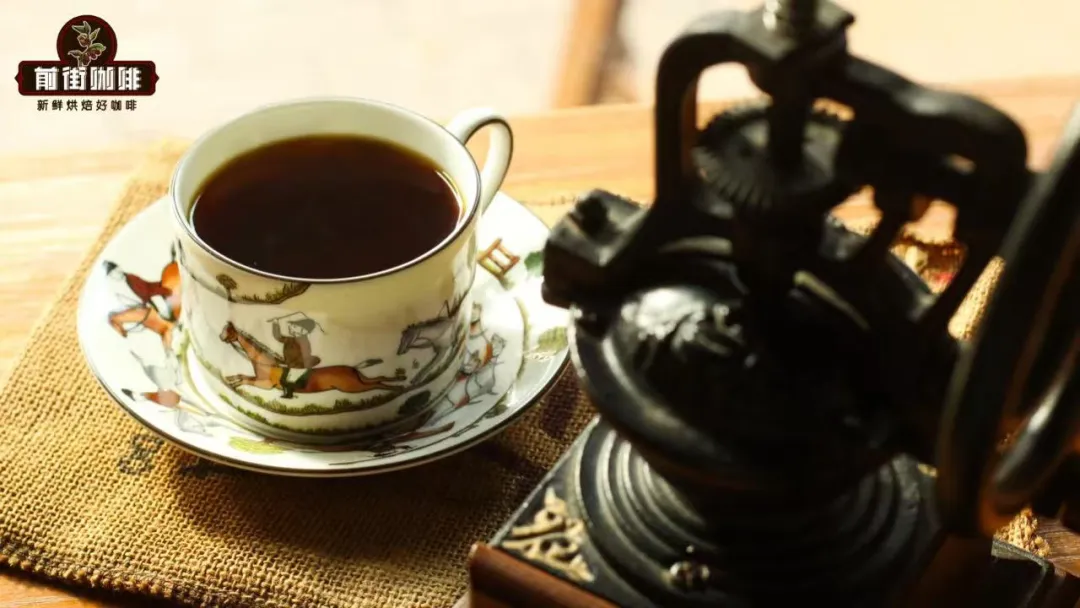
In fact, it is not just coffee beans—the coffee liquid we brew from coffee beans also has an optimal tasting period. Front Street Coffee believes many people have encountered this situation: right after brewing coffee, they are suddenly held up by something at hand and cannot take a sip immediately. By the time they finish and come back, the coffee has long gone cold. At that point, not only does the aroma become vague and the flavors hard to identify, but even the taste and mouthfeel are far less satisfying than when it was freshly brewed—it is almost like a different cup entirely.
It is clear that coffee in the cup also has an optimal tasting period. If you cannot finish it within a certain time, then once it cools, the experience in every respect will be greatly reduced. But in reality, we often cannot put down what we are doing to savor coffee slowly, so some friends ask: "Is there any way to extend coffee's optimal tasting time?"
Of course there is! And it is very simple to do—just one action will do it! This is a method Front Street Coffee shared before—create a "less breathable" environment for the coffee. For example, adding a lid to the cup opening, or pouring the coffee into a thermos and sealing it, can help extend the optimal tasting time.

First, we need to understand that the reason coffee aroma keeps escaping continuously is mainly driven by the concentration gradient. Aroma molecules will continually diffuse from the coffee liquid, where their concentration is higher, toward the air side, where their concentration is lower, until the concentrations on both sides tend toward equilibrium. But because the coffee is in an open space, the concentration in the air is constantly being renewed and replaced, so the two sides can never reach equilibrium, and aroma molecules keep escaping outward.
When we put a lid on the cup opening, or transfer the coffee into a sealed bottle, the range within which the aroma can diffuse is restricted, and the air inside the container gradually becomes saturated. As the two sides slowly approach equilibrium, the rate at which aroma migrates from the liquid to the air drops noticeably.
In addition, as Front Street Coffee mentioned earlier, some coffees taste and feel worse overall after sitting for a long time because some substances in the coffee undergo oxidation and deteriorate. When coffee is placed in a sealed space, this kind of change is slowed because less fresh air comes into contact with it.
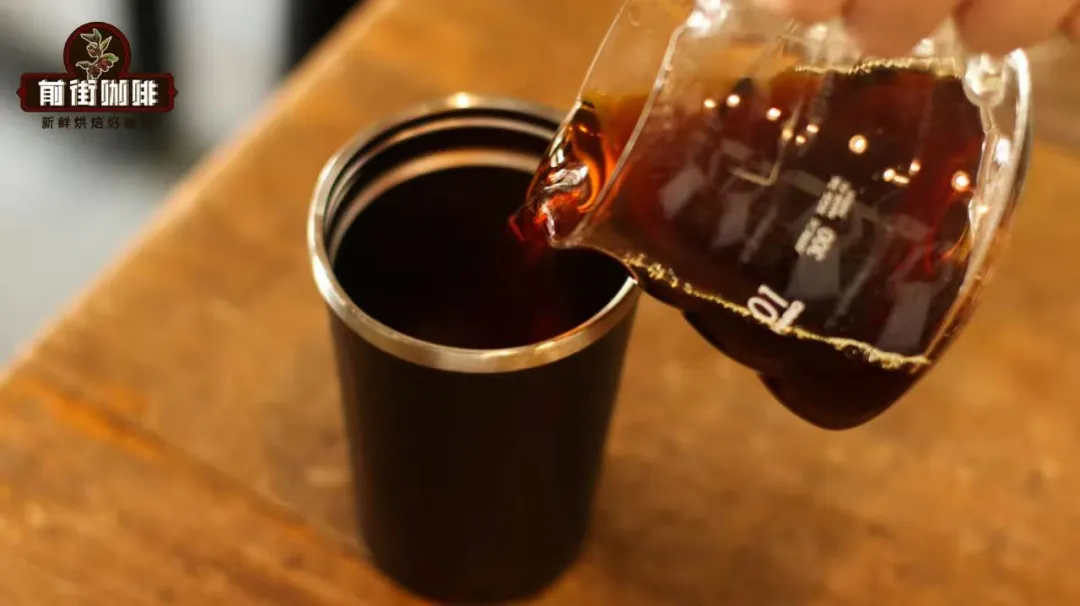
Not long ago, in the article "Can Pour-Over Coffee Also Be 'Pre-Made'?", Front Street Coffee mentioned that many vendors take advantage of the thermos's excellent sealing performance to "pre-make" pour-over coffee. They put freshly brewed pour-over coffee into a thermos and store it sealed, thereby greatly slowing the speed of aroma volatilization and texture changes. When a customer wants to drink it, they pour it out from the thermos to share. This saves the time of brewing on the spot without losing the coffee's aroma—killing two birds with one stone, so to speak.
So, when you finish brewing coffee and find you cannot enjoy it in time, you might as well try covering the cup opening with something, or transferring the coffee into a thermos, to extend the coffee's optimal tasting time. It is worth noting that the container capacity should preferably not be too large! Because after the coffee is poured in, the smaller the remaining space in the container, the faster the two sides reach equilibrium, and the less aroma needs to escape! - END -
The above content is compiled by CoffeeHunters, a coffee news website.


