







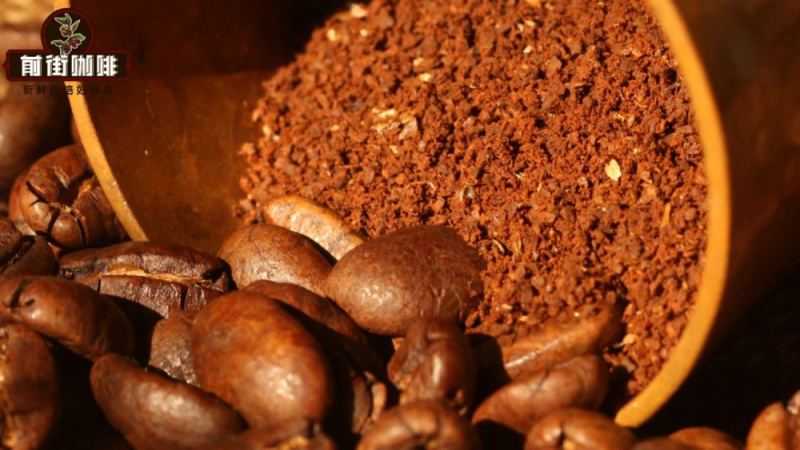
Many coffee enthusiasts believe that the fresher the coffee beans, the better—some even rush to brew them the moment they come out of the roaster. But is that really true? This article begins with the development of the domestic coffee market, recalling the freshness dilemma of the past when we relied on imported beans, and how today, with the rise of local roasting, people have come to pursue freshness in coffee beans. We'll explore whether freshly roasted coffee beans are in their optimal drinking state, why beans need to be rested, and how to determine the right flavor window. Whether you're a beginner just starting out or a seasoned connoisseur chasing the ultimate flavor, understanding the principles of resting beans will help you better enjoy a good cup of coffee. Front Street Coffee will also offer you practical advice.
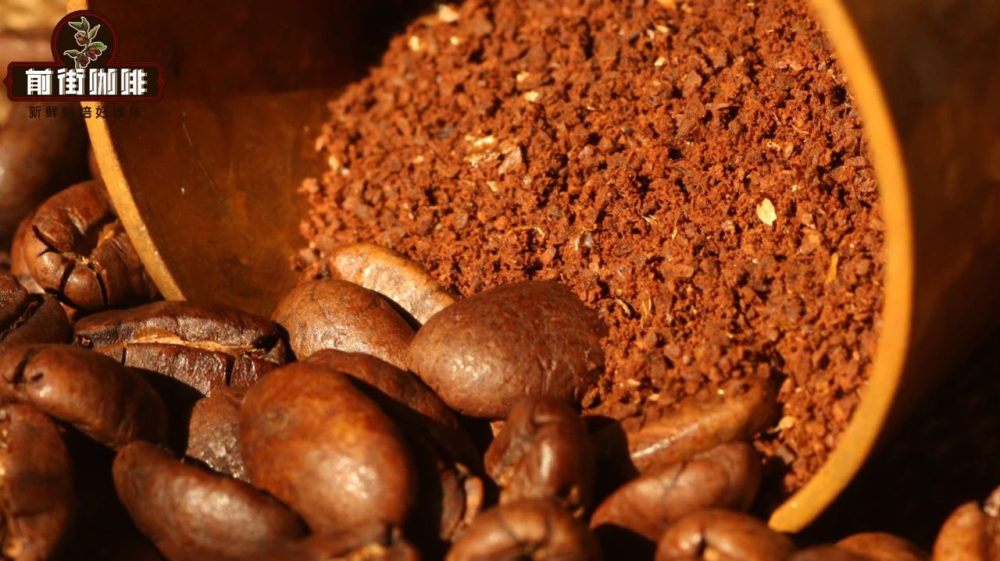
Think back to around 2008, when cafes were far from being found on every corner, and domestic coffee roasters were even rarer. At that time, imported shelves in large supermarkets already displayed coffee beans from well-known Italian brands like illy and Lavazza. I still remember checking the production dates and finding that most had left the factory over two months earlier, and quite a few had been sitting for more than half a year. Of course, these products had a shelf life of up to 365 days, and the brands used nitrogen flushing or vacuum packaging to preserve quality.
With China's rapid economic development, the coffee industry also entered a period of high-speed expansion. The emergence of neighborhood specialty cafes and small roasting workshops gradually changed people's coffee consumption habits. In the past, because we relied on coffee beans roasted abroad, the transportation cycle was long, making it difficult to put freshly roasted beans directly onto the shelves of the consumer market—even if manufacturers kept upgrading preservation technology, it was of no avail. The appearance of a large number of small local roasting shops has made the pursuit of coffee bean freshness a trend.
The above content is compiled by CoffeeHunters, a coffee news website.


