







Why Are Coffee Beans Roasted Dates More Useful Than Expiry Dates?
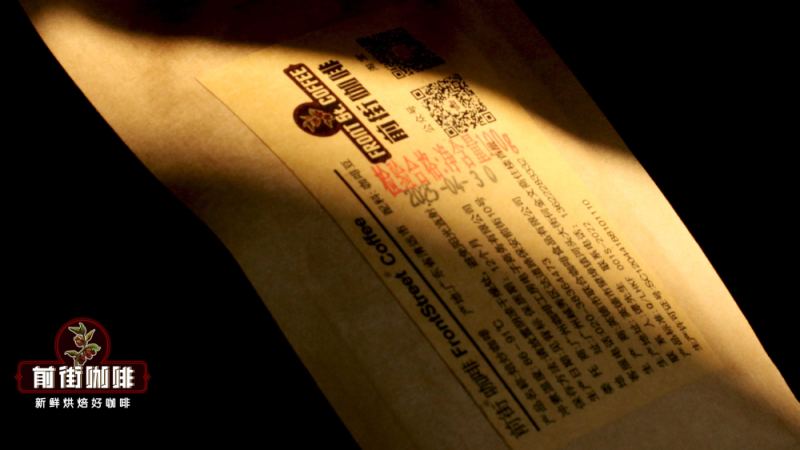
The date printed on a coffee bag is the roast date, not a production date to compare against a shelf life. Roasted beans keep for six months to a year, so expiration is rarely the issue. The date matters because it shows when the beans reach peak flavor: light roasts fade within about two months, while dark roasts hold their aromas longer.
Beans closest to the roast date are not automatically better. Freshly roasted coffee degasses carbon dioxide, which hinders extraction, and a harsh roast note needs time to fade, so a resting period of roughly a week suits many light-roast single origins. Understanding why are coffee beans roasted helps explain the timing. What do you call grinded coffee beans matters less than matching the rest window to the roast level.
When buying coffee beans, have you ever noticed the roast date on the packaging? This date isn't used to judge expiration like with ordinary food—roasted coffee beans typically have a shelf life of six months to a year. What really matters is when they reach their peak flavor. Freshly roasted beans degas vigorously, and carbon dioxide hinders extraction; leave them too long and the floral and fruity aromas fade, leaving only a woody taste. That's why light-roast single-origin beans and dark-roast espresso beans each have their own resting requirements. This article will walk you through the flavor logic behind the roast date, help you grasp the optimal drinking window for coffee beans, and show how Front Street Coffee controls shipping times so that every bag reaches its peak the moment it arrives.
In the past, when shopping for food, we were used to first checking the production date, then comparing it against the shelf life, because once expired it's no longer suitable for consumption—this is basic common sense.
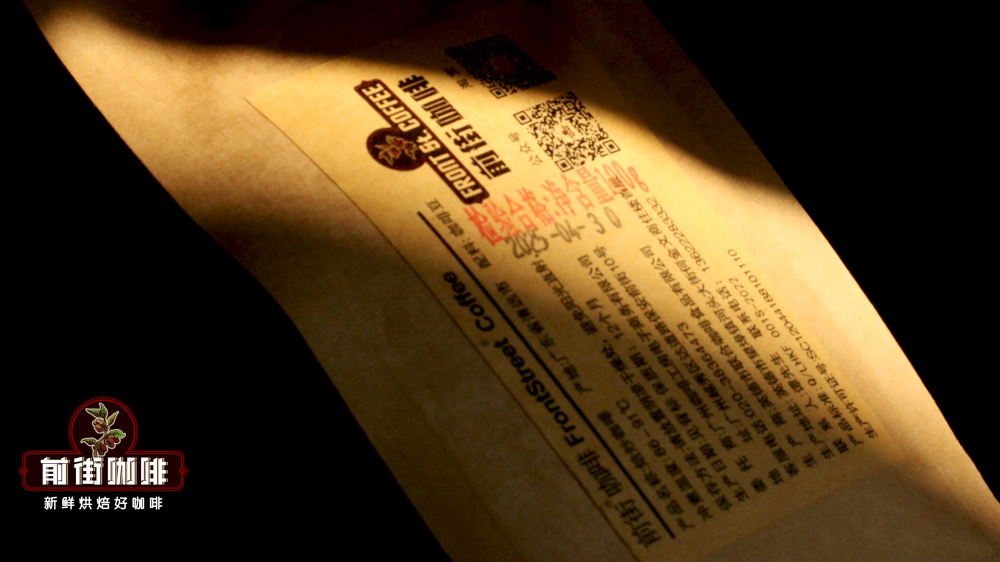
However, applying this logic to coffee beans is a bit different. The production date of coffee beans is actually the roast date—the moment the green beans are roasted. We pay attention to it not out of worry about expiration—roasted coffee beans typically have a shelf life of six months to a year, and it's hard for a bag of beans to actually expire (unless its flavor wasn't appealing to begin with
).
So why should we still look at the roast date? Of course, to capture the most captivating flavor stage of the beans. Nowadays, the vast majority of single-origin coffee beans emphasize fresh roasting, which is closely tied to the current trend toward lighter roasts. Light-roast beans lose their flavor far faster than dark-roast beans. About a week after roasting, they release pleasant aromas like floral, fruity, and cookie notes; after two months, these delightful aromas diminish significantly, replaced by smoky, almond, and grassy scents. That's why single-origin beans for pour-over tend to emphasize a fresh roast date even more.

However, beans closer to the roast date aren't necessarily better tasting. There are two reasons: first, an appropriate amount of carbon dioxide needs to be released; second, the "harshness" from roasting needs to fade. The most notable characteristic of freshly roasted coffee beans is vigorous degassing—the "gas" here is carbon dioxide. After roasting is complete, beans continuously release large amounts of carbon dioxide, and its presence interferes with extraction to some degree.
After roasting, carbon dioxide is trapped in the porous structure of the coffee beans. During extraction, carbon dioxide blocks water from entering these fibrous tissues, hindering the dissolution of flavor compounds. The higher the carbon dioxide content, the more obvious the barrier to water.
Typically, coffee's optimal flavor period occurs after roasting is complete and a 4-to-7-day resting period has passed, when flavor peaks, then declines over time until only a woody taste remains. The first to dissipate are mainly volatile compounds like floral and fruity aromas, while water-soluble compounds like sugars, nuts, and chocolate are relatively less volatile.
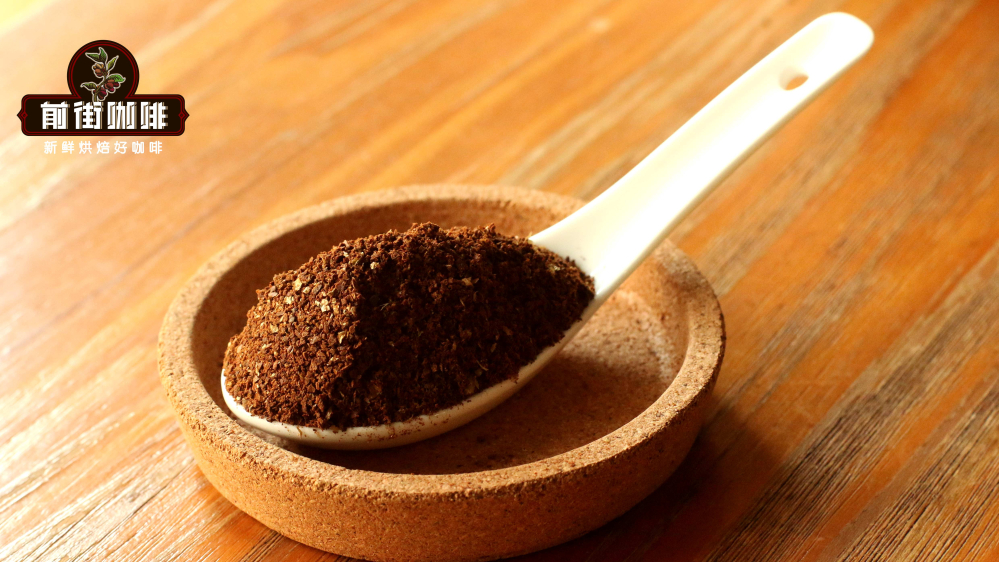
So, the optimal flavor period for light-roast coffee beans is generally recommended to be between the 4th and 40th day after roasting. Dark-roast or espresso beans need a longer resting time, about 1 to 2 weeks. That's precisely why coffee beans shipped by Front Street Coffee (FrontStreet Coffee) are controlled to within 5 days after roasting, then after 1 to 2 days of courier transport, ensuring that when the beans reach the customer's hands they have just passed the resting period and are at their most full-bodied flavor stage.
When you receive your coffee beans, take a moment to check the roast date on the packaging and calculate the appropriate time to drink them based on that.
The above content is compiled by CoffeeHunters, a coffee news website.


