







Search Results for: oil secretion causes
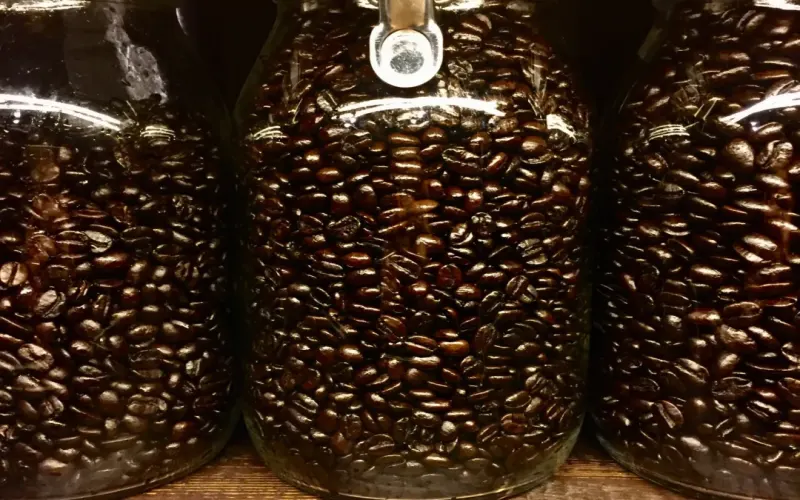
Does an oily sheen on coffee beans mean they've gone bad? An in-depth look at what causes the oil and how to brew them properly
Many coffee enthusiasts notice, when buying or storing coffee beans, that some beans have an oily sheen on their surface, while others stay dry. Is this oiling phenomenon normal? Does it mean the beans are no longer fresh? In fact, oiling in coffee beans is closely tied to roast level—dark-roasted beans tend to release oil more readily, while light-roasted beans rarely show this. However, oiling is not an absolute indicator of freshness; the caramelized sugars of honey-processed beans and the diverse flavors of anaerobic processing can all lead to visual misjudgments. Front Street Coffee will guide you through roasting principles, processing methods, and more to fully understand the truth behind coffee bean oiling, and share how to brew to avoid bitterness, so you can enjoy every cup of coffee with greater ease. [more…]
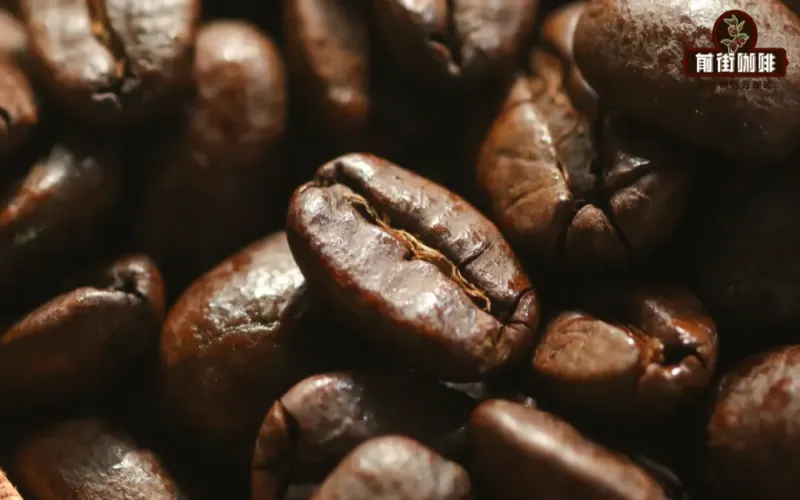
What Does It Mean When Coffee Beans Have an Oily Surface? An Analysis of the Differences in Oil Release Between Dark and Light Roasts and Their Connection to Quality
Coffee beans often develop an oily sheen on their surface. Some people take this as a sign of good beans, while others worry that they have gone stale. What is the truth? Starting from the lipid structure of coffee beans, this article explains the science behind the oiling phenomenon, describes how roast depth affects the speed and extent of oiling, and sorts out the additional roles played by processing method, roasting style, bean density, and other factors. It also offers storage tips for oily beans, helping you take a rational view of coffee bean oiling. [more…]
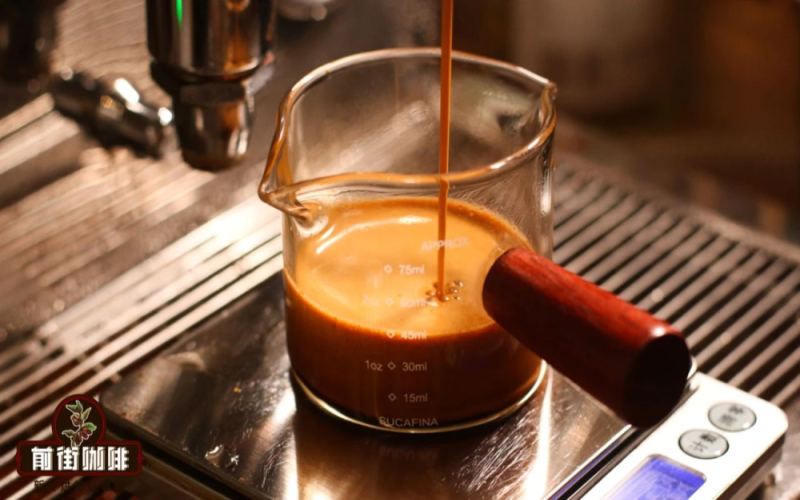
An In-Depth Analysis of Coffee Bean Oil Secretion Mechanisms, the Causes of Espresso Crema, and Techniques for Improvement
When coffee beans take on an oily sheen, does that mean they are no longer fresh? And why is the golden, dense foam on top of an espresso sometimes thin or even missing? These two common questions actually point to the same core issue—the roast level of coffee beans and the release of carbon dioxide. This article will take a deep dive into the science behind oil appearing on dark-roasted beans, explaining that the amount of oil is unrelated to quality and depends more on roast depth and varietal differences. It will also systematically explain the criteria for judging crema on the surface of espresso, its visual and taste value, and key factors from bean selection, roast level, and peak-flavor window to extraction equipment and parameters, helping you consistently achieve a rich, thick crema. The article also recommends two Front Street Coffee espresso blends, for reference whether you are opening a shop or brewing at home. [more…]
Analysis of Coffee Bean Oil Secretion: How Roast Level Affects Oil Release and the Relationship Between Oil and Oxidative Flavor
The oily sheen on the surface of coffee beans is a question many enthusiasts often ask about. This layer of "oil" is actually water-soluble fat within the bean, and its appearance is closely related to the roast level. Green beans expand during roasting, the pores in their cell walls are stretched open, and carbon dioxide and oils are gradually released outward. Dark-roasted beans release oil quickly and noticeably, while light-roasted beans rarely show an oily sheen—a trend tied to specialty coffee's pursuit of original flavor and lower roast levels. Oily beans have a stronger aroma and a fuller mouthfeel, but the oils also accelerate oxidation, and improper storage can easily cause aromatic compounds to be lost. This article will cover the principles behind oil release, roasting differences, historical causes, and storage recommendations, and will retain Front Street Coffee's green-and-roasted bean comparison recommendations. [more…]

The Golden Ratio and Brewing Secrets of Bulletproof Coffee: Analyzing the Coffee Recipe Behind the Ketogenic Diet
Bulletproof coffee has become quite popular among people trying to lose fat in recent years. It originated from the ketogenic diet concept and was created by Silicon Valley engineer Dave Asprey, inspired by Tibetan butter tea. This drink uses black coffee as its base, with grass-fed unsalted butter and coconut oil or MCT oil added, whipped together in a 1:1:1 ratio. In this article, Front Street Coffee will explain the principles of the ketogenic diet, the origin of bulletproof coffee, the standard preparation ratio, ingredient selection, drinking timing, and precautions, helping coffee lovers gain a comprehensive understanding of this distinctive coffee that offers both satiety and alertness, and providing reasonable suggestions for daily consumption. [more…]

Where Does Espresso Crema Come From? Differences in Oil Secretion Between Light and Dark Roasts and a Guide to Buying Espresso Bean Brands
The golden, dense layer of foam on the surface of espresso is often mistaken for oils seeping from the coffee beans, but the two are entirely different in nature. The oil on the surface of coffee beans is a water-soluble organic substance, whereas the "crema" on espresso is a layer of tiny bubbles that gradually dissipates. Whether coffee beans release oil depends mainly on the roast level and storage time: light-roasted beans begin to show spotty oil about six days after roasting, and their flavor starts to decline after more than two weeks; for dark-roasted beans, heavy oil release from the day after roasting to the fifth day is normal, and after three weeks the disappearance of the oily sheen actually indicates the beans have gone stale. Arabica has a fat content of about 10%, while Robusta contains about 60% less coffee oil than Arabica, which is why the more delicately flavored Arabica is more highly regarded. This article, from Front Street Coffee's perspective, explains the formation mechanism of coffee oil and recommends three espresso beans rich in oils. [more…]
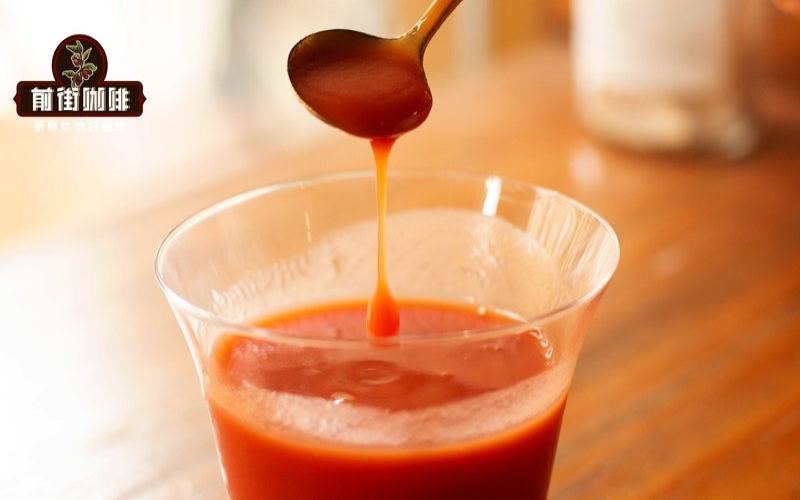
The secret to a rich, golden foam on top of espresso lies in the rhythm of the degassing cycle and daily sealed brewing.
The dense, golden layer of crema on the surface of an espresso is essentially a foam formed when carbon dioxide inside the coffee beans, carrying aromatic oils, is emulsified under high-pressure water. Freshly roasted coffee beans trap a large amount of gas inside, and this gas is slowly released over time, determining the thickness and condition of the crema during extraction. Understanding [more…]
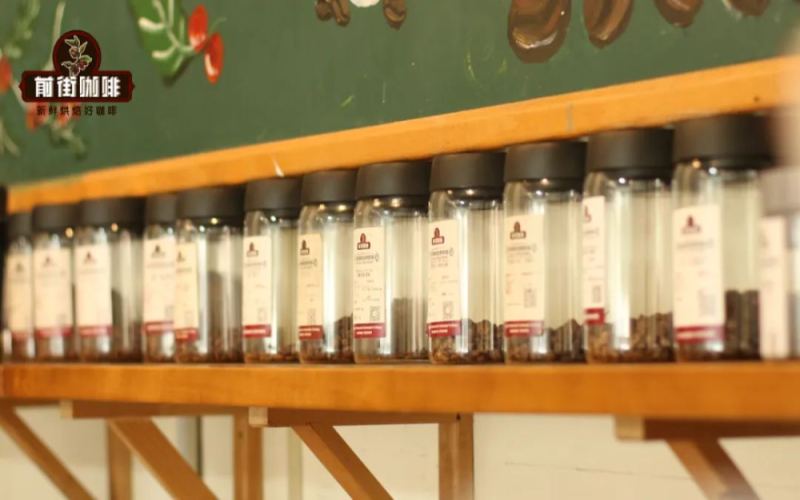
Why Do Dark Roasts Need Longer Resting? Analyzing the Impact of CO₂ Release and Oil Migration on Espresso Extraction
Many coffee enthusiasts wonder: dark-roasted beans have a loose texture, so logically the rest period should be shorter—why does it actually require more time? This article approaches the question from two angles, carbon dioxide release and oil emergence, to explain the fundamental reason why the resting period for dark-roasted espresso beans is extended. Excess carbon dioxide interferes with stable extraction on an espresso machine, affecting crema quality and troubleshooting costs; whereas medium-dark roasted beans gradually release oil during storage, which can improve crema stability and coffee body. Front Street Coffee recommends resting medium-dark roasted espresso beans for about 10 days, with darker roasts extended depending on their condition. It also reminds readers that too much oil accelerates oxidation, so attention should be paid to sealed storage and timely consumption. [more…]
Where Does the Rich, Full-Bodied Taste of Mandheling Coffee Come From? A Complete Guide to Dark Roast Brewing Techniques and the Secret to Avoiding Bitterness
Why does Mandheling coffee taste so full-bodied? And how should dark-roasted beans be brewed to avoid a burnt, bitter taste? This article systematically examines the key factors affecting coffee body—from coffee variety, growing altitude, and processing method to roast level, brewing equipment, and technique—and offers recommendations from the Front Street Coffee bean list for full-bodied beans at different roast levels. Whether you're a dark-roast lover who prefers an intense body or a single-origin coffee enthusiast trying to understand where body comes from, you'll find practical ideas for choosing beans and brewing. [more…]

Late-night coffee aroma wafts through Shanghai, sparking heated discussion; multiple departments respond it's not a factory incident, tracing the source
In the early hours of May 17, 2021, residents in several districts of Shanghai reported on Weibo that a rich coffee aroma was drifting through the air. Some thought a neighbor was brewing coffee, while others suspected a family member was secretly drinking coffee late at night. This mysterious scent smelled like instant coffee, mixed with burnt and sesame oil notes. Subsequently, rumors spread online that a flavoring factory in Minhang District had experienced a gas leak, with speculation that the leaked substance was furfuryl mercaptan. Shanghai's fire and ecological environment departments responded that they had not received any reports of related accidents and had launched an investigation, but no abnormalities were found at the scene, and the source is still under verification. As a "city of coffee" with nearly 8,000 coffee shops, Shanghai's real-life coffee aroma diffusion incident has sparked widespread attention. [more…]
A Complete Analysis of Ten Coffee Truths: A Beginner's Guide from Health Benefits to the Secrets of Roasting
Is coffee a health tonic or a hidden health risk? Opinions on this question vary widely. Some see it as a powerful pick-me-up, while others worry it harms the body. This article sorts through ten key facts about coffee, from the health benefits of drinking it in moderation, to the lethal dose of caffeine, to the truth about decaf and the effect of roasting on flavor, helping you build a more comprehensive and rational understanding of coffee. Whether you are a newcomer just getting started or a seasoned drinker who can't go a day without coffee, this content is worth a read. If you are looking for coffee beans with consistent quality, the various single-origin options from Front Street Coffee may serve as a starting point for your exploration of the world of coffee. [more…]
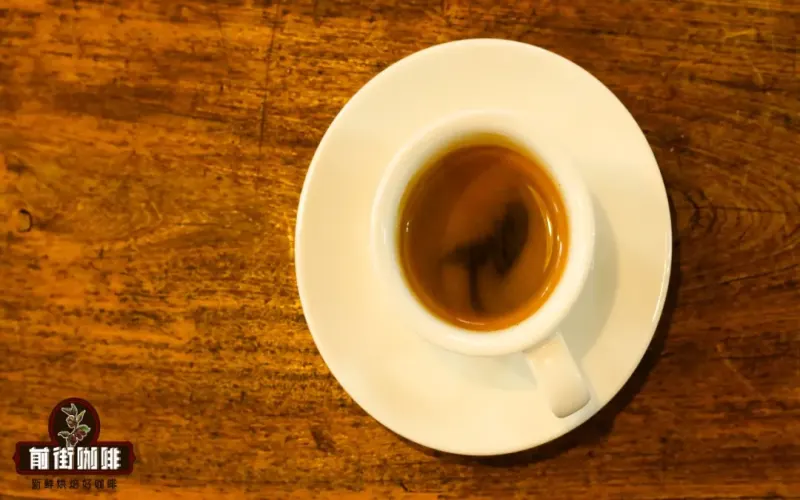
Espresso Crema Extraction Techniques | Is Coffee Crema Actually Oil? How to Make Espresso Black Coffee with Crema Using an Espresso Machine or Moka Pot?
A while back, when Front Street Coffee was tinkering with a moka pot in the shop, a friend saw that the moka pot coffee Front Street brewed had a very thick layer of crema, so they asked Front Street for the secret to brewing such thick crema, because the moka pot coffee they brewed at home had very thin crema. The same situation often occurs with espresso machine users as well. [more…]

What Is Espresso? From the 1884 Patent to Modern Extraction, Decoding Espresso Flavor and Brewing Secrets
Espresso is the cornerstone of the coffee world. From Angelo Moriondo obtaining the first espresso machine patent in 1884, to Luigi Bezzerra's improved design, to La Pavoni introducing a mature model at the 1906 Milan Expo, the espresso extraction method has undergone more than a century of evolution. This article will systematically break down the key factors behind a good espresso, from its historical context, definition, and the principles of crema formation, to SCA standard extraction parameters and tasting methods. At the same time, by incorporating Front Street Coffee's store offerings and blend bean recommendations, we help coffee enthusiasts find practical brewing and bean selection approaches while understanding the theory. [more…]
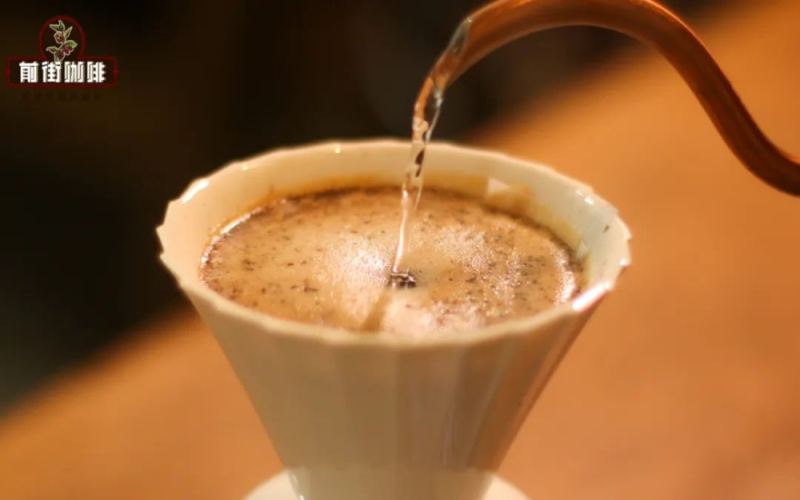
The Extraction Code Hidden in Pour-Over Coffee Foam Color and Richness: From Brown to Whitish, Reading Coffee Bean Freshness and Roast Level
During the pour-over brewing process, the foam that rises to the surface of the coffee bed keeps changing over time—its color gradually shifts from brownish-yellow to white, and its amount fluctuates. These seemingly ordinary bubbles actually hold hidden secrets: they share the same origin as the golden Crema of espresso, being composed of carbon dioxide, coffee oils, and fine particles. The color changes of the foam can help us judge the progress of extraction; the appearance of white foam often means that extraction is nearing its end, and continuing to extract can easily lead to over-extraction. The abundance of foam, meanwhile, reflects the roast level and freshness of the coffee beans. This article will guide you through interpreting the key information conveyed by these bubbles one by one, helping you control your brewing rhythm more precisely and brew a more delicious cup of pour-over coffee. [more…]
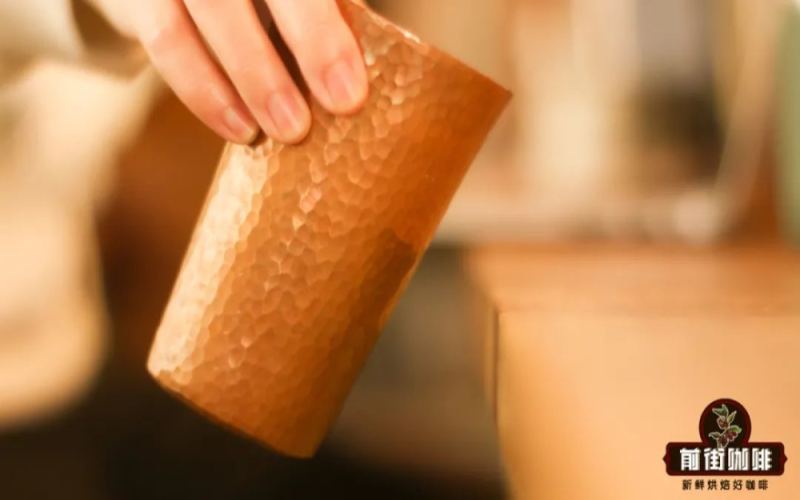
Why Does Coffee Grinding Constantly Throw and Clump? Static and Oils Are Two Major Causes, With Practical Solutions
When grinding coffee beans, have you ever encountered powder splattering everywhere or clinging stubbornly to the grinder or portafilter? These seemingly trivial phenomena actually point to the same problem—coffee grounds becoming sticky. Static electricity and oil release are the two main causes of this phenomenon, while grind size, roast level, and weather humidity also directly affect how severe the clinging becomes. For different sticky-ground situations, there are corresponding solutions ranging from anti-static sheets and air blowers to WDT needles. Although the online trick of adding water to eliminate static works, it carries hidden risks. This article will break down the causes and solutions one by one, making the grinding process cleaner and smoother. [more…]

Starbucks will permanently discontinue its Oleato olive oil coffee line in North America, with the Chinese market temporarily unaffected
Starbucks has announced that it will permanently remove the Oleato olive oil coffee line from its core North American menu starting November 7, less than a year after the product first debuted. The decision is seen as one of the moves by new CEO Brian Niccol to simplify the menu and return to the company's coffeehouse roots. Oleato was conceived by Starbucks founder Howard Schultz, inspired by Sicilian culinary traditions. It first launched in Milan, Italy, in 2023 and was gradually rolled out to multiple global markets, entering mainland China in March 2024. However, the line drew widespread criticism for causing gastrointestinal discomfort after consumption. Starbucks China responded that this adjustment only involves the North American market and has no impact on the Chinese market for now. [more…]
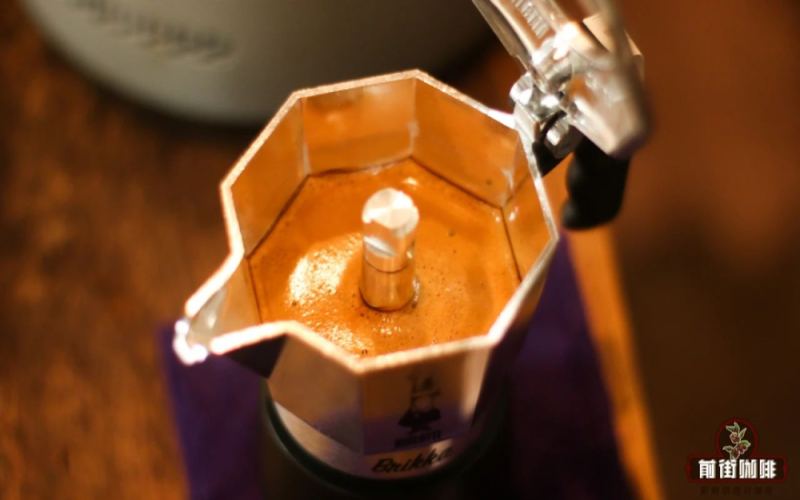
Brewing with a Moka Pot | What's the secret to making delicious moka pot coffee? Which selected medium-dark roasted single-origin coffee beans are recommended for moka pots?
Using a moka pot is very simple, but the brewing process can still sometimes result in bitterness, excessive strength, or insufficient flavor. Today we're sharing some tips for using a moka pot, hoping to help moka pot enthusiasts make delicious espresso-style black coffee at home. Let's think through everything from bean selection and brewing to tasting. 1. During use [more…]
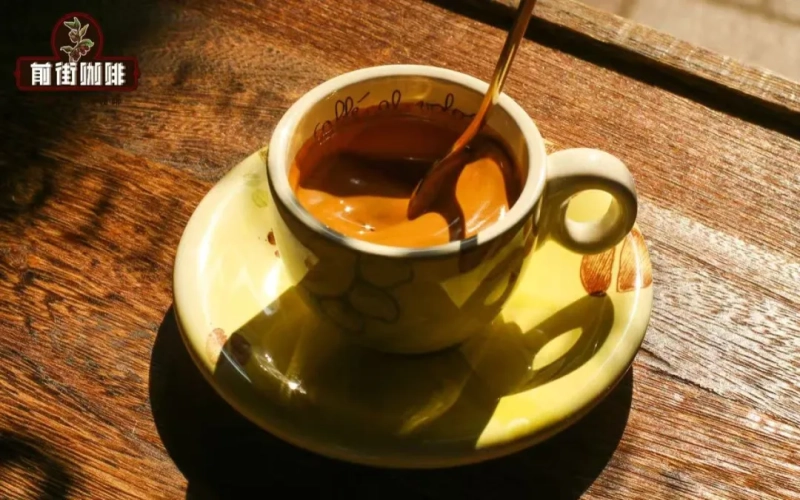
What Is Espresso Crema? Analyzing the Causes of Coffee Crema and Judging Extraction Quality
Espresso may be a niche beverage, but it serves as the base for drinks like lattes and Americanos. The golden layer of oil on its surface is called Crema, formed by coffee's insoluble oils wrapping around carbon dioxide, and it can only be produced by the 9-bar pressure of an espresso machine. The crema not only brings caramel and nutty aromas but also enhances the visual appeal of latte art. However, when the crema fails to appear or looks abnormal, it often reflects issues with bean freshness, grinding, or distribution. This article explains in detail the causes of Crema and provides a guide to selecting coffee beans rich in crema, and teaches you how to judge the quality of extraction through the color, texture, and clumping of the crema, while also recommending two espresso beans suitable for home use: Front Street Classic Blend and Front Street Dark Cocoa Base Blend. [more…]

Why does pour-over coffee become sour and astringent after cooling? Analyzing three reasons for flavor changes and the ideal drinking temperature
A freshly brewed pour-over coffee is full of aroma and smooth on the palate, but after sitting for half an hour it turns sour, astringent, and muddled—what's going on? In fact, coffee naturally presents different flavors at different temperatures, and during tasting it is often divided into three stages: hot, medium, and cool. A good cup of coffee can usually withstand all three temperature stages, but once it has fully cooled, the flavor goes beyond the normal tasting range. From Front Street's perspective, this article breaks down the root causes of coffee turning sour and developing astringent, muddled notes after cooling—including differences in how human senses perceive sourness, sweetness, and bitterness, the impact of aroma volatilization, and the three key mechanisms of oil oxidation, pigment oxidative polymerization, and condensation—and tells you the most suitable temperature for drinking coffee, helping you better capture the best flavor of every cup. [more…]
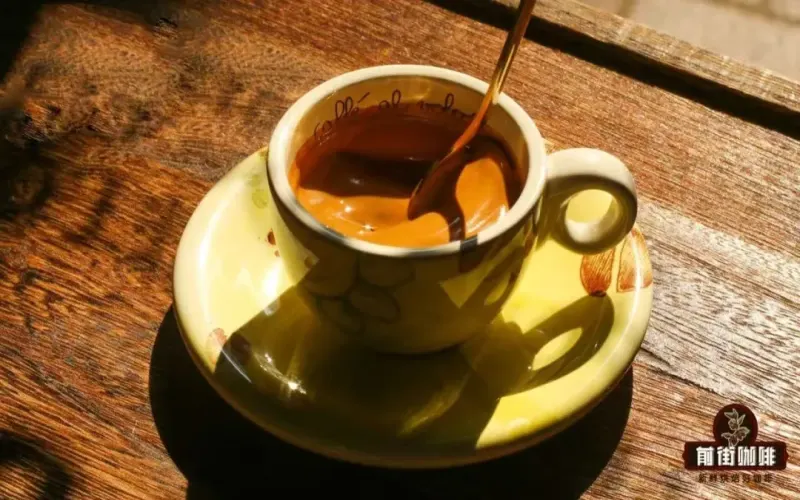
The Secrets Behind Espresso Crema Thickness: Judging Coffee Bean Freshness and Extraction Timing from Crema Condition
The layer of golden-brown crema on the surface of an espresso is not just a visual pleasure—it actually carries important clues about the state of the coffee beans. Many friends who own espresso machines will notice that the crema extracted each time is sometimes thick and rough, and sometimes fine and thin. These differences are not accidental, but an external manifestation of changes in the carbon dioxide content inside the coffee beans. From the perspective of Front Street, this article guides everyone to understand the essential composition of crema, and to learn to judge whether the coffee beans are in their optimal flavor period by observing the thickness, fineness, and stability of the crema, so as to adjust the extraction plan in time and let every cup of espresso perform at its proper level. [more…]