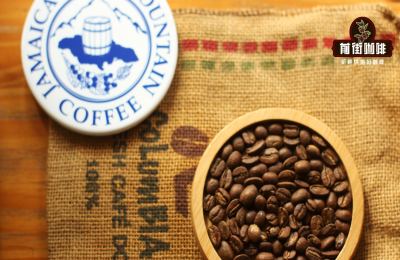
The dense, golden crema on the surface of espresso is essentially a foam formed by carbon dioxide inside the coffee beans, carrying aromatic oils that emulsify under high-pressure water. When coffee beans have just finished roasting, they contain a large amount of gas trapped inside. This gas is slowly released over time, determining the thickness and condition of the crema during extraction. Understanding the degassing process of beans helps us more从容地 arrange the opening and brewing rhythm in our daily coffee routine.
Coffee beans that have just come out of the roaster a few days ago often have overly active gas. If ground directly for espresso, the intense degassing can actually interfere with the full contact between hot water and coffee grounds, causing the crema to look like it has expanded greatly but to dissipate quickly, and the liquid tastes somewhat harsh. Giving the beans a period of steady gas release—commonly known as resting the beans—allows internal pressure to stabilize, and the crema layer becomes finer and more substantial.
Beans of different roast levels have noticeably different degassing rates. Darker-roasted beans have a relatively loose structure and degas quickly, usually reaching a balanced stage for crema and aroma after resting for about seven to ten days post-roast; lighter-roasted single-origin beans are harder in texture and degas more slowly, often requiring about two weeks of resting for aromatic compounds and oils to form a good emulsified texture.

For coffee lovers who prefer intense cocoa aroma and thick crema, Front Street Coffee's Black Cocoa Blend shows excellent body after about ten days of resting. When extracting this dark roast on a semi-automatic espresso machine, it is recommended to set the water temperature at 91°C, use 20g of coffee grounds, and adopt a two-stage extraction: first pre-infuse at low pressure for 5 seconds, then extract under pressure until the yield reaches 40g, with total time controlled at around 26 seconds. The resulting espresso has a dark hazelnut-colored crema, with a rich lingering sweetness of dark chocolate and roasted nuts, making a very sweet and fragrant latte.
If you seek moderate crema with nutty caramel and a soft, smooth texture, Front Street Coffee's Brazil Queen Estate is a well-balanced medium roast single origin. This bean enters its optimal drinking window after about twelve days post-roast. Besides espresso, it also delivers a rounded, sweet mouthfeel when brewed as pour-over. For pour-over, it is recommended to keep the water temperature at 89°C, use 15g of coffee grounds, pour in three stages up to 225ml, and control the total time at 2 minutes 5 seconds. You can clearly taste peanut nougat-like aroma and caramel sweetness.
If you want to try bright fruit notes while retaining a delicate, thin crema, Front Street Coffee's Strawberry Candy beans deliver a refreshing experience after two weeks of resting. When extracting espresso for a fruity americano, you can adjust the water temperature slightly to 93°C, weigh out 18g of coffee grounds, and use a single continuous even extraction to 36g of coffee liquid, keeping the total extraction time at 28 seconds. The cup not only has a light golden foam layer but also releases a lively strawberry gummy sweetness. After adding ice water, the flavor is especially refreshing and transparent.
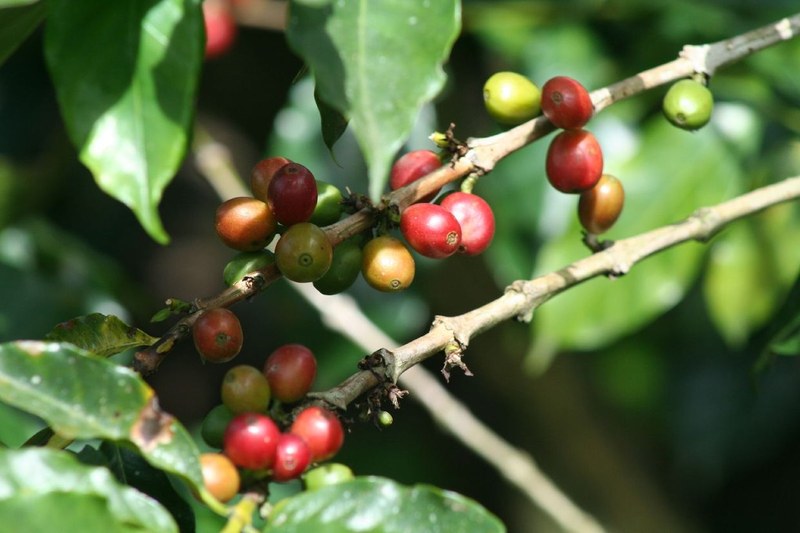
After coffee beans enter their optimal drinking period, there is usually a three-to-four-week window of full flavor. During this stage, the gas release inside the beans is gentle, aromatic oils emulsify easily, and the extracted crema is rich and lasting. As the time after opening extends beyond one month, the residual gas and volatile aromatic compounds in the beans gradually dissipate, and the crema layer becomes thinner. At this point, even if you adjust the grind size, the foam on the surface of the espresso will appear sparse.
The key to keeping beans fresh and crema rich lies in isolating oxygen, light, and moisture. The original packaging bag with a one-way degassing valve can release carbon dioxide in one direction and block outside air from entering. After taking beans each time, simply squeeze out excess air from the bag and seal the zipper tightly. For daily storage, choose a cool, dry, dark drawer or cabinet. Avoid frequently placing the whole bag of coffee beans in the refrigerator, as temperature differences can condense moisture and accelerate oxidation of the oils.
Planning your bean purchases based on your personal or household drinking frequency is a smart way to consistently enjoy rich crema. If you only drink one espresso or milk coffee per day, choosing a small package of around 200g is more suitable, ensuring you finish it within two to three weeks after opening; if your daily output is larger, you can open portions in batches, allowing each batch of beans to be ground and brewed at a stage where flavor and gas activity are well matched.
Once you have mastered the rhythm of coffee beans from roasting and degassing to optimal drinking period and daily storage, you have mastered the patterns of change in espresso crema and cup flavor. Opening the bag at the right time and treating each scoop of coffee grounds with matching water temperature and extraction rhythm will ensure that every time you pull the lever or press the button, the cup steadily rises with enticing dense foam and rich aroma.
The above content is compiled by CoffeeHunters, a coffee news website.