







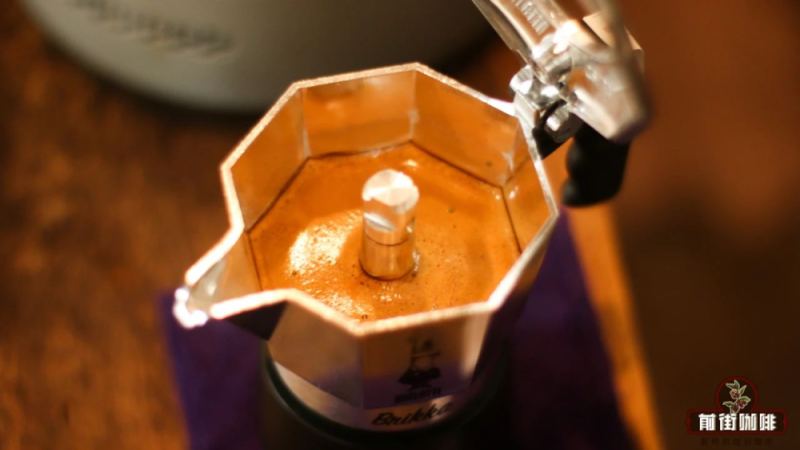
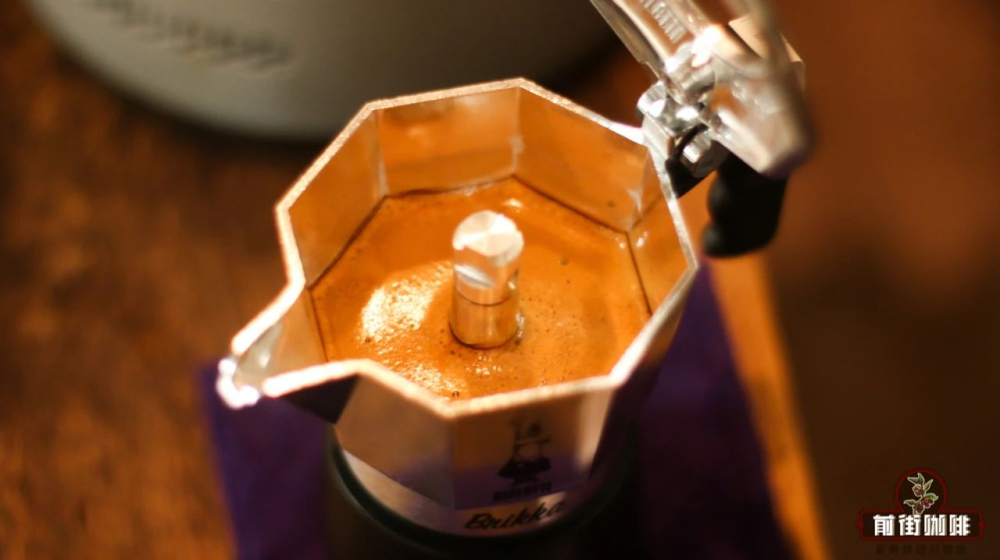
Using a moka pot is very simple, but the brewing process can still occasionally result in bitterness, excessive strength, or insufficient flavor. Today we're sharing some moka pot tips, hoping to help moka pot enthusiasts make delicious espresso-style black coffee at home.

Let's think through everything from bean selection to brewing to tasting
1. Use medium-dark roasted coffee beans — for a richer, more full-bodied flavor
Since the moka pot brews at a relatively high temperature and under pressure, using regular light-roasted coffee beans will not only leave the coffee lacking in oils and aroma, but the extracted espresso will also tend to be extremely sour and astringent with a thin body.
So if you want to make delicious moka pot coffee, we recommend prioritizing medium-dark roasted Front Street PWN Golden Mandheling (herbal, spice), Front Street Brazil Queen's Estate (roasted nuts, creamy chocolate), Front Street Colombia Huila (dark chocolate, cocoa), and Front Street 2013 Yunnan Typica (chocolate, brown sugar). Moka pot coffee made with these beans has richer caramel aromas and a more oily mouthfeel,When drinkingadding water or milk is both fine.

2. Fill in enough grounds — to avoid defective flavors
Normally, filling a moka pot means using a spoon to scoop coffee grounds into the basket, but this leaves a lot of empty space in the basket. We would first fill the empty basket directly with unground coffee beans, filling it to the top before grinding, then try to fit all the grounds into the basket.
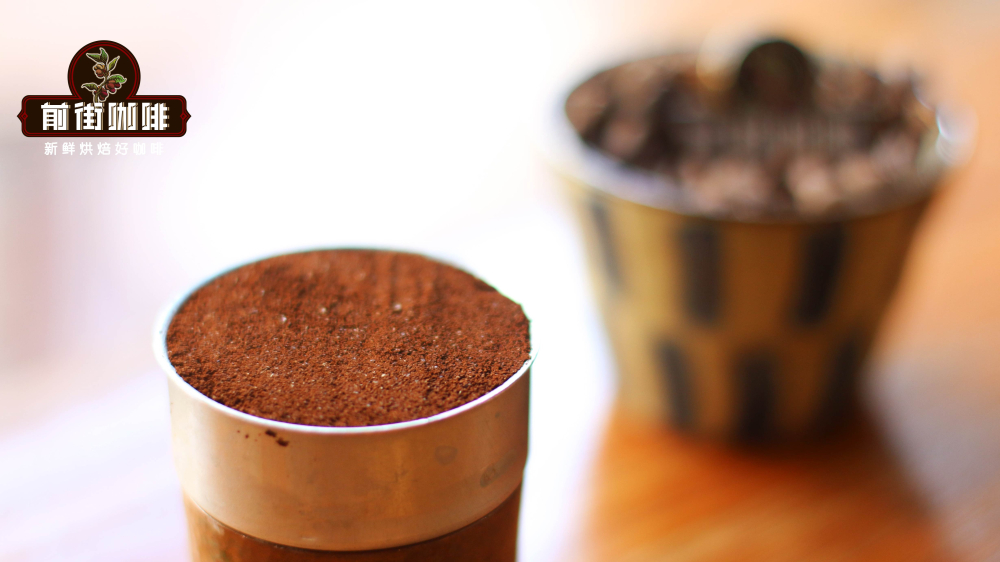
The simplest method is to place a clean cloth on the table, then lightly tap the base of the moka pot vertically, so the coffee grounds on top settle down and make more room for you to fit all the remaining grounds in. Filling the basket full helps keep the density in the basket more uniform, so some grounds won't be over-extracted while others are under-extracted, which would cause uneven flavor or bitterness, and the flavor won't have too many defects.
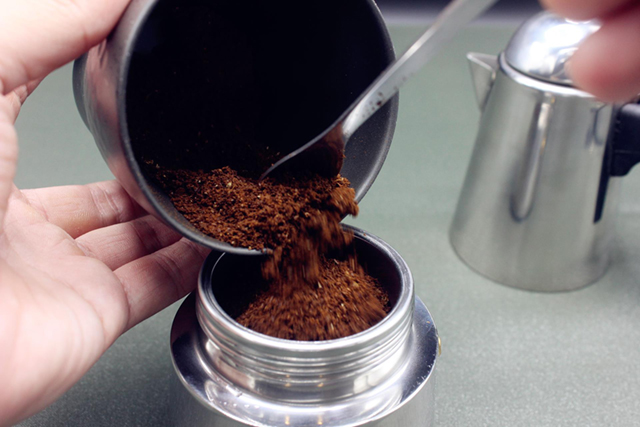
3. Grind size testing — first find the bitterness limit, then work backward to a safe grind setting
Grind size is everyone's favorite question — what exactly is the right coarseness? What number should I grind on with my grinder? But there are hundreds of grinders, and even the same model at the same setting won't necessarily produce the same coarseness, so giving a standard answer is useless. We suggest testing a few grind settings at the beginning to find the general range, then fine-tuning based on taste with each brew — if it's too strong or bitter, go coarser; if it's too sour or weak, go finer.

What about strength? Due to the moka pot's design, the high temperature plus a little pressure makes the flavor relatively intense, so people used to pour-over strength will find it too strong — that's normal. So we suggest after brewing, adjust the strength by adding hot water or milk, rather than easily going coarser on the grind, otherwise the flavor will tend to be insufficient, which would be a real shame.
4. Use a paper filter — for a cleaner mouthfeel
Coffee brewed from a moka pot generally has a small amount of fine particles, giving a slightly gritty sensation when you drink down to the bottom. Some people don't like this mouthfeel, and you can also brew with a paper filter. You can buy round paper filters sold on the market (also called disc filters), or cut pour-over filters yourself — both work very well.
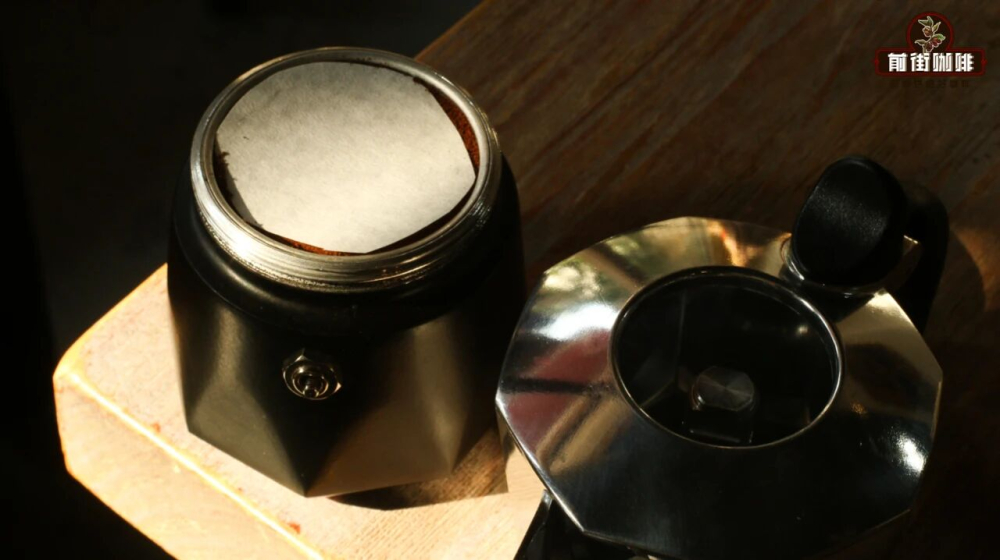
After putting the coffee grounds into the basket, place the paper filter on top of the grounds or stick it to the bottom of the upper chamber — either works. The brewed coffee will then be filtered through the paper, effectively making the mouthfeel cleaner, with a big difference in texture. Additionally, if you want to slightly adjust the fruit acidity of the brew, using two layers of paper filter can slightly reduce the sourness, turning it into a fuller-bodied mouthfeel — a very convenient and simple application.
5. Turn to low heat when it's about to boil, and turn off the heat when the coffee reaches halfway up the pot — to avoid bitterness
After distributing the grounds and locking the upper chamber onto the moka pot, of course it's time to start heating and brewing. Actually, whether you brew with hot or cold water, the moka pot is quite fast, so we still suggest not wandering off and keeping an eye on the moka pot — good heat control makes for better taste. The key is that when the moka pot reaches a certain temperature, it makes an obvious sound; at that point you can turn to low heat and not let the temperature rise too quickly. A gradual rise in temperature gives the water in the lower chamber and the coffee grounds enough extraction time, so the flavor will be full.
Rising temperature too fast = water rising too fast, which easily disturbs the coffee bed and causes uneven extraction, making it taste bad. Also, when the coffee in the upper chamber reaches halfway, you can prepare to turn off the heat — the pressure inside the pot increases the further brewing goes, so letting the residual heat finish the brewing is sufficient.

6. Add water appropriately — to mix the perfect strength
Finally, a reminder: moka pot coffee is basically on the strong side, and it's more comfortable to drink with added water. For example, a basket packed full of coffee grounds is about 20g, and a full lower chamber of water is about 200ml; the actual coffee poured out is about 160ml, meaning the grounds-to-water ratio is about 20:160 = 1:8, which is quite concentrated.

The strength most people are used to drinking is around 1:12–1:15, which shows that moka pot coffee is on the strong side. So add an appropriate amount of water to adjust the strength to the flavor you personally like — that's the truly more comfortable way to drink it, rather than forcing yourself to drink strong coffee. The good flavors in coffee won't disappear just because you add water; on the contrary, the right strength lets you taste more of the refined, good flavors. When usingmoka pot to extract selected single-originFront Street Queen's Estate coffee beans, the espresso smells of roasted peanuts and butter cookies, and after adding hot water, the coffee instantly transforms into rich aromas of roasted nuts, chocolate, and cocoa.
The above content is compiled by CoffeeHunters, a coffee news website.


