







What Gives Mandheling Coffee Its Full Body and How Should It Be Brewed?
Mandheling coffee tastes full-bodied because of several linked factors: variety, growing altitude, processing method, roast level, and brewing technique. Indonesian beans such as Mandheling and Kopi Luwak are known for thick, prominently bitter notes, but coffees from other origins can also deliver solid body. Understanding what body actually is—the mouthfeel perceived when drinking—makes it easier to judge flavor.
Body starts with variety: Robusta and Robusta-Arabica hybrids carry high body and an oily mouthfeel, which is why a blend with a small amount of Robusta can taste of butter, maple syrup, roasted hazelnut, and dark chocolate. Altitude also matters; in Arabica cultivation, coffee beans grown above 1,200 meters are generally denser and of better flavor quality.
Why does Mandheling coffee taste so full-bodied? And how should dark-roasted beans be brewed to avoid a burnt, bitter taste? This article systematically sorts out the key factors affecting coffee body—from coffee variety, growing altitude, and processing method to roast level, brewing equipment, and technique—and offers recommendations for full-bodied beans at different roast levels from the Front Street Coffee bean list. Whether you're a dark-roast lover who prefers a rich body or a single-origin coffee enthusiast trying to understand where body comes from, you'll find practical ideas for choosing beans and brewing here.
Coffee beans carry the flavor label of their origin, which is one of the reasons single-origin coffee is so highly regarded today. Beans from the Indonesian region have always been known for their thick, prominently bitter notes, with Mandheling and Kopi Luwak being typical examples.
However, you don't have to fix your eyes on Indonesian beans to get a full-bodied taste. There are plenty of coffees from other origins on the market that can also deliver a solid body. The key is to figure out: what exactly is coffee body? What factors influence it? Once you understand these questions, your ability to judge coffee flavor will improve noticeably.
What we usually call coffee body is simply the mouthfeel we perceive when drinking coffee. Generally speaking, coffee with good mouthfeel comes across as full-bodied and textured; coffee with poor mouthfeel tends to be astringent or watery.
From variety and growing environment to processing method, roasting, and brewing, every step affects coffee body.
Some coffee varieties are naturally high in body. Robusta, for example, whose flavor performance isn't particularly outstanding, is nonetheless known for its extremely high body and rich oily mouthfeel. Hybrids of Robusta and Arabica inherit these same characteristics. It's precisely because Front Street Coffee's classic blend includes a small amount of Robusta that it presents flavors of butter, maple syrup, roasted hazelnut, and dark chocolate—making milk coffee silky and rich, and latte art much easier.
The higher the altitude at which coffee is grown, the denser the beans and usually the better the quality. In the consensus on Arabica cultivation, only coffee beans grown above 1,200 meters have good flavor quality, which is why many single-origin coffees list altitudes above 1,200 meters.
As for processing, the more substances involved in fermentation, the more pronounced the coffee's body becomes. Natural processing ferments the whole fruit together, giving an overall fuller, rounder mouthfeel. Honey processing retains the mucilage layer to participate in fermentation—the more that's retained, the fuller the body. Washed processing involves only the coffee bean itself fermenting, so the mouthfeel tends to be clearer and cleaner.
These three points do affect coffee mouthfeel, but they aren't the most direct or primary factors. If it's the same bean, what can cause the most obvious change in body is roasting. Generally speaking, the longer the development period after first crack, the more complete the caramelization reaction, and the fuller the coffee. Compare a light-roasted Kenya AA with Mandheling—Mandheling's body is undoubtedly superior. But if you roast the Kenya darker, its body immediately increases and it's no longer outmatched by Mandheling.
Of course, this doesn't mean that roasting beans darker and darker will give you high body. Over-roast them, and the coffee easily develops a bitter, burnt taste from start to finish—not worth the trade-off.
At this point, it's basically clear which coffees are more full-bodied: first, dark-roasted beans are fuller-bodied than light-roasted beans; second, at similar roast levels, natural-process beans are fuller-bodied than washed beans. Here's a reference for you: on Front Street Coffee's bean list, the medium-dark roasted, full-bodied options include Front Street Lindong Mandheling, Front Street Blue Mountain No. 1, Front Street Queen's Estate, and Front Street 2013 Sun-Dried Typica (Yunnan coffee); the medium-light roasted, full-bodied options include Front Street Sun-Dried Red Cherry, Front Street Kenya Little Tomato, Front Street Huakui, and others.
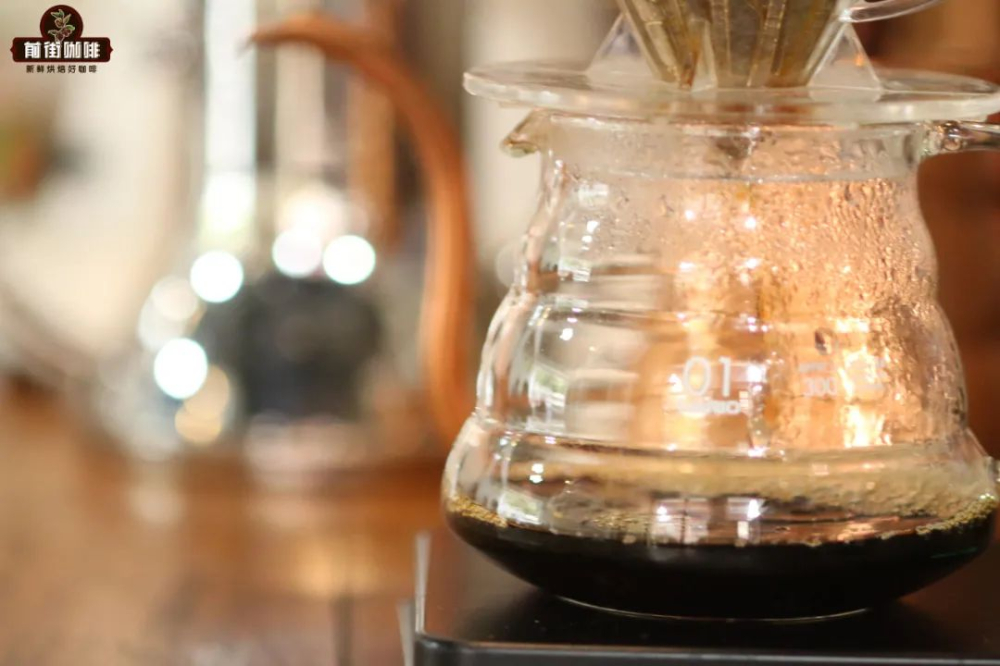
Once you've chosen the right coffee beans, the final step—brewing—is equally crucial. We know that part of coffee's full-bodied mouthfeel comes from oils, so dissolving more oils into the coffee liquid gives you a better mouthfeel. Using flannel as a filter will deliver a more pronounced body than paper filters.
Brewing technique also affects the final cup. In Japan, for example, there are many methods specifically for brewing full-bodied coffee, such as the Kono style and the Matsuya style.
The above content is compiled by CoffeeHunters, a coffee news website.


