







Search Results for: number of pouring stages
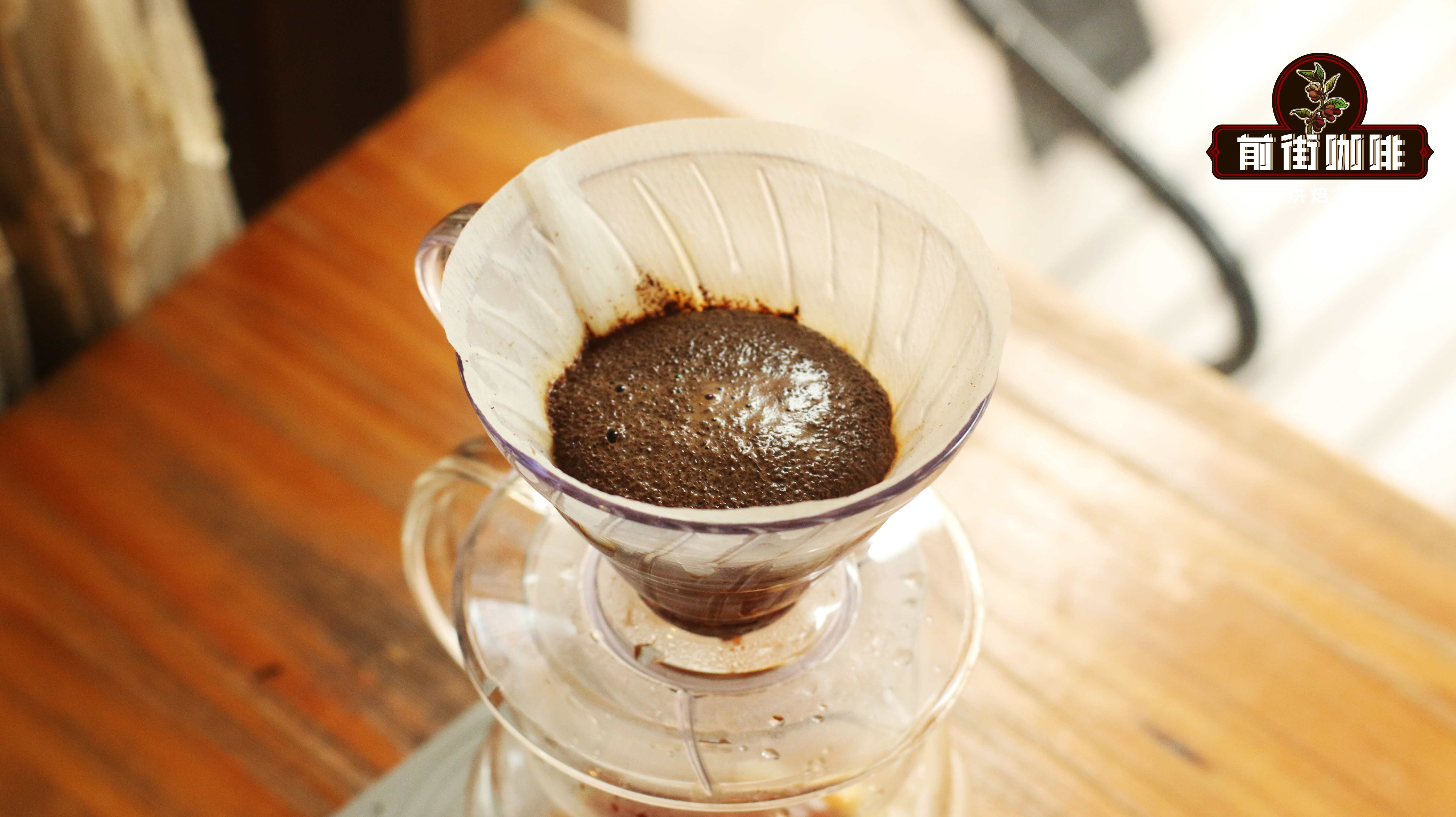
Why exactly is the bloom in pour-over coffee unskippable? A complete analysis from the principles of degassing to the number of pouring stages
The blooming phase in pour-over coffee may look like simply wetting the coffee grounds with hot water, but it actually determines whether the entire cup can be extracted evenly. Drawing on the hands-on experience of Front Street Coffee, this article systematically sorts out the core purposes of blooming—releasing gases inside the coffee beans, ensuring even extraction, and judging bean freshness—and analyzes one by one how factors such as coffee bean storage time and roast level, water temperature, amount of water poured, blooming duration, and grind size affect the blooming effect. Through comparative experiments, the article also verifies the actual impact of the number of pouring stages on extraction time and flavor performance, helping enthusiasts understand the logic and applicable boundaries of three-stage pouring. [more…]
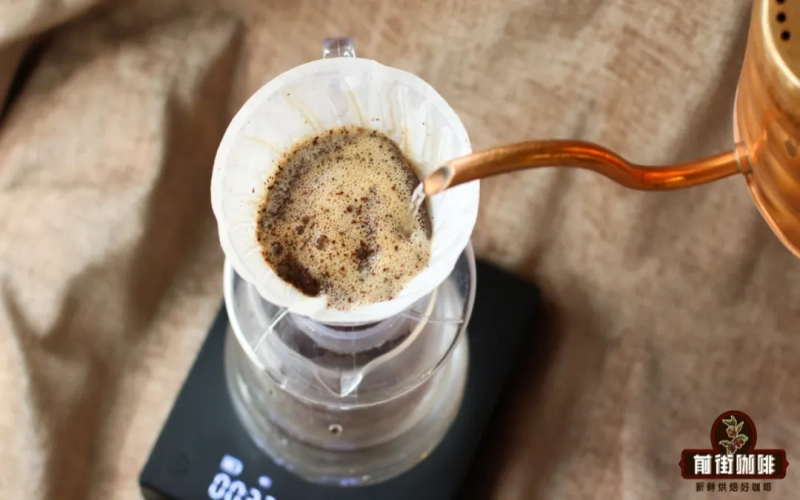
What Are the Principles and Advantages of Pulse Pouring in Pour-Over Coffee? A Full Analysis of Water Ratios and Flexible Adjustment Methods
In the practice of pour-over coffee, staged pouring is a widely used technique, yet the principles behind it and the scenarios in which it applies are often overlooked. Drawing on Front Street Coffee's brewing experience, this article systematically outlines the three major advantages of staged pouring: extending extraction time, improving extraction efficiency, and avoiding bypass water. At the same time, using concrete examples, the article explains how to flexibly adjust the number of pouring stages according to variables such as grind size, water temperature, coffee dose, and bean density. Whether you are a beginner just getting into pour-over or an enthusiast hoping to refine your technique, you can gain practical reference ideas from it to make each cup of coffee's flavor expression more stable and fuller. [more…]
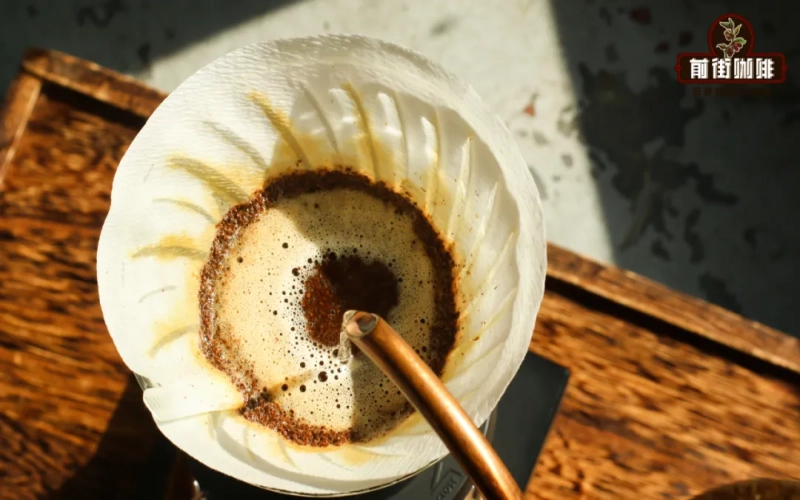
How Should You Decide the Timing for Multiple Pours in Pour-Over Coffee? An Analysis of the Practical Impact of Pour Timing on Extraction Efficiency and Flavor
Multi-pour pouring is a brewing technique commonly used by many enthusiasts in pour-over coffee, but for each pour, should you wait for the water level to drain completely before pouring again, or continue pouring while there is still liquid in the dripper? This seemingly minor choice actually affects the final extraction efficiency through two dimensions: extraction time and liquid concentration. Starting from a comparative experiment at Front Street, this article analyzes the specific effects of different pouring timings on extraction yield and flavor performance, and offers practical advice on how to flexibly choose pouring nodes in different brewing scenarios, helping you more precisely control the flavor direction of every cup of pour-over. [more…]
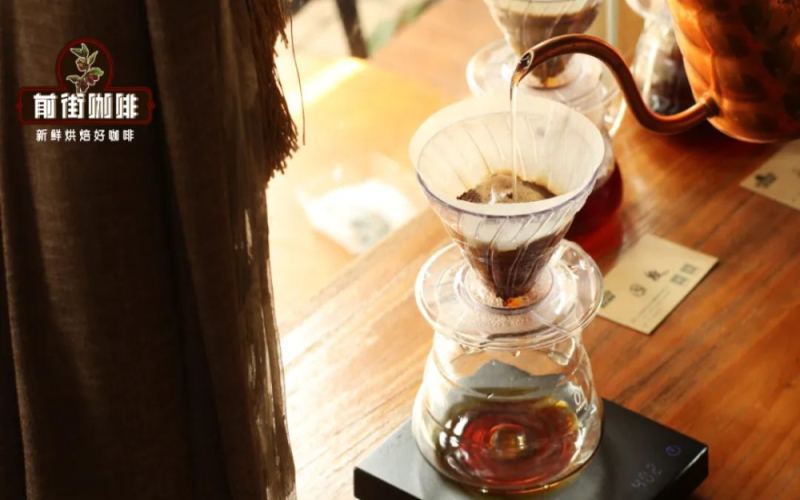
How Many Pours Can You Really Split Into for Pour-Over Coffee? A Full Breakdown of the Three-Pour Method's Key Steps and Timing Control
The pouring method in pour-over coffee directly influences the final flavor profile, and staged pouring is a core technique that the vast majority of coffee enthusiasts will encounter. After blooming, should you pour all the water in one go or pause midway? What is the most reasonable number of stages? And how do different numbers of stages change the mouthfeel, aroma, and layers of the coffee? Drawing on Front Street's actual brewing experience, this article systematically sorts out the definition and working mechanism of staged pouring, and through three sets of comparative experiments reveals the relationship between the number of stages and extraction efficiency and flavor performance, while also offering the most beginner-friendly operational advice to help you more consistently bring out the best in a bean in your daily brewing. [more…]
A Complete Guide to Blooming and Pouring in Pour-Over Coffee: Degassing Principles, Key Variables, and a Three-Pour Practice Method
In pour-over coffee, blooming is an indispensable step, as it affects degassing, extraction evenness, and the assessment of bean freshness. Drawing on Front Street Coffee's practical experience, this article breaks down in detail the purpose of blooming and the factors that influence it, including storage time, roast level, water temperature, water volume, duration, and grind size, and explains the complete process of the "little hill" expanding and then collapsing during blooming. The article then provides the specific steps for three-pour brewing: a 30-second bloom followed by two subsequent pours, with the total extraction time controlled at 2 minutes. Finally, through comparative experiments, it analyzes the impact of the number of pours on extraction time and flavor, answering the common question of whether the three-pour method is optimal, and helping coffee enthusiasts build a clearer pour-over logic. [more…]
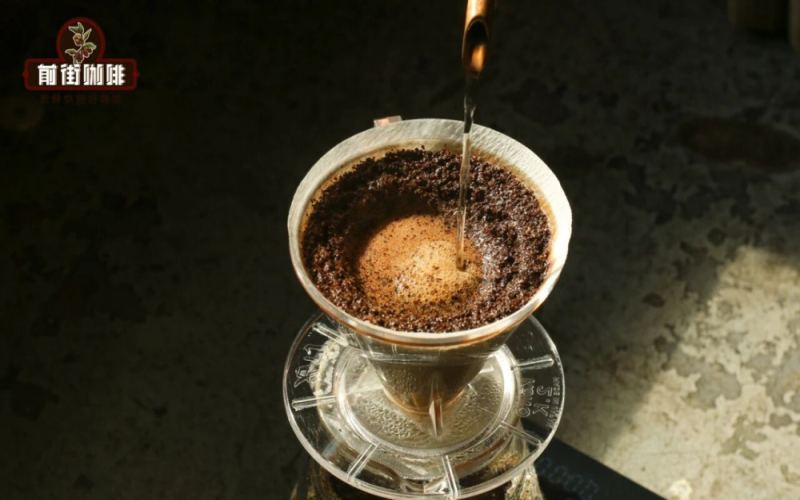
Iced Pour-Over Coffee Sweetness Extraction Techniques: Grind and Pour Adjustments Using Strawberry Candy Coffee Beans as an Example
Ice pour-over coffee often faces issues of under-extraction and weak sweetness due to a reduced coffee-to-water ratio and dilution from added ice. Starting from the principles of extraction, this article analyzes how to capture more sweet compounds in ice pour-over by adjusting grind size, the number of pouring stages, and the coffee-to-water ratio. Using Front Street Coffee's Costa Rica Strawberry Candy coffee beans as a demonstration, Front Street tested techniques such as finer grinding, increasing the number of pouring stages, and cooling over ice, ultimately achieving an iced coffee with a full-bodied flavor and clear dried-fruit sweetness. The article also explores the impact of flow rate on extraction and emphasizes that brewing recipes are not universal formulas, encouraging coffee enthusiasts to try diverse approaches. [more…]
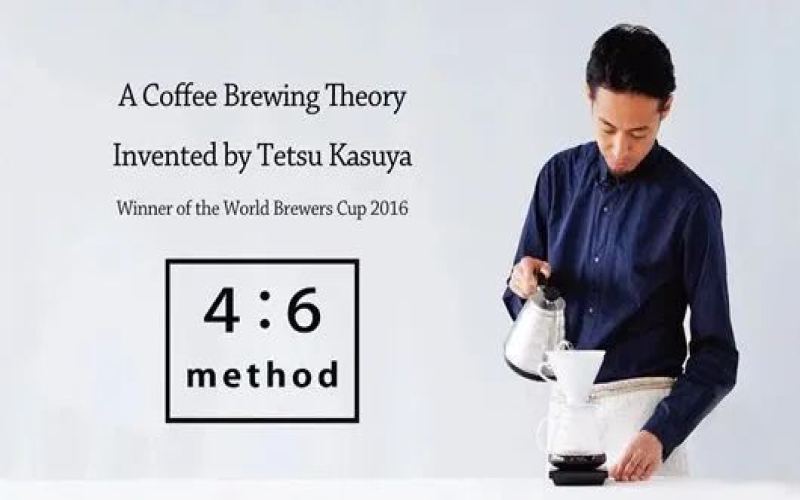
Complete Parameter Analysis of the 4:6 Method for Pour-Over Coffee: Grind Size, Staged Pouring Time, and the Principles of Acidity, Sweetness, and Body Control
The 4:6 method was created by Tetsu Kasuya, and its core idea is to let anyone brew a consistently good cup of coffee. It splits a single pour into five stages: the first 40% of the water governs the flavor direction, while the latter 60% determines the strength of the body. Combined with an extra-coarse grind and fixed intervals, it greatly lowers the barrier to water control. This article lays out the standard parameters of the 4:6 method in full, including dripper choice, coffee-to-water ratio, grind passing rate, water temperature, and pouring rhythm. It also takes a deep look at the logic behind the coarse grind and the 45-second intervals, explains how adjusting the ratio of the early and late stages changes the sweet-and-sour profile, and shows how increasing or decreasing the number of stages lets you control body, helping you apply this method flexibly. [more…]

Basic Knowledge for Pour-Over Coffee Beginners | Is Blooming Essential in Pour-Over Coffee? What Is the Purpose of Blooming Coffee Grounds by Pouring Water? How Do You Adjust the Coffee-to-Water Ratio in Pour-Over Coffee?
Front Street Coffee often encounters many pour-over beginners who ask a question: Why does pour-over coffee need blooming? The most indispensable step in pour-over coffee is the blooming stage. The purpose of blooming is to allow the coffee to release gases and ensure even extraction, and it also clearly reveals whether the beans being brewed are fresh. Front Street Coffee focuses on fresh [more…]
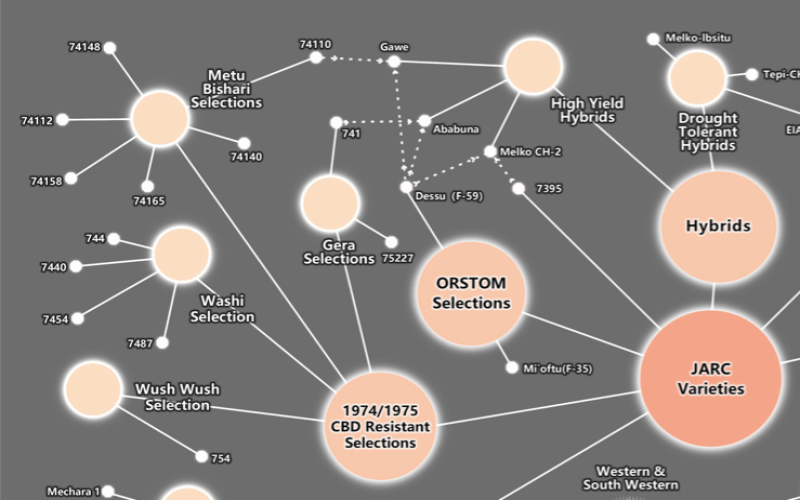
The Origins of Ethiopia's 74 Series Numbered Coffee Varieties and a Flavor Brewing Guide for 74158
In the world of coffee, some varieties are not known by familiar names like Bourbon or Typica, but by a string of seemingly mysterious numbers, such as Ethiopia's 74 series, which begins with 7. Where did they come from, and what do the numbers represent? This article traces the background behind the creation of this group of disease-resistant varieties, explains the meanings of codes such as 741, 74110, 74158, and 74165, and focuses on the Sidamo Saint Vini 74158 sold by Front Street Coffee, sharing the flavor profile and pour-over parameters brought by its 96-hour anaerobic natural process, helping coffee lovers understand the story behind numbered varieties and their charm in the cup. [more…]
Coffee Bean 74 Series | What Are Ethiopian Coffee Varieties 74110 and 74158? Introduction to Sidamo Santa Vini Coffee Flavor, Mouthfeel, and Pour-Over Brewing Parameters
(Top left) Among the thousands of different coffee varieties, it's inevitable that some beans have rather unusual names! Unlike most beans such as Bourbon and Typica, which have conventional names, these are like secret agents, each with their own code number. For example, varieties named with letters plus numbers. [more…]
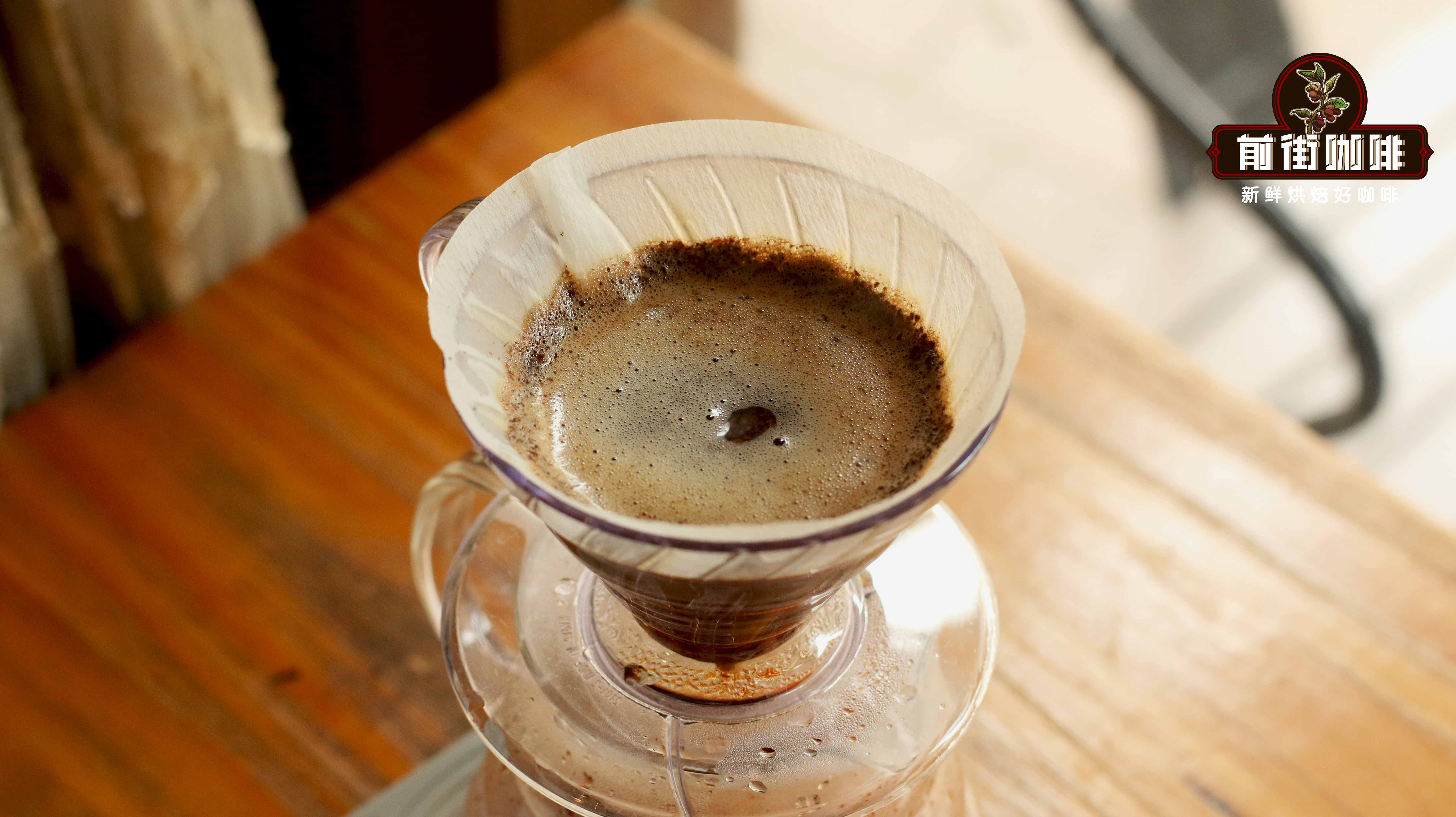
A Complete Analysis of Five Pour-Over Coffee Techniques: Detailed Parameters for One-Pour, Three-Stage, Stirring, 4:6, and Kono Methods
Pour-over coffee may seem simple, but in reality every pouring technique brings out a completely different flavor profile. Front Street Coffee's daily in-store offerings uniformly use the three-stage pour, but the baristas know well that changing the pouring height, water temperature, flow rate, or number of stages is equivalent to creating an entirely new brewing method. This article compiles five distinctive pour-over techniques—the one-pour method, the three-stage method, the agitation method (Rao's spin method), the 4-6 method, and the Kono-style method—breaking down their key operational points and suitable scenarios one by one, along with Front Street Coffee's complete brewing parameters, so that coffee enthusiasts can try them at home one by one and, through comparative tasting, find the cup that best suits their own taste. [more…]
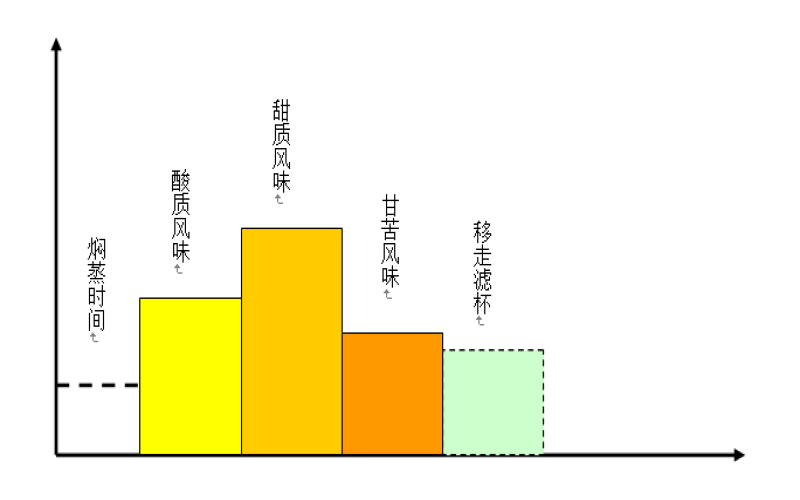
Segmented Extraction and Sweetness Release in Pour-Over Coffee: Flavor Changes Across the Beginning, Middle, and End Stages, and a Four-Pour Comparative Practice
In pour-over coffee, staged pouring is a common technique for regulating flavor. The three tastes in coffee—acidity, sweetness, and bitterness—are not released at the same rate; hot water draws them out in sequence. This article uses Front Street Coffee's medium-roast Papua Bird of Paradise coffee beans as an example. With 15g of grounds, 225ml of total water, and a water temperature of 89°C, it employs three-stage and four-stage pouring respectively to compare the flavor differences in the early, middle, and late coffee liquid, helping you find the extraction stage where sweetness is most concentrated. It also explains how the number of stages affects extraction yield, operating time, and the risk of over-extraction, and offers practical ideas for improving the efficiency of sweetness extraction. [more…]
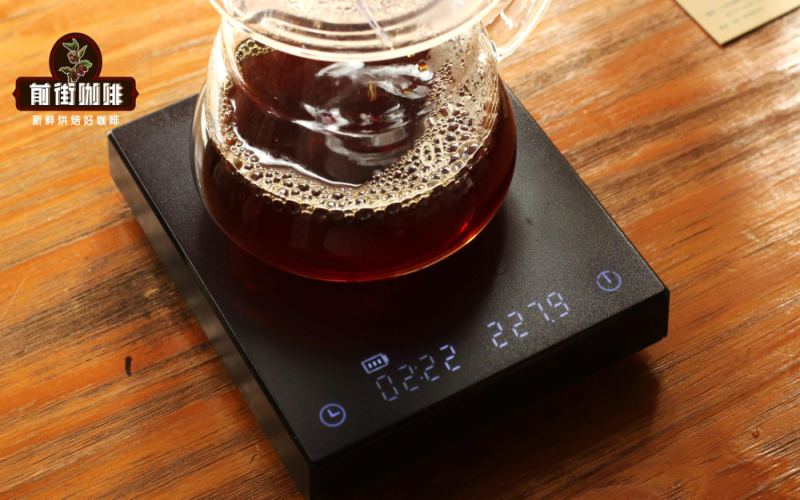
How Long Is a Normal Pour-Over Coffee Extraction Time? An Analysis of the Relationship Between Coffee Dose, Pouring Technique, and Time Parameters
When using a scale with a timer for pour-over coffee, what practical significance does it actually have? The length of the extraction time directly reflects the direction of the coffee's flavor—too long, and it becomes strong and bitter; too short, and it turns weak and thin. But extraction time is not a variable that can be controlled independently; it is constrained by many factors such as the dose, pouring method, and grind coarseness, making it a classic passive parameter. This article will systematically sort out the normal extraction range for a 15-gram dose, analyze the impact of increasing the dose and changing the number of pour stages on time, and explain how to use extraction time to judge whether the brewing parameters are reasonable. The article also includes the recommended brewing time for Front Street Yirgacheffe coffee beans for readers to compare and refer to. [more…]
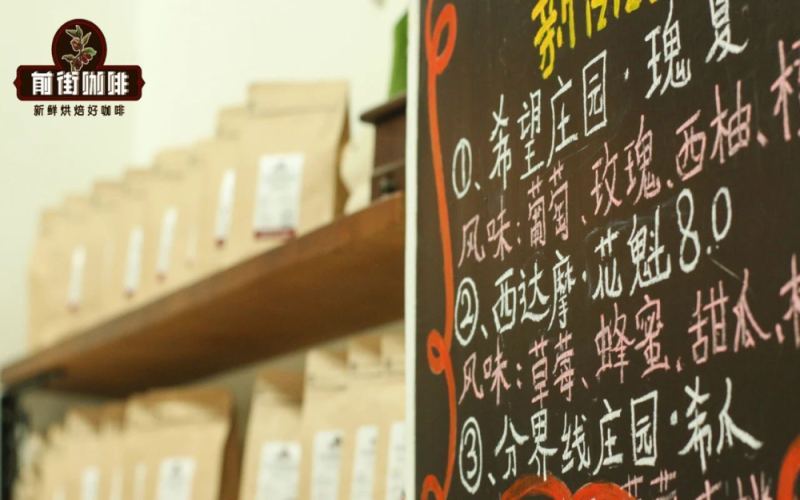
Ethiopian Huakui Coffee Pour-Over Guide: Brewing Parameters and Flavor Evolution of Sidamo Hambela Natural Beans
Huakui is the exclusive title for sun-dried G1 coffee beans from the Hambela region of Ethiopia, released each year with a new version number, and its flavor is adjusted according to the changes of each harvest season. This article sorts out the complete thread of Huakui from its origin at the Buku Abel processing station, to DW Company's expansion of production, to the version numbering system, explains its flavor characteristics interwoven with floral notes and tropical fruits, and provides Front Street Coffee's medium-light roast pour-over plan for the new 2025 harvest season Huakui: V60 dripper, 15 grams of coffee, 1:15 coffee-to-water ratio, 90°C water temperature, medium-fine grind, three-stage pouring with a total duration of about 2 minutes 10 seconds. In addition, detailed steps for Huakui 8.0 iced pour-over are included, using a stirring technique combined with ice cooling to present a full juice-like mouthfeel. [more…]
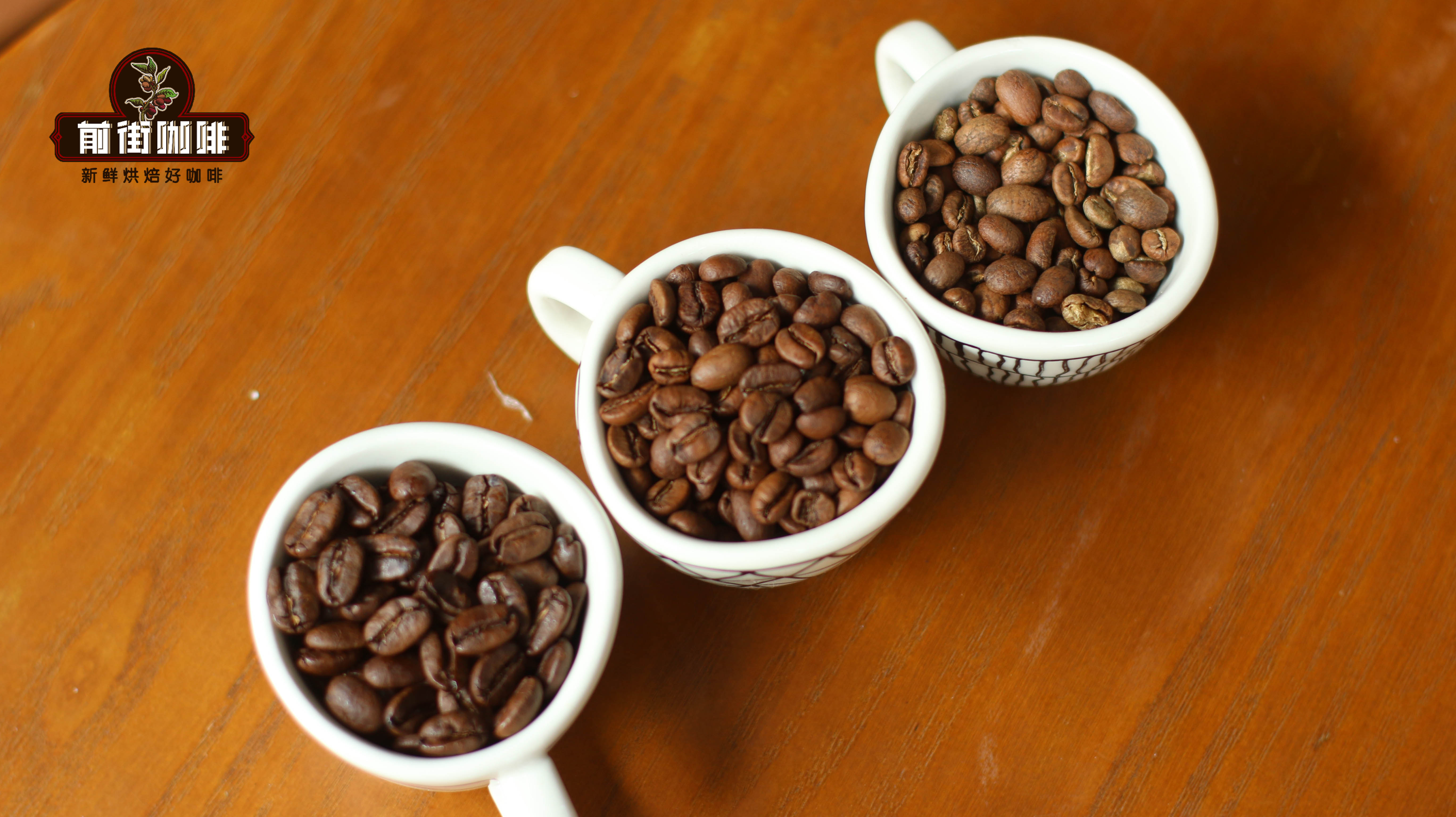
Coffee Bean Roast Level Guide: Flavor Differences and Selection Tips from Light Roast to Espresso Roast
The transformation of coffee beans from green raw beans to brown roasted beans depends entirely on the key process of roasting. As roasting time varies, the surface color of the beans changes accordingly, giving rise to different classifications of roast levels. The Specialty Coffee Association of America (SCAA) established a reference system of 8 levels based on Agtron color values, from light roast to Italian roast, with each stage corresponding to a unique flavor direction and unloading timing. This article will use a text-and-image format to analyze one by one the color value ranges of each roast level, the rhythm nodes of first crack and second crack, and the evolution logic of acidity, sweetness, and bitterness. It will also introduce two niche styles—Nordic ultra-light roast and Japanese ultra-dark roast—and share how Front Street Coffee simplifies classification in actual production to help consumers understand roast levels. Finally, it will include practical advice on the five stages of roasting and home roasting. [more…]
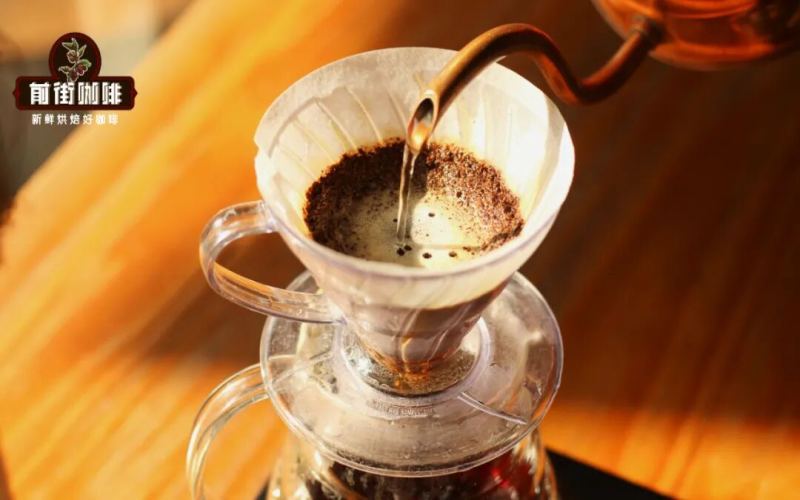
Pour-Over Coffee Brewing Methods | Does Multi-Stage Pouring Make Pour-Over Coffee Taste Better? How to Do Staged Pouring When Making Pour-Over Coffee?
In yesterday's post, Front Street mentioned that one of the advantages of pour-over coffee is its high level of controllability. During the brewing process, we can adjust the pouring method based on the actual situation, so that the coffee's flavor does not stray from being delicious. This statement is not unfounded; many techniques can help us do [more…]
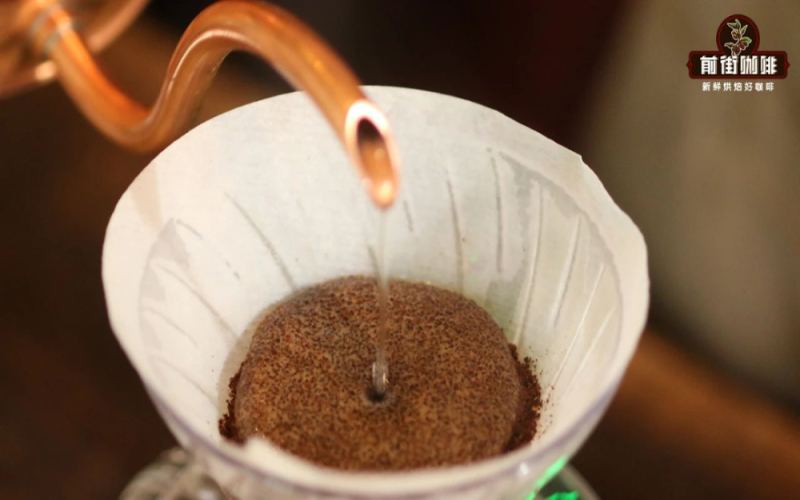
A Complete Guide to Three-Pour Hand-Brewed Coffee: Blooming Techniques, Water Distribution, and V60 Practical Guide
The three-pour method is one of the most classic and highly regarded extraction techniques in pour-over coffee. By splitting the total water volume into three pours and including two interruptions in between, it adjusts the proportion of flavors from the front, middle, and back ends of the coffee. Starting from the principles of staged pouring, this article breaks down the blooming step in detail and the logic behind water distribution for each stage. Using 15 grams of Front Street washed Yirgacheffe with a Hario V60 dripper as an example, it provides a complete demonstration of the three-pour pour-over process and parameter settings, helping coffee enthusiasts master this brewing method that balances harmony and complexity. [more…]
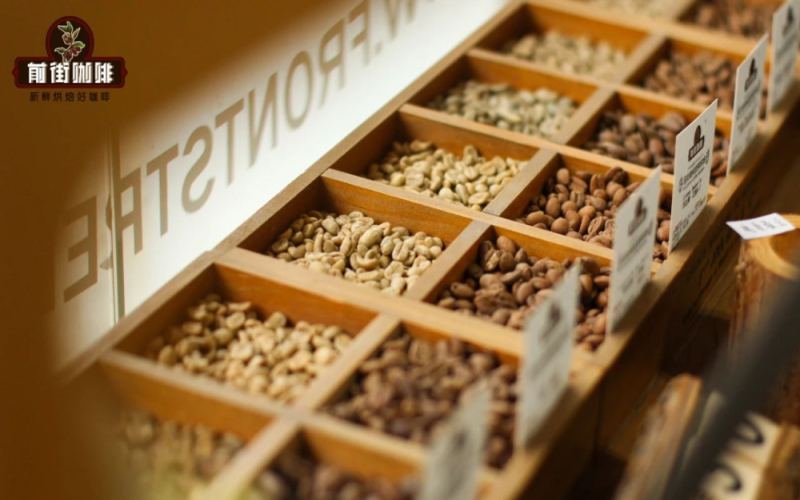
Does Ethiopian Natural Huakui G1 Represent the Highest Quality? Decoding the Meaning of the Hambella 7063 Batch Number
How exactly does Ethiopia's coffee grading system work? Is sun-dried Geisha G1 equivalent to the highest-quality coffee beans? What does the batch number Hambella 7063 represent? This article will systematically sort out Ethiopia's coffee grading standards, including the two major dimensions of cupping score and green bean defect rate, and deeply analyze the grading logic of the sun-dried processing method. At the same time, it will take you into Hambella, the Guji producing region and hometown of Geisha coffee, to learn about its geographical environment, farm operations, and the origin of its name. Finally, it includes Front Street Coffee's light-roast brewing parameters and three-stage extraction method for Geisha, helping you fully release the floral and fruity aromas of this bean. [more…]
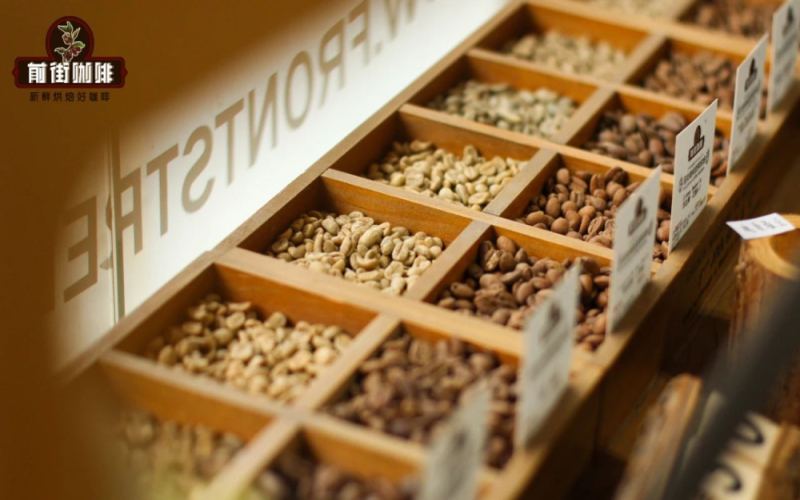
A Complete Guide to Coffee Bean Roast Levels: From Agtron Numbers to Practical Brewing for Light and Dark Roasts
The roast level of coffee beans often directly determines the flavor expression in the final cup. When confronted with terms on packaging such as light roast, medium roast, dark roast, and even cinnamon roast, city roast, and French roast, many friends new to specialty coffee are often confused. From the perspective of Front Street Coffee, this article first sorts out the eight-tier roast standards established by the SCAA based on Agtron color values, then groups them into two major categories—light and medium—explaining their respective flavor tendencies. It then uses the light-roasted Yirgacheffe Gedeb Cooperative and washed beans, along with the medium-dark roasted Front Street PWN Golden Mandheling as examples, fully disclosing the roast curves and brewing parameters for the V60 and KONO Meimon drippers, helping readers build a systematic understanding from roasting to extraction. [more…]
From Light Roast to Espresso Roast: A Full Analysis of the Eight-Level Coffee Bean Roast Classification and the Five Major Stages
Coffee beans transform from green raw beans into brown roasted beans entirely through the key process of roasting. The length of roasting time directly determines the depth of the bean surface color and also shapes completely different flavor directions. The roasting color standard card established by the Specialty Coffee Association of America (SCAA) divides roast levels into eight grades, from light roast to Italian roast, with each level corresponding to a specific drop time and flavor characteristics. In addition, emerging concepts such as Nordic ultra-light roast and Japanese ultra-dark roast have gradually entered the view of enthusiasts. This article will systematically sort out these eight levels, the five stages of roasting, and the classification methods used by Front Street Coffee in practical applications, helping readers build a complete understanding of coffee roast levels. [more…]