








How Does the Coffee V60 Brewing Cup Fit the 4:6 Method?
The 4:6 method, created by Tetsu Kasuya, splits one brew into five equal pours of three times the coffee dose in water. The first 40% of the water sets flavor direction and the balance of acidity and sweetness, while the remaining 60% controls body and intensity, so consistent results need no steady hand.
Standard parameters use a Hario V60 coffee v60 brewing cup, 20g of coffee to 300ml of water, 92°C, a coarse grind at 50% passing a No. 20 sieve, and 45-second intervals. Shifting the early and late ratios changes the sweet-and-sour balance, and adding or removing pours adjusts body. Similar logic applies to how to make coffee by coffee maker at home.
The 4:6 method was created by Tetsu Kasuya, with the core idea of enabling anyone to consistently brew a good cup of coffee. It divides a single pour into five stages: the first 40% of the water governs the flavor direction, while the remaining 60% determines the body and intensity. Combined with an extra-coarse grind and fixed intervals, it greatly lowers the barrier to water control. This article provides a complete breakdown of the 4:6 method's standard parameters, including dripper choice, coffee-to-water ratio, grind passing rate, water temperature, and pouring rhythm. It also takes a deep dive into the logic behind the coarse grind and 45-second intervals, explains how to shift the sweet-and-sour balance by adjusting the ratio of the early and late stages, and shows how to control body by increasing or decreasing the number of stages—helping you apply this method flexibly.
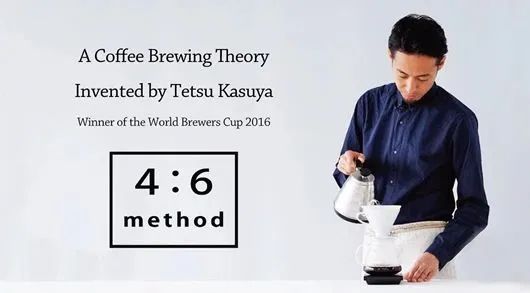
The 4:6 method is a low-barrier, easy-to-learn, and highly practical pour-over approach, with thorough and rigorous parameter settings. Even if you have no interest in studying extraction theory for now, you can still get a good-tasting cup by simply following the numbers. And if you want to use it to understand the extraction logic behind pour-over, this method offers plenty of insight as well.
The inventor, Tetsu Kasuya, set out to create a way for "anyone to brew delicious coffee." So it doesn't demand a highly steady pouring technique, nor does it require a deep theoretical foundation—just follow the parameters and you'll get consistent results.
According to Tetsu Kasuya's explanation, a single brew is evenly divided into five pour stages, each using three times the coffee dose in water. The first two stages together make up 40% of the total water and determine the flavor direction (the balance between acidity and sweetness). The last three stages make up 60% and determine the body and intensity (richness).
The specific parameters are as follows: Dripper: Hario V60 Coffee dose: 20g Total water: 300ml Grind: coarse pour-over grind (50% passing rate on a No. 20 sieve) Water temperature: 92°C Interval between pours: 45 seconds (including pour time) Duration of each pour: 5–7 seconds
Pouring process First pour: 60ml (45s interval) Second pour: 60ml (45s interval) Third pour: 60ml (45s interval) Fourth pour: 60ml (45s interval) Fifth pour: 60ml (wait for the coffee to finish dripping, about 3 minutes 40 seconds)
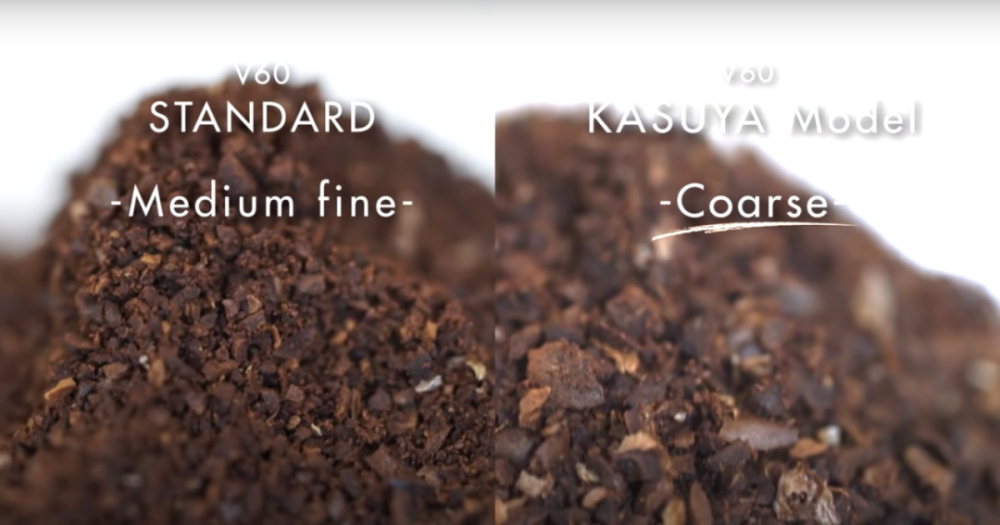
Next, let's analyze why this method stays so consistent. The most critical factor is the grind size—many beginners fail at brewing coffee because of over-extraction. The grind used in the 4:6 method is surprisingly coarse: Front Street Coffee typically keeps the grind for light roasts at an 80% passing rate on a No. 20 sieve, while the 4:6 method uses only 50%, greatly improving its compatibility.
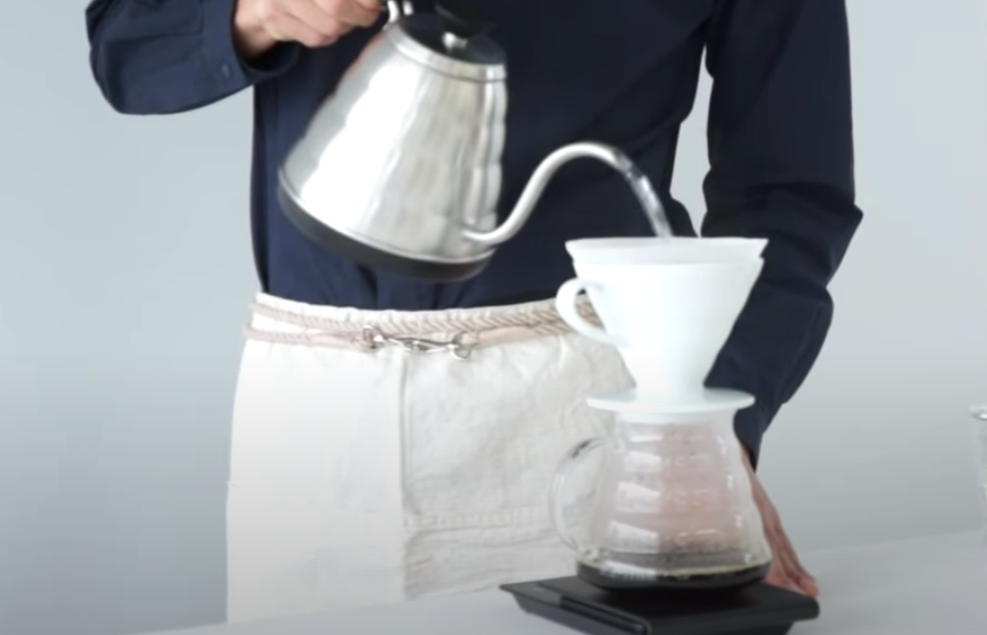
A coarse grind releases compounds more slowly, and to compensate, the extraction time is extended accordingly. You may have noticed—why wait 45 seconds between each pour? The reason is that with a 50% passing rate, the water in the dripper drains out in about 40 to 45 seconds. By waiting until the water has fully drained before adding the next pour, the resulting coffee is naturally more consistent.
The core idea of the 4:6 method is this: during the pouring of a cup of coffee, the first 40% determines flavor, and the last 60% determines body. Its advantage lies in eliminating several uncertain factors—timing and pouring technique. The 4:6 method fixes the timing of each pour, and the pouring technique only requires a basic level of water control.
Also, the pour volumes in the 4:6 method aren't set in stone. For example, adjusting the ratio between the first and second pours can tune acidity and sweetness: pouring 50ml in the first stage and 70ml in the second boosts sweetness; pouring 70ml first and 50ml second enhances acidity. The key is that the coffee grounds' saturation absorption is only twice their own weight, so the excess water in the first pour flows into the server in an "under-extracted" state, and the compounds that should have been extracted in that stage are left to the later water—making the acidity more pronounced.
By the same logic, the latter 60% controls the coffee's body, and you can adjust richness by increasing or decreasing the number of stages. Want something lighter? Split the latter 60% into two stages of 90ml each (fewer stages). Want something richer? Split the 60% into four stages of 45ml each (more stages).
The above content is compiled by CoffeeHunters, a coffee news website.


