







Search Results for: natural sun-dried beans

Flavor Characteristics of Natural Process Coffee Beans, Process Advantages and Disadvantages, and Analysis of Two Representative Natural Beans
The processing method of coffee beans largely determines the flavor direction of the final cup, and natural sun-drying, as the oldest green bean processing technique, is still widely adopted by many producing regions around the world today. From the perspective of Front Street Coffee, this article systematically reviews the complete sun-drying process—from fruit picking and screening, natural drying, to depulping and hulling, and storage—and provides an in-depth analysis of the advantages and limitations of this processing method. At the same time, the article will also introduce two representative sun-dried coffee beans: Ethiopian Huakui and Panama Elida Estate Sun-Dried Typica, helping readers gain a more comprehensive understanding of how sun-drying gives coffee a rich fermented character, full sweetness, and abundant layers. [more…]
A Complete Analysis of the Natural Process: Green Coffee Bean Processing, Pros and Cons, and Classic Natural Coffee Recommendations
Natural processing is the oldest method of green coffee processing. With its vivid fruity notes and fermented wine-like aromas, it is now being revisited by more and more producing regions. This article provides a complete overview of the natural method's processing flow, including fresh cherry harvesting and sorting, sun-drying, hulling and mucilage removal, and warehousing for export. It also objectively analyzes its cost advantages and quality risks, and explains why natural beans have such intense, layered flavors. At the end, Front Street Coffee selects two representative natural coffees—Ethiopia Hachira and Panama Elida Estate Natural Typica—for your purchasing reference. [more…]

How Do Washed and Natural Coffee Beans Differ? A Clear Explanation from Silver Skin and Color to Flavor
Faced with a dazzling array of coffee beans, how can you quickly tell whether they are sun-dried or washed? In fact, as long as you grasp the basic processes of the two processing methods, and then combine them with the color of green beans, the silver skin of roasted beans, and the performance in the cup, you can easily distinguish them. The sun-dried method has a long history and relies on natural drying, so sugars easily seep into the bean surface; the washed method uses water tank screening and soaking to give coffee a cleaner tone. This article will start from the processing steps and compare one by one the differences between sun-dried and washed in green beans, roasted beans, and flavor, and use Front Street Yirgacheffe Sun-Dried Red Cherry and Washed Gudingding as examples to provide specific brewing comparisons, helping you quickly establish a basis for judgment in daily tasting. [more…]
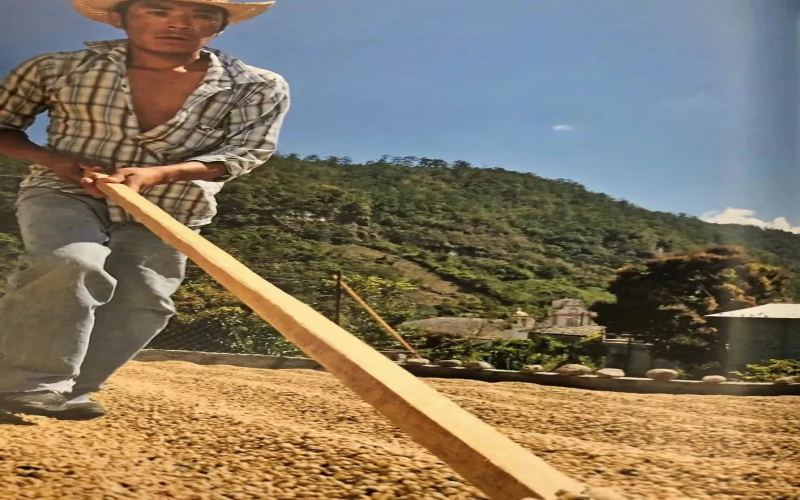
Why did naturally processed coffee beans carry the label of inferior beans for so long? The rise of specialty natural coffee seen through the evolution of processing methods
In coffee circles, one often hears a claim: naturally processed beans were long ago classified as second-grade beans. This sounds a bit unbelievable—how could beans be ranked as superior or inferior simply because of different processing methods? To answer this question, we need to turn the clock back several centuries. From coffee's first appearance on the stage of history in 1400 to the gradual spread of washed processing by 1850, the natural method went through a long process from being the only mainstream approach to being stigmatized. This article sorts out the historical thread of natural processing, reconstructs why it once became synonymous with inferior goods, and how it was later rehabilitated by brands such as Edido Misty Valley and 90+. Front Street Coffee will also use the case of Harar coffee to help you understand the flavor potential and real-world dilemmas of natural beans. [more…]
How Does the Natural Process Shape Coffee Bean Quality and Flavor? A Complete Breakdown of Steps, Pros, and Cons
The natural process, as the oldest method of coffee processing, can be traced back to the method used by Arabs in the 11th century. This natural drying technique requires no large amount of water and is low in cost, making it widely popular in water-scarce regions. However, the natural process also faces challenges such as contamination by impurities, uneven drying, and mold and rot. This article will break down the four steps of the natural process in detail—removing floating beans, sun drying, observation, and removing the husk—and analyze its positive and negative effects on coffee bean quality. At the same time, we will also explore how the natural process amplifies the coffee's own flavors, bringing a rich body and sweetness, and include Front Street Coffee's pour-over brewing suggestions to help enthusiasts better experience the charm of naturally processed beans. [more…]

A Complete Guide to the Natural Sun-Dried Processing Method for Coffee Cherries: The Full Journey from Cherry Selection to Export Grading
The natural process is arguably one of the oldest methods in coffee processing, and its core lies in using sunlight and air to dry the coffee fruit naturally. The entire process relies relatively little on labor and equipment, yet it demands extremely high attention to detail. From the initial sorting after the fruit is harvested, to the weeks-long drying and raking, and finally to hulling and grading, every step directly affects the final quality of the coffee beans. This article will break down the complete steps of the natural process in detail, analyze the impact of the degree of drying on the beans, and introduce how this method is applied in major producing regions around the world, while also recommending several Front Street naturally processed coffee beans worth trying. [more…]

Honey Process vs Natural Process Coffee Sweetness Comparison: Processing Differences, Countries of Origin, and Flavor Buying Guide
Natural and honey processing are often labeled as "sweet," but the two actually emphasize different aspects in terms of flavor expression and the source of sweetness. Starting from the processing method, this article sorts out the differences between the fruity fermented aroma of natural coffee and the full-bodied sweetness of honey processing, traces the rise of honey processing in Costa Rica, and analyzes the classification logic behind black honey, red honey, yellow honey, and others. At the same time, the article will answer the common question of "which is sweeter, honey processing or natural processing," explain how variety, altitude, ripeness, and processing method jointly affect coffee sweetness, and provide specific bean recommendations from the Front Street brand for friends who prefer different flavor profiles. [more…]
Analysis of the Flavor of Brazilian Sun-Dried Yellow Bourbon Coffee: From Processing Method Differences to an Introduction to the Quality of Queen's Farm
Brazil, as the world's largest coffee producer, has always drawn attention for its processing methods and flavor characteristics. This article starts with the differences between the natural sun-dried method and the washed method, offers an in-depth analysis of the taste profile of Brazilian coffee, and focuses on the naturally processed Yellow Bourbon coffee beans from Queen's Farm—these beans are full of sweetness, rich in fruity notes, and have a long-lasting aftertaste, performing excellently whether brewed as a single origin or used as an espresso blend bean. Front Street Coffee recommends that you keep an eye on this Brazilian specialty bean that combines balance and sweetness. [more…]

Ethiopia Natural Yirgacheffe G1 Red Cherry: A Fruity Coffee Bean Roasted by the Shepherd
The sun-dried Yirgacheffe G1 Red Cherry from the Kochere region of Ethiopia is a specialty bean that pushes coffee fruit notes to the extreme. This coffee, roasted to order by Front Street Coffee, uses the oldest sun-drying method, allowing the fruit to dry naturally for about four weeks, fully preserving the rich flavors of peach, honey, citrus, and sucrose. The volcanic red soil at an altitude of 1,800 to 2,000 meters nurtures the unique character of the Heirloom variety, while the medium-light roast allows both its dry and wet aromas to reveal clean, delicate layers of floral and fruity notes. Whether you are a pour-over enthusiast or prefer cold brew, espresso, or drip, this G1 sun-dried Yirgacheffe delivers a coffee experience that overturns expectations. [more…]
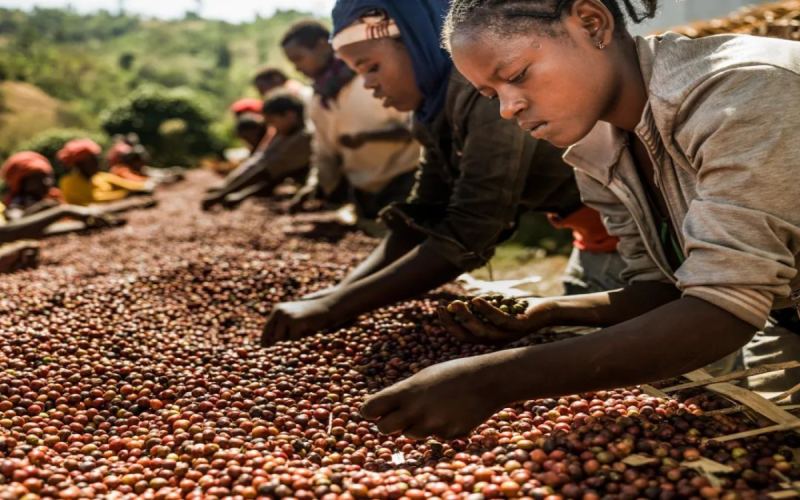
Introduction to Coffee Bean Processing Methods | Why Does Natural Coffee Have High Sweetness and Fermented Flavors? 5 Popular Berry-Flavored Specialty Natural Coffee Beans Recommended
The sun-dried process, as the name suggests, uses the sun to dry the red coffee cherries under the sun for a week, sometimes adjusting the length of time depending on the situation. Once the fruit skin and pulp have been dried into a dark color, a hulling machine is used to remove the skin and pulp, and finally the defective beans are picked out and it's all done. The benefits of the sun-dried process [more…]
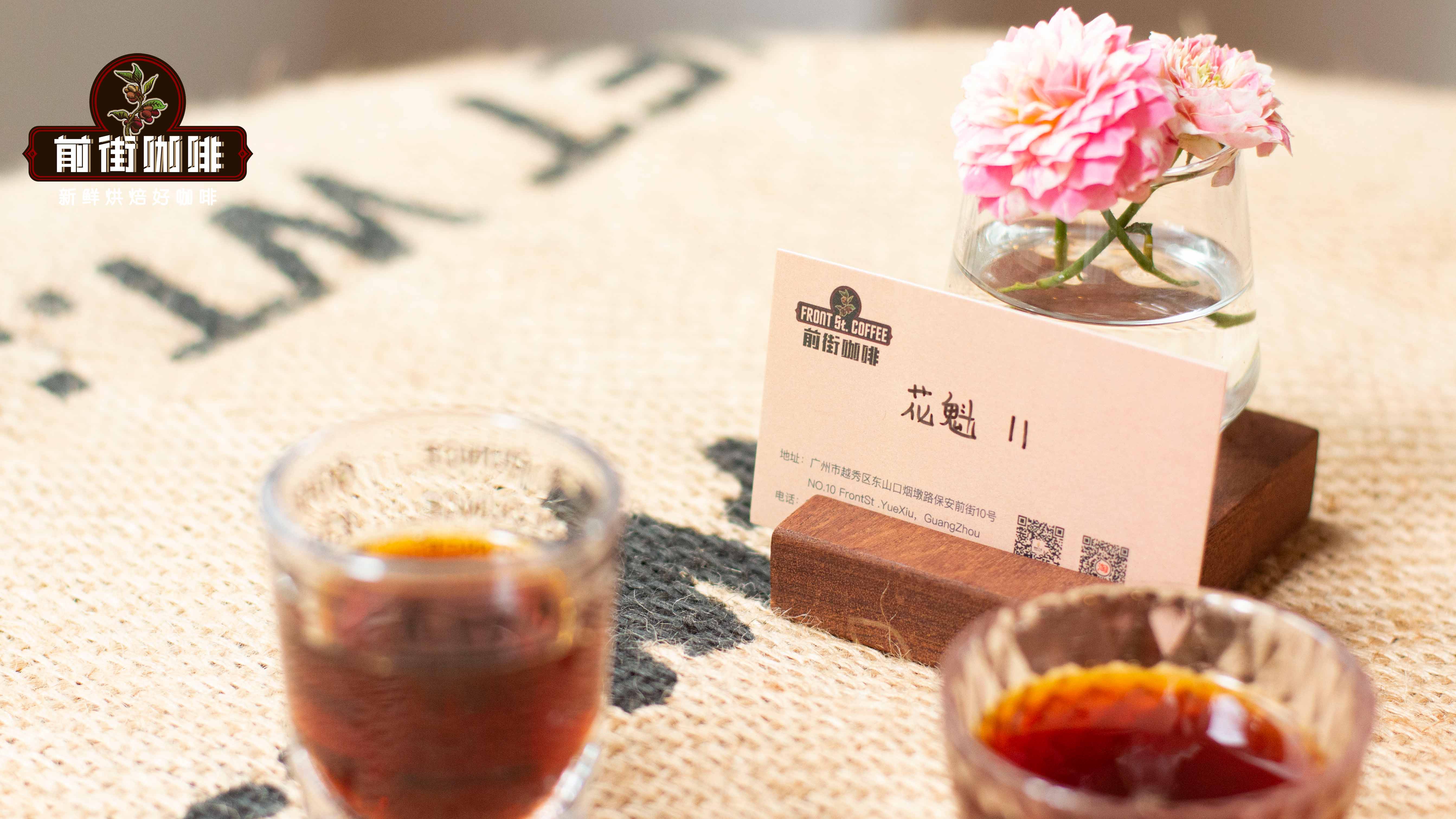
Washed vs Natural Hual魁 Cupping Comparison: Full Analysis of Flavor Differences, Processing Methods, and Pour-Over Parameters
Also from the Hambela area of the Guji region in Ethiopia, how do the two processing methods—natural and washed—bring about completely different flavor expressions in Huakui? This article systematically compares Front Street Natural Huakui and Front Street Washed Huakui, from origin background, green bean appearance, cupping data, to pour-over recommendations. The natural version wins with its explosive aromas of passion fruit, strawberry, and jackfruit, while the washed version stands out for its clean mouthfeel with green tea, green mandarin, and a black tea finish. Although the cupping scores differ, each style has its own followers and suits coffee lovers with different preferences. [more…]
Coffee Knowledge on Ethiopia's Sidama and Guji Regions: Flavor Analysis of the Lion King Natural Bean
Ethiopia is the birthplace of Arabica coffee, and its southern Sidamo and Guji regions are famous for their rich and diverse flavors. This article systematically reviews Ethiopia's geography, climate, administrative divisions, and coffee cultivation models, with a focus on analyzing the characteristics of the natural process in the Sidamo region, as well as the blueberry sweetness, citric acidity, and full berry aroma of the Lion King coffee beans from the Guji region. It also compares the differences between traditional natural process and improved natural process, and introduces the flavor performance of washed Sidamo. Front Street recommends this Lion King natural bean, brewed with 90°C water and a 1:15 coffee-to-water ratio, to showcase its bright acidity and floral, fruity, honey-like aroma. [more…]
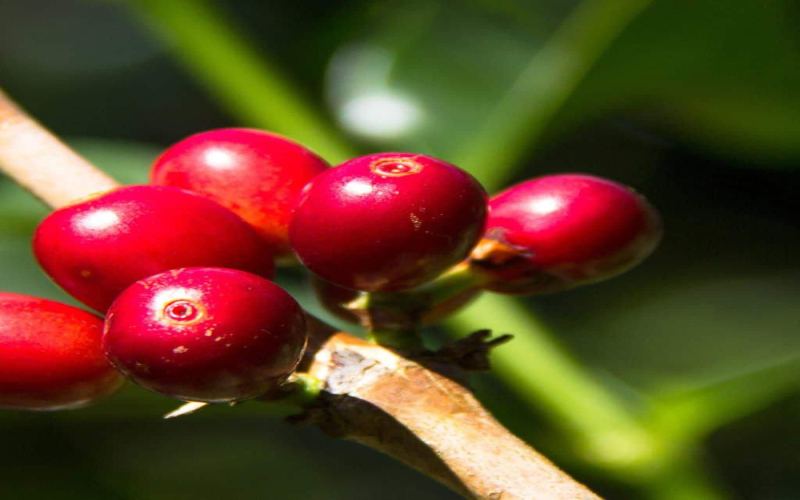
Ethiopia Sidamo Region Coffee Flavor Analysis: A Full Overview of Huakui 6.0 Natural Process and Heirloom Varietal Taste
As the birthplace of Arabica coffee, Ethiopia is home to more than 3,500 native coffee varieties. Among them, the Sidamo region, with its diverse flavor expression and sun-dried processing tradition, has become a landscape in the specialty coffee world that cannot be ignored. Huakui is precisely an outstanding representative of sun-dried beans from this land. Starting from the geography and terroir of the Sidamo and Hambela regions, this article will trace the naming lineage of Huakui from the 2017 TOH champion bean to version 6.0, analyze how the sun-dried processing method gives coffee beans tropical-fruit-like acidity and sweet, mellow layers, and at the same time present Front Street Coffee's brewing parameters and flavor records for Huakui 6.0, so as to give you a comprehensive understanding of the varietal charm and taste characteristics of this outstanding Ethiopian sun-dried coffee. [more…]
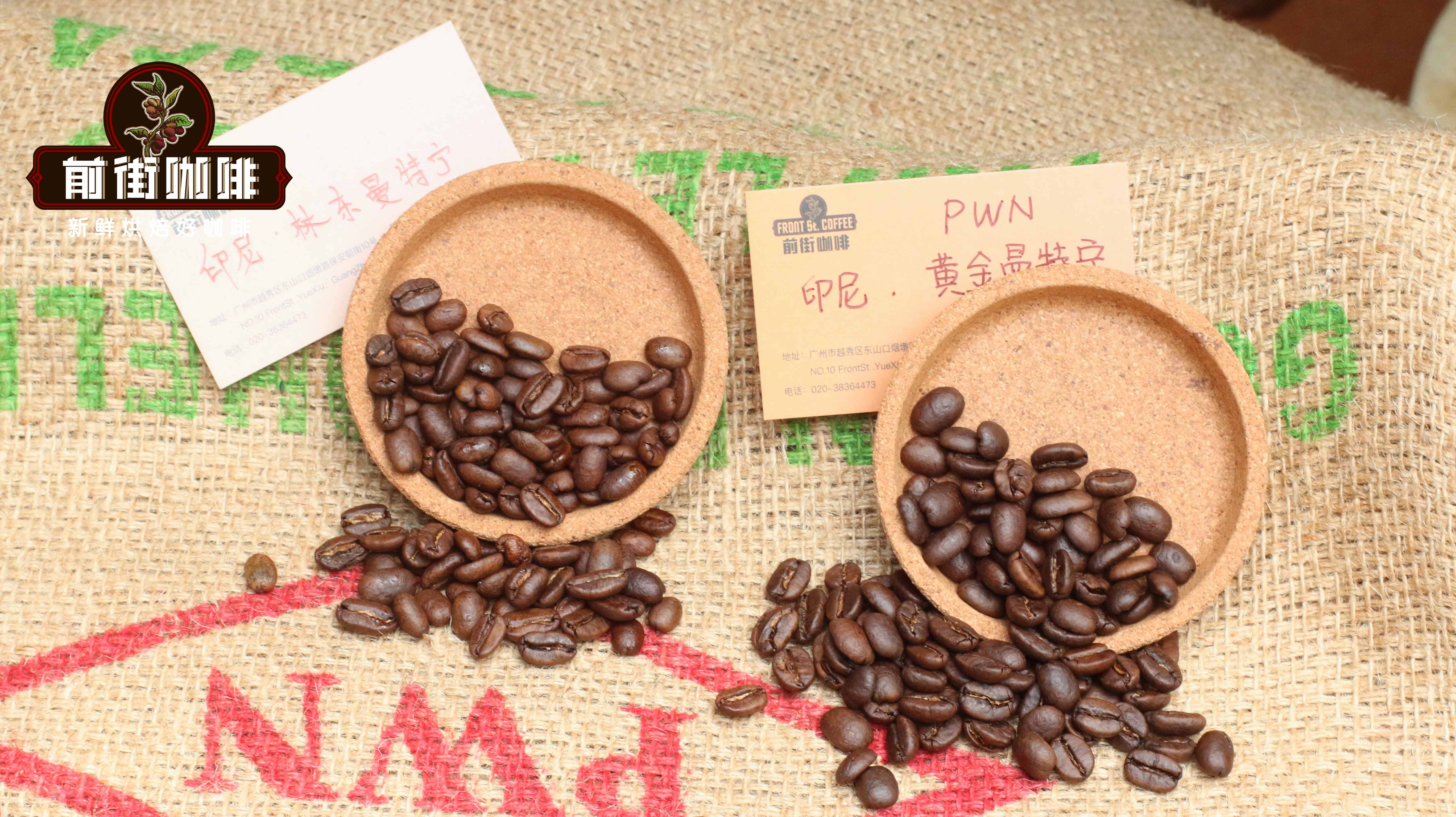
The Birth of Indonesian Sun-Dried Mandheling: Processing Methods and Flavor Analysis of Wahana Estate
Mandheling coffee is traditionally known for its wet-hulled process, but under Indonesia's humid climate conditions, a sun-dried Mandheling has surprisingly emerged. The Wahana Estate on the shores of Lake Toba in Sumatra, after repeated trials, finally succeeded in creating Asia's first sun-dried Mandheling by combining sun-drying with mechanical drying. This article will guide you through the geographical environment of the Wahana Estate, the evolution of its processing methods, and the cupping flavors and brewing parameters of Front Street's Wahana sun-dried Mandheling, so you can experience the unique charm of this distinctive Mandheling. [more…]
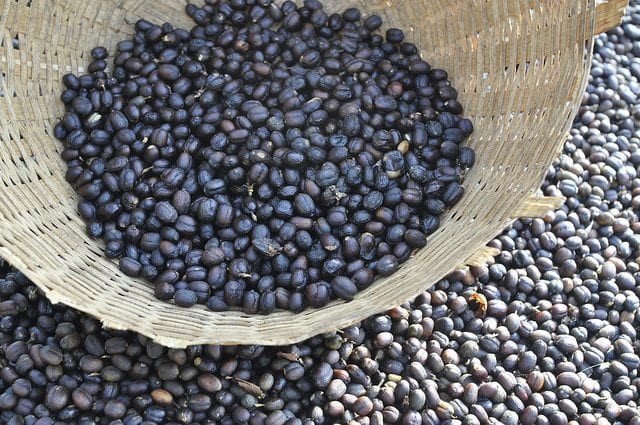
Sun-Dried Yirgacheffe | What are the pros and cons of the sun-dried processing method for Yirgacheffe coffee beans? What are the flavor characteristics of Ethiopian sun-dried coffee?
For more specialty coffee knowledge, please follow our WeChat official account: FrontStreet Coffee. Sun-dried processed coffee beans are naturally dried inside the fruit pulp, so the weather conditions affect the quality of the coffee beans. Front Street uses sun-dried coffee beans and two other traditional processing [more…]
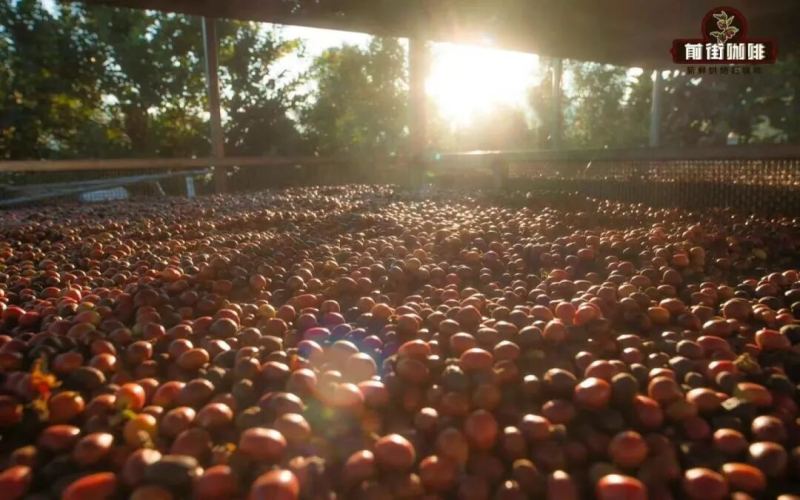
Coffee Processing Methods | What is the difference between semi-washed, natural, washed, and honey processing? What flavor and mouthfeel characteristics do different processing methods give coffee?
The natural process, as the name suggests, is to spread the harvested coffee cherries flat on the ground (on dedicated drying nets or patios) and use direct sunlight (for about 2-3 weeks) to remove moisture from the coffee fruit until the moisture content reaches the target level, after which machines are used to remove the dried husk to obtain the green coffee beans we want. Natural process [more…]

An In-Depth Guide to Front Street Yirgacheffe Red Cherry Natural G1 Pour-Over Parameters and Flavor Profile
Yirgacheffe is Ethiopia's most iconic specialty coffee region, and the sun-dried G1 under the Red Cherry Project is the cream of the crop. This article provides a comprehensive analysis of the unique charm of Front Street Yirgacheffe Red Cherry coffee beans, covering everything from the region's geography, historical origins, processing methods, and grading standards to roasting recommendations and pour-over parameters. You will learn how the Kebel Aricha processing station uses refined sun-drying methods to create stunning fruity flavors, and how to use a V60 dripper to extract the alluring aroma of berries and lightly fermented red wine. Whether you are a beginner just getting into specialty coffee or a seasoned enthusiast in search of the ultimate flavor, this guide will help you better savor this sun-dried Yirgacheffe, hailed as the "King of Fruits." [more…]
Ethiopia Hambela Estate Single-Layer Sun-Dried Slow Fermentation Method: How the SLD Process Creates High-Quality Natural Beans
Ethiopia, as the birthplace of coffee, has seen a continuous emergence of high-quality lots in emerging producing regions such as Guji in recent years. This article focuses on the single-layer sun-dried slow-drying Lot 121 produced by a single farm in St. Lion Village of Front Street Hambela Estate, offering an in-depth analysis of this rare processing method known as SLD—where only a single layer of coffee cherries is spread on raised beds, the drying period is strictly controlled at around 18 days, and the fruit is allowed to fully ferment through the most perfect convection environment, thereby imparting fuller sweetness and body to the coffee beans. The article also examines why Ethiopia's smallholder-dominated production system makes single-farm traceability difficult to achieve, how Hambela Estate owner Aman adheres to quality at extremely high cost, and compares the subtle flavor differences between the Guji region and Yirgacheffe. [more…]
Ethiopia Yirgacheffe: Origin of the Name, Washed vs. Natural Flavor Differences, and Front Street Coffee Brewing Guide
Yirgacheffe is a classic region well known to coffee lovers worldwide, located on the eastern edge of the East African Rift Valley at elevations of 1800-2000 meters, famous for its floral and citrus flavor notes. This article begins with the meaning of the name Yirgacheffe, explains in detail how the natural (sun-dried) and washed processing methods affect coffee flavor, introduces Front Street Coffee's recommended Gutiti Cooperative washed beans and Red Cherry natural beans, and finally includes Front Street Coffee baristas' pour-over extraction parameters and steps to help you easily brew the excellent flavors of Yirgacheffe. [more…]
What types of sun-dried processing methods are there for coffee beans? A full analysis of the differences between natural and semi-natural processing techniques.
The impact of coffee processing methods on green bean flavor is akin to the influence of winemaking techniques on wine; different processing methods can bring out completely distinct characteristics. This article will systematically outline the origins, procedures, and flavor traits of the natural process, and compare the similarities and differences among mainstream methods such as the washed process, semi-washed process, and honey process, helping enthusiasts understand the logic behind each processing method and its expression in the cup. The article also combines several representative beans from Front Street Coffee to provide specific purchasing references. [more…]