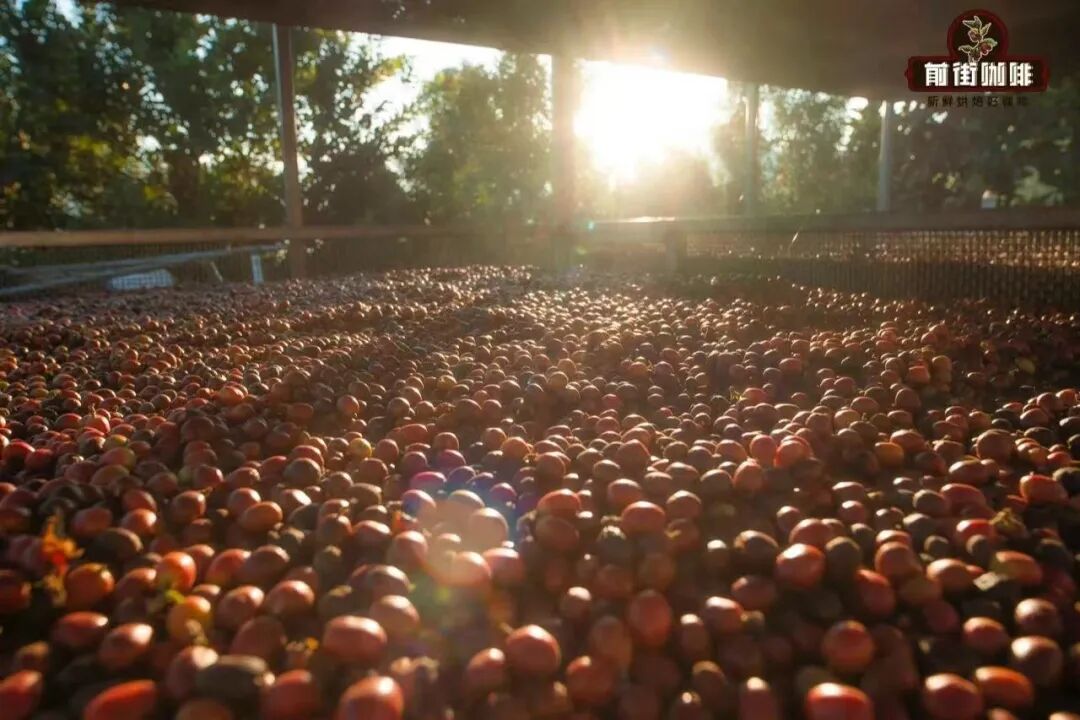
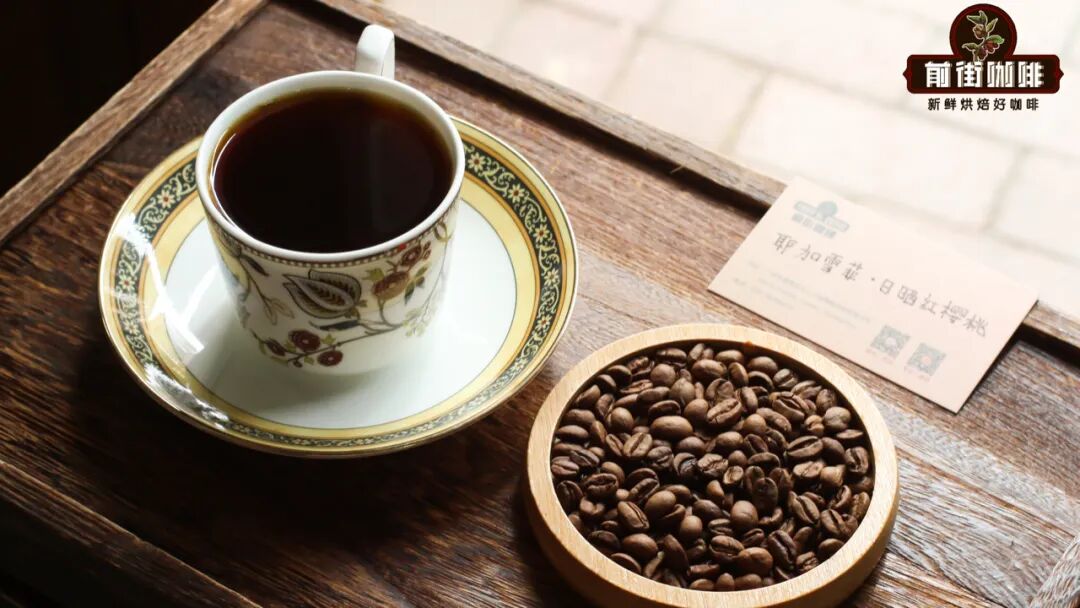
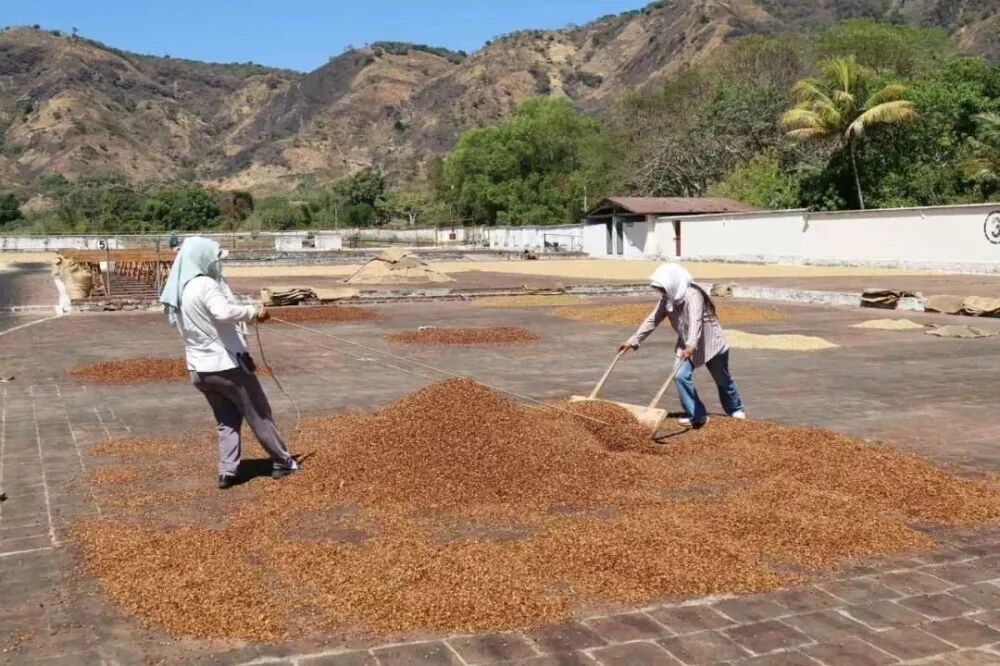
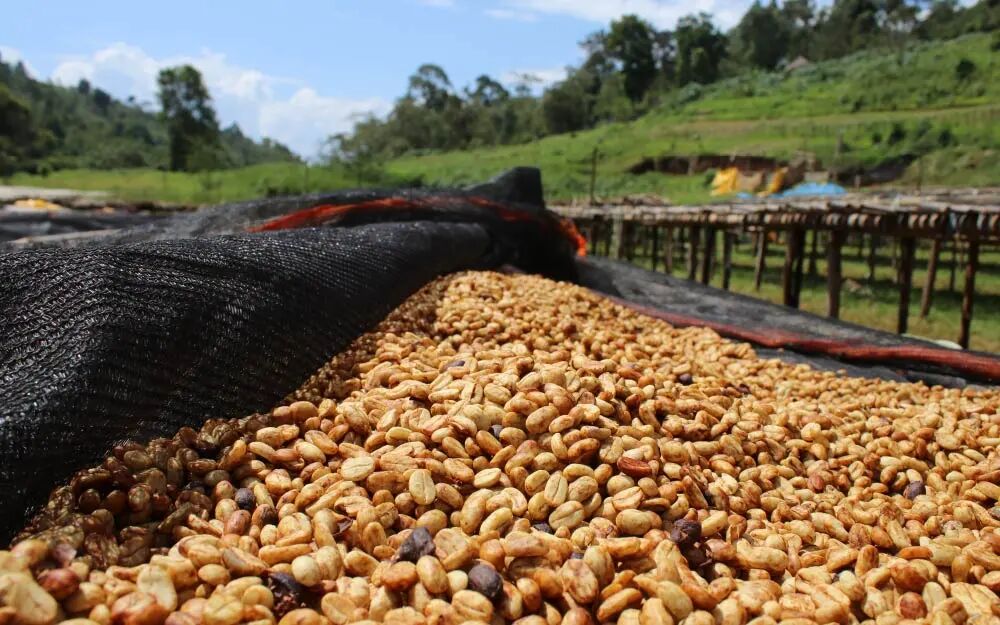
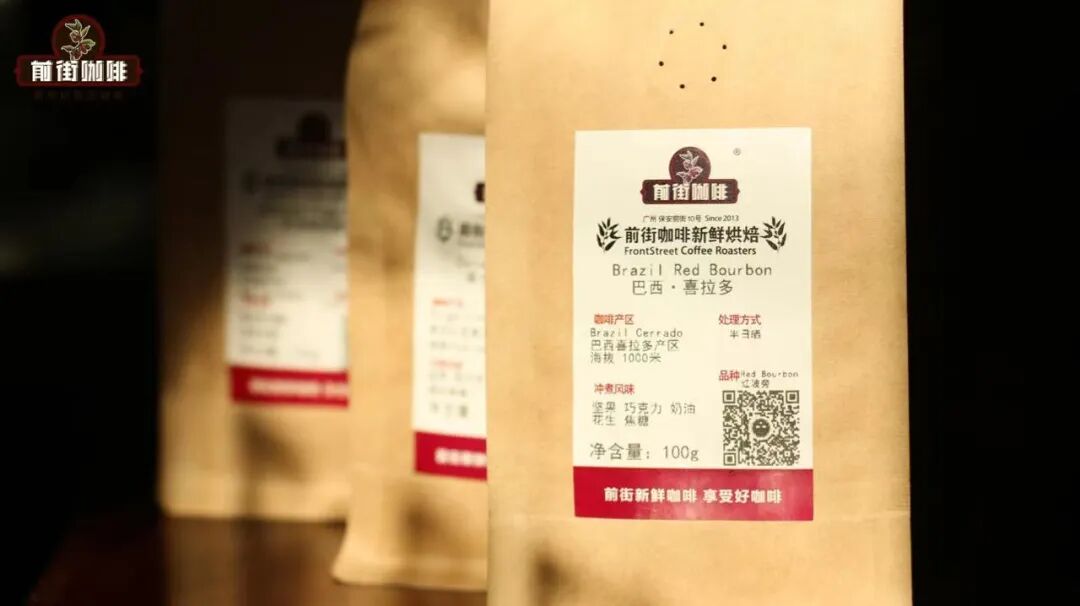
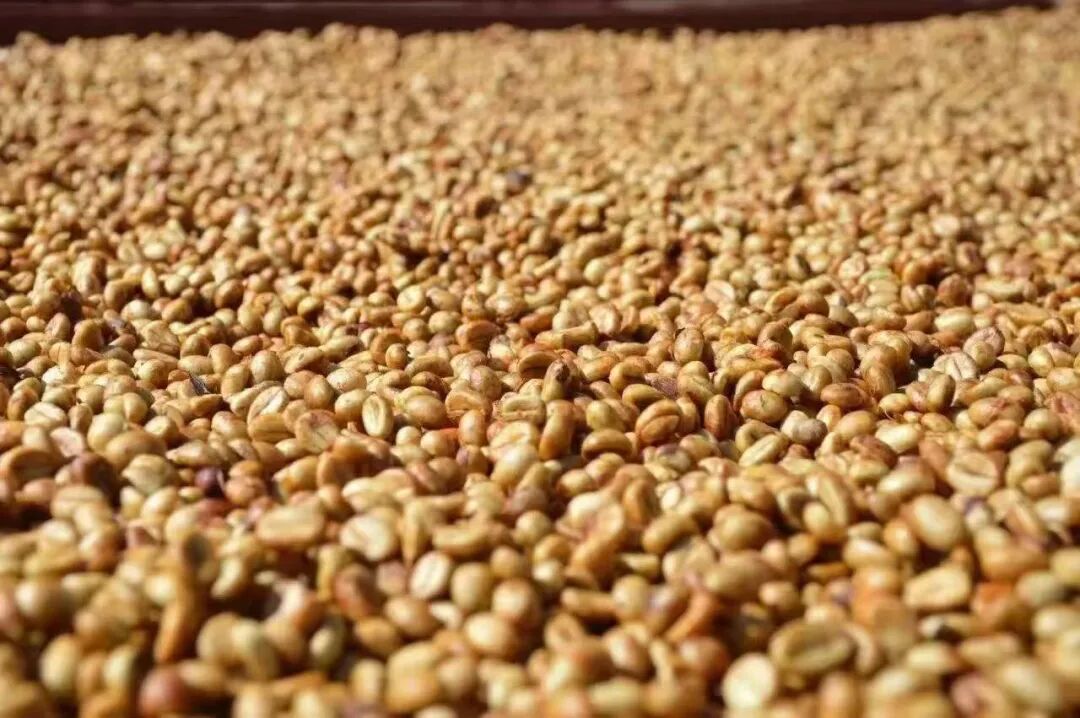
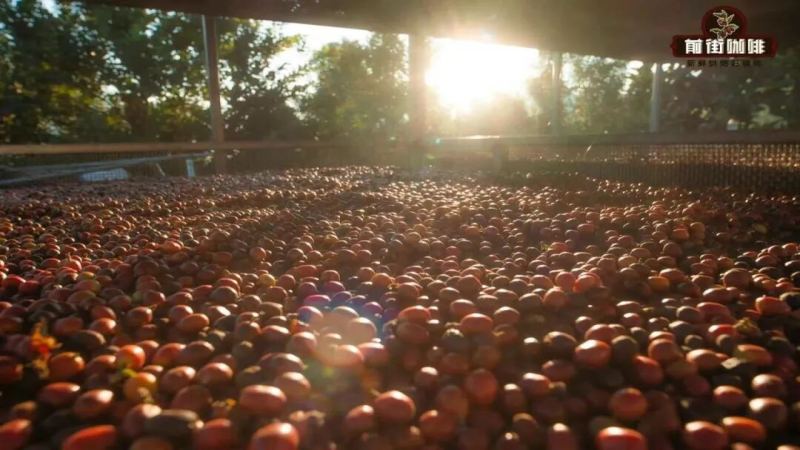
The sun-dried method, as the name suggests, is to spread the harvested coffee cherries on the ground(dedicated drying nets or patios), expose them to direct sunlight(about 2-3 weeks), remove moisture from the coffee cherries until the moisture content reaches the target value, and then use a machine to remove the dried husks to obtain the green coffee beans we want. The biggest advantage of sun-drying is that it does not rely on water resources; as long as there is sufficient sunlight, it works, making it the oldest and lowest-cost processing method.Since sun-drying does not require a high level of technical skill, basically every smallholder can process it themselves, and some dedicated processing stations collect coffee cherries picked nearby for centralized processing. Therefore, the quality differences in sun-dried processing are very large. Some processing stations that focus on quality invest considerable money and effort into processing each batch of sun-dried beans, starting with screening the fresh coffee cherries to remove unripe cherries, overripe cherries, defective cherries, and some small stones and debris, as these can affect the overall flavor of the sun-dried processing. During drying, raised drying beds are used for spreading the cherries, with the aim of keeping them away from the ground so that the coffee cherries are not infected by crawling insects, dust, or bacteria. In addition, during the sun-drying period, dedicated personnel will check the drying degree of the coffee cherries and pick out insect-damaged cherries, burst cherries, and moldy cherries, to prevent these fruits from affecting the fermentation and drying degree of the other coffee cherries.Generally, producers with higher quality requirements for sun-dried green beans adopt this refined processing method to ensure the flavor expression of the coffee. For example, the Front Street Ethiopia Sun-Dried Red Cherry coffee beans sold by Front Street Coffee have obvious tropical fruit flavors, a full fermented quality, and sweetness.The biggest difference between the sun-dried method and the washed method is that the washed method removes all the outer layers of the green coffee beans before drying them, while the sun-dried method does not remove any structure of the coffee cherry and directly spreads the whole fruit on a concrete ground or a ventilated mesh bed to dry. Because it is dried with the pulp, the coffee beans have more time to come into contact with the sugars in the pulp, allowing more substances to penetrate into the seeds, thus bringing higher sweetness, body, and fruit flavors, with a relatively intense taste.In addition to washed and sun-dried, different producing regions also develop post-processing methods for green coffee beans that fall between the two according to local conditions, such as Brazil's semi-dry method.In 1990, the Brazilian coffee research institute developed the semi-dry method, also called pulped natural,(Pulped Natural), based on the local arid climate. Before drying the coffee cherries, the pulp and skin are removed first, leaving only a thin layer of mucilage to be sun-dried for 1 to 3 days, then machine-dried to a moisture content of 12%, and then placed in storage containers to mature. The semi-dry method not only saves water resources, but also shortens processing time and reduces negative flavors brought by the processing, greatly improving the quality of Brazilian beans.The Front Street Brazil Red Bourbon daily beans launched by Front Street Coffee are coffee beans selected from the Cerrado region and use this semi-dry processing method, presenting Brazil's classic chocolate, caramel, cream, and peanut flavors, as well as a relatively high body.Processing methods derived from sun-dried and washed methods include not only Brazil's semi-dry method, but also the very popular honey process in recent years. Producers using the honey process first pour fresh coffee cherries into a water tank for flotation, removing underripe fruits and impurities, and then use a pulper to remove the outermost layer of the fruit.Unlike the washed method, after the fresh coffee cherries have their skin removed, they are not rinsed with a large amount of clean water to remove the mucilage; instead, the mucilage is retained for drying. Because the mucilage contains sugar and is sticky in texture, it is easily associated with honey, so it was named the honey process. Compared with the washed method, the honey process does not require large amounts of fresh water and related equipment, and compared with the sun-dried method, it reduces the defective negative flavors caused by long exposure to sunlight.Coffee using the honey process generally presents full tropical fruit flavors and fermented sweetness in cupping, with an overall fresh taste and clean acidity. For example, the Front Street Hacienda La Esperanza Geisha on the Front Street Coffee bean list uses the honey process, and it tastes withvery full purple grape juice, rich rose floral aroma, and lively citrus acidity.
The above content is compiled by CoffeeHunters, a coffee news website.