







Coffee Production Equipment Behind Sun-Dried Mandheling at Wahana Estate
Mandheling is normally wet-hulled, but the Wahana Estate by Lake Toba in Sumatra created Asia's first sun-dried Mandheling by combining natural sun drying with mechanical drying. The main obstacle was Indonesia's humid climate, and early results were poor until the sequence of processing steps was adjusted. The estate was established in 2005 near LeaMungkur village in the Sidikalang district of North Sumatra.
Growing conditions there support the effort: the estate sits between 1,200 and 1,500 meters, receives 2,000 to 3,000 millimeters of annual rainfall, stays relatively cool, and sees day-night temperature swings above 10 degrees Celsius. Those factors push red cherry sugar content above 13 percent. Brewing the result reveals a Mandheling profile distinct from the wet-hulled standard, with clearer fruit and a lighter body than typical Sumatra lots.
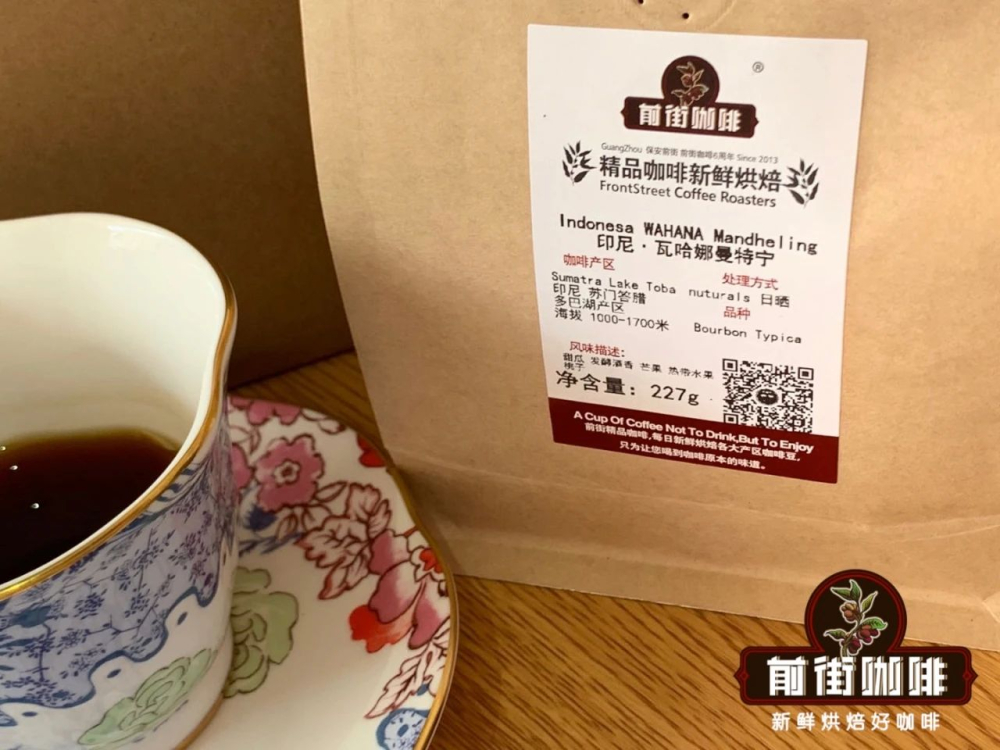
Mandheling coffee has always been famous for the wet-hulled method, but under Indonesia's humid climate, a sun-dried Mandheling has also emerged. The Wahana Estate by Lake Toba in Sumatra, after repeated trials, finally succeeded in creating Asia's first sun-dried Mandheling by combining natural sun drying with mechanical drying. This article will guide you through the Wahana Estate's geographical environment, the evolution of its processing methods, and the cupping flavors and brewing parameters of Front Street Wahana Sun-Dried Mandheling, so you can experience the unique charm of this distinctive Mandheling.
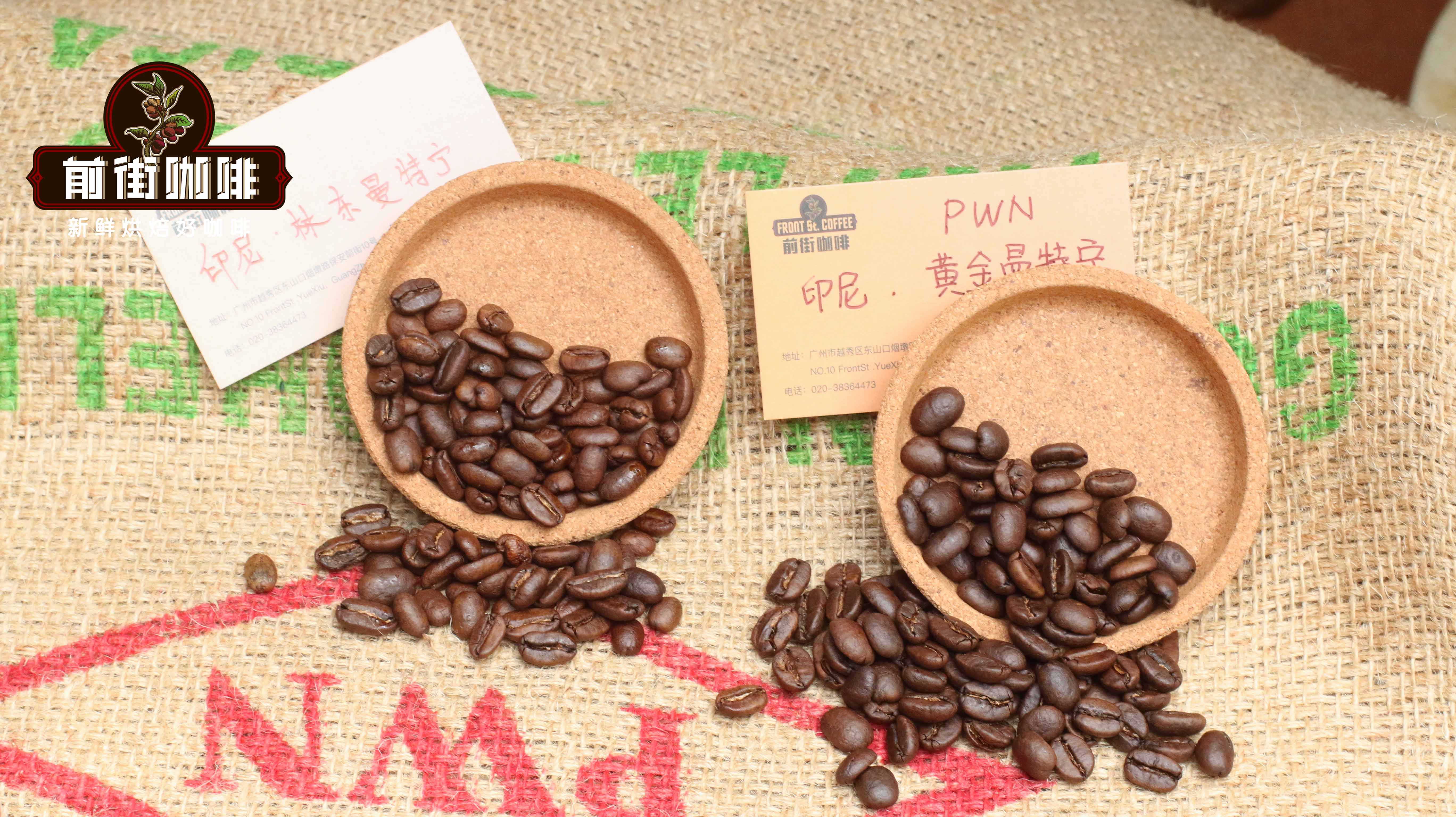
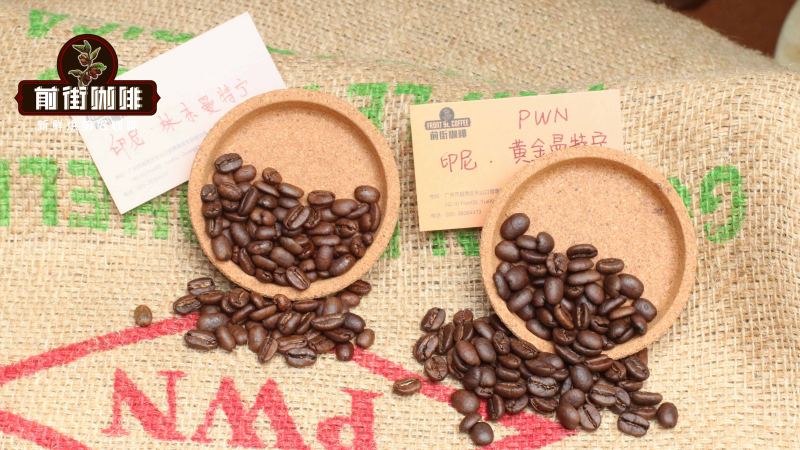
Indonesian Mandheling is usually processed using the wet-hulled method. If you want to experience the classic Sumatra flavor at an affordable price, Front Street Lintong Mandheling is a good choice, with its roasting aroma and caramel sweetness particularly prominent; if you seek higher quality and a clearer Mandheling flavor, Front Street PWN Golden Mandheling is the top pick—on the basis of G1 grade, it undergoes three additional hand sortings and one mechanical sorting, bringing the green beans to a uniform, neat, and plump state, and guaranteeing that all beans are above 18 mesh, with a low-acid, full-bodied taste and rich roasted aroma.
However, coffee processing methods are not set in stone. Even in humid Indonesia, there is sun-dried Mandheling. The sun-dried Mandheling from the Wahana Estate by Lake Toba in Sumatra is a truly distinctive Mandheling. Producing sun-dried coffee in Indonesia is extremely difficult, with the primary obstacle being the humid climate. The initial quality was not ideal, and success was only achieved after adjusting the sequence of the processing steps. Front Street greatly admires this spirit of exploration—without the wisdom and hard work of coffee farmers, we would never have the chance to taste such delicious specialty coffee.
The Wahana Estate was established in 2005, located near LeaMungkur village in the Sidikalang district of North Sumatra, Indonesia, an area long famous as a renowned Indonesian coffee-producing region. The estate sits at an elevation between 1,200 and 1,500 meters, with annual rainfall of 2,000 to 3,000 millimeters, a relatively cool climate, and a day-night temperature difference of over 10°C. Thanks to these conditions, Wahana's red cherries all have a sugar content above 13%. In 2006, the Wahana Estate was formally established in the Sidikalang area northwest of Lake Toba in North Sumatra. The farm covers 460 acres, growing coffee, vegetables, and other crops, and has introduced processing equipment as advanced as that in Brazil, initially planting coffee on 100 acres. In the autumn of 2008, the fine processing plant was completed, initially focusing on conventional Mandheling, but Wahana always held the vision of making a different Mandheling, thus launching a new production plan for sun-dried Mandheling.
Most coffee farmers in the region process coffee by hand and have accumulated considerable experience and skillful techniques. The Wahana Estate combines the farmers' exquisite skills with advanced equipment, moving toward the goal of producing sun-dried Mandheling. At first, the estate used a semi-open space with skylights for drying, attempting to make 100% sun-dried Mandheling, but because the drying period was deeply affected by the humid climate, quality consistency was less than satisfactory. Ultimately, the estate adjusted the processing flow to natural sun drying in the early stage plus mechanical drying in the later stage, refining the unique Wahana sun-dried Mandheling flavor in this distinctive way. Sun-dried Mandheling differs from traditional processing methods: experienced farmers must harvest fully ripe coffee cherries, which are naturally sun-dried for several days, then completely air-dried with a dryer, and finally hulled using equipment specifically for sun-dried beans, to produce a high-quality sun-dried flavor.
Processing Method
This bean does not use Indonesia's characteristic wet-hulled method, but instead chooses the more difficult sun-dried processing. Sun-dried processing first requires manually sorting out defective beans as well as unripe or overripe fruits, then evenly spreading the coffee fruits on a drying patio and turning them several times a day. The drying process usually lasts 2 to 3 weeks, depending on the local climate, and Indonesia's humid, rainy climate will make this time longer. When the moisture content inside the coffee beans drops to 11% to 13%, the sun-drying step is complete. After drying, the outer husk of the coffee fruit has become hard, and it only needs to be removed with a huller.
Front Street Wahana Sun-Dried Mandheling Cupping Flavor
Front Street Wahana Sun-Dried Mandheling Brewing Parameters Coffee dose: 15 grams Ratio: 1:15 Water temperature: 90°C Grind size: BG # 6sf Dripper: Hario v60 #01 dripper
Front Street Wahana Sun-Dried Mandheling Brewing Process: First pour 30 grams of water to bloom for 30 seconds, second pour 95 grams of water (scale reads 125 grams), completed in about 1 minute, third pour 100 grams of water (scale reads 225 grams), completed in about 1 minute 40 seconds
Extraction time: 2 minutes 10 seconds, remove the dripper to complete brewing
Flavor Description: Tropical fruit, fermented note, moderate acidity, smooth mouthfeel, obvious sweetness
The above content is compiled by CoffeeHunters, a coffee news website.


