







How Did Sun Dried Coffee Beans Lose Their Standing?
Sun dried coffee beans carried a reputation as second-grade stock for roughly a century, and the label had more to do with trade and logistics than with flavor. From coffee's documented appearance around 1400 until washed processing spread from the Caribbean in 1850, nearly every producing region dried fruit in the sun because no alternative existed.
European buyers receiving beans shipped from Yemen, Java and Latin America over months at sea often got uneven, fermented lots, which fixed the association with defects. Sun drying coffee beans properly, with controlled fermentation, produces high sweetness and full body; later lots from Idido Mist Valley and 90+ helped restore that reputation.
In coffee circles, you often hear a saying: sun-dried beans were long ago classified as second-grade beans. This sounds a bit unbelievable—how could beans be graded as superior or inferior simply because of different processing methods? To answer this question, we need to turn the clock back several centuries. From coffee's first appearance on the stage of history in 1400 to the gradual spread of washed processing by 1850, the sun-dried method went through a long process from being the only mainstream method to becoming stigmatized. This article sorts out the historical thread of sun-dried processing, restoring why it once became synonymous with defective goods, and how it was later restored to legitimacy by brands such as Idido Mist Valley and 90+. Front Street will also use the case of Harar coffee to help you understand the flavor potential and real-world difficulties of sun-dried beans.
We often hear a saying: "Sun-dried beans were all considered second-grade beans long ago." Many friends, just like Front Street when we first heard it, feel surprised—how could beans be graded differently because of different processing methods? Well, then we have to start from several centuries ago!
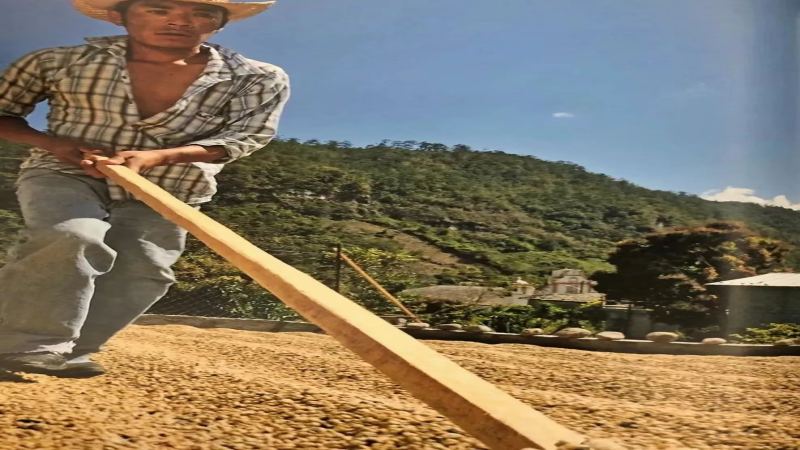
According to Middle Eastern documents, coffee first appeared in 1400, while washed processing did not emerge from the Caribbean island countries until 1850. Before washed processing had spread, the coffee beans imported by European countries from Yemen, Java, and Latin America were all sun-dried. (You should know that for three hundred years before 1750, coffee-producing regions around the world had to conduct coffee trade through Yemen, so Yemen alone could represent coffee from most producing regions!) That is to say, during the 450 years from 1400 to 1850, almost all coffee-producing regions in the world used sun-dried processing. At that time, the sun-dried processing method mainly involved spreading the coffee fruit flat to dry, allowing the entire nutrient-rich fruit to ferment and dry. Fermentation of the fruit could attract more microorganisms to participate in decomposition and fermentation, making the flavor richer! Under properly controlled conditions, sun-dried beans will have very rich flavor, high sweetness, and a full body! Of course, the premise is that it must be properly controlled!
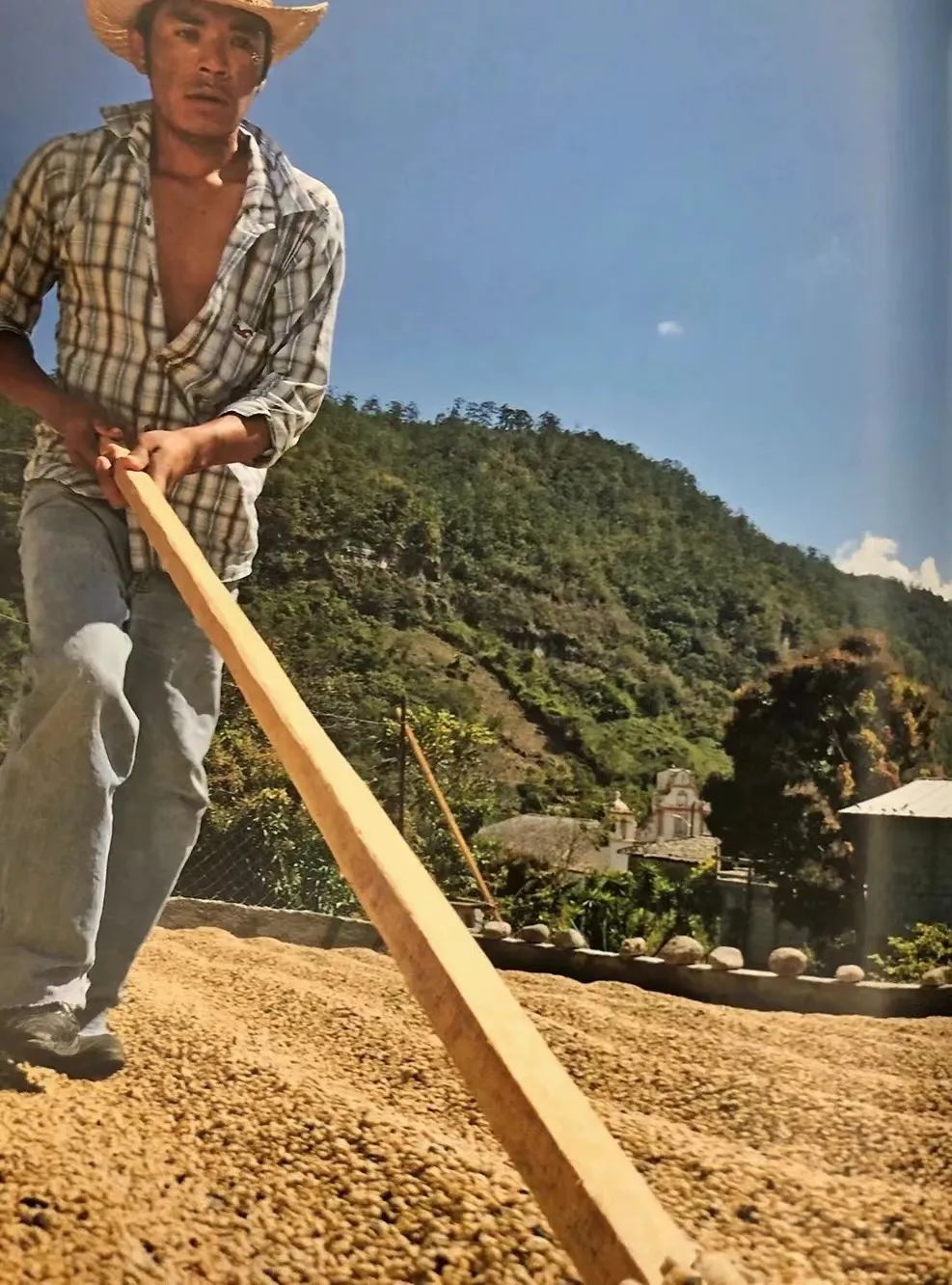
Front Street once mentioned in an article on Harar: the reason Yemen coffee and Harar coffee have the same wild flavor is not only that their climates and environments are roughly similar, but also that they use the same rough sun-dried processing method! Many times, to save money and effort, coffee farmers pick unripe green fruits together with ripe red fruits, and without sorting, spread them directly on any surface, such as in front of their homes, on rooftops, beside roads, or on straw mats that are not moisture-proof, making the coffee fruit very easily contaminated by dust or affected by moisture; some coffee farmers are unwilling to discard fruits with defects (mold, rot) and directly mix them with intact fruits and process them together! Moreover, because the sun-drying time is not properly controlled, the coffee beans often suffer from over-fermentation and contamination, then produce musty and sour odors. Therefore, after the birth of washed processing, sun-dried coffee beans gradually became synonymous with defective goods.
The reason washed processing was created is that after coffee beans were transplanted to the Caribbean islands, people found that the island climate was not suitable for the sun-dried processing method of drying the whole fruit! This is because sun-dried processing takes a long time, while the island climate is humid and rainy. Coffee fruit in such an environment would inevitably need a longer time to dry, and the probability of mold would be higher, easily ruining more than half a year of hard work. Therefore, in 1730, a washed processing method of removing skin and mucilage according to local conditions appeared in the West Indies of the Caribbean. However, at this time people were still relatively traditional, so washed processing did not become widespread.
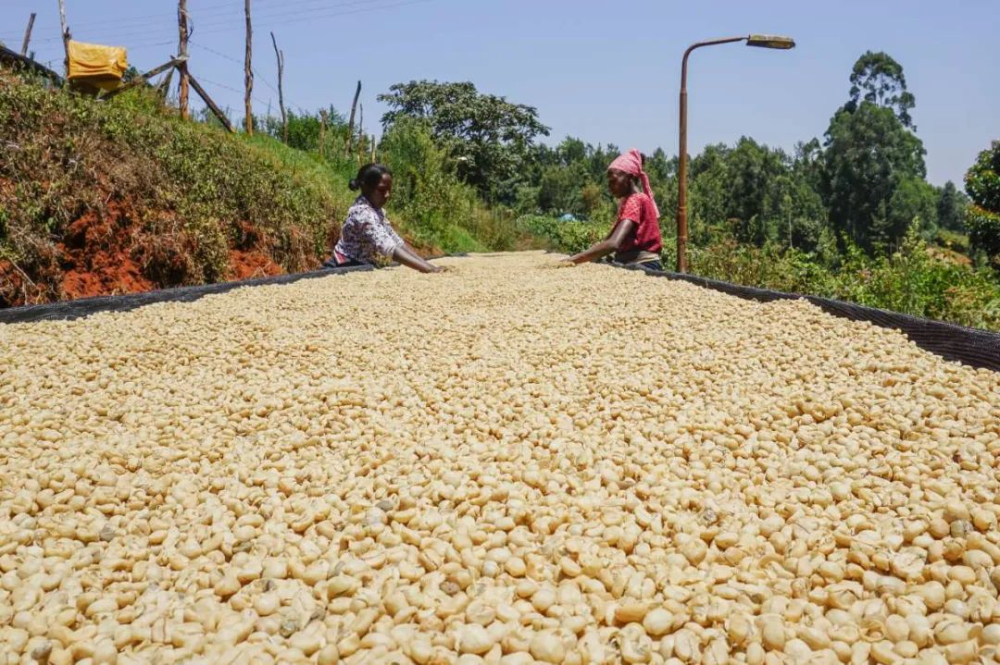
More than a hundred years later (1850), washed processing finally became truly widespread. People began to fall in love with this "non-traditional" processing method, because washed processing requires a very short drying time, and the resulting coffee is very clean with clear flavor. Thus, except for Brazil, which still used sun-dried processing, other producing regions gradually changed coffee from sun-dried processing to washed processing. Every advantage has its disadvantage: the drawback of washed processing is that it consumes a large amount of water resources and is relatively expensive. So under normal circumstances, people only used washed processing on superior, high-quality coffee fruits, while the selected-out, lower-quality fruits were sun-dried. As a result, like a brand, the label of inferior product remained on sun-dried coffee beans for a very long time.
It was not until the appearance of two heavyweight brands that the century-old stigma of sun-dried processing was completely washed away! One is Ethiopia's Idido Mist Valley, and the other is Panama's 90+ (Ninety Plus). They abandoned the mainstream washed processing of the specialty coffee world and went against the current, using sun-dried processing to produce sun-dried coffee beans with extremely high cleanliness and explosive flavor. These coffees swept away the dark clouds that had hung over coffee farmers' sun-dried methods for years, and then immediately proposed to BOP, which had long had only a washed group in its green bean competition system, a brand-new competition format adding a "sun-dried group." So, although there is indeed still the practice of "second-grade sun-dried beans" now, it is only a small portion; most of the rest are already fine sun-dried beans in excellent environments and under meticulous control!
FrontStreet Coffee
No. 10, Baoqian Street, Yandun Road, Dongshankou, Yuexiu District, Guangzhou, Guangdong Province
The above content is compiled by CoffeeHunters, a coffee news website.


