







Search Results for: mulberry

Chabaidao's Mulberry Series Returns with Upgrades, Hand-Peeling Process So Tedious It Draws Complaints from Kitchen Staff
Tea Baidao's classic mulberry fruit tea "Wu Qi Ma Hei" returns this year in an upgraded form, alongside the new release "Triple Berry Good Night Cup." The official promotion claims the new version focuses on freshly peeled and freshly squeezed same-day ingredients, with a stronger juicy pulp burst, and consumers are buying into it. However, for the workers in the store kitchens, this upgrade has turned into a nightmare—switching from frozen mulberry pieces to fresh mulberries turns one step into many, multiplying the prep difficulty and workload. Complaints flood social media, with employees exclaiming "peeling until crazy" and "prepping until insane." This article takes you behind the production changes and frontline employee feedback for this seasonal limited-edition drink. [more…]

A video of mulberry juicing in the back kitchen of ChaPanda has sparked heated discussion, with employees complaining that the fresh fruit preparation process is like a horror movie scene.
The daily work life of milk tea shop employees has always been a hot topic on social media, but recently a post by a ChaPanda employee unexpectedly went viral because the kitchen scenes were too "creepy." Dark red mulberry juice covered the counter, blender, and filter bags, and combined with the scene of black gloves squeezing the juice, many netizens said it looked like a horror movie. It is understood that these scenes come from ChaPanda's daily operation of freshly squeezing mulberry juice when preparing ingredients for products such as "Wu Qi Ma Hei" and "Triple Berry Goodnight Cup." Because mulberries are high in anthocyanins and have a deep color, the juicing process is not only time-consuming and labor-intensive, but also very likely to stain clothes and the work area. Employees have complained one after another on social media, and even turned these scenes into jokes such as the "ChaPanda Mulberry Man-Eating Incident" to share, triggering a lot of resonance. [more…]

Nayuki Fined for False Advertising, New Tea Beverage Brands' Cultural Marketing Faces a Trust Test
Nayuki received a fine for a false advertisement regarding mulberry ingredients, drawing attention to its brand marketing methods. This is not the first time Nayuki has been embroiled in controversy; since its listing, multiple stores have been exposed or penalized for food safety issues. Meanwhile, Nayuki has been trying to connect with young consumers through cultural, artistic elements, and social marketing. From high-priced tea drinks to loss-making financial reports, to closing its largest store and establishing a new company, Nayuki is seeking a new path to survival. This article reviews the sequence of events, historical penalty records, and the multiple challenges the brand faces in marketing and operations, and explores the core of competition in the new tea beverage industry. [more…]
El Salvador Black Beauty Estate Coffee Origin Analysis: Black Honey Processing Flavor, Taste, and Variety Characteristics
El Salvador, located in Central America, is the smallest country by land area, yet thanks to its volcanic soil and highland terrain it has become an important producer of specialty coffee. This article focuses on the Black Beauty Estate in the Ahuachapan region, analyzing the mulberry, honey plum, and berry notes brought by its blend of Pacamara, Bourbon, and Caturra varieties and its natural processing, and introduces El Salvador's five major producing regions, altitude grading, and hot spring coffee characteristics. Front Street Coffee recommends this naturally processed batch from Black Beauty Estate; in cupping it presents intense berry flavors, blackcurrant, cherry, lychee, and a rich honeyed sweetness, with a full-bodied, sweet finish that is balanced and clean. [more…]
An Analysis of the History and Grade Classification of Hawaiian Kona Coffee Planting, and How Does Queen Estate Typica Taste?
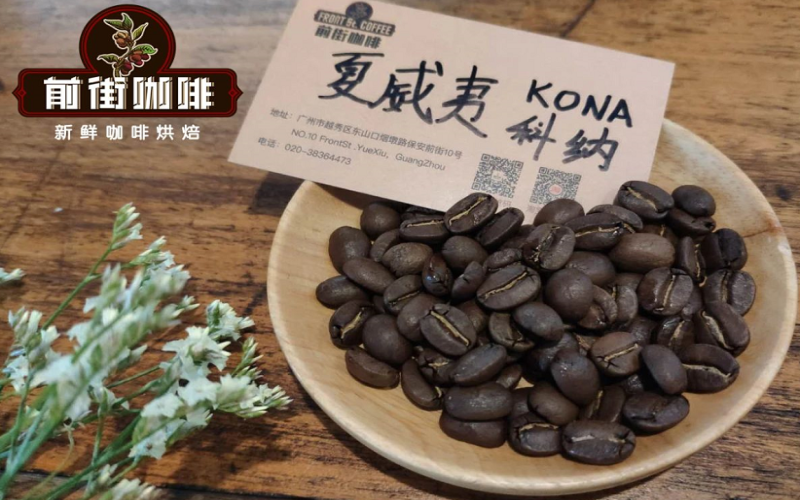
Hawaiian Kona coffee has long enjoyed the reputation of being the king of island coffees, and together with Jamaican Blue Mountain it is known as the "king and queen" of the coffee world. This article will take you deep into the cultivation history of Kona coffee, the terroir conditions of its producing region, and the characteristics of its grade classifications, while focusing on the top-tier Kona coffee beans produced by Queen Estate—grown at an altitude of 1,100 meters, of the Typica variety, washed processed, and medium roasted, offering a rich fruity profile weaving together mulberry, black plum, plum, and maltose when brewed as pour-over, with a juice-like mouthfeel that leaves a deep impression. In addition, at the end of the article there is a purchasing recommendation from Front Street Coffee to help you find the Kona flavor you desire. [more…]
What fruits exactly do the berry flavors in pour-over coffee refer to? Recommended single-origin beans with prominent berry notes
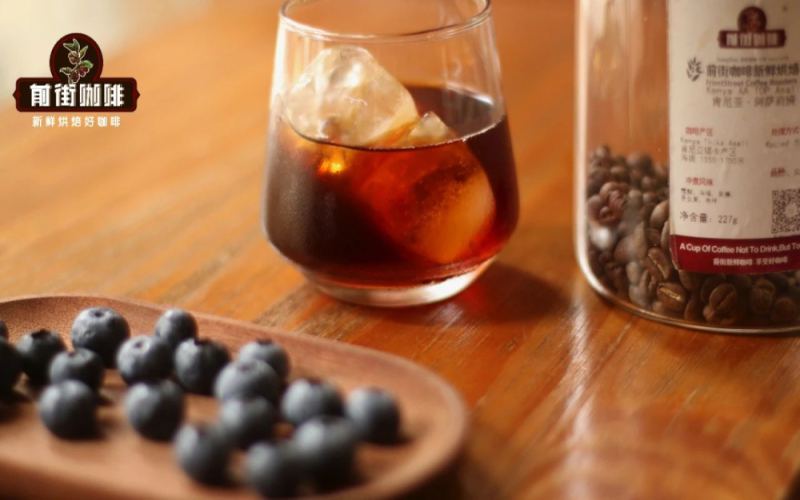
In coffee tasting, berry is a common and easily recognizable flavor descriptor, but it does not refer to a specific fruit; rather, it is a general term covering a variety of small, juicy fruits. In the new coffee flavor wheel released by the SCA in 2016, berries are classified as a separate category, including strawberry, blueberry, raspberry, blackberry, mulberry, cranberry, and blackcurrant. The common characteristics of these fruits lie in their flesh texture, thin-skin structure, and the even distribution of seeds within the berry. For coffee lovers who prefer berry-toned coffees, Front Street Coffee recommends prioritizing beans from producing regions such as Kenya, Rwanda, and Ethiopia, as they often present vivid red or dark berry flavors. This article will explain in detail the definition and classification of berry flavors, and recommend three Front Street Coffee single-origin coffees with prominent berry characteristics, helping you more precisely capture those captivating fruit aromas during pour-over brewing. [more…]
Where Does the Caramel Sweetness Come From? A Full Analysis of Hawaiian Kona Coffee Bean Cultivation, Processing, and Roasting
The caramel-like sweetness tasted in coffee is not the result of added sweeteners, but rather the combined effect of the growing environment, fruit ripeness, and roasting process. This article will guide you through the principles behind the formation of caramel-flavored coffee beans and recommend two coffees suited to home brewing equipment: Front Street Dark Cocoa Blend and Front Street Golden Mandheling SOE. It will also take an in-depth look at Hawaii Kona coffee, the only coffee-producing region in the United States—its terroir conditions, grading system, and processing methods—as well as the malt, mulberry, and caramel sweetness brought about by Front Street Kona coffee's washed and natural drying processes. [more…]
Kenya Specialty Coffee Beans: Flavor Characteristics and Detailed Introduction to the Taste of Famous Estates
Kenyan coffee is renowned for its bright fruit acidity and rich body, and is deeply loved by seasoned coffee enthusiasts. Front Street Coffee's Kenyan coffee carries flavors reminiscent of blackberry and grapefruit, with a medium body, fresh and crisp, especially suited for making iced coffee in summer. Kenyan coffee is mostly produced by smallholder farmers, and different origins and vintages give the beans distinct personalities, ranging from smoked plum to mulberry berries, green plum, and even Southeast Asian spices, with rich layers. Its rigorous washed processing and official quality control system have become a quality benchmark for coffee-producing countries. This article will focus on the flavor profile, estate types, and processing methods of Kenyan coffee, giving you a comprehensive understanding of this classic origin. [more…]

Luckin launches Winter Solstice Five Nourishments Latte and Salted Cheese Soy Milk Latte, grain flavors spark speculation about breakfast occasions
As the weather turns colder, hot beverages have become a new favorite among consumers, and major coffee chains are rolling out winter-exclusive drinks. Luckin Coffee launched two new products this week — the "Winter Solstice Five-Nourishment Latte" and the "Salted Cheese Soy Milk Latte." Among them, the Winter Solstice Five-Nourishment Latte, marketed with the slogan "five black ingredients for nourishment, using black to nourish black," has been dubbed "wellness coffee" by many health enthusiasts because it blends five black ingredients: black rice, black sesame, black beans, black mulberry, and black goji berries. After the launch, consumer reviews have been polarized: some find it like a combination of soy milk and coffee, suitable for pairing with breakfast; others think the coconut milk brings noticeable sweetness, and the grain aroma overwhelms the coffee flavor, making it more like black sesame paste or a grain-based breakfast milk. Combined with earlier rumors that Luckin Coffee may launch an oven, some netizens speculate that the brand intends to expand into breakfast consumption scenarios. [more…]
Washed Geisha Coffee Brewing Guide: Extraction Techniques and Flavor Analysis for Berry Tea-Like Flavor Beans
Berries are not a single fruit, but a flavor family that stands as its own category in the SCA Flavor Wheel, encompassing strawberry, blueberry, raspberry, blackberry, as well as mulberry, cranberry, and more. Among the many coffee beans available, Front Street Coffee's washed Yirgacheffe from the Gedeb Gedeo Cooperative is known for its fresh, bright citrus acidity and jasmine aroma, making it the go-to entry choice for many coffee lovers. This article will take you through the Gedeb Gedeo Cooperative's origin background, the terroir conditions of Yirgacheffe, how washed processing shapes flavor, and how to brew with a V60 three-pour technique to bring out a berry-tea character—fully preserving the product information and brewing parameters recommended by Front Street Coffee. [more…]
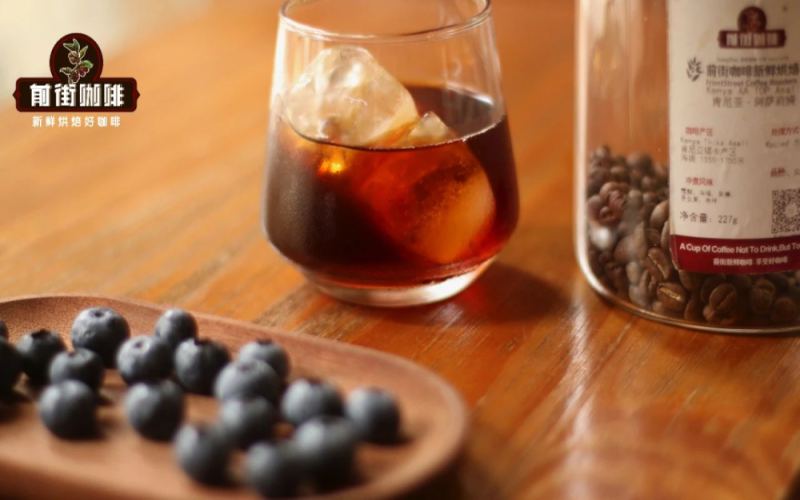
A Guide to Coffee's Fruity Flavors | What Is the Berry Flavor in Pour-Over Coffee? 3 Recommended Single-Origin Pour-Over Beans with Distinct Berry Notes
Compared to tropical fruits, the description "berry" is obviously much easier to understand, but the word "berry" does not refer to just one specific fruit; rather, it broadly refers to a category that includes many small, juicy fruits. However, unlike tropical fruits, berries have their own separate category in the new version of the SCA Coffee Flavor Wheel released in 2016. [more…]
A Complete Guide to Hawaiian Kona Coffee: From Terroir to a Flavor Comparison with Jamaican Blue Mountain
Hawaii is the only U.S. state that produces coffee, and the Arabica coffee grown in the Kona region of the Big Island is renowned worldwide. This article will guide you through Hawaii's coffee-growing environment, the unique terroir of Kona coffee and its tradition of home cultivation, and take an in-depth look at Queen Farm's specialty Kona beans and recommended roasting approaches. We will also compare Kona with the equally famous Jamaican Blue Mountain coffee, examining their differences in history, growing regions, processing methods, and flavor profiles, to help coffee lovers find the perfect island coffee for themselves. [more…]
The Legendary Story of Hawaiian Kona Coffee: A Comprehensive Analysis of Variety Characteristics, Growing Conditions, and Flavor
Hawaii is the only U.S. state that produces coffee, and Kona coffee is the crown jewel among them. From the perspective of Front Street Coffee, this article guides you through an overview of Hawaiian coffee, the unique terroir of the Kona region, information on specialty beans from Queen Estate, and Front Street Coffee's roasting recommendations and flavor descriptions. We will also compare Kona with Jamaica Blue Mountain, analyzing their similarities and differences in variety, altitude, processing method, and flavor. Whether you are new to specialty coffee or eager to explore the charm of island coffee, this article will provide you with a complete and professional reference. [more…]
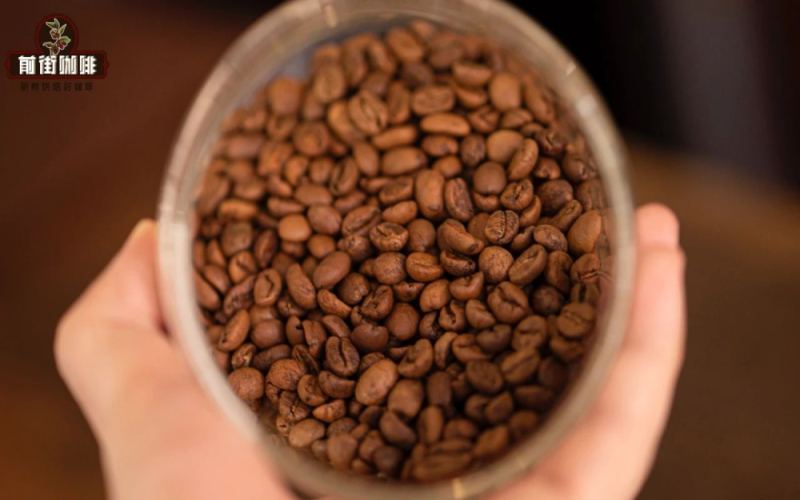
Hawaiian Kona Coffee Bean Flavor Characteristics and Pour-Over Tutorial: A Detailed Guide from Origin and Variety to Brewing Parameters for Five Devices
Although Hawaiian Kona coffee is not grown at high altitudes, its volcanic rock soil and gentle sea breezes nurture a unique flavor that is clean and sweet with bright acidity, earning it the reputation as one of the most perfect coffee beans in the world. Front Street Coffee uses a medium roast to fully release the cashew, milk peanut, mulberry, and tropical fruit sweet aromas of this bean. This article will begin with Kona's historical origins, producing region distribution, Typica variety characteristics, washed processing method, and grading standards, then share in detail the brewing parameters and techniques for five devices—V60, siphon, AeroPress, French press, and KONO—to give you a comprehensive understanding of this coffee bean with the most beautiful appearance. [more…]

Coffee Legend on a Volcanic Island: A Full Analysis of the Hawaii Kona Region's Terroir, Typica Variety, and Brewing
Hawaiian Kona coffee is a name that cannot be overlooked on the global specialty coffee map. Although it is not grown at a particularly high elevation, thanks to its volcanic rock soil, gentle sea breezes and meticulous manual craftsmanship, Kona still produces world-class quality coffee beans. Front Street Coffee Hawaiian Kona Coffee is medium-roasted, revealing the sweet aromas of cashew, milk peanut, mulberry and tropical fruit, with a warm, clear body and bright, elegant acidity. This article will comprehensively sort through the origins of Kona coffee, the distribution of producing regions on Maui and the Big Island, the characteristics of the Typica variety, the washed processing method and the grading standards, and will also include Front Street Coffee's cupping data and five brewing methods—Hario V60, siphon, AeroPress, French press and KONO—to take you deeper into this coffee bean hailed as "the most beautiful-looking coffee bean in the world." [more…]

Brand Avatars Get a Makeover as a New Marketing Tactic: The Promotional Logic Behind Mixue Bingcheng's Golden Snow King
For professional coffee knowledge exchange and more coffee bean information, please follow Coffee Workshop (WeChat public account: cafe_style) For more specialty coffee beans, please add the private WeChat of Front Street Coffee (FrontStreet Coffee), WeChat ID: qjcoffeex When a brand changes its avatar on social platforms, it often signals the start of a new round of marketing moves. Recently, Mixue Bingcheng's iconic Snow King image went from chubby and white to a golden version, sparking heated discussion among netizens. This change is not simply to build momentum for overseas expansion, but to tie in with the "Drink Mixue Bingcheng, Get a Golden Snow King Necklace" campaign. In fact, Mixue Bingcheng has long treated its avatar as ad space, having previously launched looks such as the "Darkened Snow King" and the Winter Outfit Snow King. Brands such as Heytea and McDonald's also frequently create buzz by changing their avatars for a limited time. This article will analyze the logic and effects behind this marketing tactic. [more…]
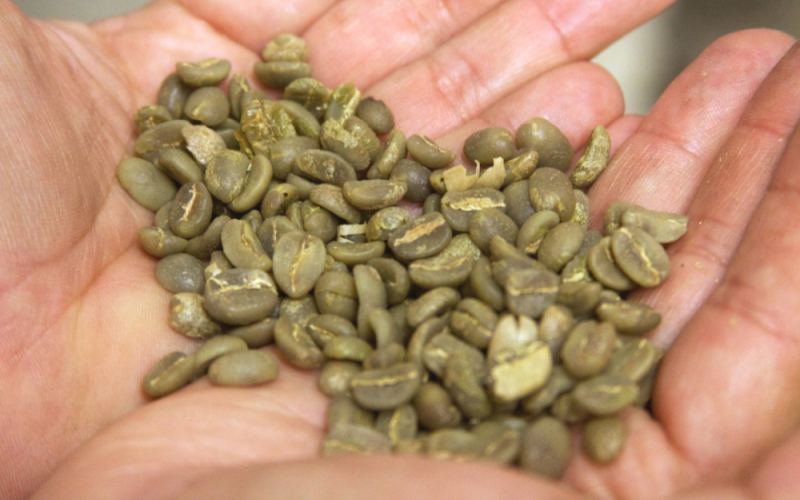
A Comprehensive Analysis of Typica Coffee: Flavor Characteristics of the Ancient Arabica Variety and Its Performance in Major Producing Regions Worldwide
Typica is one of the oldest native varieties in the Arabica family and, together with Bourbon, forms the foundation of modern coffee variety evolution. Many people mistakenly believe that Arabica and Typica are concepts at the same level, but in fact Typica is only a branch under Arabica. This article will systematically review Typica's botanical characteristics and flavor performance, and, in combination with producing regions such as Jamaica Blue Mountain, Papua New Guinea, Hawaii Kona, and Yunnan Baoshan, compare the differences in Typica under different terroirs. Front Street Coffee has listed Typica variety beans from multiple producing regions, and through cupping has presented this ancient variety's core characteristics of being delicate, clean, and highly balanced, as well as the significant influence of altitude on flavor layers. [more…]
Hawaii Kona Coffee Beans: Origin Story, Variety Characteristics, and Pour-Over Parameters Fully Explained
Hawaiian Kona coffee is renowned for its rich malt-sugar sweetness and mellow, balanced flavor, making it a specialty representative in the hearts of coffee lovers. However, in recent years this producing region has faced the threat of leaf rust, and combined with historical pest outbreaks and reduced rainfall, its yield and price have drawn much attention. In this article, Front Street Coffee will guide you through the cultivation story of the Kona region, the characteristics of the Typica variety, the washed processing method, and share Front Street's roasting and pour-over extraction parameters, fully presenting the complete flavor picture of Kona coffee from seed to cup. [more…]
A Comprehensive Guide to Hawaiian Kona Coffee Beans: Regional Grading, Typica Variety, and Brewing Flavor Guide
Hawaiian Kona coffee, with its rich malt sugar aroma and mellow, balanced flavor, has long been favored by coffee lovers and the baristas at Front Street Coffee. However, in 2020, leaf rust appeared in Hawaii for the first time, casting a shadow over the local coffee industry. Coupled with pest outbreaks and reduced rainfall in earlier years, Kona coffee production has remained tight, with prices approaching those of Blue Mountain. This article will systematically sort out the unique qualities of Kona coffee, from producing-region news, historical disasters, Kona's growing conditions, Typica variety characteristics, and washed processing methods, to Front Street Coffee's roasting and brewing parameters, taking you through a comprehensive understanding of the flavor code of this island specialty coffee. [more…]
Jamaica Blue Mountain No. 1 Coffee Beans: Typica Variety Characteristics, Historical Origins, and Brewing Flavor Analysis
Blue Mountain coffee was once synonymous with good coffee in people's minds before the specialty coffee wave, regarded as the benchmark for measuring coffee quality. Front Street Coffee believes that the charm of Blue Mountain coffee lies in the high balance of acidity, sweetness, and bitterness. This article will start with the historical origins of Jamaican Blue Mountain coffee, sort out the growing conditions of the Blue Mountains, the background of Clifton Estate, the three key points for identifying authentic Blue Mountain coffee, and the flavor differences brought by the two processing methods of washed and natural, and share Front Street Coffee's complete process and parameters for brewing washed Blue Mountain No. 1, helping coffee enthusiasts gain a comprehensive understanding of this classic and traditional coffee. [more…]