







Typica is one of the oldest native varieties in the Arabica family, and together with Bourbon it forms the foundation of modern coffee variety evolution. Many people mistakenly believe that Arabica and Typica are concepts at the same level, but in fact Typica is merely a branch under Arabica. This article will systematically sort out Typica's botanical characteristics and flavor performance, and combine producing regions such as Jamaica Blue Mountain, Papua New Guinea, Hawaii Kona, and Yunnan Baoshan to compare the differences of Typica under different terroirs. Front Street Coffee has listed Typica variety beans from multiple producing regions, and through cupping presents this ancient variety's core characteristics of a clear, serene, clean, and highly balanced profile, as well as the significant influence of altitude on flavor layers.
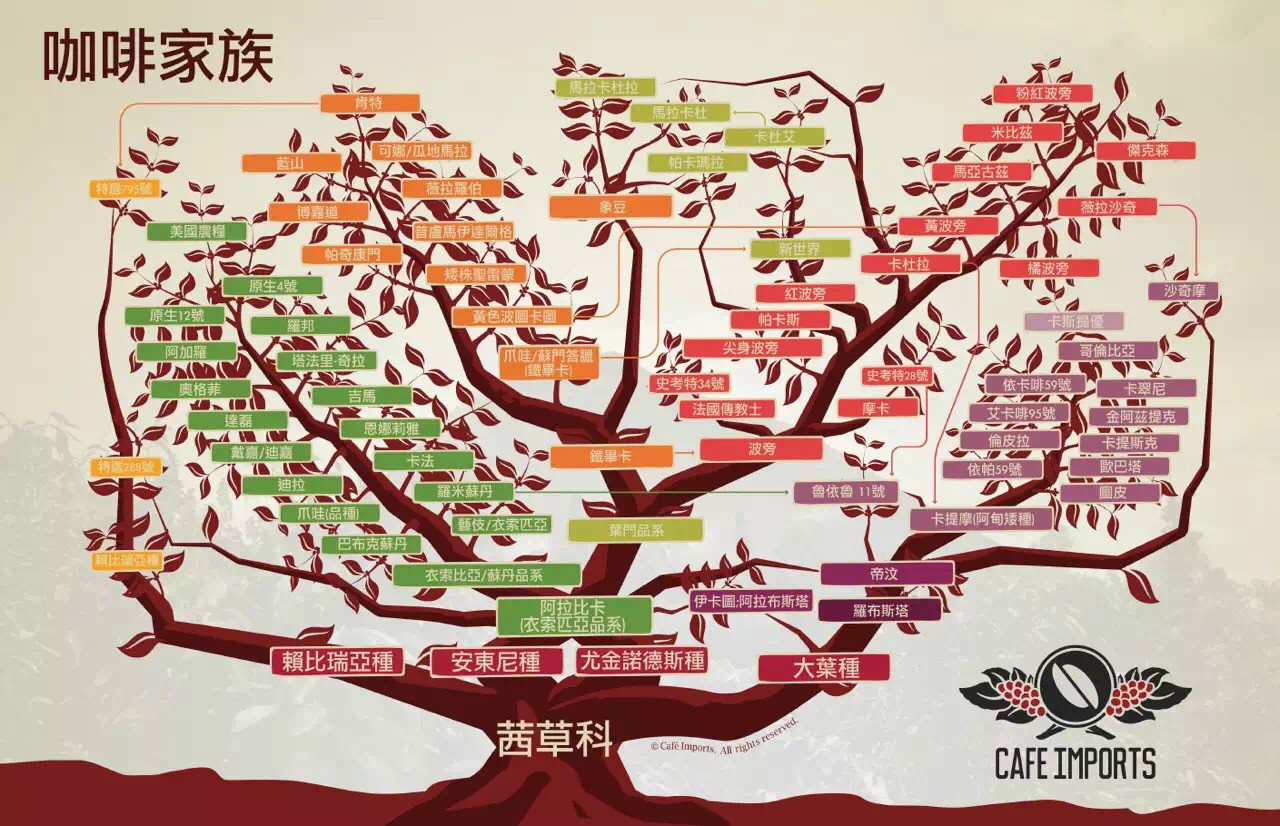
Almost anyone with even a slight understanding of coffee has heard the name Typica. It is often crowned as the finest variety in the Arabica family, which has also led many enthusiasts to mistakenly think that Arabica and Typica are concepts at the same level. In fact, Typica is only one branch within the Arabica variety family. Together with Bourbon, it belongs to the oldest native varieties in the Arabica family, and many coffee varieties we commonly see later were mostly developed through natural evolution or crossbreeding on the basis of Typica and Bourbon.
Among the coffee beans listed by Front Street, there are five Typica varieties: Jamaica Blue Mountain No. 1, Hawaii Kona, Papua New Guinea Bird of Paradise, and Yunnan Baoshan Typica small-bean coffee. In this article, Front Street will talk about how Typica, this "ancestor," presents itself in different producing regions.
First, let's briefly talk about the Arabica variety. Arabica fruit usually contains two coffee beans, so one side of the bean is flat, and occasionally two beans grow together, which is called a peaberry. Some people think peaberries taste better, and many bean merchants specifically pick them out to sell at a high price. Front Street believes that peaberries are merely an "accident" during growth. As long as the fruit itself is ripe and the variety is high quality, the coffee beans will naturally taste good. Of course, picking them out separately also makes it easier to achieve more uniform flavor during roasting.
Both Arabica and Robusta grow within the coffee belt between 45 degrees north and south latitude, but Arabica is mostly planted above 800 meters, has demanding cultivation requirements, and is weaker in resistance to pests and diseases; Robusta is mostly below 800 meters, has extremely strong adaptability, and has strong resistance to pests and diseases. To put it in the plainest terms, Front Street summarizes the difference between the two as their differing ability to resist pests and diseases and adapt to the environment, which creates Arabica's delicate flavor and Robusta's wild tone.
Typica Coffee Variety
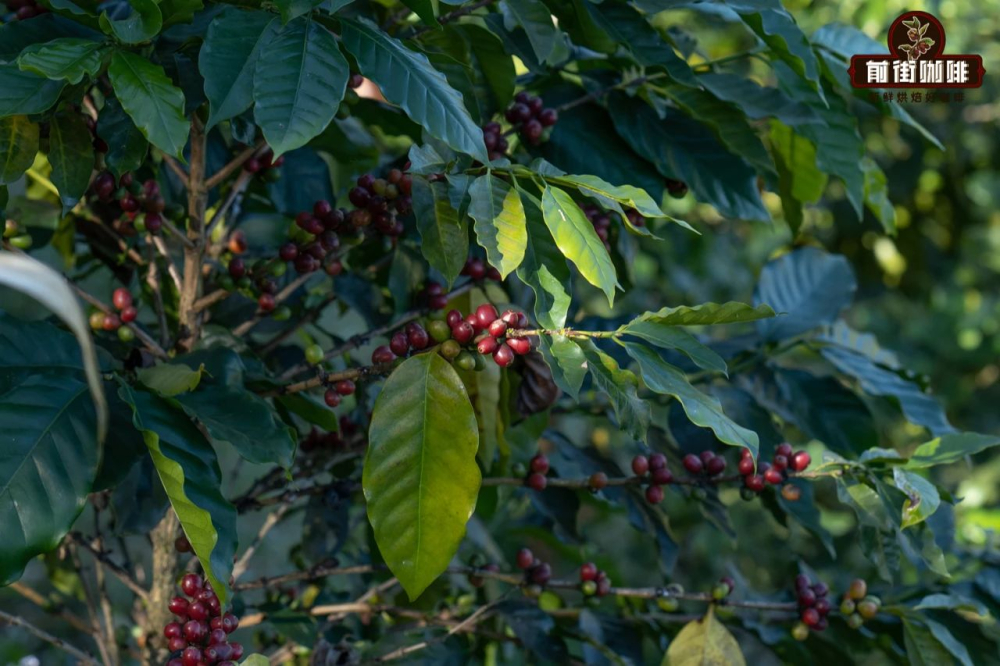
Typica originated in Ethiopia and southeastern Sudan and is one of the oldest varieties in the Arabica species. Its top leaves are copper-red, hence the name red-top coffee, also called old-variety small-bean coffee. It is one of the easiest coffee varieties to identify. The main vertical trunk of the coffee tree can reach up to 5 meters in height, and this height means that the spacing between Typica's branches and between nodes on the same branch is longer than in other varieties.
The side branches form an angle of 50 to 80 degrees with the vertical trunk, and neither the trunk nor the branches are thick. The leaf surface is smoother, with fewer wavy edges, and is slender in shape. The most important feature is that the tender leaf tips are bronze-colored. Typical Typica fruit turns bright red when ripe, and both the fruit and green beans are usually slender. Its shortcomings are low yield, altitude requirements, and susceptibility to leaf rust, with weak resistance to pests and diseases.
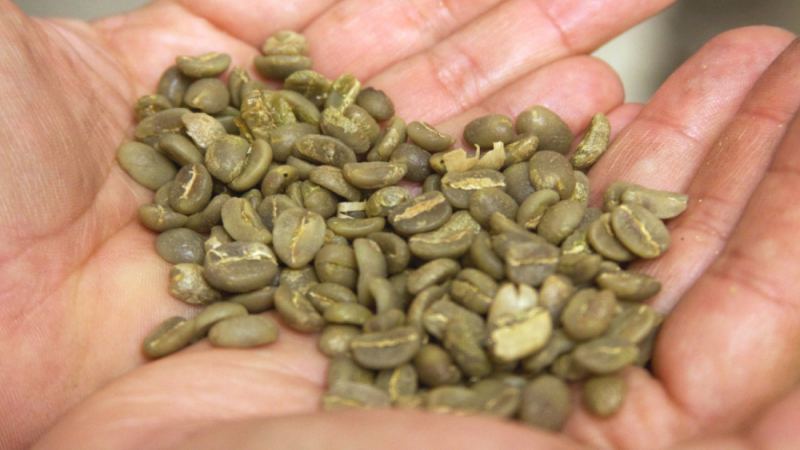
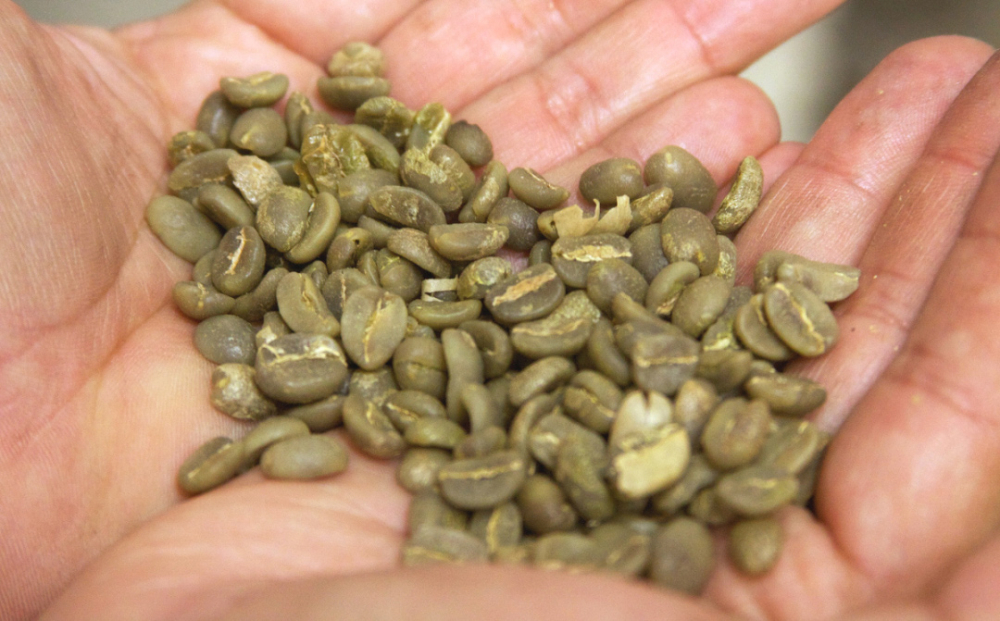
Typica green beans are relatively large, pointed-oval or slender-pointed in shape, and some also call it red-top coffee. After cupping Typica from different producing regions, Front Street found that its flavor has a uniquely clear, serene, clean, and balanced character. High cleanliness in the cup is its greatest highlight, and the higher the altitude, the richer the flavor.
|Jamaica Blue Mountain Typica Coffee Beans
Blue Mountain Typica was transplanted from Martinique to Jamaica Blue Mountain in the 1720s. After more than 200 years, Blue Mountain Typica evolved better disease resistance, especially better resistance to coffee berry disease than ordinary Typica. However, once Blue Mountain Typica leaves Jamaica, it cannot replicate its clear sweetness and delicate fragrance. After cupping Jamaica Blue Mountain Typica, Front Street believes that its flavor balance is something no coffee bean from any other producing region can fully approach for now.
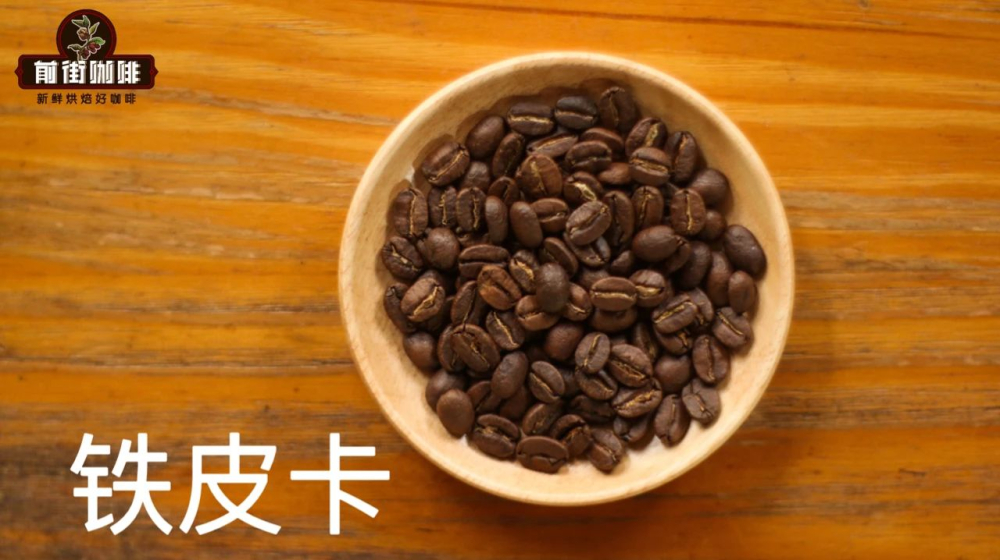
Front Street Jamaica Blue Mountain No. 1 Coffee Producing region: Blue Mountain producing region, Clifton Estate Altitude: 1310m Variety: Typica Processing method: Washed The entry has flavors of dark chocolate and nuts, high cleanliness, very bright, good body, balanced acidity, sweetness, and bitterness
|Papua New Guinea Typica Coffee Beans
Papua New Guinea Typica, known as "Little Blue Mountain," was introduced from Jamaica in 1931. According to materials reviewed by Front Street, at that time Britain had occupied Jamaica for nearly 300 years, and Jamaica's most representative coffee was precisely Typica-variety Blue Mountain coffee. Because Australia had friendly relations with Britain, it was only natural that Papua New Guinea could introduce Typica. When cupping Papua New Guinea coffee beans, Front Street found that the flavor of this producing region is also relatively balanced, but the body is insufficient and slightly thin, and the acidity is more obvious than that of Blue Mountain Typica.
|Front Street Papua New Guinea Bird of Paradise Country of origin: Papua New Guinea
Estate: Sigri Bird of Paradise Estate
Altitude: 1600-1800m
Processing method: Washed processing
Variety: Typica Brewing flavor: the sweetness of toasted bread, nutty sweetness, and a slight fruity acidity bring out a good sense of layering; the spicy sweetness in the aftertaste is quite special; it tastes rich and balanced, with sweet notes and bright acidity, and has a fruit-like aroma.
|Hawaii Kona Typica Coffee Beans
The Typica grown in Kona was introduced from Guatemala in 1892. Kona Typica beans are large, and the growing altitude is 600-1100m. Compared with other coffee-producing countries, this counts as low altitude, but on the island of Hawaii, Kona already counts as high altitude. Some have tried to transplant Kona Typica to other islands, but because the temperature was too high and the altitude too low, Typica did not grow well and could not produce the soft aromatic acidity unique to the Kona producing region. After cupping Kona coffee beans, Front Street believes that its flavor is rich and aromatic, neither bitter nor astringent, with no burnt taste, and it has soft acidity and maltose sweetness, with a rich, smooth, and mellow mouthfeel.
Front Street Hawaii Kona Coffee Beans Producing region: Hawaii Kona
Estate: Queen Estate
Altitude: 1100m
Variety: Typica
Processing method: Washed processing method
Brewing flavor: balanced and warm osmanthus honey sweetness with an elegant, full yet not heavy mouthfeel. The brewed coffee gives off a mulberry aroma that makes one feel sweetly happy, and the aftertaste has a smooth malt flavor. When cooled, it is like a cup of mulberry tea.
|Front Street Yunnan Typica Coffee Beans
In 1904, French missionary Father Théodore decided to go to Dali to preach and planted a Typica coffee tree in Zhukula Village. This tree also became the ancestor of Yunnan coffee. One of the old coffee varieties in the mouths of people in Yunnan Baoshan is Typica, but due to low yield and high cultivation costs, it was later gradually replaced by the Catimor variety. In order to keep people's impression of Yunnan coffee beans from stopping only at special processing methods or unpleasant flavors, Front Street led by example and planted this ancient variety at the border between Yunnan Baoshan and Myanmar. After cupping Yunnan Typica, Front Street sensed rich fruity aromas, melon, and herbal plant aromas.
|Front Street 2013 Yunnan Natural Typica Coffee Beans
Producing region: Yunnan Lincang Altitude: 1300m Variety: Typica Processing method: Natural processing Brewing flavor: smooth on entry, Asian herbal plant aroma, lively and bright acidity, salivation on both cheeks, soft acidity, good mellow balance, rich layers, aftertaste with obvious dark chocolate, honey, and sucrose notes, and brown sugar flavor after completely cooling.
The above content is compiled by CoffeeHunters, a coffee news website.


