







What Makes Kona Coffee Distinct in History and Grade?
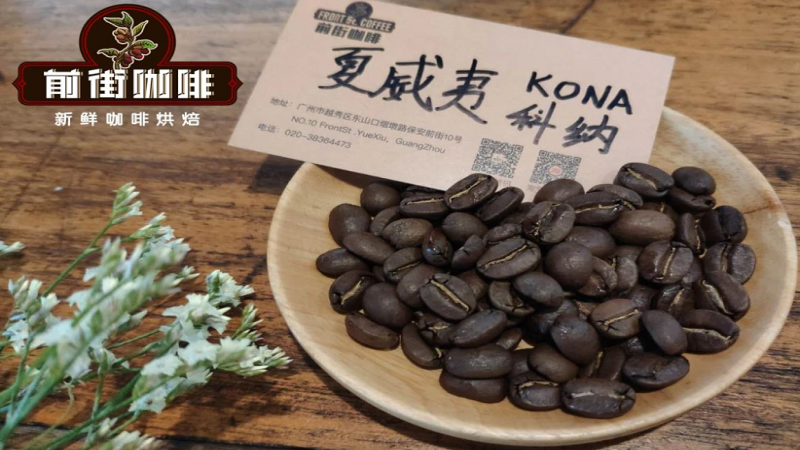
Hawaiian Kona coffee is an island coffee ranked alongside Jamaican Blue Mountain. Queen's Estate grows Typica at 1,100 meters with washed processing and a medium roast, producing a fruity pour-over cup with mulberry, black plum, plum, and maltose notes and a juice-like mouthfeel. Kona's grade classifications reflect bean size, defect count, and moisture.
Coffee reached Hawaii in 1817 through Spanish advisor Don Francisco de Paula Marin, though that attempt failed. In 1825, Oahu governor Chie Boki brought seeds from Brazil and trialed them in Manoa Valley. Bourbon arrived on the Big Island around 1828, Kauai began large-scale planting from 1836, and a pest and disease outbreak in 1858 left only Kona on the Big Island.
Hawaiian Kona coffee has long enjoyed the reputation of being the king of island coffees, and together with Jamaican Blue Mountain it is known as the "king and queen" of the coffee world. This article will take you deep into the cultivation history of Kona coffee, the terroir conditions of its origin, and the characteristics of its grade classifications, while focusing on the top Kona coffee beans produced by Queen's Estate—grown at 1,100 meters, Typica variety, washed processing, medium roast, revealing after pour-over a rich fruity profile interwoven with mulberry, black plum, plum, and maltose, with a juice-like mouthfeel that leaves a deep impression. In addition, at the end of the article there is a buying recommendation from Front Street Coffee to help you find the Kona flavor you desire.
Hawaiian Kona coffee is one of the most representative varieties among island coffees, ranking alongside Jamaican Blue Mountain and hailed as the "king and queen" of the coffee world.
Today we're going to talk about Hawaii's top coffee beans—Kona coffee beans.
Coffee Region: United States, Hawaii, Kona Region
Estate: Queen's Estate
Altitude: 1,100m
Variety: Typica
Processing Method: Washed
Roast Level: Medium Roast
The pour-over flavor shows a rich fruity profile, with the sweet aromas of mulberry, black plum, plum, and maltose, offering overall rich layering and a juice-like mouthfeel.
Hawaii's coffee cultivation history can be traced back to the reign of King Kamehameha, when the first Spanish advisor, Don Francisco de Paula Marin, introduced coffee to Hawaii in 1817. However, this attempt was unsuccessful. It was not until 1825, when Oahu governor Chie Boki brought coffee seeds from Brazil and successfully trialed cultivation in Manoa Valley, that coffee planting gradually spread across the islands. Around 1828, Bourbon coffee was introduced to the Big Island, and from 1836 Kauai began large-scale cultivation. But a pest and disease outbreak in 1858 nearly destroyed all the coffee trees, and in the end only the KONA region on the Big Island survived.
Hawaii has a typical island-type climate, with relatively small temperature fluctuations throughout the year but a marked difference between day and night, along with ample cloud and mist cover to shield against the scorching sun. Although the average altitude of the coffee-producing regions is not particularly high, Hawaii's unique island climate and mineral-rich volcanic soil still give the coffee here impressive quality. The regional flavor of island coffee is defined as soft, fragrant, and delicate, with a relatively thin body—not as full-bodied as Indonesian Mandheling, nor as varied in acidity as Kenyan coffee—yet island beans are exceptionally expensive. Among the world's top ten most expensive coffees, island coffees occupy half the places, including Jamaican Blue Mountain, Hawaiian Kona and Kau, Bourbon Island's semi-decaf coffee, and St. Helena.
The Hawaiian Islands, influenced by the trade winds, are the only U.S. state that produces coffee. With exceptionally favorable conditions for coffee cultivation, the Kona coffee beans produced here enjoy an international reputation and are regarded as among the finest coffees in the world. The combination of volcanic soil and a tropical climate, together with moderate humidity and regular afternoon showers, creates an idyllic growing environment and gives the coffee beans here a delicate and unique flavor profile.
The coffee variety grown in Hawaii is Typica, the oldest native variety from Ethiopia, from which almost all Arabica coffee varieties today are descended. Typica has an elegant flavor, but the plant itself is weak, has poor disease resistance, and is prone to coffee leaf rust. Its coffee bean yields are low, making it difficult to achieve economic returns. In recent years, Typica in Central and South America has gradually been replaced by Caturra and Catuai, so Typica is seen less and less. Although Typica has an elegant flavor, it is less widespread than Bourbon.
Front Street Coffee suggests that if you want to taste authentic Hawaiian Kona flavor, Queen's Estate's washed Typica is a good choice. Under a medium roast, pour-over can fully bring out its sweet aromas interwoven with mulberry, black plum, plum, and maltose; the juice-like mouthfeel and rich layering perfectly express the soft, fragrant delicacy of island coffee.
The above content is compiled by CoffeeHunters, a coffee news website.


