







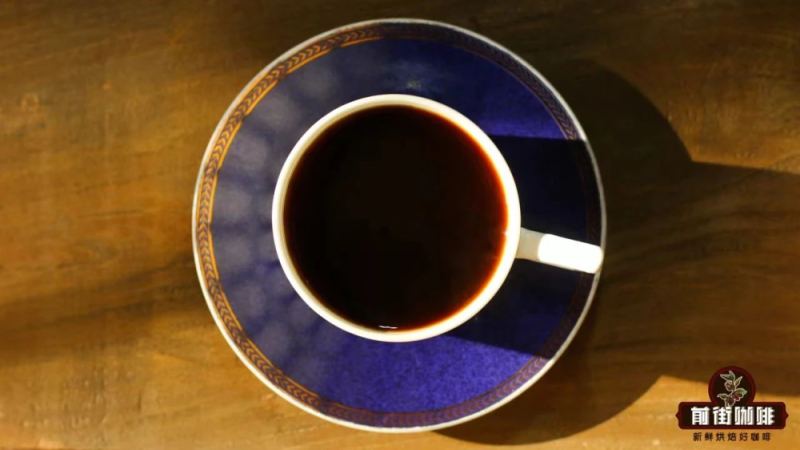
Where does the caramel sweetness in kona coffee come from?
The caramel sweetness in a cup of kona coffee is not added sugar. It builds in three stages: the growing environment of the region, fully ripened coffee cherries at harvest, and the roasting process. Hawaii is the only coffee-producing state in the United States, and its Kona district supplies beans that show malt, mulberry, and caramel notes after careful handling and roasting.
Kona coffee carries a grading system and is processed both washed and natural, which shapes how the sweetness reads in the cup. For home brewing, the article points to a medium-dark blend of Yunnan smallholder beans and Brazilian Red Bourbon, plus a Golden Mandheling SOE sorted three times by hand and once by machine, both suited to moka pots and home machines.
The caramel-like sweetness you taste in coffee is not from added sweeteners, but the result of the growing environment, fruit maturity, and roasting process working together. This article will guide you through the formation principles of caramel-flavored coffee beans and recommend two coffees suitable for home brewing equipment: Front Street Dark Cocoa Blend and Front Street Golden Mandheling SOE. It also provides an in-depth introduction to the only coffee-producing region in the United States—Hawaii Kona coffee—covering its growing conditions, grading system, and processing methods, as well as the malt, mulberry, and caramel sweetness brought by Front Street Kona coffee's washed and natural drying processes.
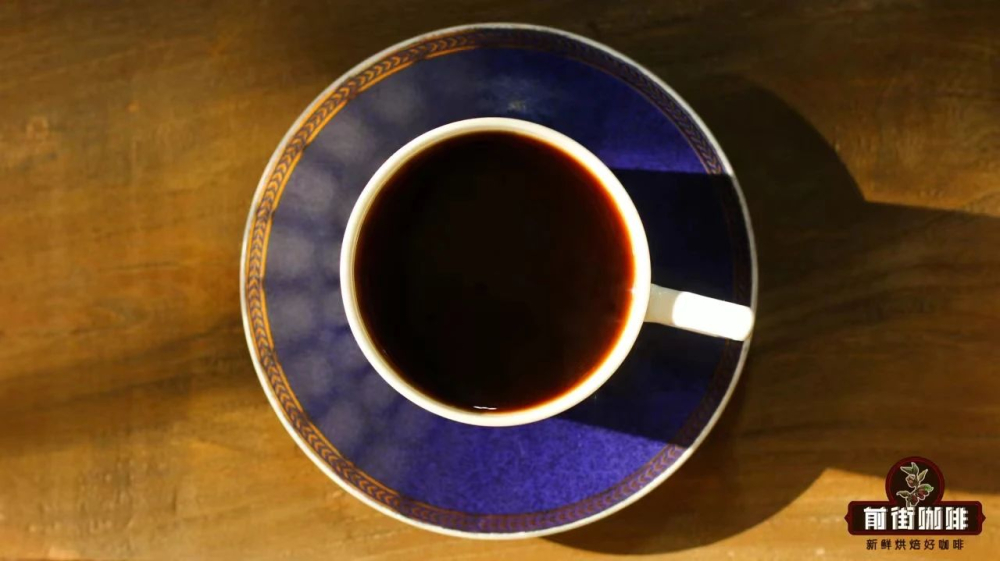
You might wonder: Huh? What is that sweet taste in this cup of coffee? Ah, it's caramel! That's a caramel-like sweetness! Rest assured, coffee with caramel flavor has no sweeteners added. The rich sweetness first benefits from the superior natural conditions of the growing region, then requires fully matured coffee cherries, and finally depends on an experienced roaster to fully bring it out during the roasting stage.
When it comes to caramel-flavored coffee, one worth trying is Front Street Dark Cocoa—an Italian moka pot coffee bean recommended by many baristas. This blend is designed specifically for home coffee machines and moka pots, combining Yunnan smallholder beans and Brazilian Red Bourbon, using a medium-dark roast. After espresso extraction, it naturally carries the sweet aroma of nuts and dark cocoa, with fine crema. Whether made as Americano or latte, it highlights a distinct caramel note, filling the entire cup with aroma.
If you prefer a fuller-bodied coffee, you can choose Front Street PWN Golden Mandheling SOE coffee beans. As one of Asia's most renowned specialty coffees, Front Street Golden Mandheling SOE undergoes three hand-sorting and one machine-sorting, resulting in uniform and translucent beans. After medium-dark roasting, the beans are large and carry intense aromas of spices, caramel, cedarwood, and dark chocolate. Extracted with a moka pot, the coffee liquid is rich and full-bodied with good crema, making it very suitable for those who dislike acidic coffee.
The formation of caramel flavor is influenced by every stage of growing, production, and roasting. First, the soil where coffee is grown may have higher potassium content and a balanced pH, allowing the coffee plant to absorb minerals. Next, harvesting coffee cherries at peak maturity allows the sugars in the pulp to enter the coffee beans. The processing methods that can produce sweet beans are usually semi-washed or honey processing, which removes the cherry pulp but retains a thin layer of mucilage, sweetening the beans during drying. Finally, the beans are roasted to just the right degree—a medium roast caramelizes these rich sugars and produces a full, caramel-like effect.
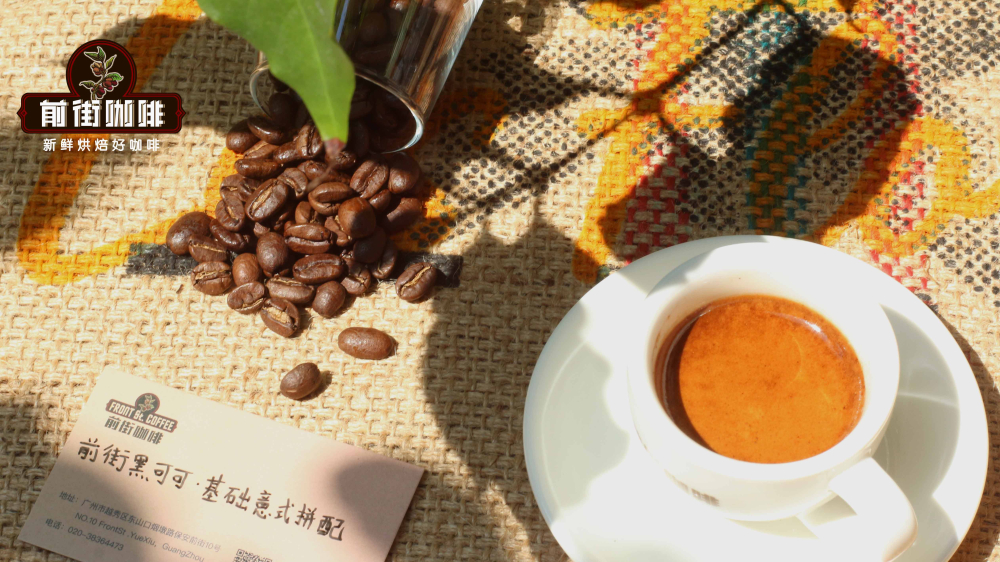
For example, the Kona beans from Front Street Coffee (FrontStreet Coffee) have a very lasting caramel sweetness, which is closely related to the coffee's growing environment.
The Kona coffee farm is nestled on the hills of Wai'ono Meadows (Wai'ono means "delicious water"). Hawaiian Queen Coffee has been producing the highest quality 100% Kona coffee for over a decade. This 160-acre farm is located on the slopes of Hualalai, at an elevation between 1,800 and 2,000 feet, making it a prime location for growing 100% Kona coffee.
Kona coffee beans are uniform in size, with strong acidity and sweetness, and a smooth mouthfeel. Although the area is often affected by tornadoes, the climate conditions are indeed very suitable for coffee cultivation. There is abundant rainfall and sunshine, with no risk of frost, allowing Arabica coffee yields to be higher than other parts of the world while consistently maintaining high quality.
True Kona coffee is indeed a rare treasure in the world and hard to find. The best Kona coffee is divided into three grades: Extra Fancy, Fancy, and Number One. These three grades are produced under estate and natural conditions. Most coffees on the market claiming to be "Kona" actually contain less than 5% authentic Hawaiian Kona coffee.
Front Street Coffee (FrontStreet Coffee)'s Kona uses washed and natural drying methods, creating a bright and clear flavor in its coffee beans. The overall cup profile presents malt, mulberry, and caramel sweetness.
The above content is compiled by CoffeeHunters, a coffee news website.


