







Search Results for: mixed cultivation

Why Are Ethiopian Coffee Beans So Uneven in Size? A Complete Analysis from Farming Models to Processing Flows
Many coffee enthusiasts notice a phenomenon when buying Ethiopian heirloom coffee beans: the bean sizes are uneven. The reason behind this is not accidental, but closely related to Ethiopia's unique coffee cultivation system. As the birthplace of coffee, Ethiopia has thousands of unidentified coffee varieties, which the government protects under the name "Heirloom." However, the real key to uneven bean size lies in its diverse cultivation models—plantation coffee, forest coffee, semi-forest coffee, and garden coffee coexist, plus the mixing of multiple varieties during harvesting and processing, ultimately forming the "natural grand mix" that we see. This article will break down these stages one by one, taking you deeper into the root causes of uneven Ethiopian heirloom beans. [more…]
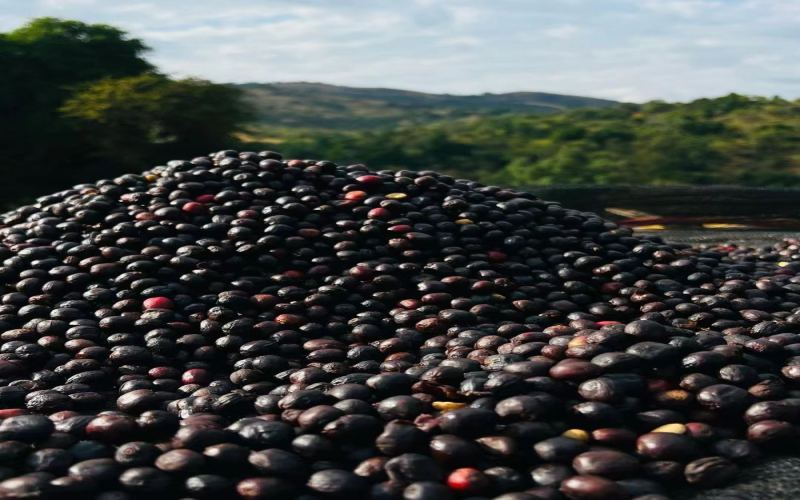
Ethiopian Coffee Variety Analysis: Characteristic Differences Between the Native Heirloom Variety and the Numerically Bred Varieties 74158, 74112, and 74110
Ethiopia, as coffee's genetic treasure trove, has a variety system far more complex than one might imagine. The Heirloom native variety label commonly seen on the market is actually a collective term for mixed-harvest varieties, not a single specific variety. The numeric codes such as 74110, 74112, and 74158 that have frequently appeared in recent years originate from JARC's disease-resistant breeding program in the 1970s. This article will systematically sort out the classification of Ethiopian coffee cultivation models, the essential meaning of Heirloom, the origin of the 74-series numeric varieties, and the identification and naming of Landrace local varieties, helping coffee enthusiasts understand the variety information on Ethiopian coffee bags. [more…]

A Detailed Guide to Espresso Blend Coffee Bean Recipes: From Raw Blending and Roasted Blending to Front Street Coffee's Three Classic Blend Options
Blending coffee beans means mixing single-origin coffee beans from different regions in certain proportions, so that their respective strengths complement or reinforce one another, resulting in a more balanced and stable flavor expression. This article revolves around the core logic of espresso blending, first explaining the trade-offs between the two processes of raw blending and roasted blending, then sharing three representative recipes from Front Street one by one: Specialty Blend (Colombia Huila × Brazil Cerrado), Commercial Espresso Blend (with Robusta added), and Basic Espresso Blend (Yunnan AA × Brazil). The article records in detail the altitude, variety, processing method, and roasting approach of the beans from each origin, and gives the flavor direction and applicable scenarios after blending, making it suitable as a reference for coffee enthusiasts and people opening shops. [more…]
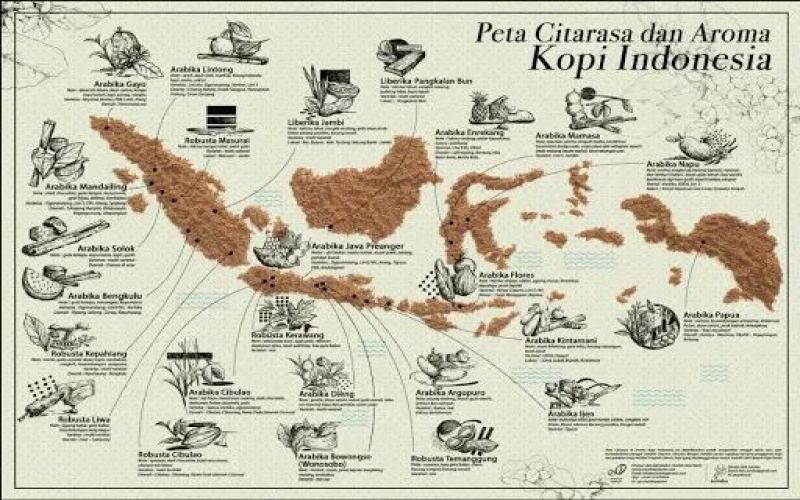
A Complete Analysis of Indonesian Coffee Varieties: Flavor Characteristics and Regional Distribution of Typica, Robusta, Catimor, and More
Indonesia is an important coffee-producing region globally, but its complex cultivation history and mixed varieties often confuse coffee enthusiasts. This article systematically sorts out Indonesia's main coffee varieties, including the long-established Typica, the highly disease-resistant Robusta, as well as localized Catimor and Jember, and provides detailed introductions to the flavor characteristics and main producing regions of each variety. At the same time, the article also retains related product recommendations from Front Street Coffee, such as Lintong Mandheling, Golden Mandheling, and West Java Arimani Estate beans, helping readers gain a more comprehensive understanding of the diversity of Indonesian coffee. [more…]
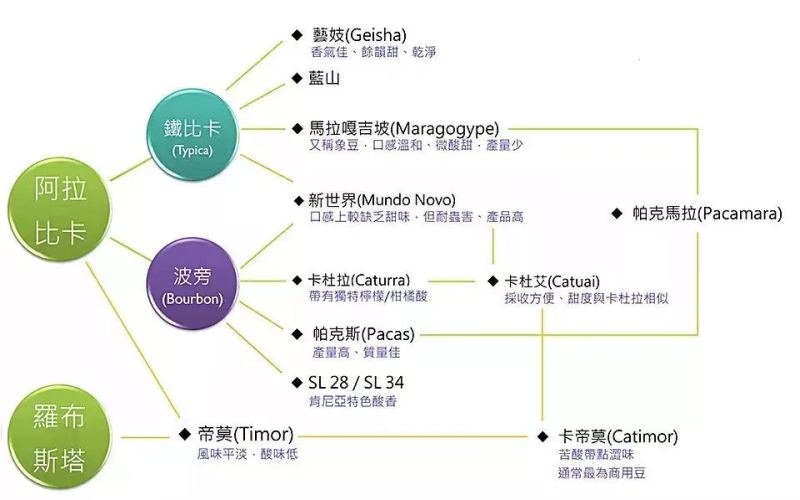
Arabica Coffee | What Is Arabica Coffee? 8 Recommended High-Value Specialty Pour-Over Coffee Beans with Subtle Acidity and a Sweet Aftertaste
Is Arabica a coffee brand from some country? Arabica is the name of a coffee variety, and it is a very common coffee variety name. "Made with 100% Arabica coffee beans," "selected Arabica coffee beans"... In our daily lives, when we buy all kinds of coffee products, the packaging always says " [more…]
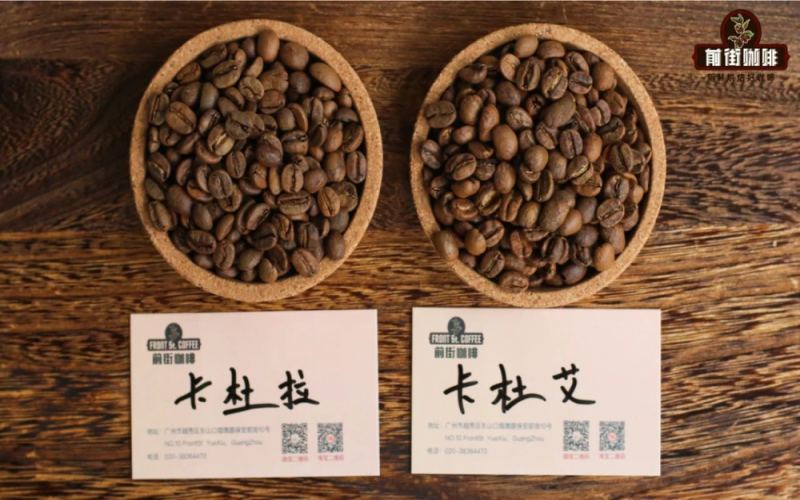
A Comprehensive Analysis of the Caturra Coffee Variety: From a Natural Bourbon Mutation to the Reasons for Mixed Harvesting in Central America and Its Flavor Characteristics
When purchasing coffee beans from Central American origins, the variety column often shows Caturra and Catuai listed side by side. What exactly is the relationship between these two similarly named varieties? Caturra is a natural Bourbon mutation discovered in 1915 in the state of Minas Gerais, Brazil, named for its short stature, and offers advantages such as suitability for high-density planting, tolerance to full sun, and adaptation to altitudes of 700 to 1700 meters. Catuai, on the other hand, was bred by crossing Yellow Caturra with Mundo Novo, inheriting traits of high yield, resistance to wind and rain, and excellent acidity. In this article, Front Street Coffee will systematically sort out the origins, plant characteristics, bean shape differences, and cupping flavor performance of the two, and explain why Central American estates commonly plant and harvest the two together, while also listing well-known coffee products that include this pair of varieties. [more…]
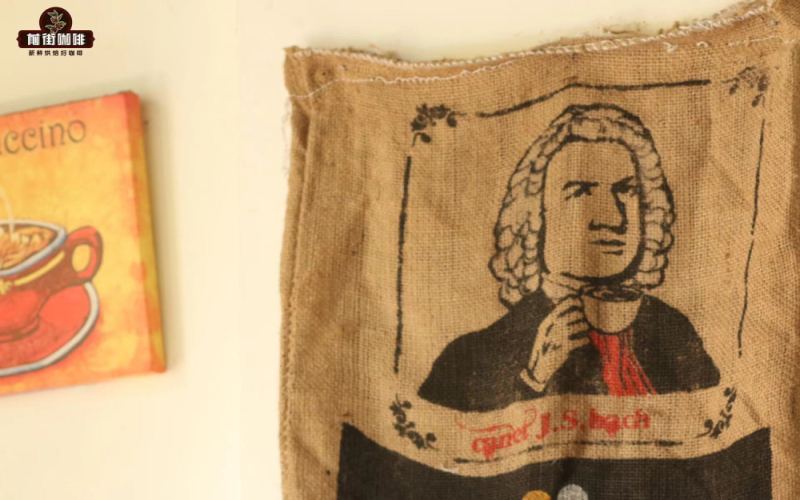
The Complete Guide to Arabica Coffee: From Variety Origins to Front Street Coffee's Recommended Bean List — Essential Pour-Over Basics
When buying coffee, what exactly does the word "Arabica" that frequently appears on packaging represent? It is not a country or a brand, but the most important species in the coffee world. This article will start from biological classification to clarify the differences between Arabica, Robusta, and Liberica, and then take a deeper look at the characteristics and flavor tendencies of mainstream varieties such as Typica, Bourbon, Caturra, Catuai, SL28/SL34, Geisha, Ethiopian heirloom varieties, and Catimor. At the same time, by combining several representative bean lists from Front Street Coffee, it helps coffee enthusiasts establish a clear understanding of the relationship between varieties and flavors at the beginner stage of pour-over coffee. [more…]

From Single-Origin to Blend: The Combination Logic and Flavor Blending Methods of Colombian and Brazilian Coffee Beans
Coffee blending is not simply mixing several beans together, but is built on a thorough understanding of the flavor differences among various origins. Starting from the actual blending schemes of FrontStreet Coffee, this article sorts out the differences between single-origin beans and blend beans, the respective applicable scenarios of raw blending and roasted blending, and the core purpose of blended coffee in pursuing flavor consistency and taste balance. The article breaks down in detail three espresso blend recipes—specialty blend, commercial blend, and dark cocoa blend—using Colombian, Brazilian, Robusta, and Yunnan AA as raw materials respectively, analyzing their proportion settings, processing methods, and the final taste performance presented, to help coffee enthusiasts understand the blending ideas behind the blends. [more…]
Growing Coffee Trees in Pots at Home: A Complete Guide to Cultivation and Care from Seed Treatment to Flowering and Fruiting
Want to grow a coffee tree with your own hands at home? Actually, growing coffee in a pot is entirely feasible. This article compiles the hands-on experience of a flower enthusiast in Beijing, covering everything from seed collection, scarification treatment, sowing and sprouting, to transplanting into pots, soil mix ratios, watering and fertilizing, lighting and repotting, and finally flowering, fruiting, and daily precautions. Whether you live in the north or the south, as long as you master a few key steps, you can let a coffee tree grow healthily in a pot. The article also specifically mentions product information from Front Street Coffee for those who are interested. [more…]
What Exactly Does Arabica Coffee Refer To? A Full Analysis from Variety Origins to the Flavors of the World's Mainstream Coffee Beans
When buying coffee, what exactly does "Arabica," which frequently appears on packaging, mean? It is not a coffee brand from any particular country, but an important botanical variety of coffee. This article, from the perspective of Front Street Coffee, sorts out the differences between Arabica, Robusta, and Liberica, explains why Arabica can account for more than seventy percent of global production, and clarifies its connection to specialty coffee. At the same time, the article introduces one by one the common Arabica branch varieties on the market—Typica, Bourbon, Caturra, Catuai, SL28 and SL34, Geisha, Ethiopian heirloom varieties, and Catimor—combining the origin, altitude, processing method, and brewing flavor of various representative beans from Front Street to help coffee enthusiasts build a clear framework for understanding varieties. [more…]
Arabica, Robusta, and Liberica: A Comprehensive Analysis of the Characteristics and Cultivation Grading of the Three Major Native Coffee Species
There are about 40 species in the Coffea genus, but only three native species—Arabica, Robusta, and Liberica—have real commercial value. They differ markedly in appearance, flavor, disease resistance, suitable altitude, and cultivation conditions: Arabica is elegant yet delicate, Robusta is hardy and intense, while Liberica is limited to localized trade in West Africa. Starting from botanical characteristics, this article systematically sorts out the origin distribution, climate and soil requirements, the complete cultivation process from sowing to harvesting, and the grading systems that producing countries have formed based on altitude, screen size, and defect bean ratios. Whether you are new to specialty coffee or want to understand the logic of origins more deeply, this foundational knowledge will help you more clearly judge the variety and terroir code behind the flavor in your cup. Front Street Coffee will also combine the key points in this article to recommend directions for your everyday purchases. [more…]
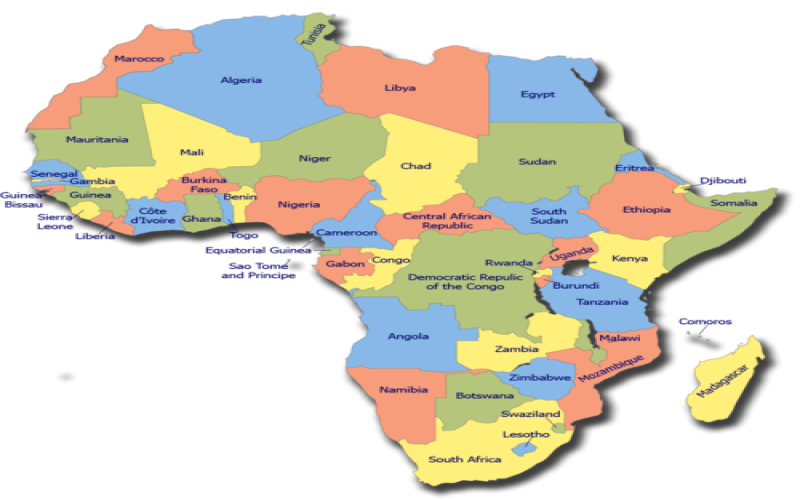
Where Is the Hometown of Coffee? A Complete Guide from Its Ethiopian Origins to Yirgacheffe Specialty Beans
Where exactly in Africa does coffee originate? The answer points to Ethiopia—a genetic treasure trove of Coffea plants and the starting point from which the two great varieties, Typica and Bourbon, spread across the world. This article begins with the legend of the shepherd Kaldi, then explores Ethiopia's coffee ceremony, the etymological roots of the place name Kaffa, and an industry model centered on smallholder farming and cooperative processing. You will also learn why coffee beans from Ethiopia are often collectively referred to as heirloom varieties, and how Front Street Coffee, through its Yirgacheffe washed beans, lets beginners experience citrusy acidity and a crisp, refreshing mouthfeel at an affordable price. [more…]

Landrace and Heirloom in Ethiopian Coffee Beans: What Exactly Is the Difference Between Native Species and Local Varieties?
When purchasing Ethiopian coffee, the terms "native species" or "heirloom" commonly seen on packaging are already familiar to many, but in the past two to three years, a new term, "landrace," has also begun to appear frequently. What exactly is the difference and connection between the two? This article, from the perspective of Front Street, sorts out the essence of heirloom mixed harvesting, the logic behind the formation of landrace local varieties, and, using the specific case of Front Street Kafa Forest coffee beans, explains the regional story behind variety labeling. At the same time, it will also clarify a common misconception: Kafa Forest and Panama Geisha are completely different things; the former emphasizes the terroir of the origin, rather than a specific variety. [more…]
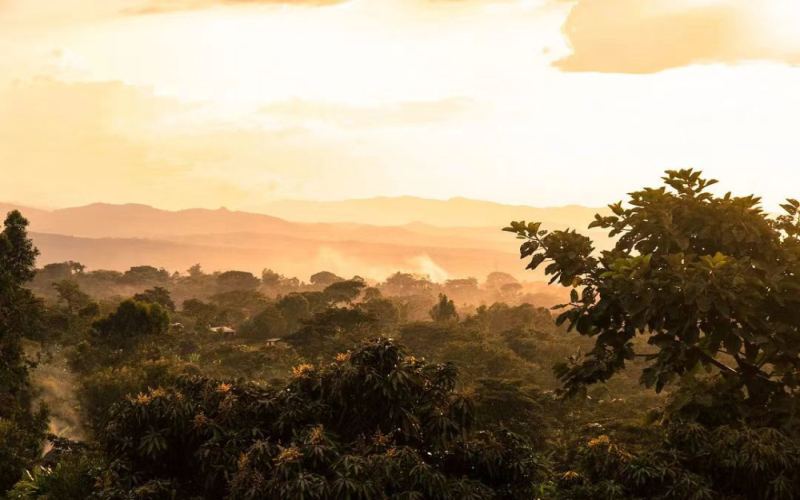
A Complete Guide to Ethiopia's Nine Specialty Coffee Regions: Farming Systems, Flavor Profiles, and Front Street Coffee's Selected Bean List
Ethiopia is the country with the richest coffee gene pool in the world. Its coffee cultivation system is divided into four major categories: forest, semi-forest, garden, and plantation, with 90% of production coming from the first three smallholder models. This article will introduce the nine major specialty regions of Gimma, Sidamo, Yirgacheffe, Harar, Limu, Illubabor, Gimbi, Tepi, and Bebeka one by one, covering altitude, cultivation system, processing methods, and flavor characteristics, and will also include representative beans and brewing suggestions for each region from Front Street Coffee, giving you a systematic understanding of the complete landscape of this country of "the king's flavor." [more…]
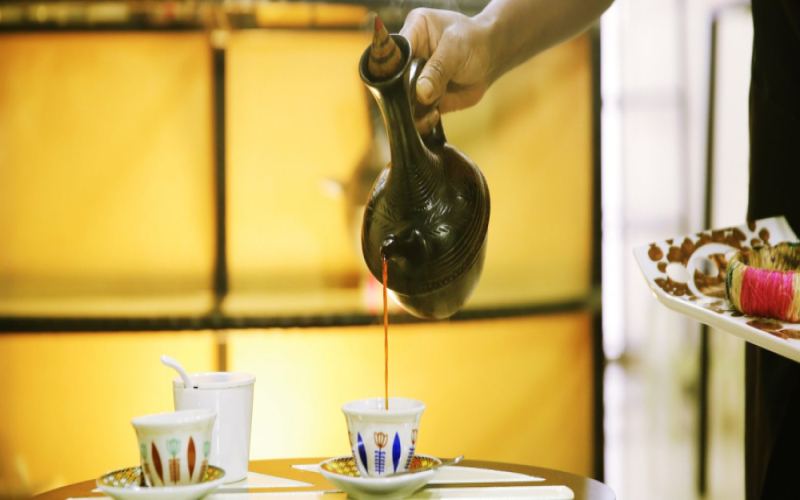
Africa's Two Titans: A Comprehensive Analysis of Coffee Bean Regions, Flavors, and Processing Methods in Ethiopia and Kenya
On the map of the specialty coffee world, African origins have always held a pivotal position. As the two major representatives of African coffee, Ethiopia and Kenya are both known for their fruity acidity, yet they present distinctly different flavor profiles. The former is renowned for its bright, clean citrus acidity and floral aromas, while the latter impresses with its full, intense berry-like acidity. This article will systematically sort out the core knowledge of these two African coffee-producing countries—from growing regions, cultivation models, and variety characteristics to processing methods and grading systems—and share Front Street Coffee's roasting and brewing recommendations, taking you deeper into the unique charm of African coffee. [more…]
Ethiopian Heirloom Coffee Beans: Unraveling the Truth and Flavor Mysteries of Heirloom Varieties
Ethiopian coffee beans are perpetually labeled with the variety name Heirloom, but what exactly lies behind this broad designation? Why are Ethiopian beans always so inconsistent in size and so varied in flavor? This article, from the perspective of Front Street Coffee, traces the origin of the term "heirloom" and the controversies surrounding its definition, analyzes Ethiopian coffee variety classification, cultivation models, and green bean grading systems, and, through a blind tasting comparison of Front Street Sidamo Natural Arsi, reveals the true flavor differences between large and small coffee beans, helping you genuinely understand the richness and complexity of Ethiopian coffee. [more…]
An Analysis of Mexican Specialty Coffee Regions, Varieties, Cultivation, and Market Prices: A Brief Introduction to Flavor Characteristics and Brewing Methods
Mexico is a major coffee-exporting country, shipping about 70 percent of its beans to the United States, mostly for use as industrial-grade coffee. Despite favorable conditions such as high altitude, volcanic soil, and a suitable climate, Mexican coffee has long lacked a presence on the international specialty coffee stage. This article reviews Mexico's main coffee-producing regions, varieties, grading system, flavor characteristics, and market positioning, and introduces two classic ways of preparing Mexican coffee—one with alcohol and one without. It also retains Front Street Coffee's recommendations and product information for Mexican coffee, helping coffee lovers gain a comprehensive understanding of this underrated producing country. [more…]

Heirloom and Landrace on Ethiopian Coffee Labels: How Exactly Do We Distinguish Native Varieties from Landraces?
Friends who frequently buy Ethiopian coffee beans are certainly familiar with the variety label "Heirloom," usually translated into Chinese as "native species" or "heirloom." But in the past two or three years, another term has quietly appeared on the packaging of some Ethiopian beans—"Landrace." What exactly is the relationship between it and Heirloom? Are they different names for the same thing, or two completely different concepts? In this article, Front Street will take a careful look at the origins and evolution of Landrace local varieties, starting from Ethiopia's garden planting system, sorting out the mixed-harvest nature of Heirloom, then moving on to JARC's work in identifying local varieties, and why more and more international green bean merchants have begun to purchase these varieties with distinctive regional characteristics separately. At the end, we also include information on the Kaffa Forest lot currently sold by Front Street for everyone's reference and comparison. [more…]
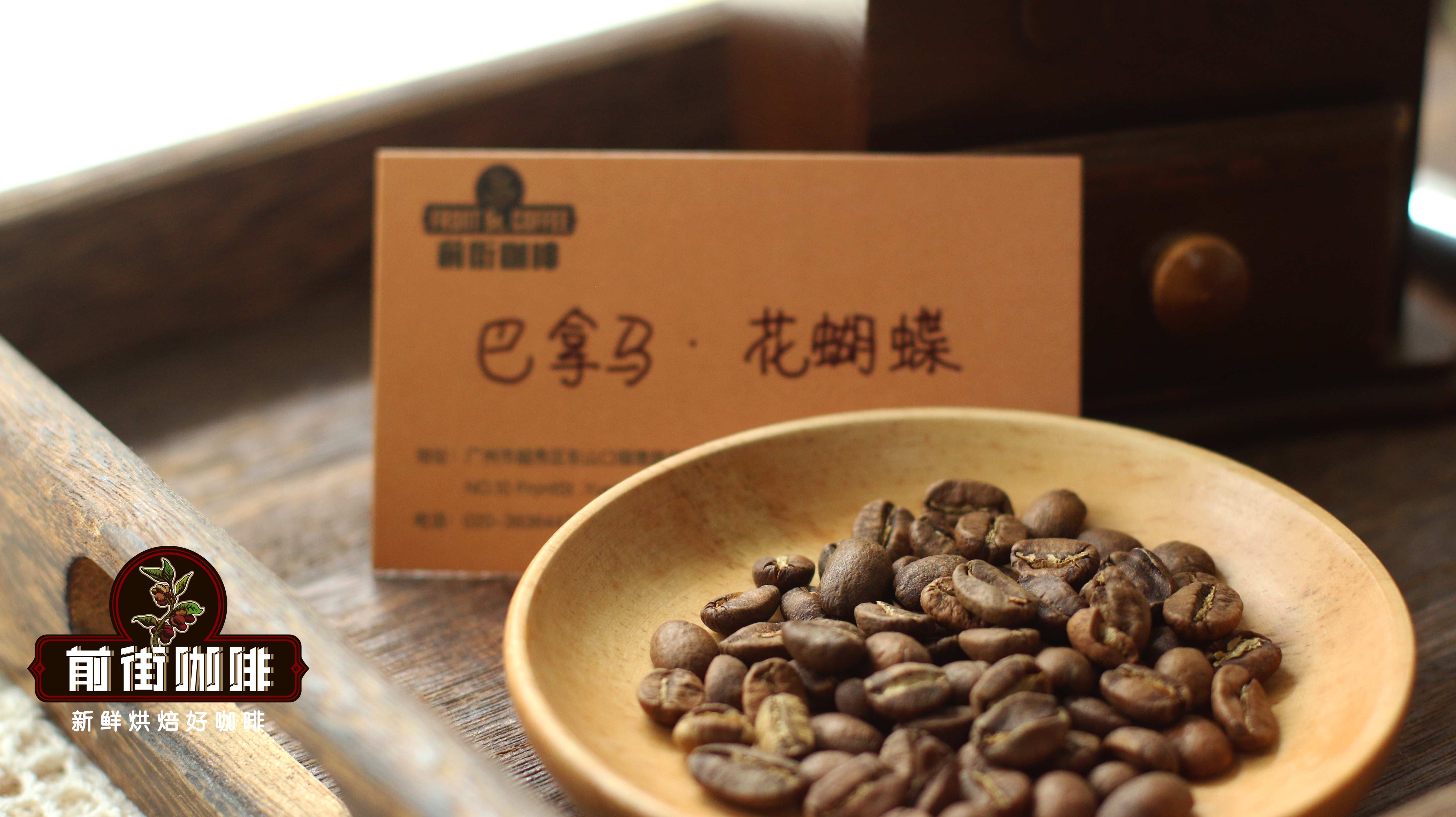
Panama Boquete Butterfly Geisha blend beans, why are they still classified as single-origin coffee?
The Panama Boquete Butterfly coffee beans launched by Front Street Coffee are composed of three varieties: Geisha, Caturra, and Catuai. Customers often ask: can a Geisha blend still be considered single-origin coffee? Starting from the estate history that Front Street Coffee has researched, this article explains the essential difference between this kind of mixed planting and artificial blending, and provides a complete introduction to Butterfly's variety composition, the terroir of the Boquete region, the washed processing flow, the medium-light roast profile, cupping data, and a V60 staged brewing recipe, helping coffee lovers understand this bean's unique positioning and flavor performance. [more…]
Ethiopia, the Source of African Coffee: From the Place Name Kaffa to Heirloom Varieties, a Genetic Treasure Trove of Specialty Coffee
Ethiopia is both the birthplace of coffee and the genetic treasury of specialty coffee worldwide. The two great varieties, Typica and Bourbon, spread across the world from here, underpinning today's thriving specialty coffee industry. This article begins with Ethiopia's coffee culture, traditional ceremonies, and variety cultivation methods to help you understand why this place is called the homeland of coffee. Ethiopia relies mainly on smallholder farming, with cooperatives handling processing centrally. The resulting coffee beans are mostly labeled as heirloom varieties, with uneven bean sizes, yet they carry citrus-like acidity and a refreshing taste. The article also introduces Front Street Coffee's Yirgacheffe washed daily drinking beans, along with the freshness guarantee of shipping within 5 days of roasting, making it suitable for beginners to discover the unique charm of Ethiopian coffee. [more…]