







What 'Heirloom' Really Means for Ethiopian Coffee
Ethiopian coffee beans are often labeled 'Heirloom,' a term that confuses many buyers. Heirloom generally refers to traditional plant varieties cultivated for generations, with some definitions setting thresholds at fifty or a hundred years. In coffee, the word became a catch-all for unknown varieties, especially from Ethiopia. Because Ethiopia holds thousands of wild Arabica types, precise classification is nearly impossible, so the term persists.
The term 'heirloom' gained popularity with the specialty coffee movement, when buyers could not distinguish Typica from Bourbon and grouped unknowns together. Ethiopian coffees remain variable in size and flavor due to this genetic diversity. To better understand the definition of Arabica coffee and what Arabica means, recognize that heirloom is not a single variety but a broad label. This helps explain why Ethiopian beans offer such a wide range of flavors.
Ethiopian coffee beans are perpetually labeled with the variety name Heirloom, but what exactly lies behind this vague term? Why are Ethiopian beans always inconsistent in size and variable in flavor? From the perspective of Front Street Coffee, this article traces the origin of the term "heirloom" and the controversies surrounding its definition, analyzes Ethiopian coffee variety classification, cultivation patterns, and green bean grading systems, and through a blind tasting comparison of Front Street Sidamo Natural Arsi, reveals the true flavor differences between large and small coffee beans, helping you truly understand the richness and complexity of Ethiopian coffee.
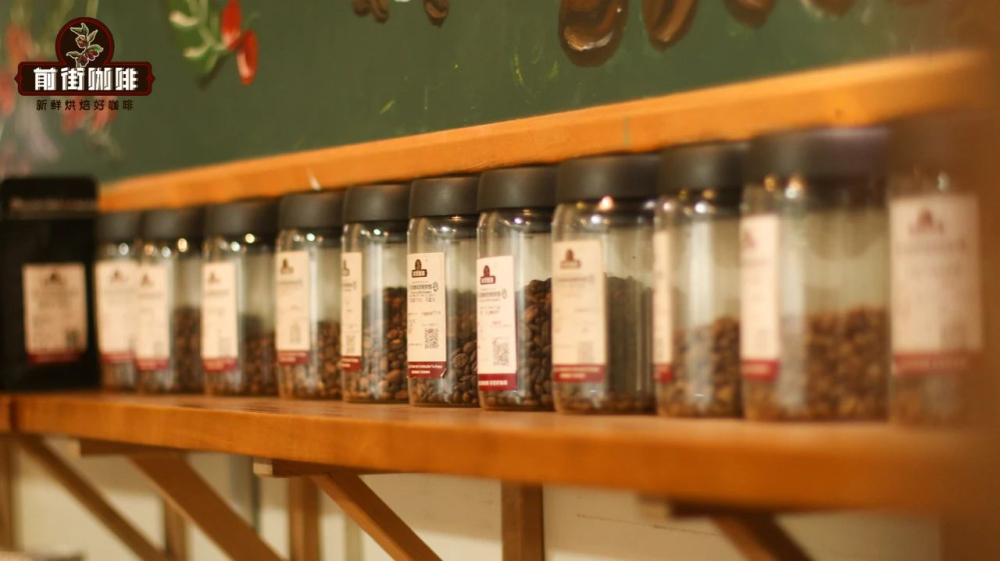
On the shelves of Front Street Coffee stores and its Tmall shop, coffee beans from Ethiopian growing regions are frequently labeled with the variety name Heirloom, occasionally translated as "heritage variety." Many customers ask: What exactly is heirloom? Why are Ethiopian beans always described with this term? Strictly speaking, using "heirloom" to generalize Ethiopian coffee is not entirely accurate. Today, Front Street Coffee will clarify this concept once and for all.
The True Meaning of Heirloom
If you drink enough Ethiopian coffee, you will inevitably encounter the variety name Heirloom. The vast majority of Ethiopian coffees use this label because the number of local coffee varieties is simply too large—Ethiopia is like a natural gene bank for Arabica. On one hand, there are so many varieties that identifying and classifying them one by one is nearly impossible; on the other hand, the Ethiopian government, for the sake of variety protection, is unwilling to disclose detailed information, so they simply call them all Heirloom.
The term "heirloom" originally refers to ancient plant varieties that were first cultivated and consumed by humans. Some set the threshold at over a hundred years, while others consider fifty years sufficient. Another interpretation counts varieties that existed before 1945 as heirloom, since that was roughly when hybrid varieties began to emerge; still others use 1951 as the cutoff, by which time hybrids had become more widespread.
In the coffee world, the term "heirloom" is used both for varieties introduced to South America and Asia over a century ago and for the many coffee varieties of Africa, especially those of Ethiopia. The term truly gained popularity after the specialty coffee movement. At that time, specialty coffee buyers who could not distinguish Typica from Bourbon simply lumped all unknown varieties together as heirloom.
Ethiopian coffee growers use their own distinct names to differentiate coffee trees. They typically do not use universal scientific names, but rather local terms or names based on certain characteristics of native coffee trees. Specialty coffee buyers, on the other hand, are more accustomed to distinguishing Ethiopian coffees by region, altitude, and cupping score rather than by variety.
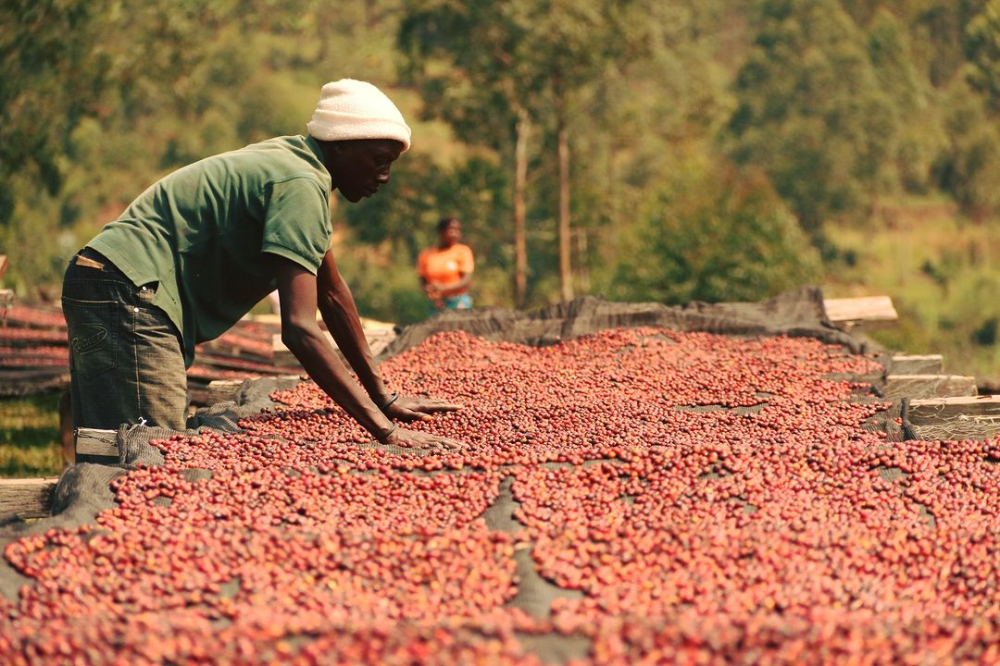
Broadly speaking, Ethiopian coffee varieties can be divided into two categories: JARC varieties and regional landraces. JARC varieties were selected and bred by the Jimma Agricultural Research Center, which is affiliated with the Ethiopian Institute of Agricultural Research. Its main research focus is pest and disease resistance and high yield, and it has approximately 40 varieties. Regional landraces are wild varieties growing in the wild in Ethiopia, and their number may exceed ten thousand.
This means that when consumers buy a bag of Ethiopian coffee labeled as heirloom, it may very well come from a mix of these over ten thousand varieties.
Ethiopia Location: East Africa Capital: Addis Ababa Religion: Predominantly Christianity Language: Amharic Time Zone: GMT+3 Measurement: Metric Currency: Birr Agricultural Products (Exports): Coffee, flowers, and sesame are the main cash crop exports Port: Djibouti Port (Djibouti, currently the main export port) Average Annual Temperature: Highland average annual temperature 15-20°C, lowland average annual temperature 25-30°C; Average Annual Rainfall: 1000-2000 mm Soil: 50% volcanic soil - 25% sedimentary soil - 25% other
Ethiopia is a country full of wonders. All the Arabica coffee we have or have not tasted originated here. The documented history of coffee in Ethiopia dates back to the 4th-5th centuries AD, when intertribal wars spread coffee to Yemen on the Arabian Peninsula through people's conquests and migrations. Later, with the rise of the Ottoman Empire and the spread of Islam, a combination of circumstances led to the emergence of coffeehouses and the slowly forming coffeehouse culture in Europe. Still later, Central America began cultivating coffee, and India and Indonesia in Asia also gradually began large-scale commercial cultivation. After several hundred years, we have arrived at today's third wave of specialty coffee.
Why are Ethiopian coffee beans always inconsistent in size?
Those who love African beans easily notice that, compared to Kenya, Ethiopian beans are generally inconsistent in size, with notably lower uniformity. Whether Yirgacheffe or Sidamo, washed or natural, sometimes beans from the same batch show visible differences in roast color and bean size.
1. Inconsistent bean size stems from numerous varieties and centralized processing
First, let's look at how coffee is cultivated and harvested in Ethiopia. Ethiopia has nearly 2,000 recorded coffee varieties, of which 1,927 are native varieties and 128 are introduced foreign varieties. Judging by appearance alone, Ethiopian coffee varieties are like a grand garden—long, short, thin, plump, you name it.
Long-shaped beans: Distributed throughout all coffee-growing regions in Ethiopia. In terms of actual proportion, the western Jimma region, including Limmu and Kaffa, has more long-shaped varieties, while Sidama and Yirgacheffe have fewer.
Small-bean varieties: More rounded in shape, very small in size, mostly between 14-15 screen sizes. This variety is probably the most familiar to us—it is frequently seen in Sidama and Yirgacheffe. I have also seen it in a Harrar sample and in green beans sold locally in Jimma. Compared to other regions, Sidama, Yirgacheffe, and the surrounding Arsi and Guji areas have more of these small-bean native varieties under cultivation.
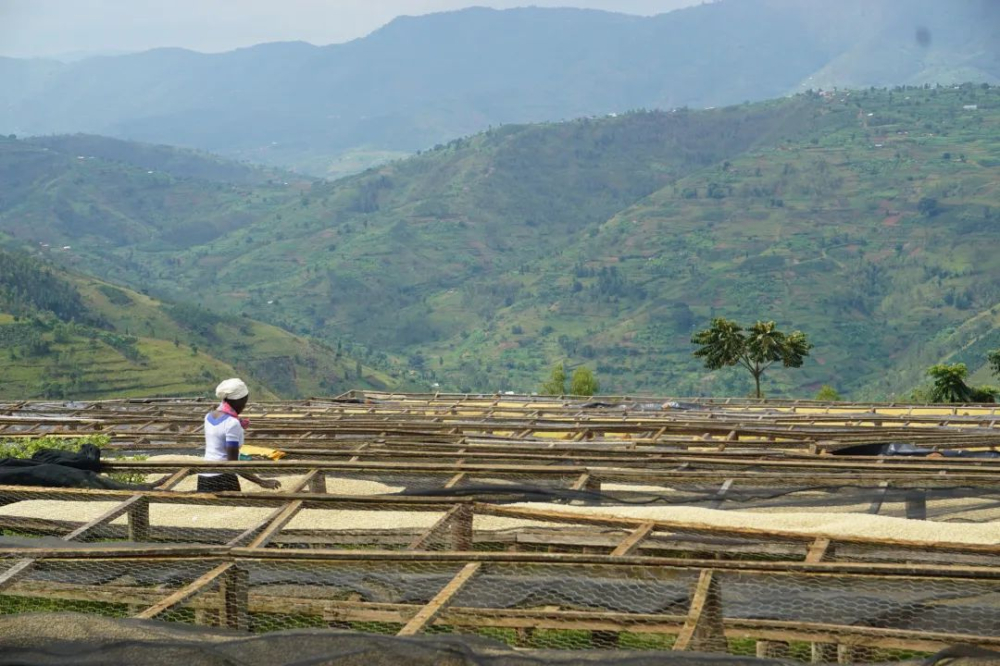
2. Beyond the numerous coffee varieties, cultivation methods also contribute to the varietal mixing of Ethiopian coffee beans
Ethiopia adjusted its administrative divisions around 1995. The biggest impact on coffee was that the former Sidamo Province was split into the new Sidama (a small portion of the former province), with most of it incorporated into Oromia Region; Yirgacheffe, which originally belonged to Sidamo Province, is now part of the new Gedeo Zone.
Coffee cultivation in Ethiopia is mainly concentrated in the western and southern regions. Smallholder families account for 90% of total cultivation. Nearly 1.2 million smallholder families make their living from coffee farming, with each household cultivating less than 4 hectares. The average cultivation altitude ranges from 1,000 to 2,300 meters, with a planting density of 1,000-1,800 coffee trees per hectare and a yield of nearly 600 kg per hectare.
Ethiopian coffee cultivation is classified by scale and model as: Forest coffee (8-10%) , where coffee trees coexist with other crops in pristine forests without any artificial management, and farmers periodically go to harvest coffee cherries.
Semi-forest coffee (30-35%) , where coffee trees are planted in areas between forests and farmers' living areas. Like forest coffee, the coffee trees are naturally produced varieties, but farmers manage the coffee tree planting areas and grow other cash crops.
Garden coffee (50-55%) , where coffee trees are planted around farmers' living areas and are mostly planted by the farmers themselves.
Plantation coffee (5-6%) , where large private growers have more processing facilities and production capacity.
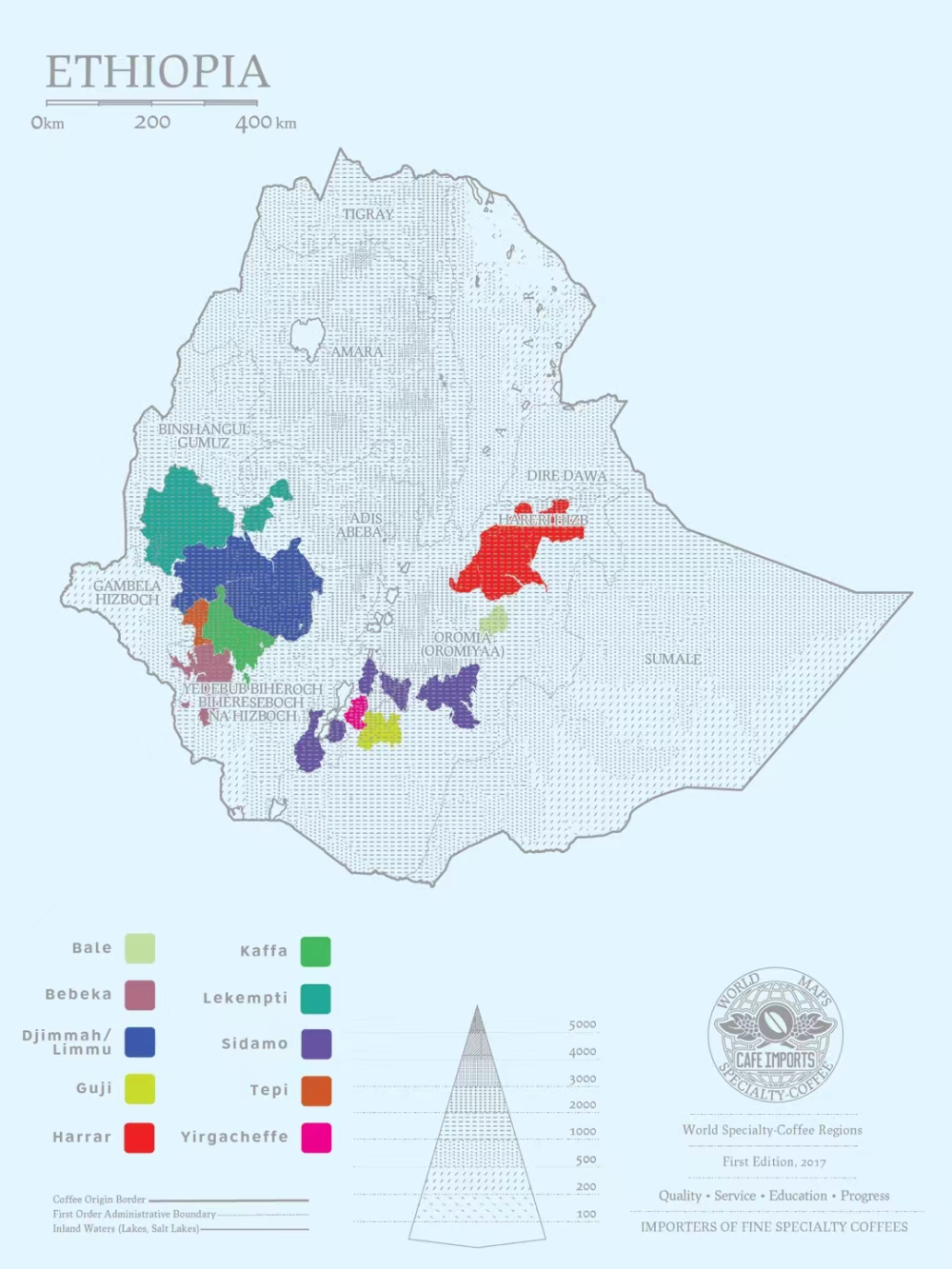
Most coffee cultivation in Sidamo and Yirgacheffe falls under the garden coffee model, where coffee farmers plant coffee trees near their living areas, harvest them themselves during the harvest season, and then send them to nearby processing stations built near water sources for centralized processing (or they are purchased by middlemen). Aside from a small number of relatively well-funded estates that independently cultivate, harvest, and process green beans, coffee beans from many different areas and different varieties are often centrally processed by processing stations and then sent to auction houses for official evaluation and grading. This is why many Ethiopian coffee beans are named and distinguished by processing station or cooperative, and it is also one of the reasons why beans from the same batch contain multiple coffee varieties. In fact, even beans from the same processing station can show noticeable flavor differences between different batches.
Ethiopia's Green Bean Grading System
Before the establishment of the Ethiopia Commodity Exchange (ECX), Ethiopia's coffee export grades were set by the CLU department (Cupping and Liquoring Unit) under the Ministry of Agriculture, primarily grading green coffee beans by the number of defective beans in 300g. The grading standards are shown in the table below. Generally, washed coffees are G1-G2. Due to technical issues with natural processing at the time, natural green beans had more defects and were generally G3-G5. With improvements in natural processing technology, today's natural beans can also reach G1-G2 grades.
Among these, specialty and commercial grades are for the export international market. The ECX classifies green coffee beans into nine grades based on a total score of physical attribute characteristics and cup quality characteristics, with physical characteristics accounting for 40% and cup quality accounting for 60%. Physical characteristics (40%): Washed: defect count (20%), appearance/size (10%), color (5%), odor (5%) Unwashed: defect count (30%), odor (10%)
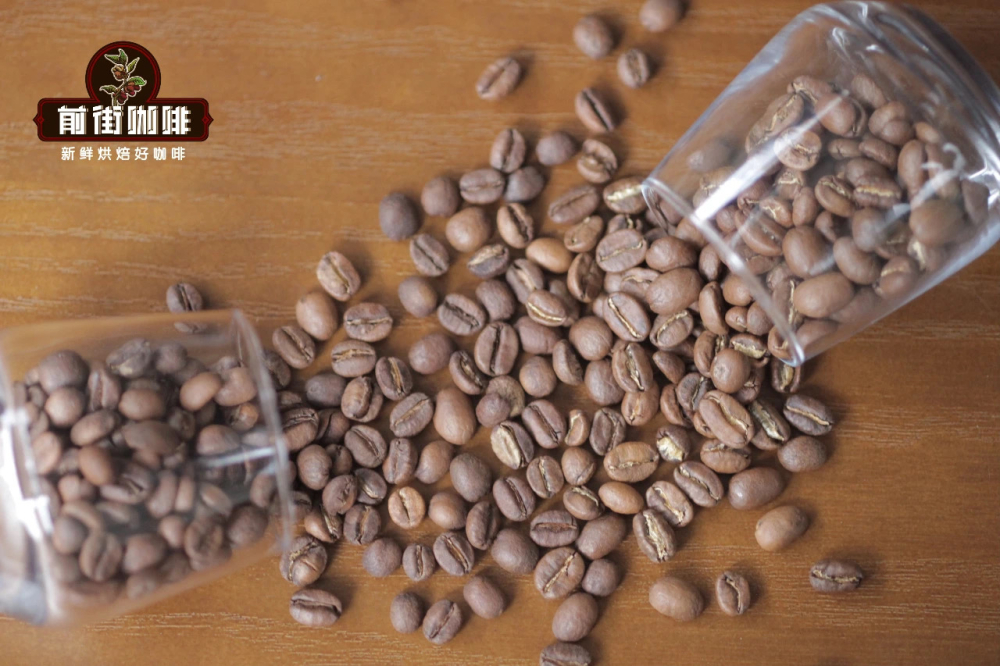
Then, G1-G3 are cupped again according to SCAA standards for a more detailed assessment of their flavor attributes. G1 and G2 scoring no less than 85 points are rated as Q1; G1, G2, and G3 scoring between 80 and 85 are rated as Q2; all G1, G2, and G3 scoring below 80 are rated as G3;
Q1 and Q2 are classified as specialty grade for export. G4-G9 remain in their original grades and, together with G3, are classified as commercial grade for export.
Is there a flavor difference between large and small Ethiopian coffee beans?
To verify this question, Front Street Coffee directly picked out two trays for comparison. Taking Front Street Sidamo Arsi (Natural) as an example, beans with obviously large size differences were selected separately, and the same brewing parameters and technique were used in a multi-person blind test to determine whether there is a flavor difference between large and small beans.

Front Street Ethiopia Sidamo Natural Arsi Country: Ethiopia Region: Sidamo, West Arsi growing area Altitude: 1,900-2,200 meters Variety: Heirloom Processing Method: Natural
Brewing Parameters Dose: 15g Grind: Standard pour-over grind (78% pass rate on No. 20 standard sieve) Water Temperature: 90°C Ratio: 1:15 Brewing Technique
1. First pour: 30g of water for a 30-second bloom.
2. After the bloom, pour the second stage: 100g of water in a circular motion from the center outward. This pour can be done slowly—Geisha coffee is very resistant to extraction and needs a certain pouring time to bring out its aroma. After pouring, wait for the water level to drop to halfway.
3. When the coffee bed is about to be exposed, pour the third stage: 95g of water, for a total of 225g. Wait for the coffee to finish dripping, then remove the dripper.
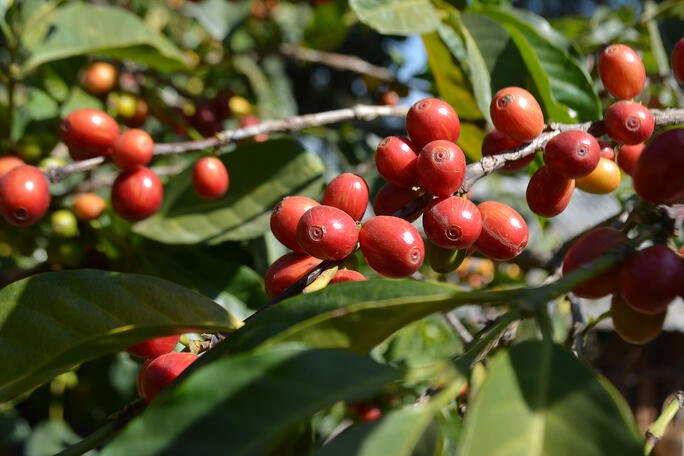
After flavor comparison, everyone in the Front Street Coffee blind test clearly felt that the small-bean Front Street Natural Arsi leaned toward sweetness in flavor, while the large-bean Front Street Natural Arsi was noticeably more acidic by comparison. In terms of flavor layering and richness, both were noticeably thinner than the normal state (mixed), and the higher acidity of the large beans is believed to be due to their lighter roast compared to the small beans.
Summary
Actually, whether Ethiopia, Brazil, or Indonesia, these coffee-producing regions that use defect rate as their grading system all show noticeable inconsistency in coffee bean size, especially after roasting—different coffee varieties have different expansion rates during roasting, further widening the differences between beans. But it is precisely this inconsistency in bean size that causes slight differences in roast level, which in turn makes the coffee's layering and richness more pronounced. So, don't get hung up on superficial differences—you gain something, you lose something. The mixing of varieties and the inconsistency in bean size are precisely what create the rich flavors and colorful aromas of Ethiopian coffee.
Finally, for those with OCD, you can try other single-origin coffees that are screen-graded and variety-uniform, such as Kenya and Colombia.
Coffee Flavor Characteristics
Ethiopia has nine major coffee-producing regions, among which the specialty coffee regions include Sidamo, Yirgacheffe, and Harrar as mentioned above.
Ethiopia mainly uses the natural processing method, also called the dry process. Ripe cherries are selected, spread out to dry directly until the moisture content reaches about 12%, and then the skin and pulp are removed. This processing method gives Ethiopian coffee beans a captivating rich fruity aroma and fermented quality, with bright acidity of berries and citrus.
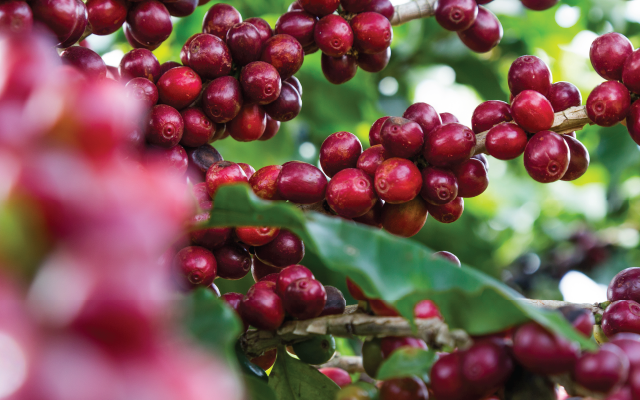
In fact, regarding the flavor characteristics of Ethiopian coffee beans, the coffee industry mostly distinguishes them by region, altitude, and processing method rather than by coffee variety. This is related to Ethiopia's lack of unified variety cultivation zones, so varieties are always described as Heirloom.
The above content is compiled by CoffeeHunters, a coffee news website.


