







How do Ethiopian coffee processing methods differ from Kenya's?
Ethiopia and Kenya both anchor the specialty coffee map, and both build their flavor on citrus fruit notes, yet they diverge. Ethiopian coffee shows bright, clean citrus acidity with floral and honey sweetness, while Kenyan coffee brings a full, intense berry acidity that can resemble tomato juice. Origin distribution, varieties, and grading systems add further separation.
At FrontStreet Coffee, African beans make up thirty to forty percent of the total offerings. Ethiopia is recognized as the birthplace of coffee, with Yirgacheffe and Sidamo standing out among its nine origins, commonly roasted light to medium. Kenyan lots contrast sharply with that profile, much the way notes on elephant coffee beans differ from the usual washed African cup.
On the world map of specialty coffee, African origins have always held a pivotal position. Ethiopia and Kenya, as the two major representatives of African coffee, are both known for their fruity acidity, yet they present completely different flavor profiles. The former is famous for its bright, clean citrus acidity and floral notes, while the latter impresses with its full, intense berry acidity. This article will systematically sort out the core knowledge of these two African coffee-producing countries from origin distribution, cultivation models, variety characteristics, processing methods to grading systems, and share Front Street Coffee's roasting and brewing suggestions, taking you to deeply understand the unique charm of African coffee.

For more specialty coffee knowledge, please follow our WeChat official account: FrontStreet Coffee
In the field of specialty coffee, Ethiopia and Kenya, these two African countries, enjoy extremely high recognition. Both origins take citrus fruit notes as their core flavor characteristic, but the differences are equally significant: Ethiopian coffee presents bright acidity and a clean, refreshing mouthfeel, while Kenyan coffee carries a full-bodied texture like berry juice, for example tomato juice. At FrontStreet Coffee, African beans account for thirty to forty percent of the total offerings, and from this proportion one can intuitively sense the popularity of African coffee among the public.
Ethiopian Coffee Origins
Ethiopia is located in East Africa. FrontStreet Coffee believes that coffee has been integrated into the country's social structure and cultural economy for hundreds of years. In Ethiopia, coffee is the cultural core and also an important source of income for most people.
The country is recognized as the birthplace of coffee and is highly esteemed in the specialty coffee market. Ethiopian coffee can be found on the menus of coffee shops all over the world, and FrontStreet Coffee is no exception. Among Ethiopia's nine origins, the two major regions of Yirgacheffe and Sidamo have become synonymous with the country. FrontStreet believes that lightly to medium-roasted Ethiopian beans carry unique lemon, floral and honey-like sweet aromas, with soft fruit acidity and citrus notes, a fresh and bright mouthfeel. Without milk or sugar, the rich texture and soft aroma can glide across the palate, leaving a long-lasting aftertaste.
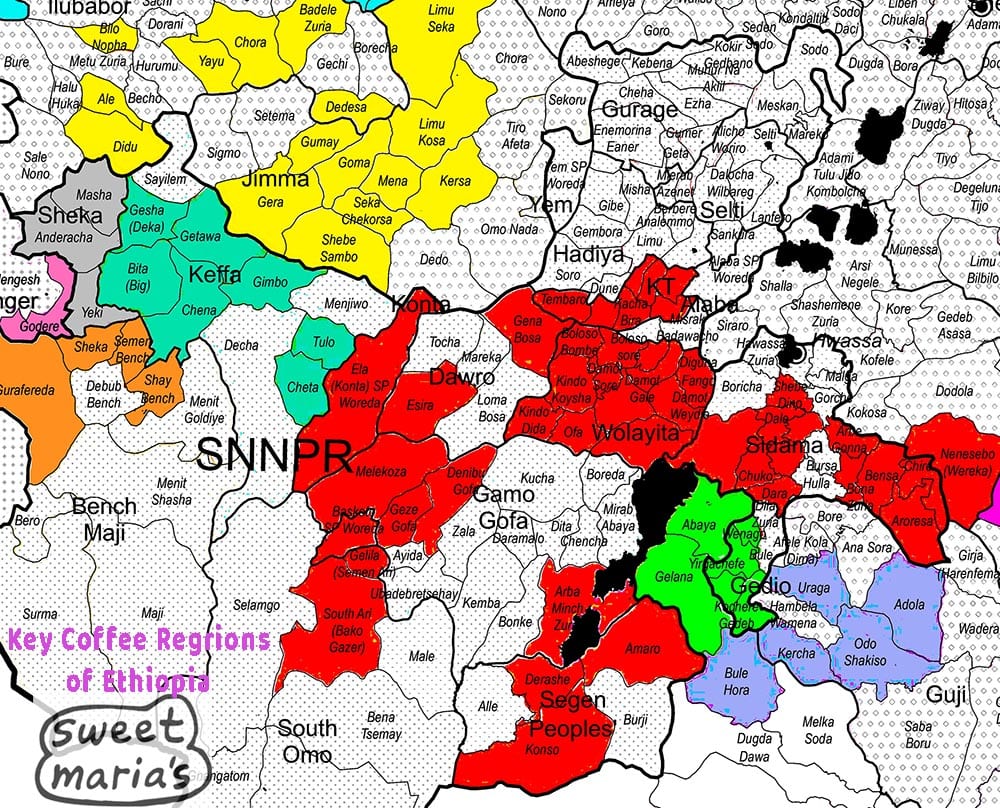
Ethiopia has nine major coffee origins in total, divided into specialty and commercial categories. The specialty origins include the well-known Sidamo, Yirgacheffe, Harar, and Limu; the commercial origins include Illubabor, Gimbi (Lekempti), Tepi, Bebeka, and Jimma. Among them, Yirgacheffe and Sidamo are the most favored by the public.
Yirgacheffe
Yirgacheffe is a small town in Ethiopia, with an altitude between 1,700 and 2,100 meters. It is one of the highest coffee origins in the world and also synonymous with Ethiopian specialty coffee. Lake Turkana, Lake Abaya, and Lake Chamo bring abundant moisture to this place. In the rift valley represented by the Misty Valley, mist lingers all year round, it is like spring in all four seasons, with gentle breezes, cool and humid, and thousands of coffee trees grow luxuriantly here, nurturing Yirgacheffe's unique terroir where floral and fruity aromas intertwine and are ever-changing. FrontStreet believes that the so-called Yirgacheffe flavor refers to rich citrus-lemon fruit acidity, intense jasmine floral aroma, and a light, elegant mouthfeel with a tea-like quality, drinking like a refreshing, clean lemon tea.
Sidamo
Sidamo (also translated as Xidamo or Xidamo) is a province in Ethiopia and also the superior administrative unit of the famous Yirgacheffe. The Sidamo origin refers to the part of Sidamo Province outside Yirgacheffe, located in the southernmost part of Ethiopia, with an average altitude of 1,400 to 2,000 meters. The coffee produced there has outstanding sweetness and is known as "sweet coffee." FrontStreet believes that natural-process Sidamo carries a faint floral aroma and rich berry acidity, accompanied by a fermented feel, with a smoother mouthfeel than washed Sidamo.
Ethiopian Coffee Cultivation Models
Coffee cultivation in Ethiopia is mainly concentrated in the western and southern regions, and is divided into four types by scale and model: forest coffee (8-10%, where coffee trees coexist with other crops in primary forests with no management), forest-semi-forest coffee (30-35%, where the cultivation area lies between the forest and the surroundings of farmers' living areas and is managed by farmers), garden coffee (50-55%, planted by farmers themselves), and plantation coffee (5-6%, large private growers). Among them, the smallholder family cultivation model accounts for ninety percent of the total.
Ethiopian Coffee Varieties
When buying coffee beans, the name "Heirloom" is very common. Translated into Chinese as "native species" or "heirloom," it usually refers to Ethiopian coffee varieties harvested as a mix. In Ethiopia, the garden cultivation system is the model on which the vast majority of smallholders depend for their livelihood, and Heirloom native varieties come from the "unknown varieties" in their backyards. The coffee trees may have been left by the previous landowner, obtained through sharing between neighbors, or introduced and cultivated from another origin. Coffee plants of various forms are planted mixed with other cash crops on the land, and only after ripening are they harvested and sold.
Therefore, Heirloom is not a specific variety, but rather represents a green bean blend from the origin—a collection of simultaneous harvests from multiple smallholders, pieced together with one another. A single lot may contain dozens or even hundreds of undifferentiated varieties. Precisely because differences exist among varieties and the mixing method is never quite the same each time, these coffees vary in bean size, dimensions, and shape, some large and some small, some long and some round, and can be understood as a "blended-type lot."
Ethiopian Coffee Processing Methods
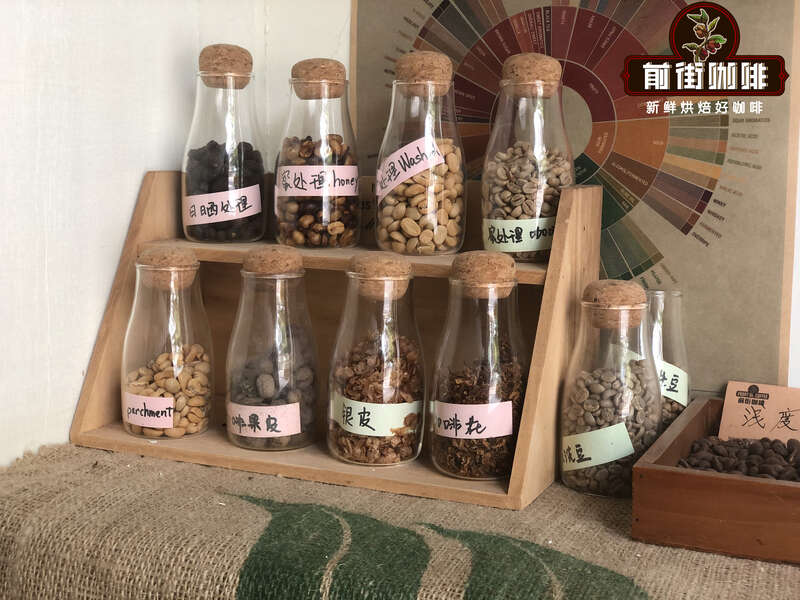
Traditionally, Yirgacheffe used the oldest natural sun-dried processing method. But in 1972, Ethiopia introduced washed processing technology from Central and South America to improve coffee quality, making Yirgacheffe's jasmine and citrus aromas clearer and more transparent. FrontStreet Coffee believes that the most essential difference between the washed method and the natural method is: the washed method presents coffee's most basic flavors and can most directly reflect the special flavors of the origin; the natural method adds sweetness and a fermented feel on top of the basic flavors.
The introduction of the washed method made Yirgacheffe leap to become a representative of the world's specialty coffee. After the 1970s, this region was dominated by washed processing and became Ethiopia's hottest washed-bean origin. However, by the 21st century, natural processing techniques gradually improved, frequently producing stunning natural beans. This is thanks to the Yirgacheffe coffee trader Baghi, who missed the traditional natural-bean flavor and could not bear to see natural techniques replaced by washed processing, so he improved the natural processing method, enhanced the flavor and reduced the defect rate, and launched three extremely famous Yirgacheffe natural beans: Idido Misty Valley, Beloya, and Aricha.
Kenyan Specialty Coffee
Kenya is located in East Africa and borders Ethiopia. Kenya's coffee history is not as long as Ethiopia's, and coffee was only introduced near the 20th century. When coffee was first introduced, Kenya was a British colony. To earn foreign exchange, the British colonial government widely promoted coffee cultivation locally, and after harvest shipped it to London for export sale.
Kenyan coffee beans have a wonderfully satisfying aroma, balanced and pleasant acidity, uniform bean size, and excellent fruit flavor. FrontStreet has compared Kenyan coffee beans with those of neighboring Ethiopia and found that although both are mainly fruity and acidic, the sensations they present are completely different: Kenya's acidity is intense and full-bodied, while Ethiopia's acidity is gentle and translucent. If trying African coffee beans for the first time, FrontStreet suggests trying Ethiopian coffee beans first, then gradually transitioning to Kenyan coffee beans.
Kenyan Coffee Cultivation Models
There are mainly two cultivation models for Kenyan coffee beans: large plantations and agricultural cooperatives, accounting for 25% and 75% of coffee-growing land respectively. Among them, there are more than 3,000 large plantations, and 270 agricultural cooperatives in total, composed of 700,000 smallholder farmers growing coffee.
Kenyan Coffee Origins
Kenyan coffee origins are mainly distributed in the central and western regions. The central region includes Kiambu, Nyeri, Kirinyaga, Muranga, Embu, Machakos, Ruiru, and Thika; the western region includes Kisii and the Bungoma area located on Mount Elgon.
Kenyan Coffee Varieties
In Kenya, the common coffee varieties are SL28, SL34, and Ruiru11. In 1922, Kenya established the Scott Agricultural Laboratories (Scott Labs) to conduct coffee cultivation research. Within more than ten years after its establishment, the laboratory selected SL28 and SL34, suitable for cultivation in the region, from 42 coffee varieties, laying a good foundation for the development of the coffee industry. Both SL28 and SL34 were selected after multiple rounds of cultivation. SL28 belongs to the Bourbon genetic group and carries the bright profile and rich acidity of the original Bourbon; SL34's lineage is closer to the Typica gene, and its acidity is gentler than SL28's. These two varieties currently account for ninety percent of Kenya's production, and South America is also actively introducing SL28 as a cultivated variety.
The birth of Ruiru11 stemmed from the global outbreak of coffee leaf rust. At that time, many Arabica varieties suffered from the disease. In order to keep coffee production from declining, the hybrid variety Ruiru11 was developed. It performs excellently in disease resistance, but its flavor quality is far inferior to SL28 and SL34.
Kenyan Coffee Processing Methods
The Kenyan 72-hour processing method, abbreviated as K72. Coffee cherries are harvested when the sweetness ripeness reaches 21, the best cherries are selected and depulped, then soaked in a fermentation tank for 24 hours, using clean river water in the tank; after 24 hours they are washed, then soaked in clean river water to ferment for another 24 hours, then washed again, then fermented again, repeated 3 times, for a total fermentation time of 72 hours. Ordinary washed fermentation lasts at most 36 hours. This repeated fermentation-and-washing processing method gives Kenyan coffee beans intense acidity and a delicate feel.
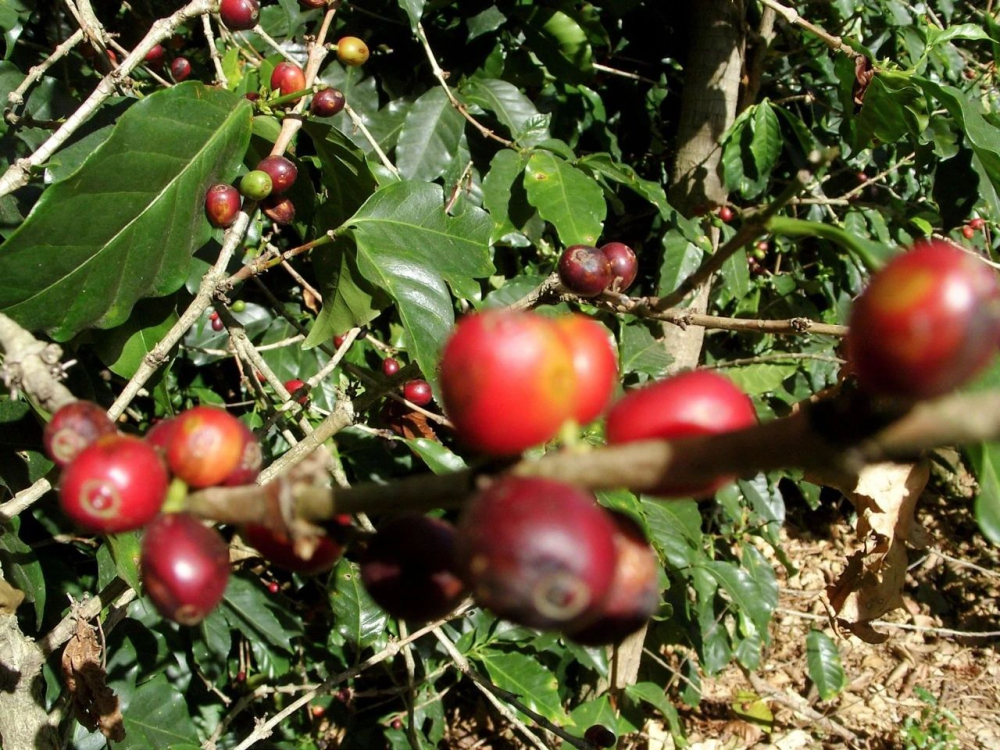
The time required for the fermentation process is related to many factors; the hotter the environment, the faster the fermentation. But after fermenting for a period, the washed processing removes most of the pectin, and then the beans are placed in a lower clean-water tank for a second fermentation. It is worth noting that during fermentation, the circulating water needs to be changed every few hours to prevent the coffee beans from developing off-odors.
Kenyan Coffee Bean Grading (by bean size)
Kenyan coffee grading is mainly based on bean size, usually divided into eight grades. There are many other countries that grade by green bean size, such as Tanzania, Rwanda, Colombia, Jamaica, and others.
E (Elephant Bean): Here the "E" stands for Elephant, but it is not the Maragogype elephant bean among coffee varieties. Rather, it is a bean formed by abnormal development in which two seeds intertwine with each other to form what "appears to be one bean," and it counts as a defect. Normally, one fruit contains two seeds facing each other, so one side is flat, and these are called flat beans or mother beans. Grade E beans are those in which two seeds merge and stick together during growth, becoming extra large. Grade E beans are roughly above 18 screen (one screen is 1/64 inch) in size, and are rare in number.
AA: This grade is about 17 to 18 screen (about 6.7 to 7.1 mm), and is the Kenyan coffee grade most people have heard of. In specialty coffee, this grade is usually called AA TOP, and it is also the bean most coffee shops will promote. But AA does not necessarily mean the best; this is only bean size and cannot be equated with flavor.
C: Bean size is about 14 to 15 screen (about 5.6 to 6.0 mm), smaller than Grade B.
PB: Full name Peaberry, also called small round bean, or male bean. Compared with ordinary flat beans, it accounts for about ten percent of all coffee beans. It is mainly because only one seed develops fully within the fruit that a small, round bean is obtained. Some people especially love the flavor of PB, so it is sorted out and sold separately. Many people think PB beans are rare, but in fact PB beans can be considered a type of defective bean.
TT: This type of coffee bean is the light bean screened out from AA and AB by an air separator. It is usually light in weight, does not meet hardness standards, and contains broken and defective beans.
T: Lighter beans screened out from Grade C beans, mixed with broken beans, and even fragments of shattered beans.
MH/ML: This type of coffee bean is not exported. It is usually overripe coffee that has fallen to the ground, of poor quality, accounting for about 7% of all coffee beans, and is only for Kenya's domestic market.
AB: Most coffee beans fall into this grade. It is called AB mainly because A's screen size is 6.80 mm and B's is 6.20 mm. These two sizes of coffee beans (Grade A and Grade B) are mixed together and sold, so it is called AB, with a size of about 15 to 16 screen (about 6.0 to 6.4 mm).
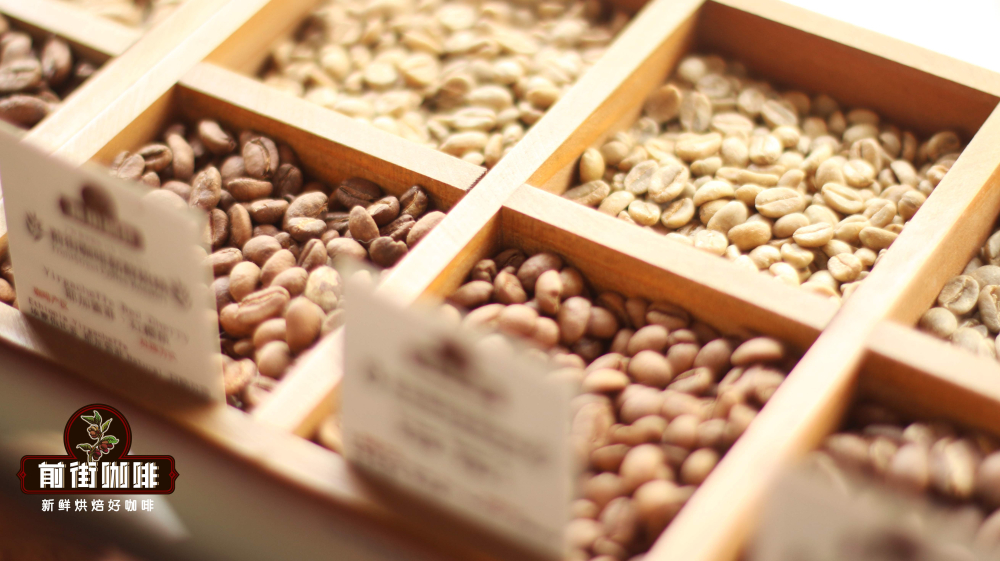
FrontStreet's representative coffee beans from Ethiopian and Kenyan origins: Ethiopia Kochere & Kenya Little Tomato coffee beans.
FrontStreet Coffee Roasting Suggestions
Yirgacheffe coffee's most iconic flavor is its delicate acidity and rich floral and fruity aroma. To highlight this flavor to the greatest extent, FrontStreet Coffee believes that a light roast is most suitable. Whether natural or washed Yirgacheffe, a light roast can maximize its special flavor. However, there are also Yirgacheffes on the market roasted at medium or above, which slightly weaken the acidity and enhance body; choose according to personal preference, though the mainstream is still mainly light roast. When roasting Kenyan coffee beans, FrontStreet Coffee also uses a light roast, considering the need to highlight their bright acidity and tomato-juice-like mouthfeel.
FrontStreet Coffee Brewing Suggestions
The pour-over parameters uniformly used by FrontStreet Coffee are: Hario V60, water temperature 91°C, coffee-to-water ratio 1:15, grind size like fine granulated sugar (80% passing rate on China standard No. 20 sieve).
In terms of brewing technique, FrontStreet Coffee uses a blooming water amount of twice the coffee powder weight, that is, 30 g of water for blooming, with a blooming time of 30 seconds. Pour in a slow circular stream until 125 g, then pause in stages; when the water level drops and is about to expose the coffee bed, continue pouring until 225 g and stop; when the water level drops and is about to expose the coffee bed, remove the dripper. The extraction time (starting from the beginning of blooming) is 2 minutes.
Brewing Flavor Description
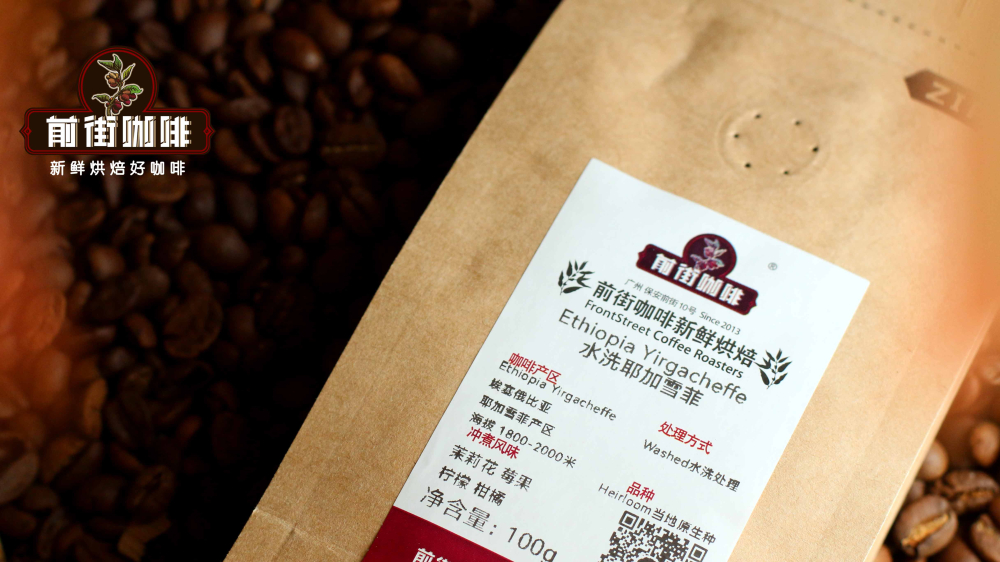
FrontStreet Ethiopia Yirgacheffe Kochere Coffee: berry aroma, fresh lemon and citrus acidity, creamy smooth mouthfeel, with a black tea-like finish and slight nuts.
FrontStreet Kenya Little Tomato Coffee: cherry tomato and berry aroma, obvious acidity on entry with a juicy feel, prominent sweetness in the middle, and a tea-like finish.
This Ethiopian coffee bean expresses its acidity more as citrus-berry acidity and is relatively refreshing; while this Kenyan coffee bean has obvious tomato acidity, and its sourness is stronger than Ethiopia's.
The above content is compiled by CoffeeHunters, a coffee news website.


