







Search Results for: low-altitude coffee
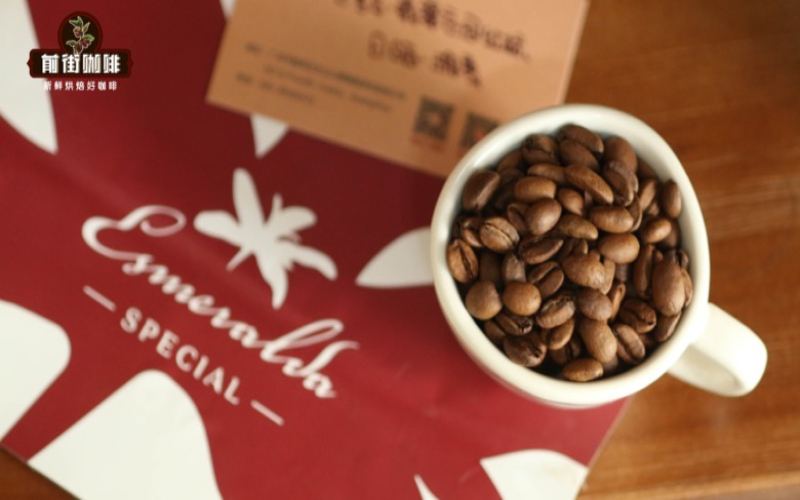
Pour-over Origins and Altitude vs. Flavor: Why High-Grown Beans Have More Prominent Sweetness and Acidity
The altitude of a coffee-growing region is one of the underlying variables that shape flavor in the cup. The same variety, processed the same way, can taste noticeably different depending on the altitude at which it is grown. Understanding how altitude affects flavor can help pour-over enthusiasts choose regional beans more precisely. The core advantage of high-altitude regions lies in the temperature difference between day and night. [more…]

Hawaiian Kona Coffee Bean Flavor Characteristics and Origins: Why a Low-Altitude Region Became a Specialty Coffee Legend
Altitude is often regarded as an important yardstick for measuring coffee quality, but Hawaiian Kona coffee breaks this conventional wisdom with its actual performance. As the only coffee-producing region located in a developed country, Hawaii relies on its unique island climate, fertile volcanic soil, and meticulous manual management to cultivate exceptional Kona coffee under conditions where the altitude is not particularly prominent. In this article, Front Street Coffee will take you through the introduction history of Kona coffee, help you understand the distribution of Hawaii's various producing regions, analyze the characteristics of the Typica variety, and explain in detail Kona coffee's flavor characteristics, grading system, processing methods, and brewing suggestions, exploring together the charm of this coffee known as the "Queen of Low-Altitude Coffee." [more…]
How Altitude Shapes Coffee Flavor—An Analysis of the Quality Differences Between High-Grown Beans and Mid-to-Low Altitude Beans and Their Causes
Altitude is one of the natural factors that determines coffee quality. Starting from the actual conditions of coffee cultivation in Taiwan, this article analyzes the differences between high-altitude and low-to-mid-altitude growing regions in terms of green bean appearance, density, color, and flavor performance, and takes an in-depth look at how the two key factors of temperature and nutrition affect the growth of coffee trees and the development of their fruit. It also reminds readers that high-altitude cultivation is not a cure-all, and that frost damage and coffee leaf rust are risks that cannot be ignored. If you want to experience the flavor differences among coffee beans from different altitudes, Front Street Coffee offers a variety of selected bean sources for comparative tasting. [more…]
A Comprehensive Analysis of Liberica Coffee Beans: Flavor, Cultivation History, and Current Production Status of the Third Major Coffee Species
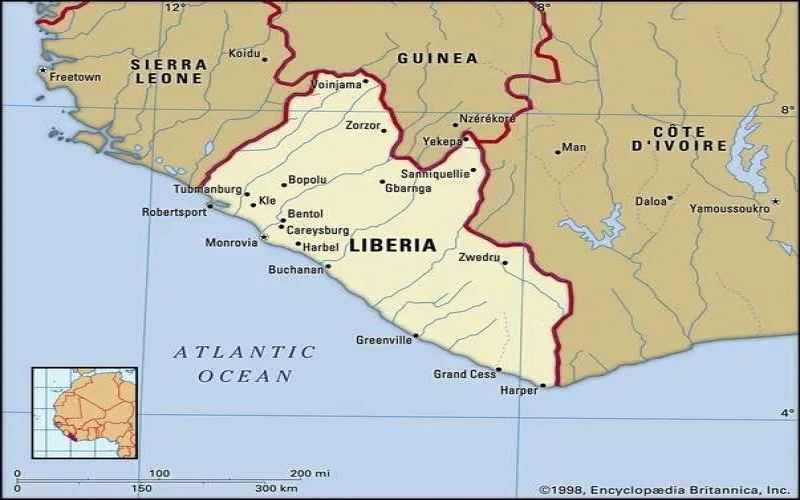
Today, with Arabica and Robusta dominating most of the market, the ancient coffee variety Liberica has quietly existed for over a century. It originated in the low-altitude forests of Liberia in West Africa, with tall trees and large fruits, and its flavor is dominated by smoky, woody, and dark chocolate notes. Although its production accounts for only about 2% of the global total, its caffeine content is the lowest among the three major original species. This article will guide you through Liberica's origins, flavor characteristics, its cultivation and development in Southeast Asian countries such as the Philippines, as well as its cultivation in China's Hainan, Guangdong, and other regions, and recommend related products from Front Street Coffee for coffee enthusiasts' reference. [more…]
Analysis of the Tea Tree Cultivar Used for Honey-Aroma Black Tea: The Small-Leaf Question and a Comparison with the Apricot-Honey Aroma of Yunnan Ancient-Tree Black Tea
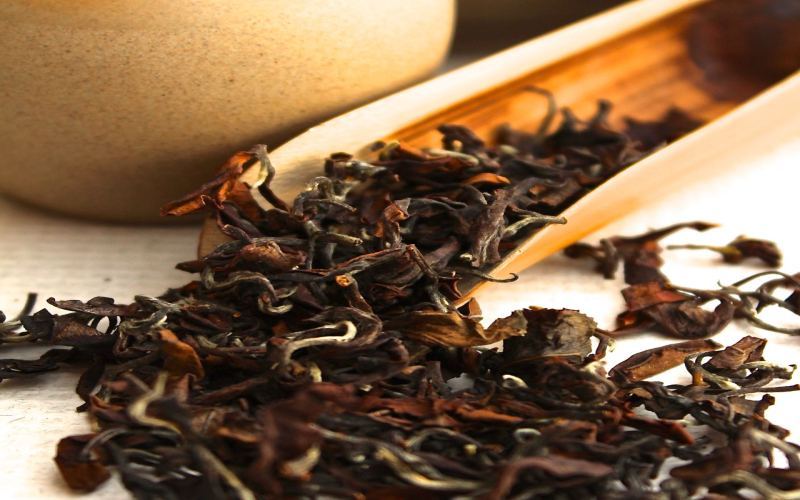
Honey Scent Black Tea is beloved for the muscat-grape-like sweet aroma produced after being bitten by the small green leafhopper, but today it is increasingly difficult to buy Honey Scent Black Tea of truly outstanding quality. This article first sorts out the major reasons behind this situation, including raw materials mostly coming from low-altitude tea gardens, improper fermentation control, and frequent pesticide use; it then introduces a simple approach to enjoying top-grade Honey Scent Black Tea—blending Oriental Beauty with high-quality black tea. Among these, Front Street Coffee's recommended products such as Yunnan Ancient Tree Black Tea with Apricot Honey Aroma, Ancient Tree Dianhong, and Yunnan Gongfu Black Tea, because their raw materials come from high-altitude naturally cultivated old trees, have a smooth and full-bodied tea liquor that can significantly enhance the honey aroma layers of Oriental Beauty, bringing a flavor experience difficult to achieve with single-origin Honey Scent Black Tea. [more…]

What are the essential differences between Arabica and Robusta? Where do Geisha and Typica stand within the Coffea genus?
More than one hundred confirmed species exist under the genus Coffea, among which Arabica and Robusta are the two names with the highest commercial value. But many people do not know that these two are actually not at the same taxonomic level—Arabica is a complete species, while Robusta is merely a variety under the Canephora species, ranking at the same level as Geisha and Typica within the Arabica branch. This article will clarify the differences and connections among these three from the perspectives of taxonomic relationships, growing conditions, flavor performance, and commercial uses, and will also explain why a small amount of Robusta is often added to espresso blends, as well as Front Street Coffee's specific approach in this regard with its classic blend. [more…]
El Niño Hits Key Robusta Growing Regions, Coffee Prices Climb as Arabica Exports Strengthen
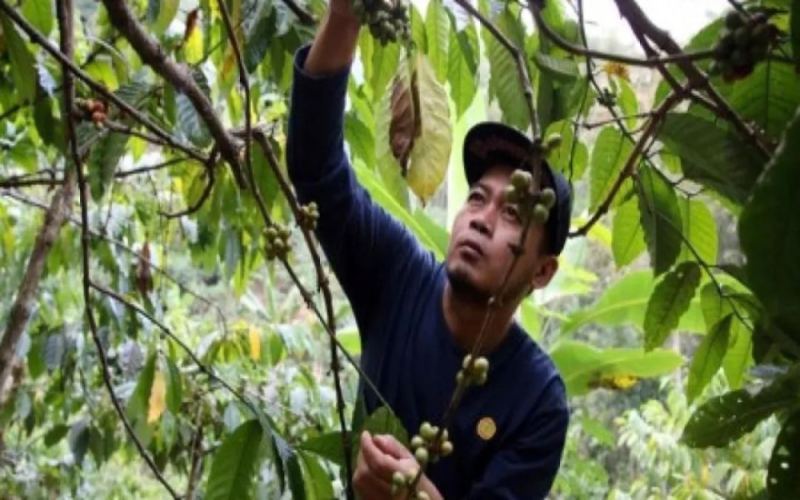
The ongoing El Niño phenomenon has continued to intensify recently, bringing high temperatures and drought to coffee-growing regions in Southeast Asia. Robusta coffee production in Indonesia and Vietnam has declined noticeably, and export prices have risen sharply as a result. Meanwhile, Arabica-producing countries such as Honduras in Central America and Kenya in Africa have shown strong export performance, with prices remaining stable. This article reviews changes in production, exports, and prices across major producing regions to help coffee enthusiasts grasp the current supply-demand dynamics and future trends of the global coffee market. [more…]
Extreme Weather Hits Indonesia's Coffee Industry: Production May Fall to Lowest in Over a Decade, Smallholder Farmers in Lowland Areas Face a Fight for Survival
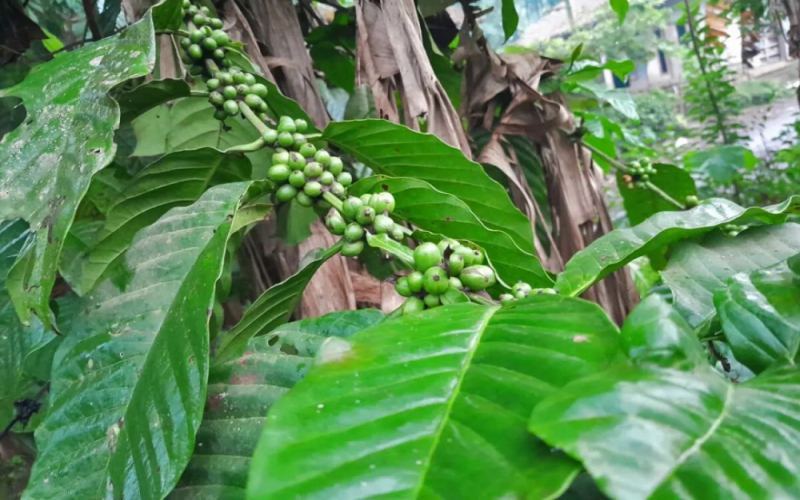
As the world's fourth-largest coffee producer, Indonesia is facing severe climate challenges. From the relentless downpours brought by La Niña to the severe droughts triggered by El Niño, extreme weather has alternately battered coffee-growing regions, causing poor development of coffee flowers, withered leaves, and worsening pests and diseases. Industry insiders predict that Indonesia's total coffee production this season will plummet to less than 10 million bags, the lowest level in more than a decade. Smallholder farmers in low-altitude growing regions are bearing the brunt, with some even facing the prospect of a total crop failure. At the same time, soaring rice prices have prompted the government to encourage farmers to switch to rice cultivation, while the slow renewal of coffee trees further constrains any recovery in production capacity. Climate change could also lead to a sharp reduction in Indonesia's land suitable for coffee cultivation. Front Street Coffee will continue to follow subsequent developments in this growing region. [more…]

Indonesian Civet Coffee Bean Origin Selection Guide: The Flavor Source and Tasting Methods of Authentic Kopi Luwak
Kopi Luwak, commonly known as cat poop coffee, has always been the most mysterious presence in the coffee world. Its unique "production process" and high price make countless coffee lovers curious yet rarely able to see it in person. This article will take you through the two major types of Kopi Luwak—the difference between wild and farmed civet coffee, why wild civets prefer Robusta while farmed ones are mostly fed Arabica, the respective characteristics of low-altitude and high-altitude producing regions on Indonesia's Sumatra Island, and where exactly the special flavor that the fermentation inside the civet's body imparts to the coffee beans comes from. If you are looking for an authentic Indonesian Kopi Luwak coffee bean, Front Street Coffee can also provide you with a reliable choice, and the following text will lay it all out for you in detail. [more…]

A Century of Indonesian Coffee: Development History and Analysis of Representative Varieties — From Mandheling to Golden Mandheling
Indonesia is a coffee-producing region that cannot be overlooked on the global coffee map, and Mandheling is the country's most recognizable coffee calling card. From the perspective of Front Street Coffee, this article traces the complete history of Indonesian coffee, from the introduction of Arabica during the Dutch colonial period, through the impact of coffee leaf rust, to Robusta filling the gap. It analyzes the geographical layout of Sumatra's high-altitude producing regions and low-altitude Robusta cultivation, and offers an in-depth interpretation of how Indonesia's unique wet-hulling process shapes Mandheling's signature low acidity, heavy body, and herbal flavors. At the same time, the article introduces Lintong Mandheling, Golden Mandheling, and Tiger Mandheling on Front Street Coffee's bean list, clarifies the certification points of PWN's Golden Mandheling, and includes Front Street Coffee's recommended brewing parameters and flavor descriptions, helping enthusiasts fully understand the unique charm of Indonesian coffee. [more…]

How to distinguish Arabica from Robusta? A comprehensive comparison from morphological characteristics to growing altitude
In the first two installments of Front Street's Bean Appraisal Guide, we have already learned to identify some of the sub-varieties of Arabica, as well as the differences in appearance between sun-dried and washed processing. This time, version 3.0 will cover the two most core commercial varieties in the Coffea genus—Arabica and Robusta. They each have their own characteristics in flavor, disease resistance, growing altitude, yield, and bean shape, especially the differences in the center line form, which can help us tell them apart at a glance. This article will compare these two varieties in detail from multiple dimensions, and also tell you why Robusta has long been unpopular in the specialty coffee circle, yet still accounts for a quarter of global production. [more…]
A Comprehensive Analysis of Special Coffee Processing Methods: Does Anaerobic Enzyme Processing Count as Flavored Beans?
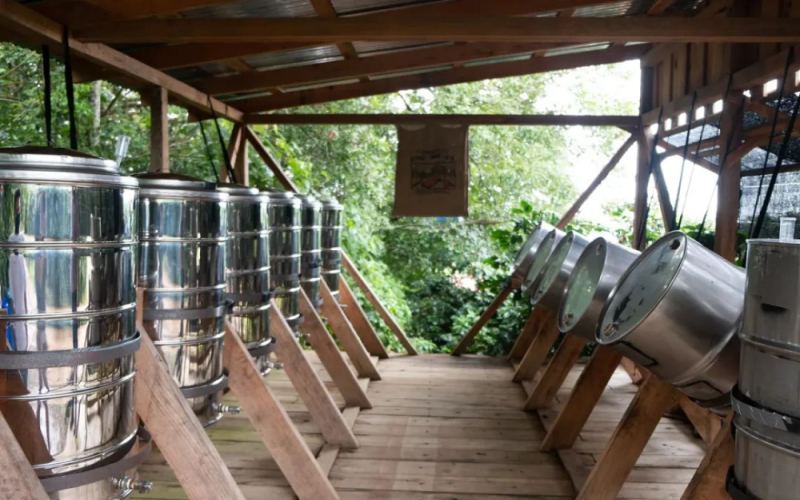
In recent years, traditional coffee processing methods have become increasingly rare, and even premium producing regions such as Ethiopia and Panama Geisha have begun to embrace special processing methods. From the emergence of anaerobic honey processing in 2014 to five of the top six finishers at the 2018 WBC using anaerobic fermented beans, special processing methods rapidly swept the market. Among them, "anaerobic enzyme processing" has sparked the most discussion—what exactly are enzymes? Are they the same thing as flavored beans? Starting from the nature of enzymes and the background of the rise of special processing methods, and incorporating the views of WBC champion Sasa, this article clarifies the boundary between flavored coffee and fermented flavors, helping coffee enthusiasts view this new wave of processing methods rationally. [more…]

The Truth About Kopi Luwak Origins and Flavor Analysis: Civet Coffee Bean Characteristics, In Vivo Fermentation Principles, and Front Street Brewing Notes
Is kopi luwak really made from actual cat feces? Why does it command such astronomical prices? Can the digestive system truly change the flavor of coffee beans? This article, from the objective perspective of Front Street Coffee, sorts out the origin background of kopi luwak, the principles of fermentation inside the civet's body, the characteristics of the coffee beans, and the current market situation, while preserving Front Street Coffee's roasting and brewing records for Indonesian Aceh kopi luwak, to help you understand the true face of this controversial coffee at a glance. [more…]
Analysis of the Flavor and Mouthfeel of Indonesian Kopi Luwak: From the Principles of In Vivo Fermentation to a Detailed Breakdown of Front Street Coffee Brewing Parameters
Kopi luwak, with its unique origin, makes many people both curious and hesitant, but once you truly understand its processing, you'll find the finished coffee beans are far cleaner than you might imagine. From the objective perspective of Front Street Coffee, this article examines whether kopi luwak is really made from cat feces, the reasons behind its high price, whether the digestive system can genuinely change coffee flavor, and shares Front Street Coffee's roasting notes and brewing insights on Indonesian kopi luwak. Whether you want to learn the truth about this much-discussed coffee or try brewing it at home, you'll find valuable information here. [more…]
Indonesian Kopi Luwak Flavor and Taste Full Analysis: From the Aceh Region to Bali, Front Street Coffee Teaches You to View This Controversial Coffee Objectively
Kopi Luwak has always been a highly talked-about presence in the coffee world. Some people are curious about its unique flavor, while others are deterred by its name. This time, Front Street Coffee takes an objective perspective to help you understand the true face of Kopi Luwak—is it really made from cat feces? Why does its price remain so high? Can the digestive system truly change the flavor of coffee beans? Starting from Indonesia's Aceh producing region, this article covers the origin of Kopi Luwak, the dietary habits of the civet, the principles of in-vivo fermentation, as well as Front Street's roasting records and brewing parameters, and also includes detailed flavor descriptions, giving you a more comprehensive understanding of this controversial coffee. [more…]
Exploring the Truth About Kopi Luwak: The Principles of Fermentation Inside the Civet, Taste Characteristics, and Whether It's Worth Buying
What exactly is Kopi Luwak? Is it really made from cat feces? Why does it remain so expensive? Can in-vivo fermentation actually change the flavor of coffee beans? This article, from the objective perspective of Front Street Coffee, discusses the origins, digestion process, flavor characteristics, price factors, and brewing methods of civet coffee, while also sharing the roasting and pour-over parameters for Front Street Indonesian Kopi Luwak. The article will also offer advice on whether it is worth buying, and recommend alternative choices such as Front Street Panama Geisha, Ethiopian Hualei, Brazilian coffee beans, and Golden Mandheling for coffee lovers with different taste preferences. [more…]
The Density and Hardness of Coffee Beans: Hidden Factors That Affect Flavor
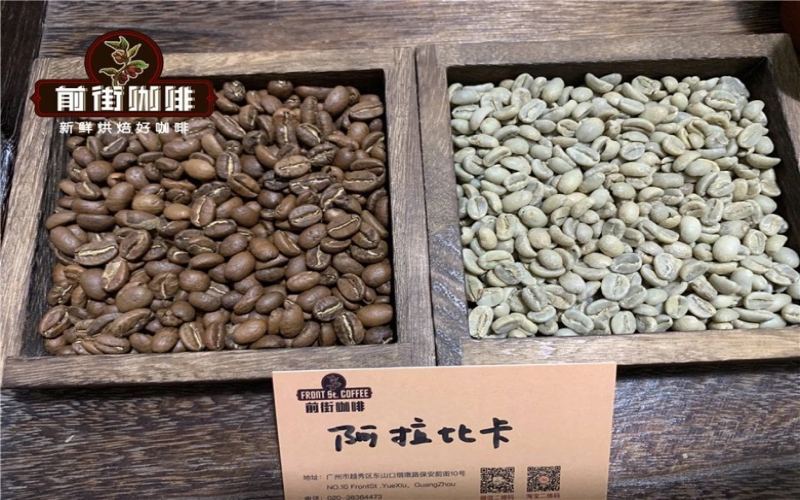
When choosing coffee, besides origin, processing method, and roast level, there is another rarely mentioned yet profoundly influential indicator: the density and hardness of the green beans. It hides behind roasting and flavor performance, yet it is a key to understanding why this bag of beans is more resistant to roasting and more resistant to extraction. Where do density and hardness come from? The density and hardness of green coffee beans mainly [more…]

The Origins of Coffee Cultivation in Bolivia and a Full Analysis of the Java Variety Coco Natural Flavor from Finca Valiki
Although Bolivia is surrounded by two major coffee countries, Brazil and Peru, its high-altitude terrain has pushed coffee cultivation toward a "low-altitude" path. This article traces the rise and fall of Bolivian coffee since 1880, focusing on the terroir differences between the two major producing regions of Yungas and Caranavi in La Paz, and takes an in-depth look at the Java variety from the Waliki Estate sourced by Front Street Coffee. This bean uses a distinctive cocoa natural process, leveraging a cocoa dryer for low-temperature slow drying, presenting a complex profile interweaving floral notes, berries, and nuts. The article also discloses Front Street's medium-light roast curve, cupping performance, and V60 brewing parameters, providing coffee enthusiasts with a complete reference for tasting and hands-on practice. [more…]
A Detailed Guide to the Flavor Characteristics of Ugandan Coffee Beans: Pour-Over Grind and Water Temperature Parameters
Uganda, a landlocked country at the source of the Nile, has a long history of coffee cultivation, yet war and unrest have long held back improvements in quality. Today, Uganda is both the world's second-largest exporter of Robusta and a producer of specialty Arabica. This article will guide you through Uganda's coffee-growing regions, variety structure, and flavor profile, and share the pour-over grind size and water temperature parameters recommended by Front Street Coffee to help you brew a cup of Ugandan coffee with rich layers. [more…]
How to Choose Pour-Over Coffee If You Don't Like Acidity? Recommendations for Full-Bodied Beans
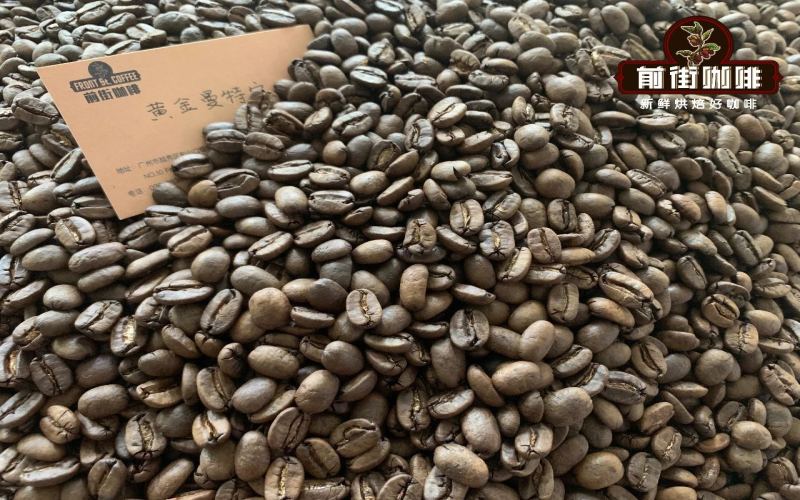
Not all coffee lovers enjoy acidity. Some people, after drinking specialty coffee for years, ultimately return to a cup of mellow, warm, non-irritating pour-over coffee. Beans of this style usually feature notes of nuts, cocoa, caramel, dark chocolate, herbs, and even a faint earthy aroma, going down smoothly with a long, sweet finish—especially suit [more…]