







How do coffee processing methods shape flavor in the bean?
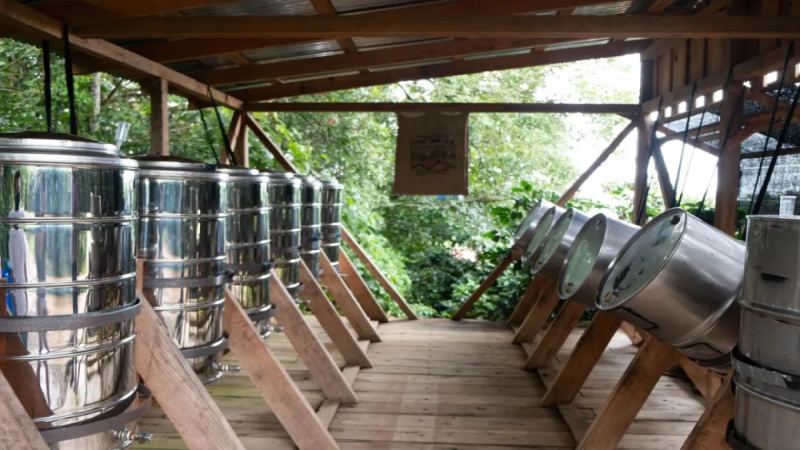
Anaerobic enzyme processing is a fermentation method, not a flavoring process. Sealed tanks block oxygen so spoilage microbes stay inactive, and the operator adjusts temperature, pH, sugar concentration, pressure, and gas composition while controlling fermentation time. That breaks down pulp, pectin, and fructose inside the coffee cherry, which builds aroma in the bean rather than adding an outside ingredient.
Interest in these coffee processing methods grew after an anaerobically honey-processed bean stood out at a 2014 Costa Rica competition, and five of the top six finishers at the 2018 WBC used anaerobically fermented beans. As traditional coffee processing becomes less common in places like Ethiopia and Panama Geisha, the line between fermented flavor and added flavor draws steady debate.
In recent years, traditional coffee processing methods have become increasingly rare, and even premium producing regions like Ethiopia and Panama Geisha have begun embracing specialty processing methods. From the emergence of anaerobic honey processing in 2014 to five of the top six finishers at the 2018 WBC using anaerobically fermented beans, specialty processing methods quickly swept the market. Among them, "anaerobic enzyme processing" has sparked the most discussion—what exactly are enzymes? Are they the same thing as flavored beans? Starting from the nature of enzymes and the background of the rise of specialty processing methods, and incorporating the views of WBC champion Sasa, this article clarifies the boundary between flavored coffee and fermented flavors, helping coffee enthusiasts view this new wave of processing methods rationally.
I wonder if everyone has noticed that in recent years, coffee beans using traditional processing methods have appeared less and less frequently.
Even Ethiopian coffee beans, which are inherently rich in acidity layers, or Panama Geisha, which naturally carries delicate floral and fruity notes, have all begun trying specialty processing methods.
What exactly do coffee specialty processing methods refer to?
Going back to 2014, at a competition in Costa Rica, an anaerobically honey-processed bean stood out, sparking the trend of "anaerobic" fermentation from then on.
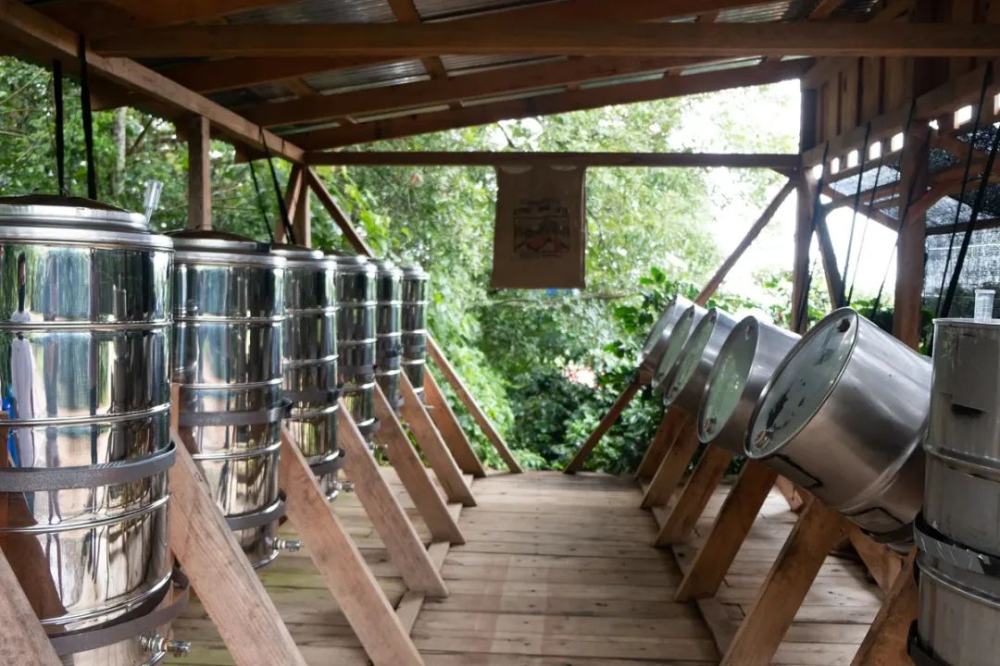
The core logic of so-called "anaerobic" fermentation is to use a sealed environment to block out oxygen, preventing oxygen-dependent microorganisms that easily cause spoilage from becoming active. In this way, people can externally intervene in the fermentation process of coffee cherries inside sealed tanks.
How is this intervention done? Roughly speaking (going into full detail would be too cumbersome), after the spoilage-causing microbial communities are suppressed, the operator adjusts variables such as temperature, pH, sugar concentration, pressure, and gas composition inside the fermentation tank, and precisely controls the fermentation duration, prompting the decomposition of the coffee cherry's pulp, pectin, and fructose, thereby bringing a richer and more intense aroma to the coffee beans.
This specialty processing method gained further public attention at the 2018 WBC competition—at that time, five of the top six contestants used anaerobically fermented beans, and market and consumer attention soared accordingly.
In less than five years since then, anaerobic processing has evolved from initially drawing out oxygen or injecting carbon dioxide into multiple forms such as double anaerobic, cold fermentation, hot fermentation, anaerobic combined with enzymes, and adding specific strains.
What exactly are the "enzymes" mentioned in processing methods?
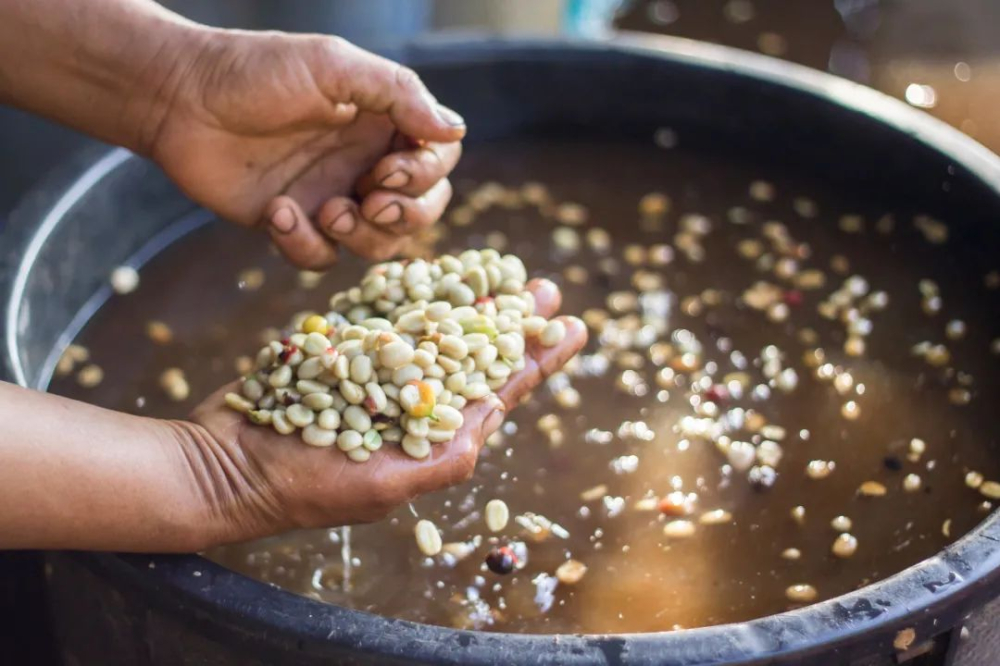
Among the many new terms, the "enzymes" in anaerobic enzyme processing are what consumers discuss the most. The enzymes referred to here actually mean "coffee cherry leachate." For example, during washed processing, coffee cherries go through a tank soaking and fermentation stage, and the water in the tank is coffee cherry leachate.
Enzymes are essentially the products of food fermentation. The liquid produced by fermenting different foods usually has a vinegar-like acidity, tastes sour and sweet on the palate, and is accompanied by an alcoholic note (provided fermentation is moderate); it rarely directly presents the flavor of the original fermented ingredient itself.
The reason people associate enzymes with a certain specific flavor is that many enzyme products on the market undergo post-processing and are deliberately shaped to carry the flavor of the original fermented ingredient. Over time, consumers have formed the impression that "enzymes = flavor substances." But in fact, the role enzymes play in processing is merely to change the acidity and alkalinity of the fermentation environment, leading coffee cherry fermentation toward different outcomes.
As for whether anyone later conflates enzymes with processed enzyme products that can produce flavor substances, we cannot know for certain.
Is the growing number of specialty processing methods a good thing or a bad thing?
More and more producing regions and estates are using anaerobic processing to process coffee beans. The initial motivation is to differentiate themselves, hoping their own beans can gain outside attention.
Friends who understand how altitude affects coffee flavor should know that coffee beans grown at high altitudes often have richer and more delicate flavors, while beans grown at low altitudes generally perform much more plainly.
But the terrain of a coffee-producing region inevitably has both high and low areas. Beans grown at 1,200 meters and 1,800 meters differ quite noticeably in flavor and complexity, so coffee beans from low-altitude regions are often overlooked.
For growers in these low-altitude regions, if they want their beans to one day "rise above the rest," specialty processing methods are almost one of the quickest ways to attract attention. For growers, specialty processing methods are nothing less than a lifeline.
Even growers in high-altitude regions are no exception. After more than a decade of "Geisha involution," growers in Panama's Geisha-producing regions also need anaerobic fermentation to make their Geisha beans more distinctive.
From the market side, more and more consumers, influenced by coffee competitions, coffee culture, and coffee enthusiasts around them, are developing demand for coffee beans that offer rich flavors, so the market naturally tends to choose beans processed with specialty methods.
Compared with the coffee people initially knew as only bitter, specialty processing methods have given many consumers a completely new understanding of coffee. For the general public, an approach that can break the fixed impression that "coffee is only bitter" and make the taste richer and fresher will not provoke rejection.
So, does anaerobic processing count as flavor enhancement?
So far, the industry's definition of the term "flavored coffee" remains relatively vague.
Sasa, the inventor of carbonic maceration (CM) processing and a world coffee competition champion, holds this view: if these coffees are labeled with processing information and additives, then they belong to flavored coffee, and such beans should not appear in any competition because there is suspicion of cheating.
He also clearly pointed out that in experiments in Nicaragua, poorly flavored varieties and low-altitude coffee beans did indeed improve in flavor performance after carbonic maceration processing—this is also why green bean competitions prohibit such coffee beans from entering.
However, this situation produces flavor by regulating coffee cherry fermentation and cannot be counted as flavor enhancement. Flavor enhancement should refer to substances added during processing whose taste ultimately shows up in the coffee, such as flavor extracts or essences. Sasa believes this kind of information must be transparent to comply with the basic concept of traceability for single-origin coffee.
But when enzymes are added as fermentation catalysts, or yeast or probiotics are added to participate in fermentation, and the final coffee does not contain the taste of the additives themselves, with the flavor naturally produced by the fermentation process, this type does not belong to flavored coffee.
The key is to let end consumers clearly, transparently, and truthfully understand how the coffee they drink is grown and processed. The final choice still rests in consumers' hands.
This is just like traditional tea and new-style tea beverages: different consumers choose the same category of product for their own reasons, and there is no good or bad about it. It is related both to food culture and to personal preference.
The above content is compiled by CoffeeHunters, a coffee news website.


