







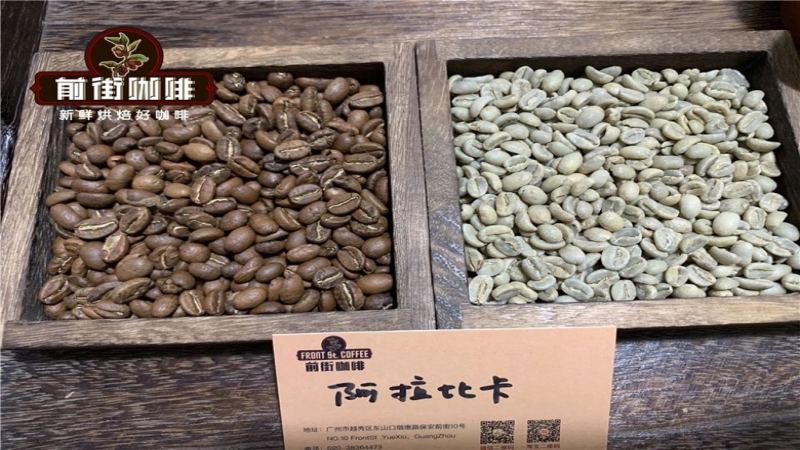
When choosing coffee, besides origin, processing method, and roast level, there is another rarely mentioned yet profoundly influential indicator: the density and hardness of green beans. It hides behind roasting and flavor performance, yet it is a key to understanding why this bag of beans is more roast-resistant and more extraction-resistant.
Where Do Density and Hardness Come From
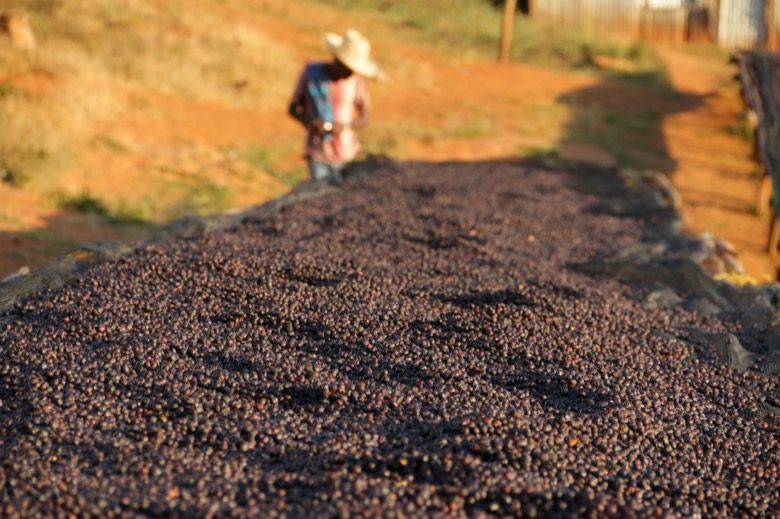
The density and hardness of green coffee beans mainly depend on growing altitude. High-altitude regions have low temperatures, coffee cherries ripen slowly, and the beans grow inside the fruit for a longer time, resulting in a tighter structure, with density and hardness increasing accordingly. High-altitude producing regions in Kenya and Ethiopia therefore generally produce high-density beans, while low-altitude coffee beans have a relatively loose structure.
The Relationship with Roasting
High-density beans conduct heat relatively evenly and can better preserve internal flavors during roasting, making them suitable for light-to-medium roasts that pursue clear floral and fruity aromas; low-density beans are more prone to being burnt outside while underdeveloped inside, so roasters need to control the heat more carefully. This also explains why light-roasted coffee mostly comes from high-altitude producing regions. It is not that low-altitude regions cannot do it, but that the beans' foundation cannot support it.
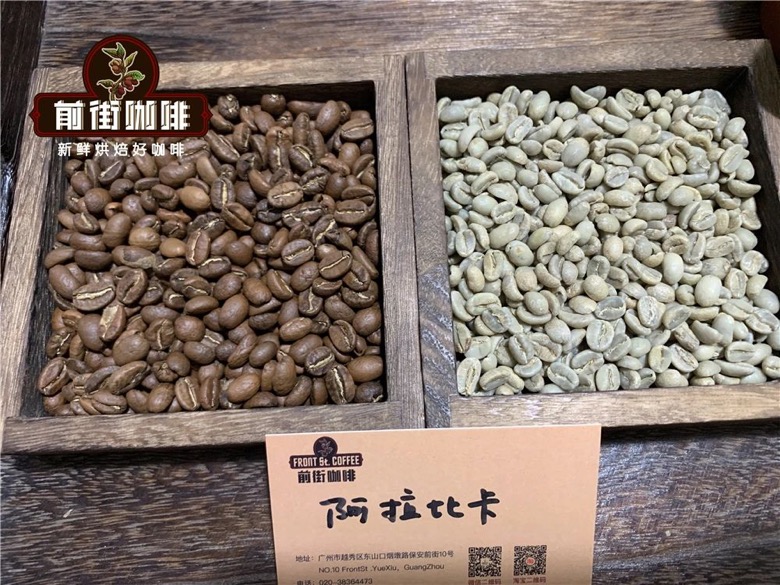
Hard Beans and Flavor Performance
High-density beans often present bright acidity, clear layers, and clean sweetness. Front Street Coffee Kenya Little Tomato is grown at an altitude of 1,550 to 1,750 meters; the SL28 and SL34 varieties have plump beans, and after 72-hour double washing, the acidity and aroma of cherry tomatoes and smoked plums are clean and crisp; Front Street Coffee Colombia Sidra comes from an estate at an altitude of 1,650 to 1,800 meters, and double anaerobic natural processing brings a rich juice-like feel interwoven with passion fruit and blueberry, with balanced sweetness and acidity. These high-altitude, high-density beans all rely on solid inner quality to support complex flavors.
How to Choose Beans by Matching Roast Level with Hardness
In daily bean selection, this rule can be used in reverse. If you want clear fruit acidity and floral aromas, choose high-altitude, high-density beans with a light roast; Front Street Coffee Yirgacheffe Gedingding and Front Street Coffee Granja Estate Geisha are both very suitable; if you want a mellow mouthfeel and low acidity, choose a dark roast or medium-dark roast; Front Street Coffee PWN Indonesia Golden Mandheling and Front Street Coffee Brazil Queen Estate are worth trying. The former has a tight structure that can withstand light roasting, while the latter, after dark roasting, has fully caramelized sugars, giving a fuller sweetness of nuts and cocoa.
Density and hardness are not directly written on most packaging, but they leave traces everywhere through altitude, producing region, and roasting method. Next time you see the growing altitude marked on the packaging, you may want to pay a little more attention; it often reveals more about the potential of this bag of beans than you would imagine.
The above content is compiled by CoffeeHunters, a coffee news website.

