







What Robusta Coffee Beans and Crema Have in Common
Espresso crema is a golden layer of carbon dioxide and insoluble coffee lipids. After roasting, gas builds inside the beans. When a semi-automatic machine pushes water through the puck at about 9 bar, the water holds that gas in a supersaturated state and emulsifies the fats, which wrap the bubbles. Being lighter than water, the mixture floats and settles as crema.
Roast level and variety shape how thick that layer gets. Darker roasts hold more lipids and carbon dioxide, and robusta coffee beans carry a higher lipid content, so blends with robusta tend to show a denser crema. Extraction pressure, flow rate, and channeling also matter. Uneven water paths or too fast a shot commonly leave crema thin or missing entirely.
The golden, dense layer of crema on the surface of espresso, known in Italian as Crema, is the most recognizable visual feature of espresso and an important basis for many coffee enthusiasts to judge extraction quality. What substances make up this layer of crema? What conditions affect its thickness? Starting from the essence of coffee crema, this article systematically sorts out the influence of key variables such as coffee bean varieties and roast levels, extraction pressure, flow rate, and channeling on crema performance, and analyzes the common situations of missing or too-thin crema during extraction one by one, while combining the characteristics of several commercial blend beans from Front Street Coffee to give selection suggestions suitable for different needs, helping readers understand espresso crema performance more comprehensively.

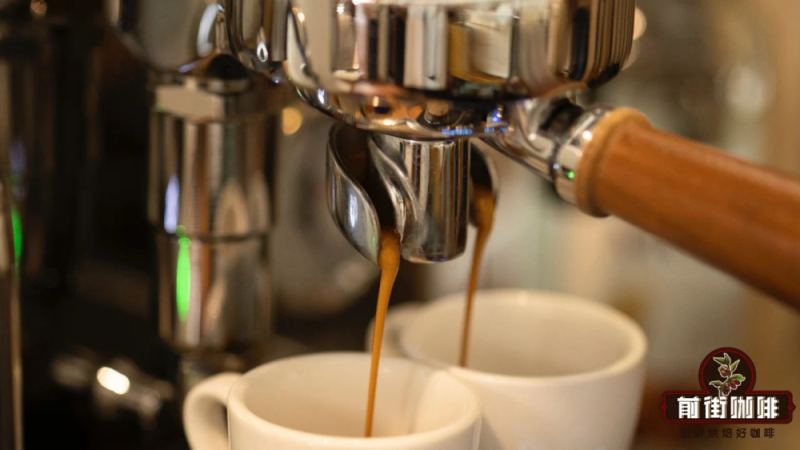
Espresso produced by Front Street Coffee
Espresso has always been known for its small cup size and the thick golden crema on its surface. This layer of crema, named Crema by Italians, has almost become an indispensable visual symbol of espresso.
What exactly is coffee crema?
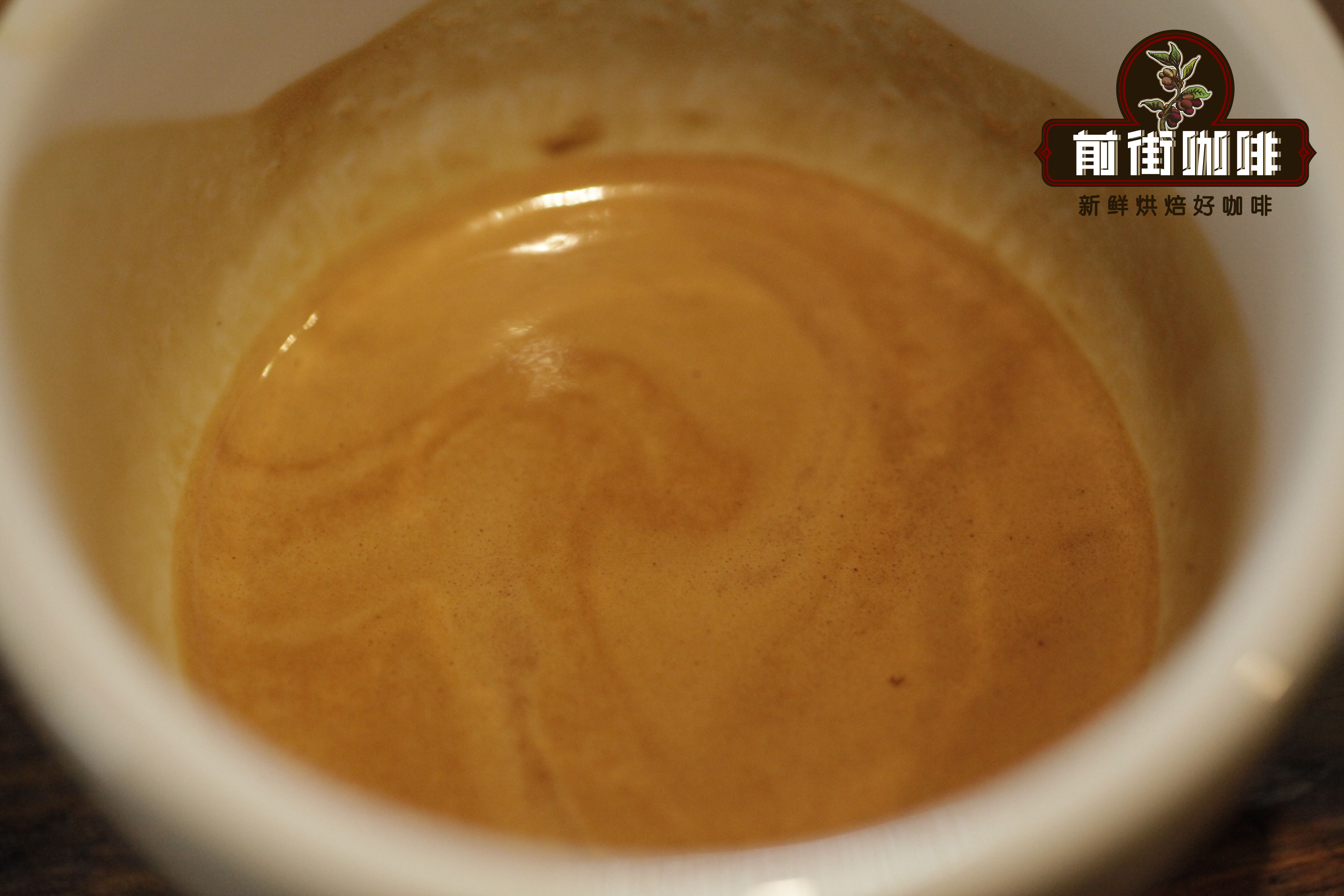
In terms of composition, coffee crema mainly contains carbon dioxide and the insoluble lipid substances in coffee grounds. After coffee beans complete roasting, gases such as carbon dioxide accumulate inside. When modern semi-automatic espresso machines press the coffee puck at about 9 bar, the carbon dioxide in the coffee grounds is subjected to extremely high pressure, causing water to dissolve it in a supersaturated state. The gas cannot escape smoothly and can only mix directly into the coffee liquid.
At the same time, this process also emulsifies the fats in the coffee. The emulsified fats wrap around the carbon dioxide. Because the overall density is lower than that of water, layering gradually occurs, eventually forming that beautiful golden crema on the surface.
So, what conditions exactly affect the thickness of espresso crema?
1. The coffee beans themselves
As mentioned earlier, espresso crema is composed of carbon dioxide and insoluble lipids, which is directly related to the roast level and variety of the coffee beans. The darker the roast, the more lipids and carbon dioxide accumulate in the beans. In addition, Robusta coffee beans themselves have a higher lipid content, so espresso extracted from them will also have a thicker crema.
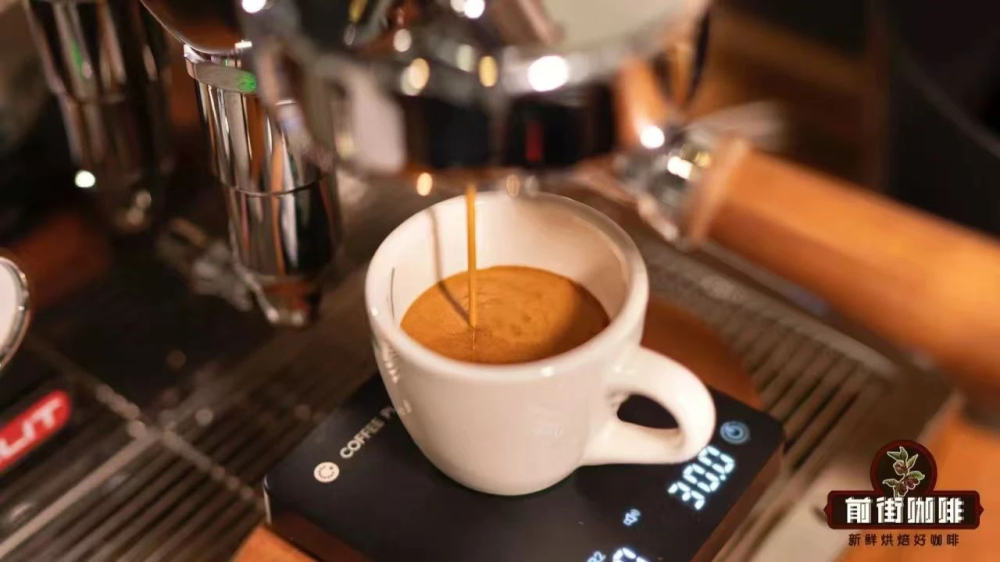
If you want to produce results close to what a coffee shop serves, or are planning to run your own coffee shop, you can choose Front Street commercial blend coffee beans. This bean is blended from Brazil, Colombia, and 10% Robusta. It has a classic flavor and can bring rich crema and a solid mouthfeel, presenting caramel-like sweetness, along with nutty, cocoa, and dark chocolate notes. The acidity and sweetness are balanced, with a slight bitterness, and a long finish. Among them, beans from the Huila region of Colombia contribute pleasant fruit acidity, full aroma, agreeable acidity, and rich layers of sweetness; beans from the Cerrado region of Brazil bring comfortable bittersweetness and are very smooth on the palate; the addition of Robusta ensures the thickness of the crema. This Front Street commercial blend is suitable for coffee shops and beverage shops of different scales, and the crema performance is abundant, making it an ideal choice for making latte art.
If, in addition to wanting rich crema, you also pursue a full-bodied mouthfeel and solid coffee aroma, you must try Front Street classic blend. It combines Indonesian Mandheling, Brazilian Red Bourbon, and a small amount of Vietnamese Robusta. After medium-dark roasting, it releases aromas of butter, roasted nuts, toast, spices, and dark chocolate during extraction. Its wild character and overflowing crema are its most prominent labels. It is very suitable for practicing latte art and is an excellent choice for beginners.
For those who value cost-effectiveness, Front Street Dark Cocoa Basic Blend is recommended. Brazilian coffee makes up a relatively large proportion of this bean, bringing a comfortable bittersweet taste and an extremely smooth entry, while also blending the acidity and tea-like quality of ripe plums from Yunnan Arabica. After grinding, it gives off the aroma of creamy chocolate, and complex nutty aromas such as almonds and walnuts rush forward. When making espresso, the crema appears silky and delicate. It is not only suitable for making classic espresso drinks such as lattes, Americanos, and mochas at home, but also, because of its tasty-but-inexpensive positioning, has become the first-choice blend for many businesses opening shops.
2. Extraction pressure
Usually the extraction pressure of a semi-automatic coffee machine is maintained at around 9 bar, depending on the performance of the machine itself. Today some models also have pressure-profiling extraction functions. When the pressure is low, extraction efficiency decreases; when the pressure is high, extraction efficiency increases. The greater the pressure, the easier it is to extract coffee crema.
3. Flow rate and channeling
Flow rate refers to the speed at which the coffee liquid flows out. The ultimate goal of adjusting extraction parameters is actually all aimed at an ideal flow rate result. Under normal circumstances, espresso should drip its first drop around the fifth second after pressing the extraction button, after which the flow rate remains relatively even. The speed of the flow rate can directly reflect whether the grind size and coffee-to-liquid ratio are appropriate. If the first drop only appears after more than 10 seconds (excluding pre-infusion), the coffee may be ground too fine, or the puck may have been tamped too firmly. If the flow rate is too fast or even sprays, it indicates that the grind is too coarse, or that channeling has occurred.
What causes no crema when extracting espresso? Based on feedback from some customers, Front Street has summarized the following common situations:
1. The coffee grounds are ground too coarse. If the grounds are too coarse, the water flow will be too fast, the coffee will not be fully extracted, and the crema will appear thin and watery.
2. Insufficient pressure. Extracting rich crema requires 9 bar of pressure. If you feel the coffee tastes thin, you can check whether the machine reaches 9 bar.
3. The coffee beans are not fresh enough. Coffee crema is mainly composed of carbon dioxide and insoluble lipids in coffee grounds, and carbon dioxide gradually dissipates over time. Stale beans have a lower carbon dioxide content, so naturally they cannot produce crema under pressure.
4. The extraction recipe is unreasonable. The espresso extraction recipe used by Front Street is a coffee-to-liquid ratio of 1:2, with extraction time controlled between 25 and 28 seconds, for everyone's reference.
The above content is compiled by CoffeeHunters, a coffee news website.


