







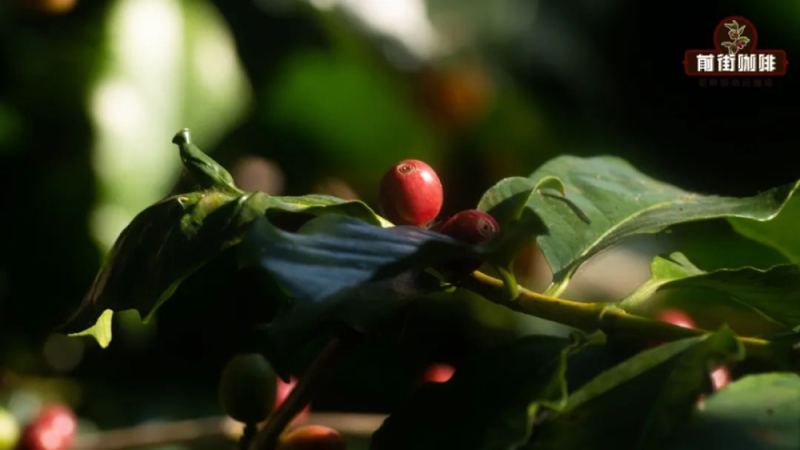
Arabica Structure: How Coffee Cherries Become Beans
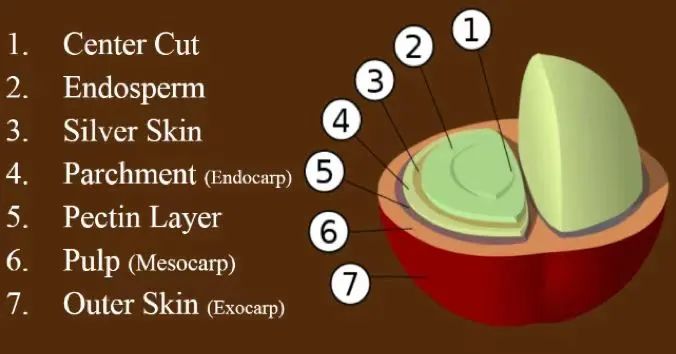
A coffee cherry holds seven parts from the outside in: exocarp, pulp, pectin layer, parchment, silver skin, bean, and center line. The exocarp shifts from green to red as the fruit ripens, the pulp carries sugars and acids, and the sticky pectin layer clings to the bean after the skin and pulp are removed. The bean itself is what gets roasted and brewed.
Green coffee beans contain water, polysaccharides, lipids, proteins, sucrose, chlorogenic acid, other organic acids, amino acids, and caffeine, all shaping mouthfeel, aroma, and the balance of bitterness and acidity. Caffeine content also differs by species: arabica generally holds less caffeine than robusta coffee beans, which helps explain the different taste and strength of the two in the cup.
What exactly is the relationship between coffee fruit and coffee beans? A coffee cherry, from the outside in, consists of multiple parts: the exocarp, the pulp, the pectin layer, the parchment, the silver skin, the bean, and the center line — each layer playing a different role in coffee processing and flavor formation. Green coffee beans themselves are composed of substances such as water, polysaccharides, lipids, proteins, sucrose, chlorogenic acid, other organic acids, amino acids, and caffeine, all of which directly affect coffee's mouthfeel, aroma, and the balance between bitterness and acidity. This article will dissect the structure of the coffee fruit layer by layer, systematically break down the composition of coffee beans, and explain the difference in caffeine content between Arabica and Robusta, helping coffee enthusiasts gain a more comprehensive understanding of the science behind the flavors in their cup.
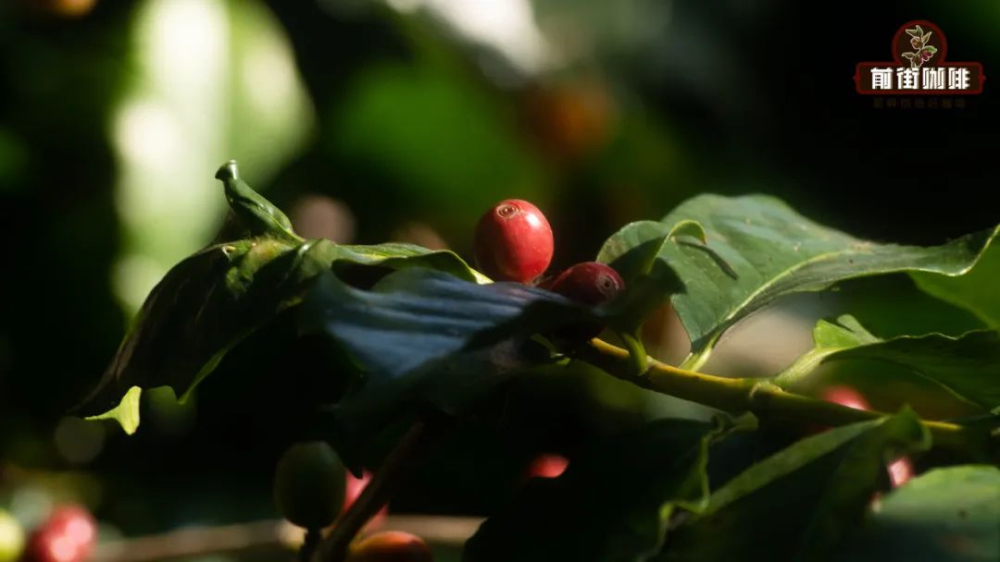
The Composition of the Coffee Fruit
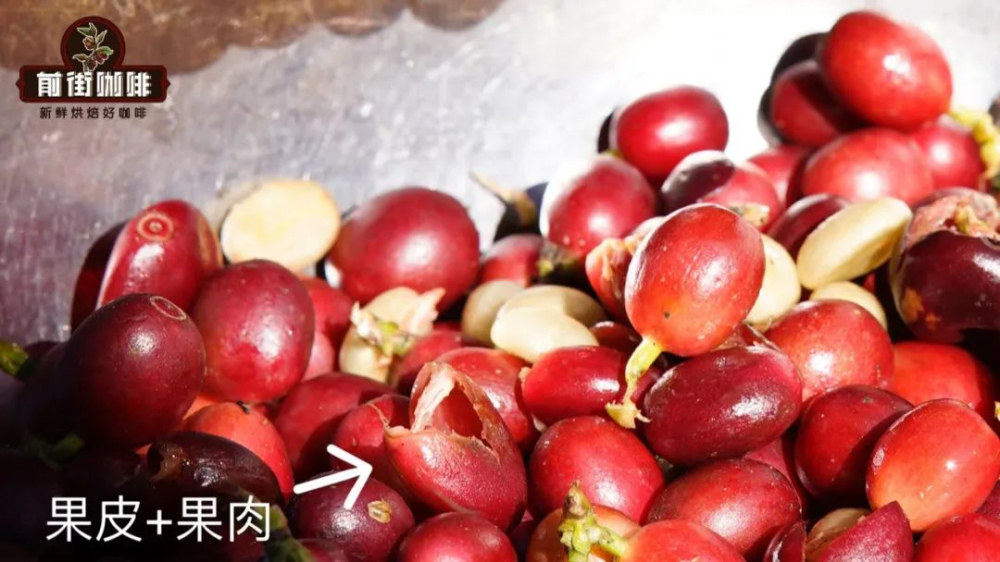
Let's first look at a common anatomical diagram of a coffee fruit. A single fruit can be divided into seven parts from the outside in: ⑦ exocarp, ⑥ pulp, ⑤ pectin layer, ④ parchment, ③ silver skin (the thin membrane between the coffee bean and the parchment), ② bean (i.e., the coffee bean), ① center line (embryo).
Exocarp
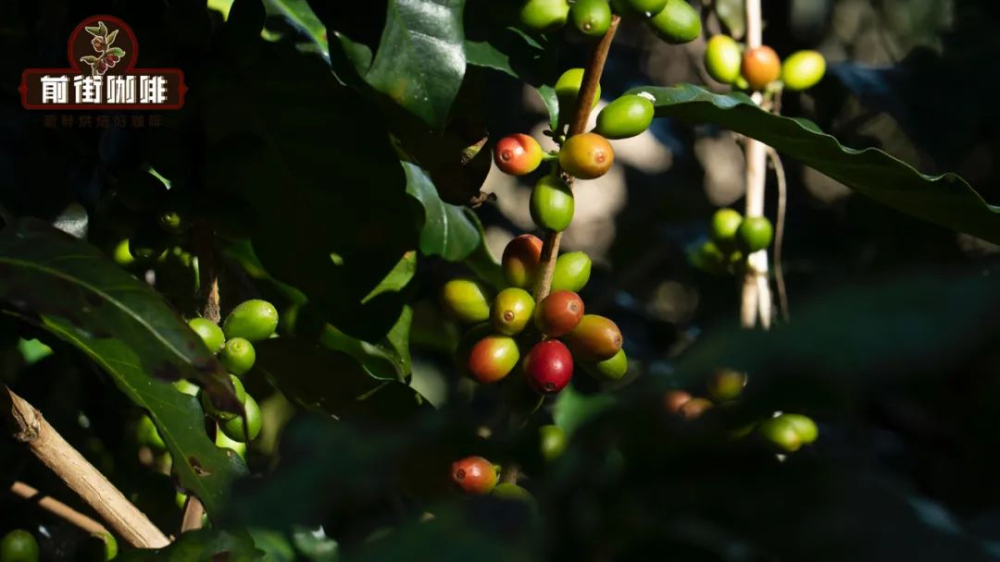
The exocarp is the outermost layer of the entire coffee fruit, composed of 1–2 layers of cells, with a structure very similar to biological epidermis, featuring a cuticle and stomata. When the coffee fruit is unripe, the parenchyma cells of the skin contain large amounts of chloroplasts; as the fruit ripens, these chloroplasts transform into chromoplasts, and the color gradually shifts from its original green to red. The riper the fruit, the deeper the color.
Pulp
From a biological standpoint, the coffee pulp is actually part of the pericarp, since it develops from the plant's ovary wall. Coffee pulp contains large amounts of sugars and acids. When people say that coffee tastes sweet when chewed, they are referring to the sugars provided by the skin and pulp. However, like the skin, it is very thin, so friends tasting a coffee cherry for the first time can easily bite right into the coffee bean.
Pectin Layer
After removing the skin and pulp, a transparent, sticky substance remains on the surface of the coffee bean — this is the pectin layer. The pectin layer is difficult to dissolve in water and has the highest sugar content, giving it a sticky texture, and it also oxidizes easily. Within just a few minutes after the pulp is removed, the pectin gradually turns from transparent to yellow. It is important to understand that the pectin layer is a key component during processing fermentation. Take honey processing as an example: the more pectin retained, the more substances participate in fermentation, and the coffee beans can achieve greater sweetness and fermented character.
Parchment
A layer of parchment is attached to the exterior of the coffee bean, composed of parenchyma cells.
Silver Skin
The silver skin is sandwiched between the parchment layer and the coffee bean — a cytoplasmic membrane as thin as a cicada's wing. It falls off during coffee processing and roasting, and is also a major distinguishing feature between natural and washed coffee beans.
Bean (Coffee Bean)
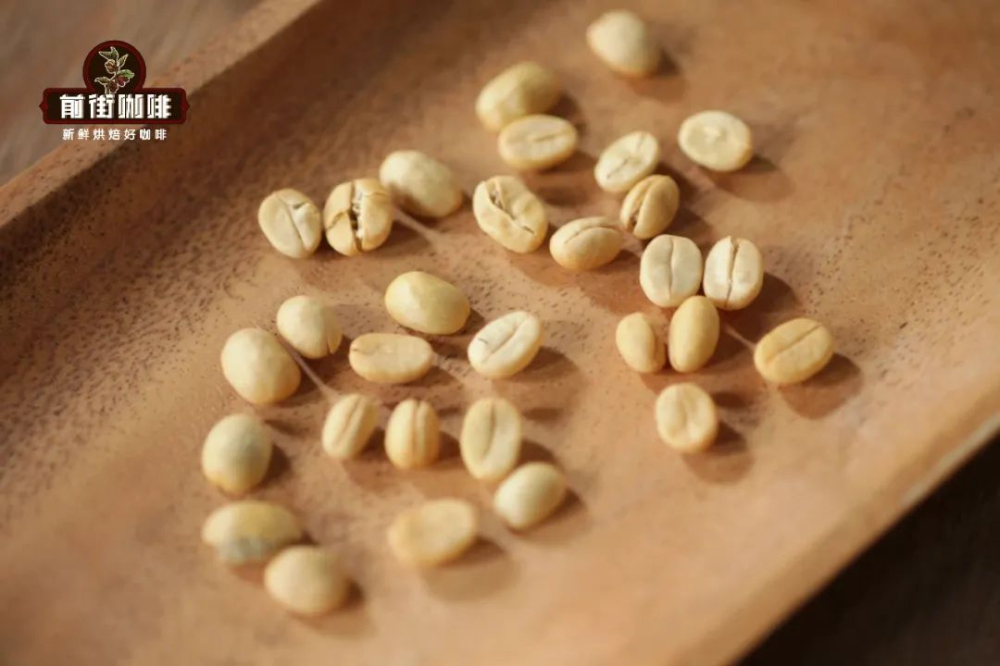
The coffee bean is both the raw material for making coffee and the seed of the coffee tree. Typically, a single coffee fruit produces two coffee beans, each with one flat side, which face each other.
It is worth noting that if a coffee fruit experiences stunted development during growth, it may only produce a single oval-shaped coffee bean with no flat side. To distinguish between these two cases, people call the round bean with no flat side a peaberry or round bean; a normally developed bean with a flat side is called a flat bean.
Embryo
The split in the middle of the coffee bean is the embryo, which, after breaking through the seed coat, develops into leaves and stems.
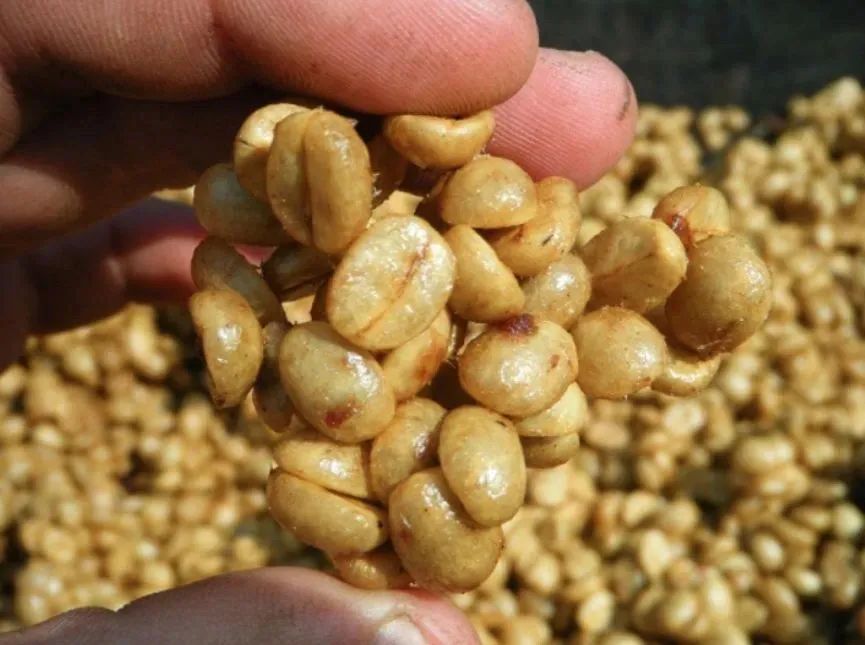
After the coffee fruit is harvested, it is processed immediately to remove all substances other than the coffee bean. Next, let's look at what substances make up a green coffee bean.
Water
Typically, the moisture content of coffee beans drops to a range of 10–13% after processing. This moisture gradually dissipates over time or turns directly into steam during roasting. It does not directly affect coffee flavor.
Polysaccharides
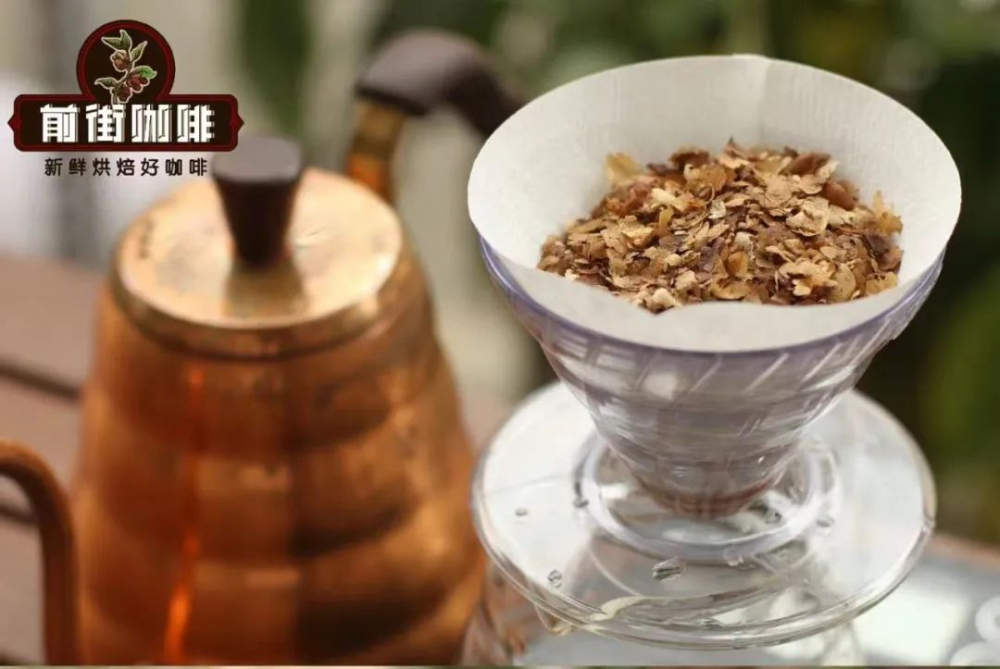
The highest proportion of coffee beans is polysaccharides, accounting for about 35%–45%. They are the basis of substances such as plant fiber — insoluble in water and tasteless — and therefore do not directly affect coffee flavor. After brewing coffee, the remaining coffee grounds are the fibrous portion composed of polysaccharides.
Lipids
Lipids are an important component of the golden crema in espresso, mainly composed of oils such as linoleic acid and palmitic acid. Arabica coffee beans have a higher lipid proportion than Robusta. Because many aromatic aliphatic carboxylic acids can dissolve in lipids, lipid content can directly affect coffee flavor and also enhance coffee's mouthfeel to a certain degree. The more lipids, the more the coffee's mouthfeel and aroma are enhanced.
Proteins
Coffee beans contain 12% protein, which likewise does not directly influence the formation of coffee flavor. (It is what makes latte art in Americano possible~)
Oligosaccharides/Sucrose
Sucrose in coffee beans plays a key role in coffee taste. The higher the sucrose content in coffee beans, the better the coffee tastes. However, sugar substances are continuously consumed during roasting; with the support of various reactions, sugar substances are constantly degraded and reborn, transforming into entirely new flavor compounds. Generally speaking, Arabica coffee beans have a sucrose content in the range of 6%–9%, while Robusta coffee beans have a sucrose content in the range of 3%–5%.
Chlorogenic Acid
Chlorogenic acid imparts a certain acidity to coffee, but you should know that its acidity is not a positive taste — it is the kind of negative, astringent acidity that we often criticize. In addition, it also contributes a certain bitterness. Chlorogenic acid degrades after roasting, breaking down into quinic acid. Quinic acid is non-volatile, so we cannot perceive it through smell. A large part of the bitterness in dark-roasted coffee comes from chlorogenic acid. Arabica coffee beans have a chlorogenic acid proportion of 5%–8%, while Robusta coffee beans have a chlorogenic acid proportion of 7%–11%.
Other Organic Acids & Inorganic Acids (Phosphoric Acid)
In addition to chlorogenic acid, coffee beans contain other acids. Whether Arabica or Robusta, these acids account for at most 2%. They include citric acid, malic acid, acetic acid, lactic acid, formic acid, phosphoric acid, and so on.
Amino Acids
The amino acids in green coffee beans include aspartic acid, leucine, and others. Similarly, they account for at most only 2% in both Arabica and Robusta coffee beans.
Caffeine
The caffeine content of coffee beans is closely tied to the coffee variety and the altitude at which it is grown. Arabica has a caffeine content of around 0.9–1.4%, while Robusta ranges from 2–4%. Caffeine serves as an insect repellent, so the lower the altitude at which coffee beans are grown, the more caffeine is secreted; the higher the altitude, the fewer pests, and naturally the less caffeine.
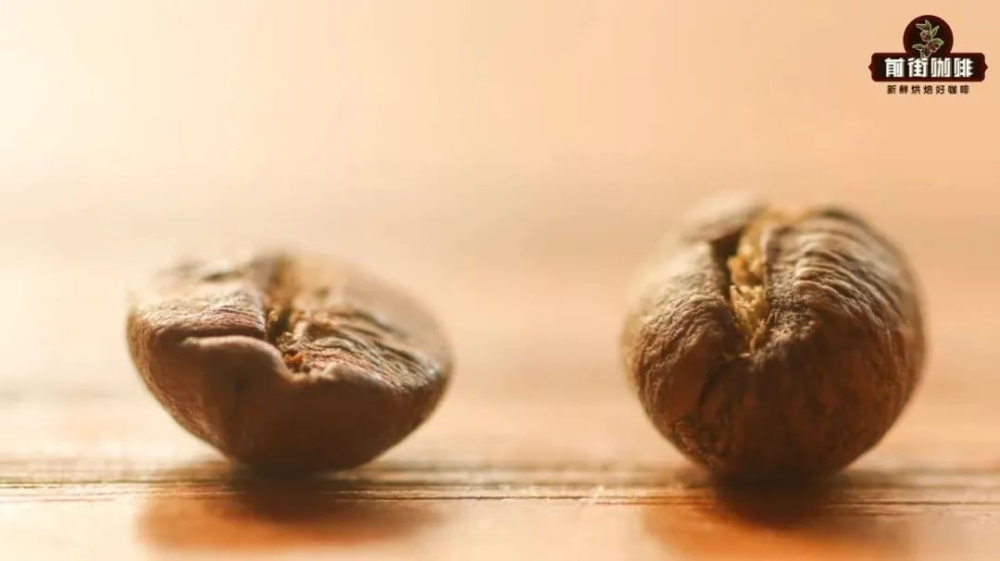
Front Street Coffee suggests that when selecting coffee beans, you can judge the flavor direction by combining variety and processing method: for bright fruit acidity, choose washed Arabica; for a rich, sweet body, look to honey-processed or natural lots.
The above content is compiled by CoffeeHunters, a coffee news website.


