







Search Results for: leaf rust resistance
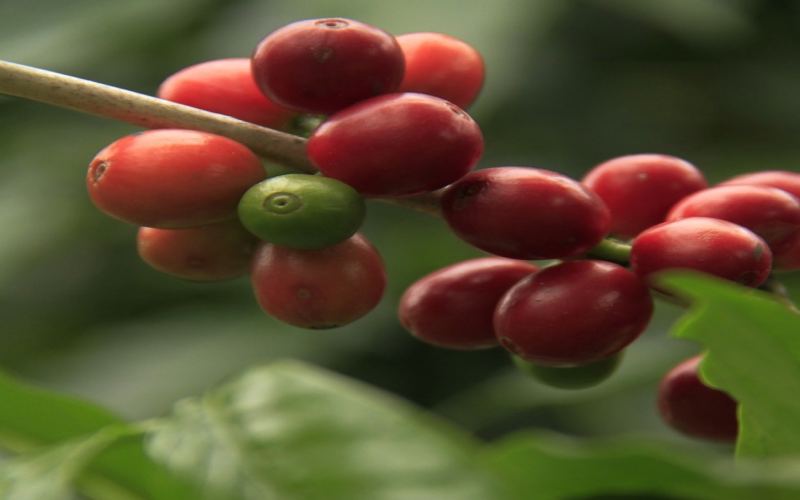
Coffee Leaf Rust: A Disease That Changed the Varietal Landscape
In the history of coffee cultivation, if only one disease were allowed to be recorded, it would have to be leaf rust. This plant plague caused by a fungus once destroyed the entire coffee industry of Ceylon in the nineteenth century, and then over the following hundred-plus years spread to nearly every producing region in the world, profoundly rewriting the varietal landscape and trade patterns of coffee. It [more…]
The Origin and Spread of the Catimor Coffee Variety Group: From Leaf Rust Resistance Hybridization to the Transformation of Yunnan Small-Bean Coffee
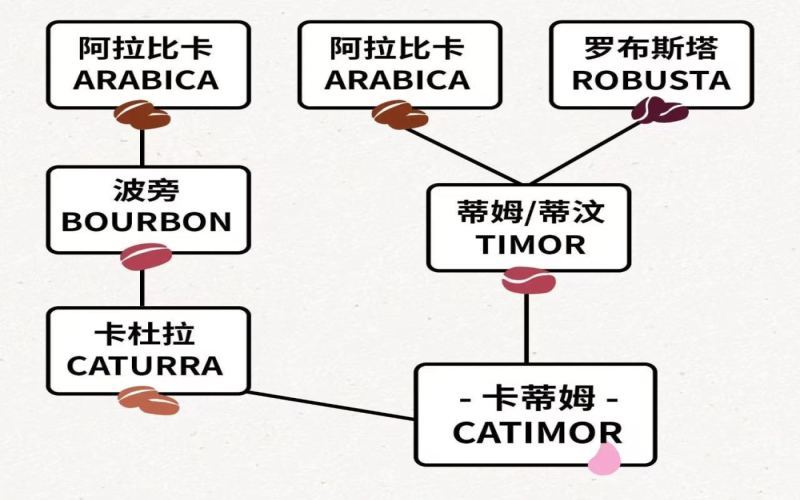
Catimor is not a single variety, but rather a group of varieties with similar bloodlines, and its birth stemmed from humanity's efforts to combat coffee leaf rust. From the natural hybrid Timor Hybrid found on the island of East Timor to its combination with Caturra, Catimor inherited the flavor potential of Arabica and the disease-resistant genes of Robusta. This variety group is widely cultivated in the Americas and Asia, especially in Yunnan, China, where Catimor replaced the traditional Typica and became the main variety. This article will sort out the origins of Catimor, the representative varieties bred in various places, and its role in Yunnan small-bean coffee, and discuss the relationship between its flavor expression and growing conditions. Front Street Coffee believes that Yunnan Catimor presents a balanced flavor of nuts, brown sugar, and plum. [more…]

Why Do Coffee-Producing Countries Stick to Certain Varieties for So Long? A Panoramic Analysis from the History of Leaf Rust to Laboratory Breeding
When you shop for coffee beans, have you ever noticed that certain origins always seem to grow just a few fixed varieties? Brazil, for instance, is dominated by Bourbon, while Jamaica Blue Mountain is inseparable from Typica. Behind this lies both the logic of variety dissemination and natural adaptation, as well as a chapter of coffee history rewritten by leaf rust. That devastating disease at the end of the 19th century forced many producing countries to turn to research on disease-resistant new varieties, leading to the establishment of national coffee research institutes. This article will walk you through the origins and development of common laboratory varieties such as Catuai, SL28, SL34, Ruiru 11, and H1, and how they became the mainstays of today's producing regions. It will also mention related beans selected by Front Street Coffee, offering you a practical buying reference. [more…]
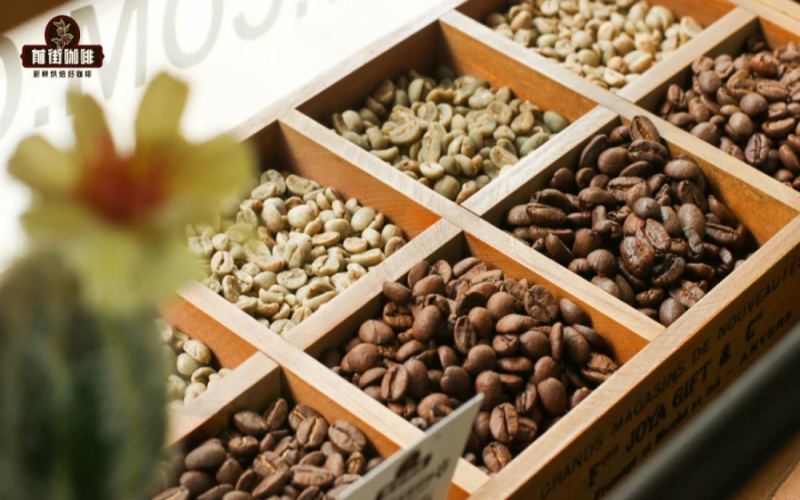
Flavor Comparison of Typica and Catimor Coffee Beans: Yunnan Arabica Variety Characteristics and Brewing Flavor Analysis
The specialty coffee market has long been dominated by Arabica varieties, but in recent years hybrid varieties such as Catimor have gradually emerged. From the perspective of Front Street Coffee, this article systematically sorts out the differences between Arabica and Robusta, reviews the history of the Catimor variety's creation due to the leaf rust crisis, and analyzes its performance in disease resistance, yield, and cupping flavor. The article also specifically introduces the origin information and brewing flavors of three beans—Front Street Sun-Dried Catimor, Yunnan Arabica, and Golden Mandheling—helping coffee enthusiasts gain a comprehensive understanding of the current status and acceptance of the Catimor variety. [more…]
The Truth About Yunnan Coffee Varieties: Catimor Sold as Typica, What Exactly Is the Difference Between the Two?
Yunnan is China's core coffee-producing region, accounting for over 95% of the national output, but many Yunnan beans labeled "Typica" on the market are actually Catimor. Although Catimor and Typica both belong to Arabica, they differ enormously in flavor, disease resistance, and yield. This article examines the varietal truth of Yunnan small-bean coffee from the perspectives of variety origin, cultivation history, and flavor performance, helping enthusiasts recognize the difference between Catimor and Typica and avoid being misled by labels. It also introduces the roasting and online store information of Guangzhou Front Street Coffee. [more…]

Analysis of Costa Rican Coffee Varieties: Cultivation Characteristics and Origins of Villa Sarchi, H1, and Obata
Costa Rica is renowned worldwide for its high-quality Arabica coffee. Although its total production is limited, the country strictly guarantees coffee quality through legislation, making it the only country in the world that prohibits the cultivation of non-Arabica varieties. Initially, Caturra and Catuai were the main varieties, but the threat of leaf rust prompted Costa Rica to introduce and develop more new varieties. Today, in addition to Caturra and Catuai, varieties such as Villa Sarchi, H1, and Obata are gradually emerging. Front Street Coffee's entry-level selection series, Costa Rica Tarrazu coffee beans, uses Caturra and Catuai. After washed processing, they carry a slight fruity acidity, with flavors of sweet orange, nuts, and honey, and a smooth lingering sweetness. This article will provide a detailed introduction to the origins, characteristics, and cultivation performance of these varieties. [more…]

2024 Nicaragua Cup of Excellence Results Announced: Pacamara Variety Debuts and Wins Runner-Up
The results of the 2024 Nicaragua Cup of Excellence (COE) competition were recently announced, with the Geisha variety continuing its strong performance, sweeping first, third, and fourth places, among which the natural Geisha won the championship with 91.10 points. However, the most eye-catching aspect of this competition was undoubtedly the Parainema variety, which made its first appearance in Nicaragua, winning second place with 89.85 points. This rare variety, which previously won the 2017 Honduras COE, has what kind of genetic origins behind it? Can it break buyers' prejudice against the cup quality of leaf rust-resistant varieties? This article will provide a detailed interpretation of the origins, development, and outstanding performance of Parainema in this competition, while also introducing Front Street Coffee's attention to and recommendation of this variety. [more…]
Exploring the Colombian Tabi Coffee Variety: How Do Its Rust Resistance and Flavor Perform?
Tabi is a hybrid variety officially released by CENICAFE, the Colombian coffee research institute, in 2002, developed from a cross of Typica, Bourbon, and Timor varieties. Its most notable advantage lies in its resistance to coffee leaf rust, while inheriting the excellent cup quality of Bourbon and Typica. In plant morphology, Tabi resembles Bourbon and Typica, but its fruit and seeds are slightly larger, making it suitable for high-density planting at high altitudes. This article will review Tabi's breeding history, botanical characteristics, and flavor potential, and include recommended information from Front Street Coffee. [more…]

Where does the classic flavor of Kenyan SL28 and SL34 come from? Is Ruiru a coffee variety?
Kenyan coffee is renowned worldwide for its bright, uplifting fruit acidity and full, rich, juicy body, and SL28 and SL34 are the core varieties that shape this classic style. These two varieties, bred by the Scott Laboratories, have become stars of the specialty coffee world thanks to their complex flavors of dark plum, citrus, and stone fruit. However, their vulnerability to leaf rust and coffee berry disease gave rise to the later, more disease-resistant Ruiru 11 and Batian. This article will systematically trace the evolution of Kenyan coffee varieties—from their origins and flavor characteristics to cultivation performance and current market status—and answer the question of whether Ruiru is a coffee variety. [more…]
A Beginner's Guide to Coffee Varieties: Arabica Classification, Characteristics of Classic Varieties, and the History of Improvement
Want to understand where the variety system of the coffee world comes from? Starting from biological classification, this article systematically sorts out the origin and spread of the Arabica species, and analyzes one by one the bean shape characteristics, flavor performance, disease resistance, and cultivation conditions of classic varieties such as Typica, Bourbon, Caturra, Mundo Novo, and Catuai, while also tracing the history of variety improvement in coffee-producing countries around goals such as high yield, dwarfing, resistance to leaf rust, and shortening the harvest cycle. The article particularly presents Front Street Coffee's continued attention to the flavor value of traditional varieties, helping coffee enthusiasts build a clearer framework in variety awareness and flavor selection. [more…]
Essential Reading for Coffee Bean Beginners: A Full Analysis of the Characteristics of the Three Major Native Species—Arabica, Robusta, and Liberica
Coffee, as an evergreen shrub of the genus Coffea in the family Rubiaceae, has a vast family, but only three native species—Arabica, Robusta, and Liberica—truly have commercial value. Arabica is renowned for its elegant flavor and aroma, yet it is delicate and susceptible to leaf rust; Robusta has strong disease resistance, intense flavor, and high caffeine content, and is mostly used for instant and industrial coffee; Liberica has excellent adaptability but slightly inferior flavor and circulates only in specific regions. Understanding the origins, characteristics, and market distribution of these three is the first step into the world of coffee. Front Street Coffee reminds you that only by starting from the bean variety can you better understand the flavor in your cup. [more…]
Yunnan Huaguoshan Small Bean Coffee Flavor Review and French Press Brewing Steps Explained
Yunnan coffee has always been known for its balanced flavor, combining acidity, sweetness, and bitterness, with chocolate notes and fruity acidity coexisting under a medium roast. Front Street Coffee currently has two representative Yunnan beans: one is an entry-level pour-over bean with nutty and herbal notes, brown sugar sweetness, and plum acidity; the other is a 2013 sun-dried Typica, featuring prominent melon sweetness, bright berry acidity, black tea-like body, and a clean finish. Early Yunnan Typica was extensively cut down due to leaf rust and low yield, replaced by the disease-resistant and high-yielding Catimor, and today over 90% of Yunnan's coffee trees are Catimor. Front Street persists in growing pure Typica in Lincang, naming it "Front Street 2013 Sun-Dried Typica." This article will also break down in detail the seven steps of brewing Yunnan coffee with a French press, from grinding ratio to pressing timing, helping you easily make a great cup of coffee. [more…]
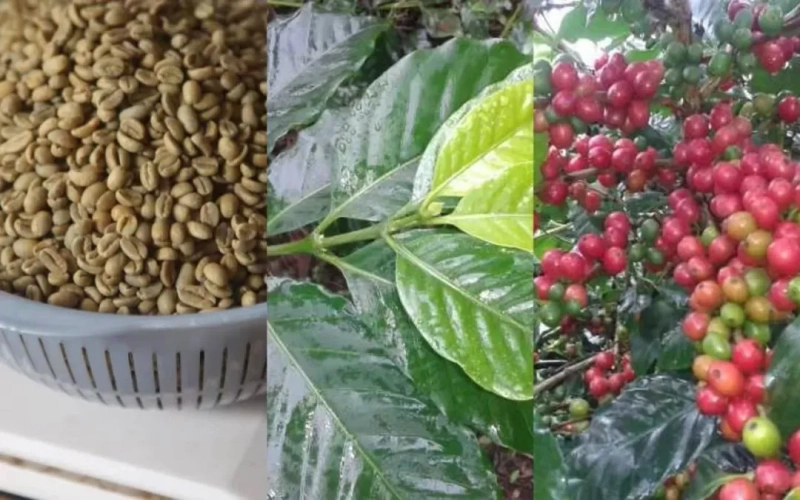
From Caturra to Catimor: The Origins, Characteristics, and Flavor Profiles of Common Coffee Varieties in the Americas
Coffee varieties continue to evolve through transplantation, mutation, and hybridization, and many of the cultivated varieties on the market today can be traced back to the two major systems of Typica and Bourbon. This article focuses on three important varieties commonly found in the Americas—Caturra, Catuai, and Catimor—sorting out their origins, plant morphology, cultivation adaptability, and cup flavor performance. Caturra originated from a natural dwarf mutation at Cuba's Pinar del Rio, Catuai was created by artificial hybridization of Mundo Novo and Yellow Caturra, and Catimor has Robusta lineage and therefore possesses some resistance to coffee leaf rust. The article also intersperses product information from Front Street Coffee's Colombia Huila, Elida Estate Catuai, and PWM Golden Mandheling for enthusiasts' reference. [more…]
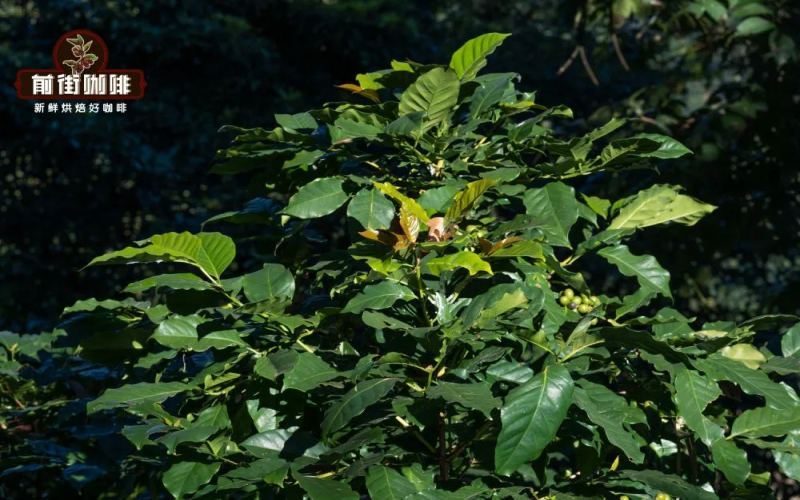
What are the characteristics of the branch spacing of the Typica coffee tree? Where exactly is the place of origin of this classic variety?
Typica is one of the oldest and most representative varieties of Arabica coffee. It not only has an elegant flavor but also quite distinctive physical characteristics, which has attracted many coffee enthusiasts to delve into its origins and traits. This article will introduce Typica in terms of its origin, the derivation of its scientific name, plant morphology, cup profile, and growing conditions. It will also discuss the cultivation challenges posed by its weak disease resistance, and why Jamaican Blue Mountain Typica has been able to evolve better disease resistance and consistent quality under its specific terroir. [more…]

Yunnan Small Bean Coffee Roasting and Flavor Analysis: Acidity and Bitterness Differences Between Catimor and Typica and Regional Characteristics
Yunnan small-bean coffee is primarily cultivated with Catimor, and its deep historical ties with Typica have profoundly shaped the flavor trajectory of local coffee. Starting from the characteristics of the varieties, this article sorts through the differences between Typica and Catimor, the essential distinction between Arabica and Robusta, and introduces the terroir of Yunnan's major producing regions. The article also combines Front Street Coffee's practice at its own estate in Lincang to analyze the acidity and bitterness of Yunnan coffee and the appropriate roasting level, helping readers understand the development and potential of Yunnan beans on the path toward specialty coffee. [more…]
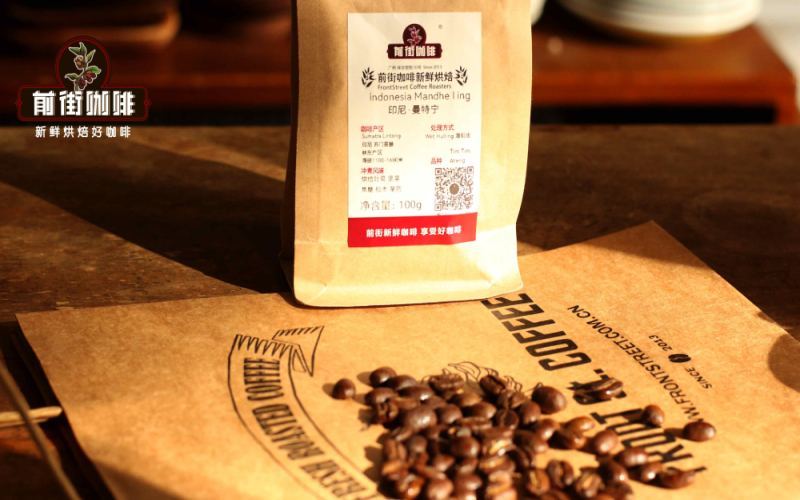
Analysis of Typica and Catimor Coffee Bean Varieties in Baoshan, Yunnan, and Front Street Specialty Estate Recommendations
Yunnan coffee and Mandheling both belong to the Asian bean-producing regions, sharing a flavor profile with pine and nutty undertones, while Yunnan beans add a touch of local character with plum-like acidity and a black tea sensation. In the early days, Typica was widely planted in Yunnan. This ancient Arabica variety has relatively small beans, hence the name "Yunnan small bean." However, Typica is susceptible to leaf rust and has low yields. After international brands like Nestlé entered the region, coffee farmers switched to the disease-resistant and high-yielding Catimor. Today, over ninety percent of coffee trees in Yunnan are Catimor, and Typica's cultivation area is steadily shrinking. Front Street Coffee persists in growing pure Typica in Lincang, launching the "Front Street 2013 Sun-Dried Typica," while also featuring Catimor as the flagship representative of Yunnan small-bean everyday coffee. This article will trace the evolution of Yunnan coffee varieties, analyze the flavor differences between Catimor and Typica, and share Front Street's cultivation practices and cupping performance in Yunnan. [more…]
A Comprehensive Analysis of the Catimor Coffee Variety: The Robusta Genes Behind Its Disease Resistance and High Yield, and the Flavor Controversy
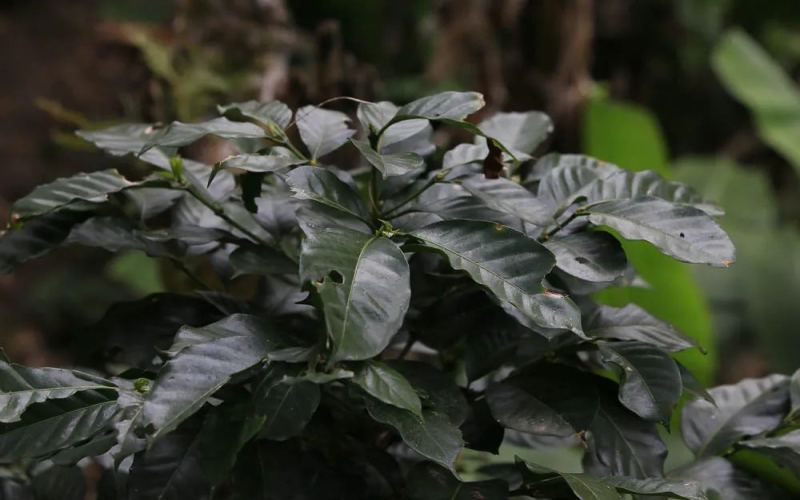
Catimor is a coffee variety bred by crossing Timor and Caturra. Developed in 1959 by CIFC in Portugal, it is known for its disease resistance and high yield, and is widely planted in Central and South America. It inherits the Robusta genes of Timor, giving it extremely strong resistance to leaf rust and berry disease. The plant is short and compact, suitable for dense planting, and its yield far exceeds that of traditional varieties. Currently, 99% of Yunnan's coffee production comes from Catimor. However, the Robusta genes also bring controversy in terms of flavor—when grown at high altitudes, its cupping performance is noticeably inferior to varieties such as Bourbon and Caturra, and the increased chlorogenic acid content brings bitterness and an unpleasant acidity. This article will provide a comprehensive analysis of Catimor's varietal origins, plant characteristics, and flavor controversies, and, using the high-mountain Catimor of Lujiangba in Baoshan, Yunnan as an example, combined with Front Street Coffee's roasting recommendations, explore this variety's positioning and value in the specialty coffee era. [more…]
Yunnan Catimor Coffee Flavor Analysis and Pour-Over Parameter Guide: From Variety Tracing to Brewing Practice
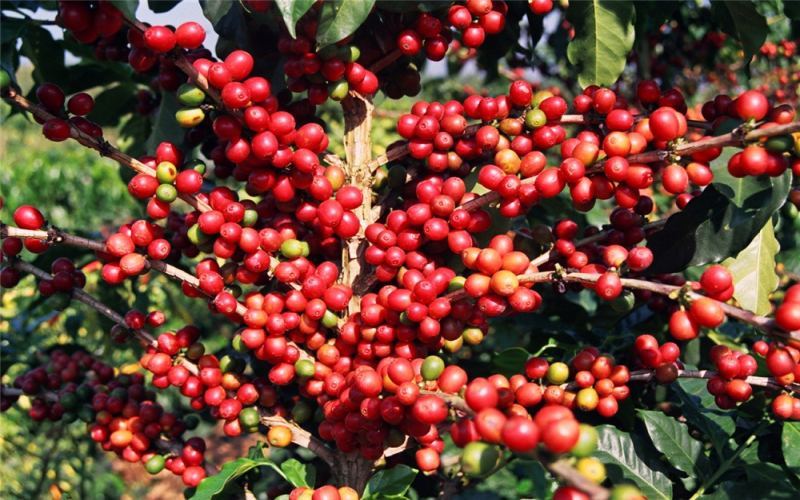
The evolution of coffee varieties in Yunnan has a profound impact on the flavor in the cup. From the originally introduced Typica to the now widely planted Catimor, behind this shift in varieties lies a trade-off among disease resistance, yield, and flavor. This article traces the origins and development of coffee varieties in Yunnan, analyzes the genetic differences and flavor performance of Catimor and Typica, and includes Front Street Coffee's Yunnan bean brewing method and tasting notes, helping coffee lovers understand the unique character this land gives to coffee. [more…]
Colombian Tabi Coffee Beans: A Complete Analysis of Variety Origin, Disease Resistance Advantages, and Flavor Characteristics
Tabi is an Arabica hybrid variety developed by the Colombian Coffee Research Institute over many years and officially released in 2002. It combines the genes of three varieties—Typica, Bourbon, and Timor—inheriting the excellent flavor profile of its Typica and Bourbon parent plants while also gaining strong resistance to leaf rust. Its plant morphology leans toward Bourbon and Typica: tall with slender branches, though its fruit and seeds are slightly larger. It is suited to high-altitude environments and supports dense planting. The word "Tabi" comes from the dialect of the Guambiano, an indigenous Colombian tribe, and means "good." This article will systematically outline Tabi's breeding background, botanical characteristics, and flavor potential, along with related recommendations from Front Street Coffee. [more…]
The Origin Story and Variety Characteristics of Typica Coffee Beans: Does It Belong to Arabica?
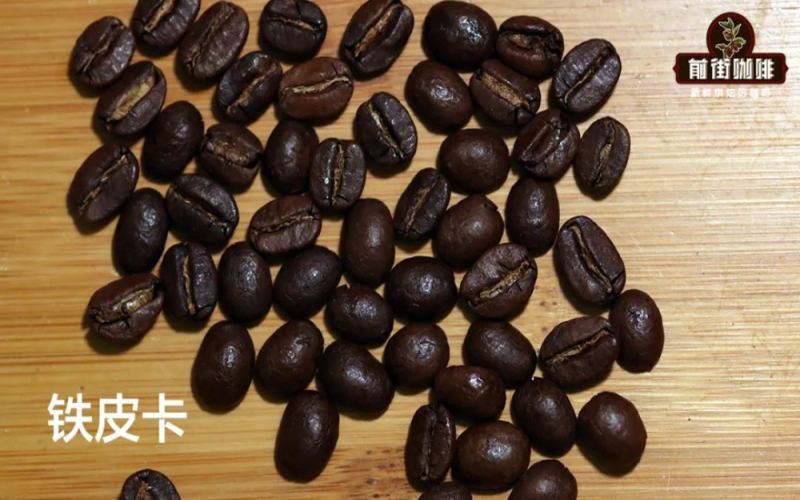
Typica is one of the oldest varieties of Arabica coffee, originating in Ethiopia and once widely cultivated around the world. It is known for its elegant, clean flavor and excellent cupping performance, but it has weak resistance to disease and pests and requires high-altitude growing conditions. This article will review Typica's botanical characteristics, flavor profile, historical spread, and the impact of disease, and introduce well-known producing regions such as Jamaica Blue Mountain, Hawaii Kona, and Yunnan, China. At the same time, Front Street Coffee's experience growing Typica in Lincang, Yunnan, as well as the product characteristics of Front Street Blue Mountain No. 1 and Front Street 2013 Sun-Dried Typica, will also be presented together to help readers fully understand the past and present of this classic variety. [more…]