







Yunnan coffee and Mandheling both belong to the Asian coffee-producing region, sharing a flavor profile with pine and nutty base notes, while Yunnan beans add a touch of local character with plum-like acidity and a black tea sensation. In the early days, Typica was widely planted in Yunnan. This ancient Arabica variety has smaller beans, hence the name "Yunnan small bean." However, Typica is susceptible to leaf rust and has low yields. After international brands like Nestlé entered, coffee farmers switched to the disease-resistant and high-yielding Catimor. Today, over ninety percent of coffee trees in Yunnan are Catimor, and Typica cultivation is shrinking. Front Street Coffee insists on growing pure Typica in Lincang, launching the "Front Street 2013 Sun-Dried Typica," while also using Catimor as the representative everyday Yunnan small bean. This article will trace the evolution of Yunnan coffee varieties, analyze the flavor differences between Catimor and Typica, and share Front Street's planting practices and cupping performance in Yunnan.
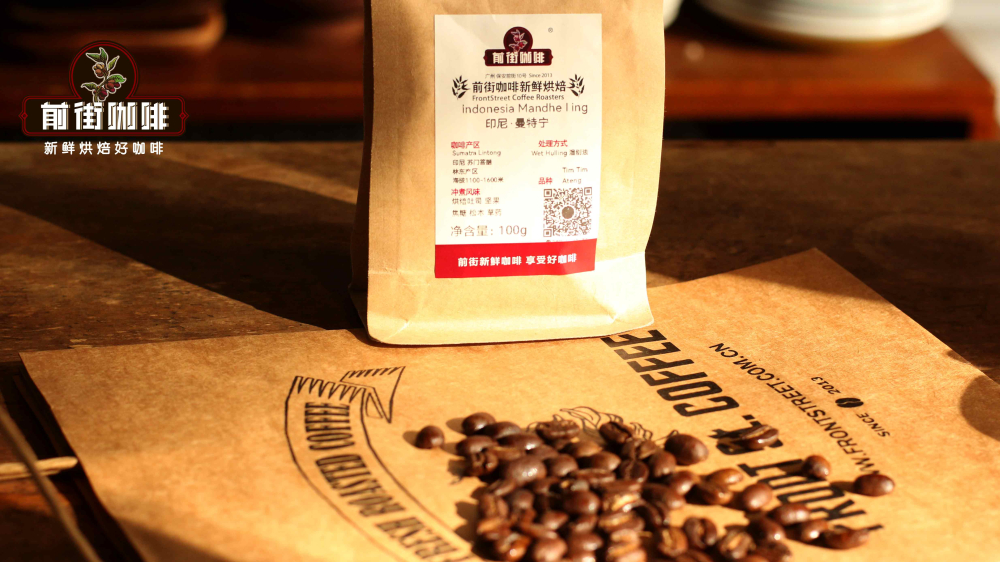
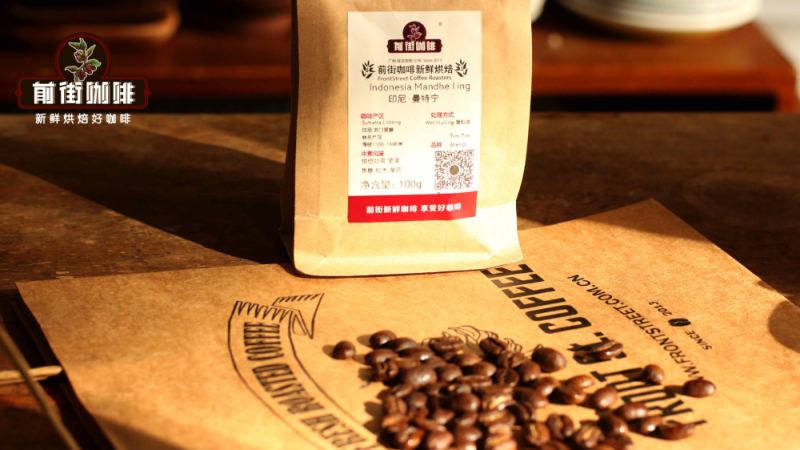
Yunnan coffee and Mandheling coffee both belong to the Asian coffee camp and share a certain genetic relationship in varieties, so both exhibit pine and nutty notes in their flavors. However, Yunnan beans also carry a distinct regional character, expressed as plum-like acidity and a black tea-like aftertaste.
Looking back at history, the earliest coffee variety planted in Yunnan was Typica. After the reform and opening up, a large number of international coffee brands poured into Yunnan. Because Typica is susceptible to coffee leaf rust and has low yields, it was gradually cut down by coffee farmers, replaced by the higher-yielding and more disease-resistant Catimor.
In "The Professional Coffee Bible," Han Huaizong mentions when introducing China's coffee-producing regions that in 1998, over ninety percent of Yunnan coffee varieties were Catimor. Catimor was bred in 1959 by the Portuguese Coffee Leaf Rust Research Center CIFC, a hybrid offspring of Timor and Caturra. This variety has high productivity, a short plant suitable for dense planting, and excellent disease resistance. But Catimor carries Robusta genes, occasionally showing bitterness and grassy flavors, and is slightly inferior to pure Arabica in cleanliness, fruity notes, and complexity.
Robusta has good leaf rust resistance and rich oils, with high yields and easy cultivation. After hybridization with Arabica Typica, Catimor obtained 25% Robusta genes, enhancing leaf rust resistance while retaining rich oils, and also inheriting some of the rich flavors of the Typica native species. According to Front Street, most estates in Yunnan are currently planting Catimor on a large scale, and the cultivation range of Typica continues to shrink.
As for the current situation, the vast majority of coffee trees in Yunnan are Catimor. Front Street Yunnan small bean coffee uses precisely this variety, serving as the flagship representative of Front Street Yunnan coffee. In the early stages, Yunnan coffee was planted with Typica. As an ancient Arabica branch, Typica beans are smaller in size, hence the name "Yunnan small bean," and local coffee farmers also call it "the old variety." So why did Yunnan switch to Catimor and abandon the higher-quality Typica? One reason is excessive cost. In the early days when Yunnan planted Typica, the concept of specialty coffee was not yet widespread, and coffee beans were mainly measured by futures prices. In the 1990s, Nestlé introduced the high-yielding Catimor to Yunnan for producing instant coffee raw materials.
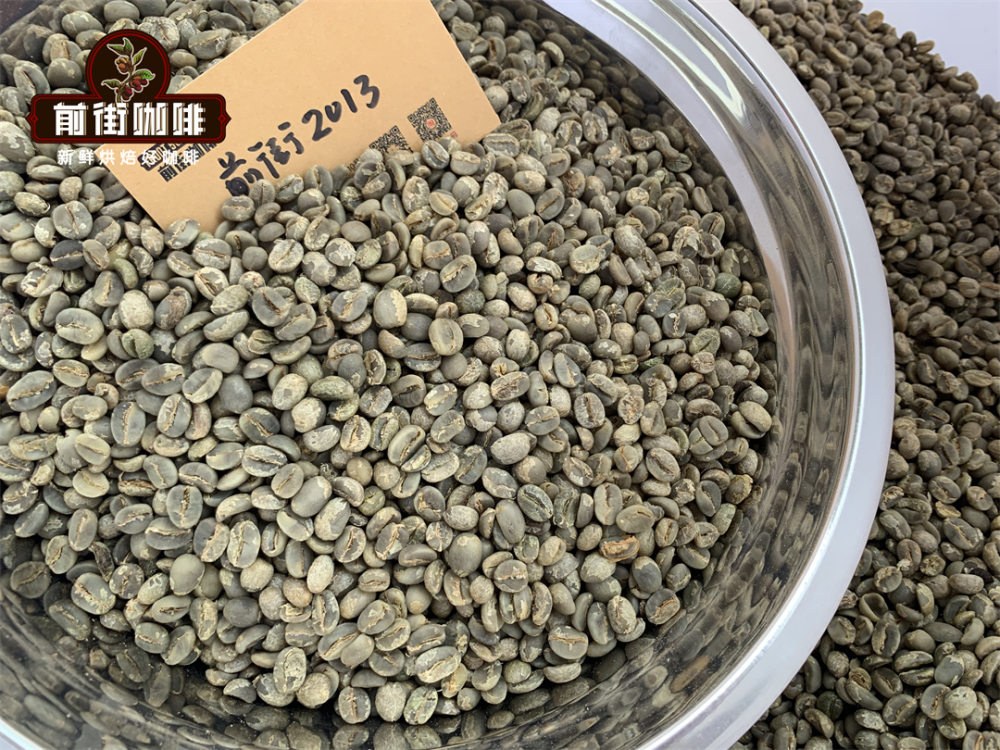
What Front Street grows in Lincang, Yunnan, is pure small bean coffee, namely the Typica variety. Planting began in 2013, hence the name "Front Street 2013 Sun-Dried Typica." This bean has a pure flavor with soft, moderate acidity, but low yields and high susceptibility to disease, so few coffee farmers are willing to grow it.
Front Street believes that Yunnan coffee's flavor profile is relatively balanced, combining acidity, sweetness, and bitterness, so a medium roast is used to highlight chocolate aromas while retaining some acidity. From Front Street's cupping, the Front Street Yunnan small bean everyday coffee shows nutty and herbal aromas, brown sugar sweetness, and plum acidity, with a balanced mouthfeel. The sun-dried Front Street 2013 has higher fruity and melon sweetness, a full-bodied black tea character, and chocolate richness, with a clear overall flavor and a clean aftertaste.
The above content is compiled by CoffeeHunters, a coffee news website.


