







How Do Yunnan Coffee Varieties Change the Cup?
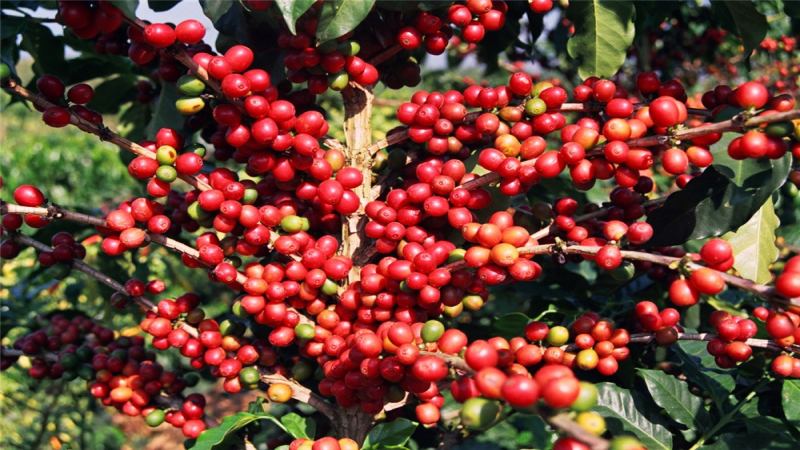
Yunnan coffee began with Typica, the classic Arabica small-bean variety, which cups with rich aroma and a delicate, varied flavor but yields little and is prone to rust disease. After Nestle entered Yunnan, farmers were guided toward hardier, higher-yielding plants, first S288 and then Catimor. Most trees planted in Yunnan today are Catimor, so Yunnan small-bean coffee is essentially Catimor.
"Small bean" describes the smaller-seeded Arabica types, distinguishing them from the medium-beaned Robusta grown in Hainan. Because coffee is a crop farmers depend on for income, low-yielding Typica proved hard to sustain, and most growers switched to Catimor. Variety, climate, altitude, soil, and management together shape flavor, which is why Front Street pairs Yunnan beans with defined pour-over parameters and tasting notes.
The varietal changes in Yunnan coffee profoundly influence the flavor in the cup. From the originally introduced Typica to the widely planted Catimor today, the shift in varieties reflects a trade-off between disease resistance, yield, and flavor. This article traces the varietal origins of Yunnan coffee, analyzes the genetic differences and flavor performance of Catimor and Typica, and includes Front Street Coffee's Yunnan bean brewing plan and tasting notes, helping coffee enthusiasts understand the unique character this land imparts to coffee.
For more specialty coffee knowledge, welcome to follow: Front Street Coffee (Frontsteet Coffee)
Yunnan small-bean coffee The starting point of coffee cultivation in Yunnan is the small-bean species, which is what Front Street calls small-bean coffee, scientifically known as Arabica. The term "Yunnan small bean" originally derives from Typica, because Typica is the representative of the Arabica small-bean species. The oldest coffee variety in Yunnan is Typica. After Nestlé entered Yunnan, Typica's disease resistance proved inadequate. To increase coffee bean yield, coffee farmers were guided to cut down the excellent-flavored Typica trees and plant varieties with slightly inferior flavor but stronger disease resistance and higher yield. The first introduced was S288, resistant to leaf rust, followed by the more productive Catimor. In other words, the coffee trees currently planted in Yunnan are mainly Catimor, and Yunnan small-bean coffee is essentially Catimor variety coffee.
"Small bean" refers to the smaller-beaned varieties within Arabica, used to distinguish it from the medium-beaned Robusta grown in Hainan. The coffee trees initially introduced to Yunnan were two pure Arabica species, Typica and Bourbon, with the ancient Typica being recognized as a high-quality variety. The famous Jamaican Blue Mountain coffee belongs to the Typica species, with a rich aroma and delicate, varied flavor, but extremely low yield and susceptibility to rust disease, requiring more manpower for management. Coffee is, after all, a crop that Yunnan farmers rely on for their livelihood; yields that are too low cannot guarantee income, making cultivation hard to sustain, so most Yunnan farmers switched to the higher-yielding Catimor.
As a crop, coffee's flavor is always closely related to variety, climate, altitude, soil, management, and other factors, and is a true reflection of the variety and local terroir. The Yunnan small-bean coffee on the market today belongs to the Catimor variety, and its flavor naturally cannot match Typica. However, Yunnan beans are also Asian beans, possessing the basic characteristics of Asian beans, such as herbal notes, some nutty tones, and fruit acidity. Overall not bitter and not sour, it is also a quite good coffee.
Typica
Typica is the oldest native variety of Ethiopia, discovered around the 15th to 16th centuries AD. Its characteristics are a taller coffee tree, bronze-colored top leaves, and larger, longer coffee beans with pointed, upturned ends, resembling an egg. Typica coffee often has citrus acidity, a sweet aftertaste, and is praised by many as an elegant, clean coffee bean. Unfortunately, its low yield and poor resistance to leaf rust have led farmers to gradually replace it with more robust varieties.
Typica was introduced to Jamaica in the 18th century by Sir Nicholas Lawes, and soon spread to Blue Mountain cultivation, with a history of over two hundred years. Blue Mountain's Typica has also adapted to the local island tropical rainforest climate, evolving stronger disease resistance, especially much greater resistance to coffee berry disease than ordinary Typica. Front Street believes that Blue Mountain's delicate, clean flavor cannot be separated from Jamaica's careful cultivation of the Typica variety, allowing Typica to integrate into the local terroir, and the excellent terroir and unique microclimate of the Blue Mountains also deserve credit. Front Street uses a medium-dark roast to maximize the coffee's chocolate and nutty aromas while retaining soft acidity and sweetness, bringing the overall taste into balance.
Catimor
Most coffee varieties currently grown in Yunnan are Catimor. Typica coffee trees are prone to coffee leaf rust, and combined with low yields, local coffee farmers had to painfully cut down this elegant-flavored variety and switch to the higher-yielding, leaf-rust-resistant Catimor.
In Han Huaizong's book "Specialty Coffee Studies," the introduction on China's coffee-producing regions mentions that in 1998, over 90% of Yunnan's coffee varieties were Catimor.
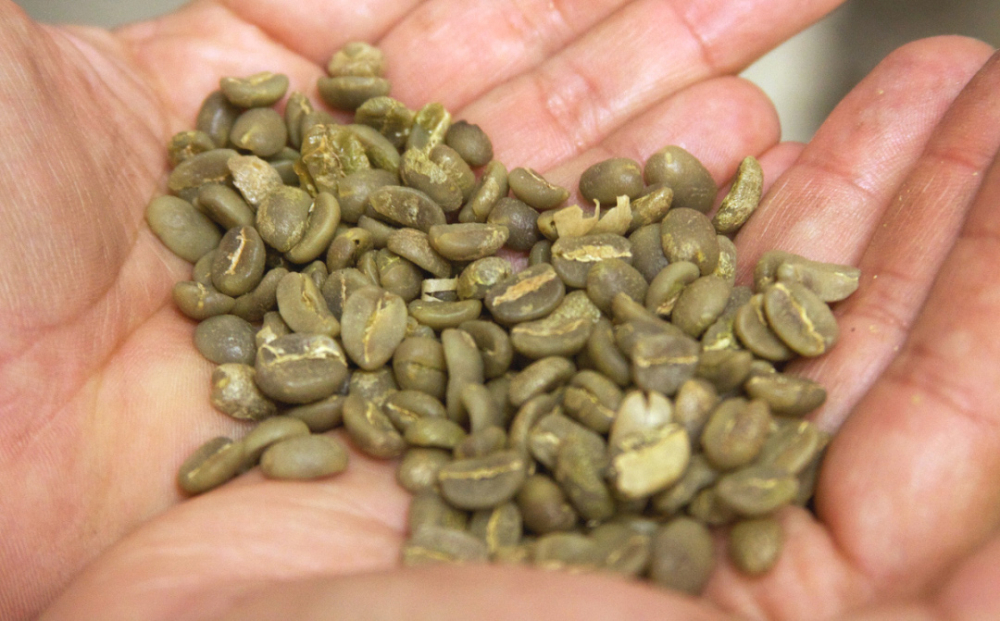
Catimor is a new variety developed in 1959 by the Portuguese Coffee Leaf Rust Research Center CIFC, hybridized from Timor and Caturra. Its characteristics are high productivity, short plants that can be densely planted, and good disease resistance. However, Catimor carries Robusta genes, and its bitterness and grassy odor are more pronounced than pure Arabica, with slight disadvantages in cleanliness, fruity notes, and richness. The Robusta species has strong leaf rust resistance, rich oils, high yield, and is easy to cultivate. After hybridizing with the Arabica species Typica, Catimor obtained 25% Robusta genes, which improved leaf rust resistance, retained rich oils, and also inherited some of the flavor of the native Typica species. Therefore, most Yunnan estates have begun large-scale planting of Catimor, and the cultivation range of Typica is gradually shrinking.
Arabica coffee
The Arabica species (scientific name Coffee Arabica), also called small-bean coffee, originated in Ethiopia. Initially, Arabica coffee was mainly consumed as medicine, and later people developed the habit of roasting it for drinking. In the 16th century, it was spread around the world by Arabs through trade, gradually developing into today's popular beverage. Many of the specialty coffee beans we know belong to the Arabica variety, such as Jamaican Blue Mountain coffee, Panama Geisha coffee, Ethiopian Yirgacheffe coffee, and so on.
The Arabica species is a larger shrub, suitable for growing in mountainous environments at altitudes of 600-2200 meters (Ethiopia also has cases where it can be grown at extremely high altitudes up to 2350 meters with excellent quality), temperatures of 15°-24°C, and annual rainfall of 1200-2200 mm. The leaves are oval and dark green, and the fruit is also oval, generally containing two slightly flat beans. The bean body is rounded, the front is elongated oval with a narrow, curved S-shaped center crack, and the arc on the back of the bean is relatively flat.
Arabica's chlorogenic acid is relatively low, about 5.5% to 8%. Besides being an antioxidant, chlorogenic acid is also an important component for resisting pests, so Arabica is more susceptible to pest damage and also more affected by climate. It is generally planted at higher altitudes, bears fewer and slower fruit, and therefore produces fewer coffee beans per hectare than Robusta, making Arabica's cultivation cost much higher.
The flavor of Arabica coffee
The bitterness we taste when drinking coffee mainly comes from chlorogenic acid in coffee. Robusta has higher levels of caffeine, amino acids, and chlorogenic acid, so Robusta inherently lacks the ethereal aroma unique to Arabica beans, replaced by a fuller, deeper bitterness. Arabica has lower caffeine content, about 0.9% to 1.2%, and 60% more fat content than Robusta coffee. Compared to the intensely flavored Robusta bean, Arabica has lower caffeine content and twice the sugar content of Robusta beans, so Arabica coffee tastes soft, has high sweetness, and layered acidic aroma, making it everyone's first choice for drinking coffee.
(Arabica on the left, Robusta on the right)
Main Yunnan coffee-growing regions
Currently, Yunnan coffee is mainly grown in Pu'er, Wenshan, Baoshan, Dehong, and Lincang in southern and western Yunnan.
Dehong: Known as the "Hometown of Chinese Coffee." The coffee-growing altitude in Dehong Prefecture is all above 1000 meters, with 30,000 mu planted on mountain terrain above 1600 meters. In addition, Dehong Prefecture mainly uses organic fertilizers and organic pesticides for coffee cultivation, producing relatively high-quality coffee, making it one of the world's rare high-quality coffee-producing regions.
Baoshan: Coffee cultivation in Baoshan began in the mid-1950s, with the first coffee seedling introduced from Southeast Asia by the late patriotic overseas Chinese Mr. Liang Jinshan. In recent years, with the expansion of international trade, the small-bean coffee of Lujiangba has become famous far and wide. European, American, and Arab countries, especially merchants from Britain, the United States, Egypt, Hong Kong, and Macau, all regard it as a premium coffee, and the product is in short supply. In December 2010, upon review by China's General Administration of Quality Supervision, Inspection and Quarantine, it was decided to implement national geographical indication product protection for "Baoshan Small-Bean Coffee."
Lincang
Lincang City is located in southwestern Yunnan Province. The Tropic of Cancer passes through its south. It borders Pu'er to the east, Dali to the north, Baoshan to the west, and Myanmar to the southwest. Therefore, it is also called the Lancang River, a shining pearl on China's southwestern border. Lincang City's annual average temperature is between 16.8 and 17.2°C, with distinct dry and wet seasons and abundant sunshine. Due to its unique geographical location and climatic conditions, Lincang City has become the focus of many coffee enterprises. In Mengding Town of Gengma Autonomous County and Lincang Happy Farm, 200-mu and 100-mu high-quality coffee seedling bases were established respectively, and coffee cultivation was carried out in Gengma, Zhenkang, Yunxian, Cangyuan, and Yongde. Its unique geographical location and climatic conditions have made Lincang the focus of many coffee enterprises, and successively within the city, 200-mu and 100-mu high-quality coffee seedling bases were established in Mengding Town of Gengma Autonomous County and Lincang Happiness Farm respectively, with coffee cultivation carried out in Gengma, Zhenkang, Yunxian, Cangyuan, Yongde, and other places.
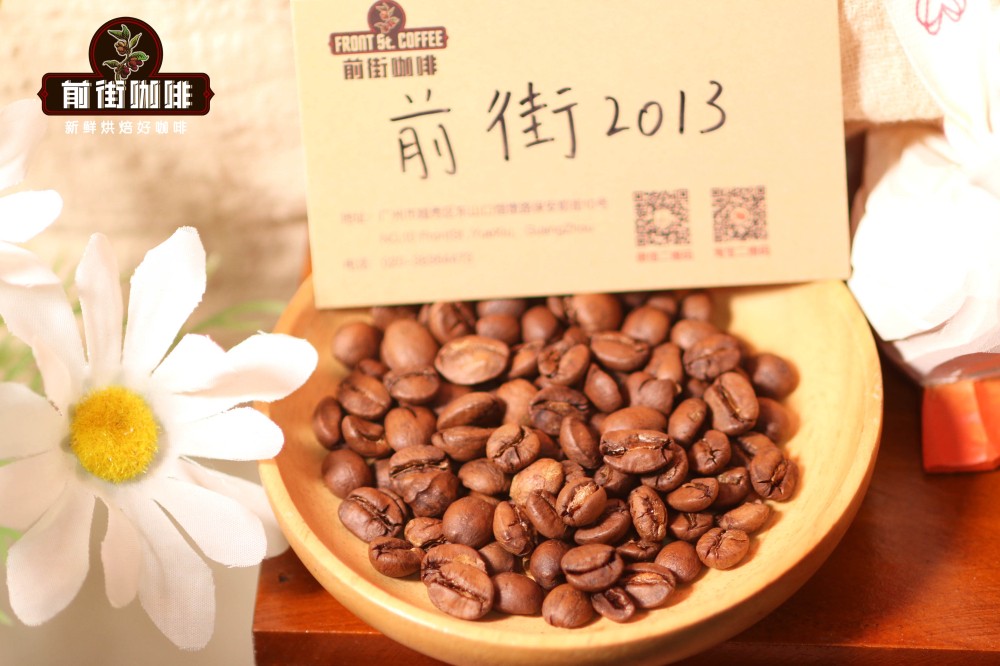
Front Street Coffee (FrontStreet Coffee) has set up its own estate in the Lincang production region of Yunnan. Front Street selected and bred the Typica variety, a pure Arabica species with better flavor than the Catimor currently grown in Yunnan. From seedling to first fruiting takes at least 4-5 years, which is why Yunnan coffee farmers, even knowing Catimor's flavor is inferior, are unwilling to push down and replant. Front Street's first batch of self-produced Yunnan coffee beans from 2020-21, named "Front Street 2013," received unanimous praise.
Processing methods for Yunnan coffee beans
Yunnan's weather is rainy and foggy, so washed processing has become the most commonly used method for Yunnan coffee. Of course, there are also sun-dried processed ones, such as Front Street's sun-dried Catimor coffee and Front Street 2013 sun-dried Typica coffee.
Washed processing method: The harvested cherries are passed through a depulper to separate most of the pulp from the coffee beans, then the parchment beans are guided into a clean water tank and soaked in water for fermentation to thoroughly remove the remaining pulp layer. Through washed processing, unripe beans and defective beans are selected out due to buoyancy, and the fermentation process is also easier to control, so the flavor does not have the off-flavors of sun-dried beans, but presents distinct fruit acidity, slightly stronger complexity, and cleaner cup characteristics.
Front Street's brewing parameters for Yunnan coffee:
In order to preserve the sweet-sourness and tea-like characteristics of Yunnan coffee, Front Street Coffee (FrontStreet Coffee) gives it a medium roast. When brewing, you can use a V60 dripper, a 1:15 coffee-to-water ratio, medium grind (about the size of coarse granulated sugar / 75% passing rate through China No. 20 standard sieve), and 88°C water temperature.
Use staged extraction, blooming with 2 times the coffee powder weight in water, i.e., 30 grams of water for a 30-second bloom. The reason a blooming process is needed is to allow the coffee powder to release its internal carbon dioxide gas, thereby making the later extraction more stable. Pour in a small stream in a circular motion until 125 grams, then pause, continue pouring until 225 grams and stop. After the water in the dripper has dripped through, remove the dripper. Start timing from the beginning of pouring; the extraction time is 2'00". Next, pick up the entire cup of coffee and shake it evenly, then pour it into a cup for tasting.
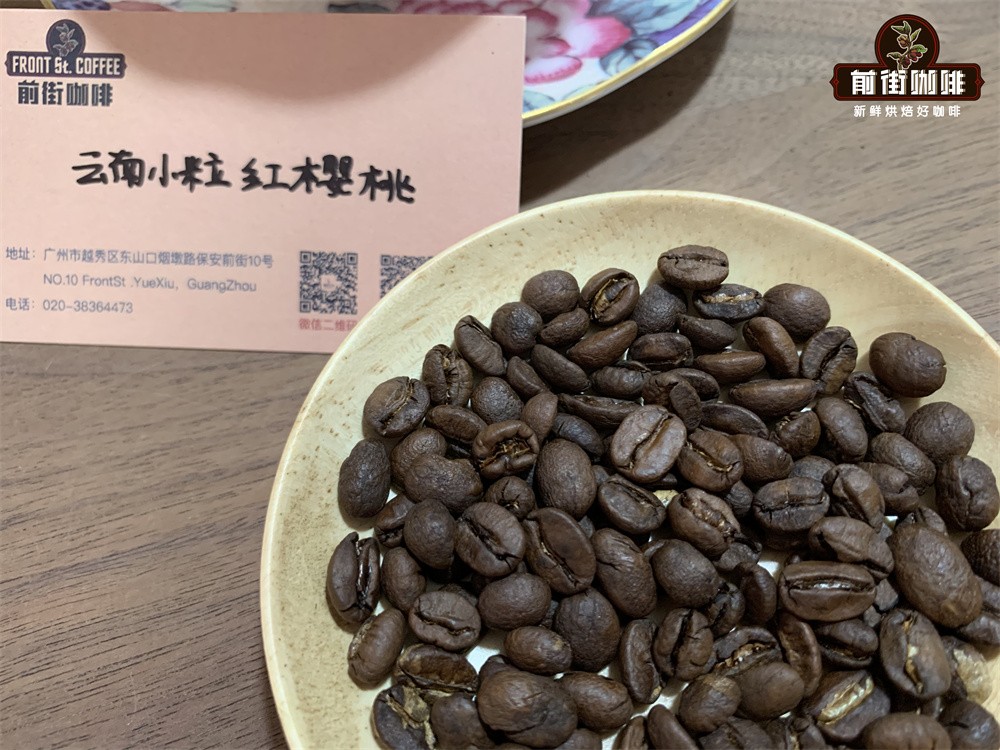
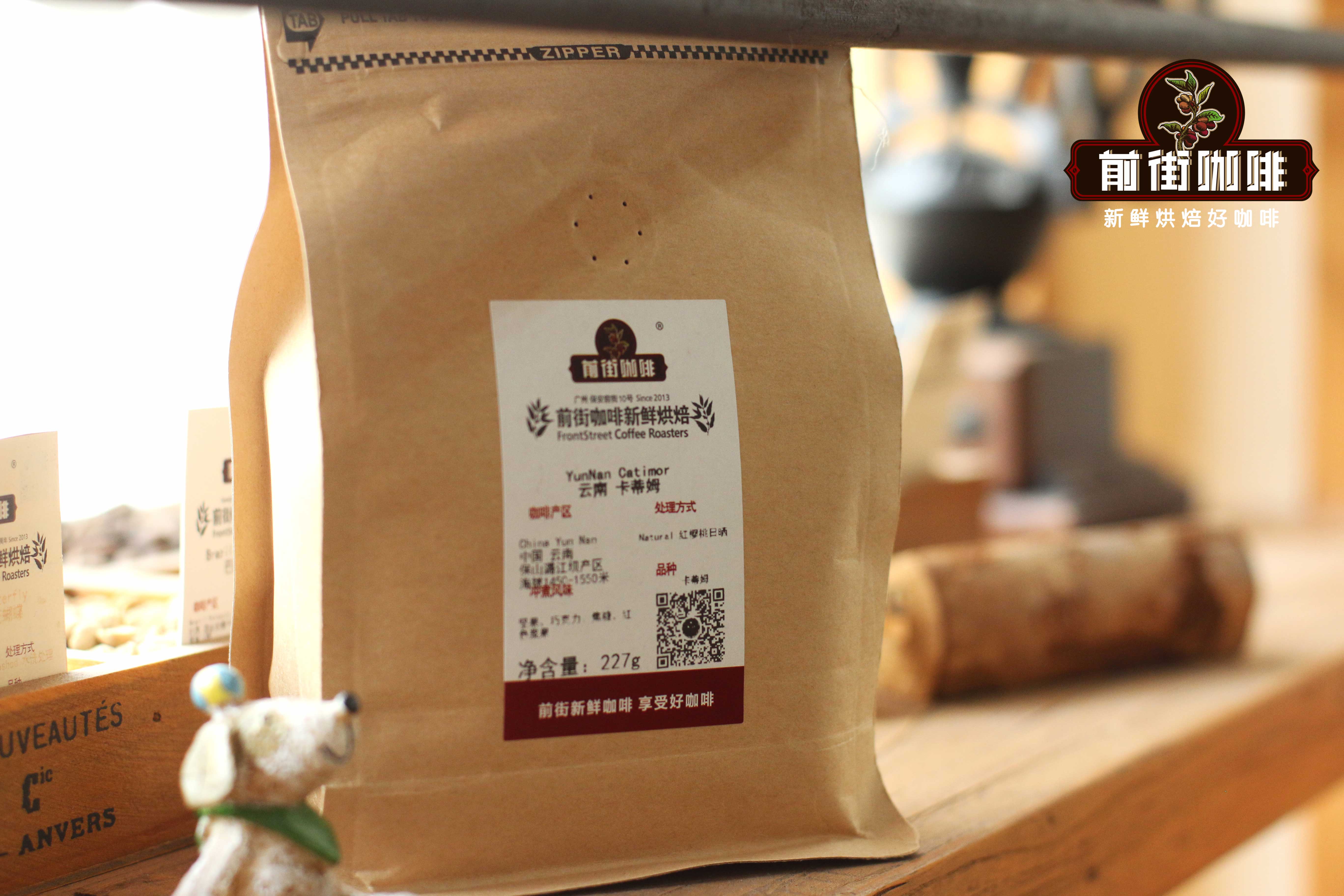
[Front Street Washed Yunnan Small-Bean Coffee Flavor] Herbal, nutty aroma, chocolate, caramel, with a slight faint fruit acidity in the aftertaste.
[Front Street Yunnan Sun-Dried Catimor Coffee Flavor] Performance: nuts, chocolate, spices, caramel, plum.
[Front Street 2013 Sun-Dried Typica Coffee Flavor] With nutty tones, the mouthfeel is more substantial than washed Yunnan coffee, with slightly lower acidity than washed Typica Yunnan coffee, but a bit more sweetness, higher balance, berry-like acidity, mixed with brown sugar, and a slight tea note.
The above content is compiled by CoffeeHunters, a coffee news website.


