







Search Results for: intermodal dry canal
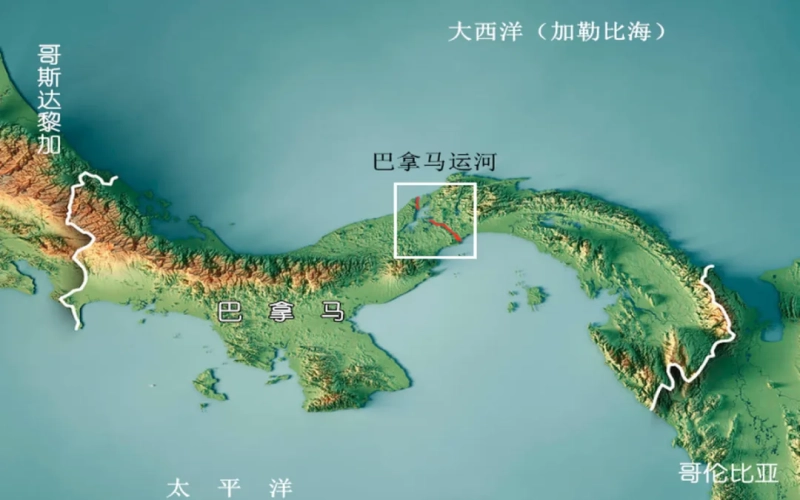
The Panama Canal is hit by drought, and the government has launched a multimodal "dry canal" plan to ease trade pressure.
The global climate anomalies triggered by El Niño continue to intensify, and the Panama Canal is facing a severe drought test. The navigation capacity of this golden waterway connecting the two oceans has declined sharply, affecting about 3% of global maritime trade, with exports of agricultural products such as coffee from Central America bearing the brunt. To alleviate canal congestion and insufficient capacity, the Panamanian government has launched a "multimodal dry canal" plan, attempting to open alternative routes using existing roads, railways, and port facilities. At the same time, the coffee tree reforestation project previously invested in by the canal authority is also progressing slowly. This article will sort out the specific impact of the drought on the canal and the coffee trade, and explain the operating concept and potential benefits of the new plan. [more…]
Brazilian weather disruptions combined with a stronger currency keep coffee prices elevated, while the Red Sea and Panama Canal intensify supply chain pressures.
Recently, Arabica and Robusta coffee prices have continued their upward trend. Weather forecasts for Brazil's producing regions show a downward revision in the probability of rainfall, while the real has risen to a near one-and-a-half-week high against the US dollar, dampening the pace of exports. Robusta inventories have fallen to historic lows, and sellers in Vietnam are also holding back supply, while tensions in the Red Sea and drought in the Panama Canal have further pushed up shipping costs. With multiple factors intertwined, the global coffee supply chain is facing a severe test. [more…]
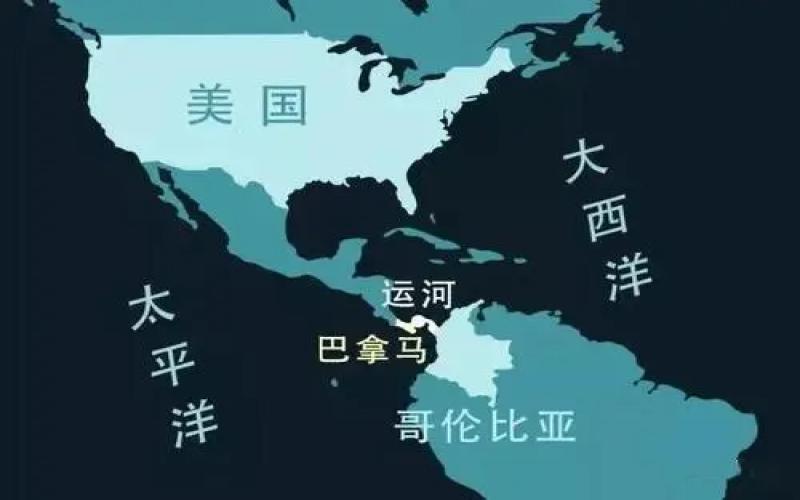
Panama Canal Drought Crisis Spurs Coffee Reforestation Plan: Fifteen-Year Project Helps Ease Water Pressure
The Panama Canal has faced severe drought in recent years, with water levels continuing to drop, threatening not only global shipping trade but also local agricultural production. A fifteen-year coffee planting incentive program has been launched in the Capira district west of the canal, encouraging coffee farmers to expand Robusta bean cultivation and restore soil and river ecosystems through reforestation. The Panama Canal Authority has invested US$32 million, benefiting about 1,700 farmers. This move can both boost coffee farmers' incomes and help ease the canal's water source crisis. Amid high coffee prices, Front Street Coffee continues to monitor developments in producing regions and bring frontline news to enthusiasts. [more…]
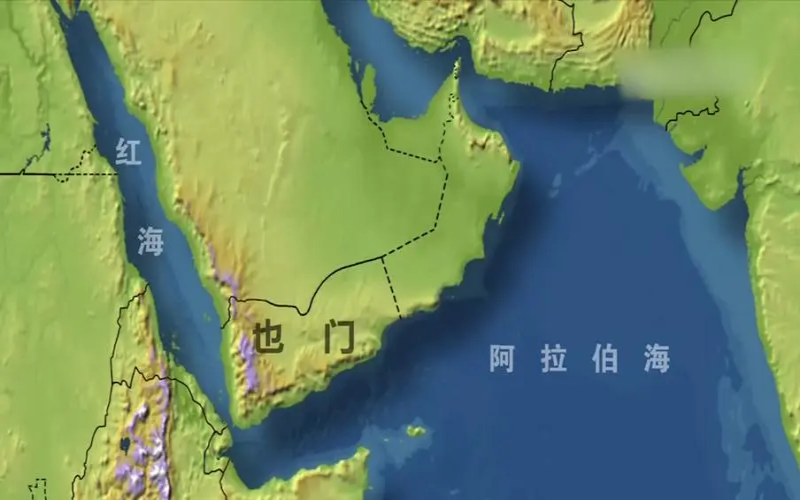
Red Sea shipping disruptions drive up coffee transport costs, war risk surcharges introduced, global prices continue to climb
Recently, the security situation in the Red Sea and the Gulf of Aden has remained tense, causing most shipping companies to suspend or adjust routes through the Suez Canal and instead divert around the Cape of Good Hope. In its latest monthly logistics report, Swiss coffee trader Sucafina noted that frequent armed attacks have sharply increased risks near the Bab-el-Mandeb Strait; some carriers have resumed passage, but several companies, including CMA CGM and Maersk, have announced they will impose war risk surcharges. Route changes have extended shipping cycles by 2 to 3 weeks, reduced container turnover efficiency, and tightened capacity, which may further push up freight rates. Meanwhile, coffee transport in East African producing regions has been disrupted by truck and fuel shortages, with severe congestion at ports such as Dar es Salaam. Although Vietnamese robusta coffee prices have edged down slightly, Brazilian coffee prices have continued to rise on drought concerns. Front Street Coffee notes that supply chain pressure is transmitting from the shipping side to the consumption side, and coffee prices still face upside risks in the short term. [more…]
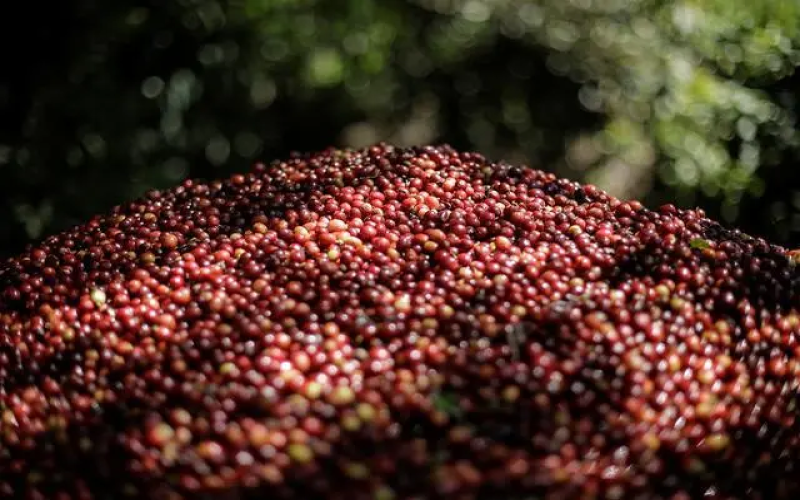
Extreme weather combined with labor loss puts Central America's coffee industry under pressure, pushing up international prices
The coffee industries of several Central American countries have recently encountered multiple challenges. In Costa Rica, unstable rainfall and labor shortages are expected to cause a production decline of about 13% in the 2023/24 season. In Nicaragua, affected by El Niño, drought persisted until mid-May, political factors have led to large-scale emigration, and labor shortages threaten harvest quality. The drought crisis at the Panama Canal remains unresolved, shipping costs are rising, and labor protests have delayed coffee harvesting. Together, these multiple factors are keeping coffee prices at high levels. [more…]
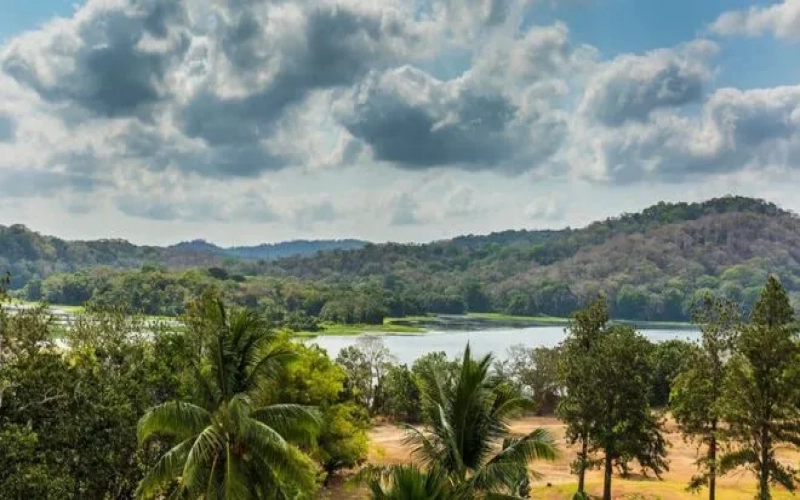
Panama Climate Change Warning: Rainfall to Decrease and Temperatures to Rise by 2050, Coffee and Other Agricultural Exports Face Challenges
Panama's National Adaptation Plan (NAP) project recently released a report that, using global models and nearly 30 years of meteorological data, simulated the country's climate trajectory for 2050 to 2070. The results show that reduced rainfall and rising temperatures will directly impact Panama's agricultural production, especially the cultivation and trade of export crops such as coffee and bananas. At the same time, shipping through the Panama Canal and hydroelectric power generation will also face greater pressure due to drought. This article will walk you through the report's core findings and their potential impact on the coffee industry. [more…]
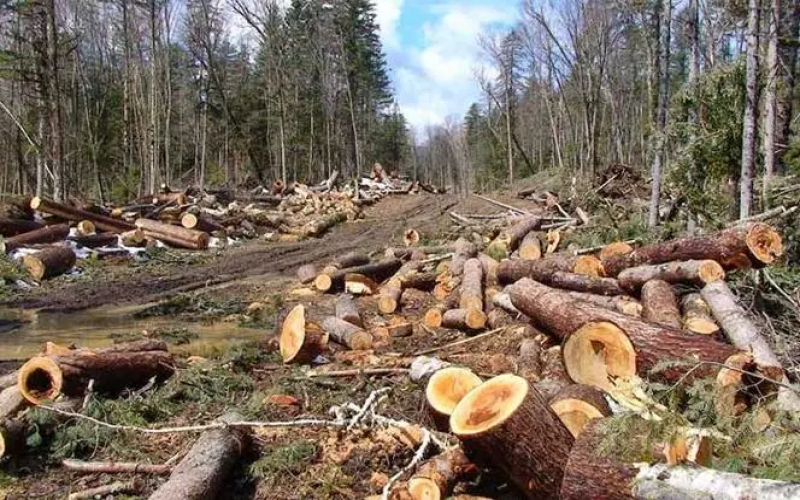
Coffee Trade Impasse Shows Signs of Relief: Shipping Lanes Poised to Reopen—Can Returning Supply Bring Coffee Prices Down?
Recently, the coffee market has experienced a noticeable price increase, driven by a mix of extreme weather, new EU regulations, shipping disruptions, and geopolitical conflicts. The El Niño phenomenon has led to reduced production and exports in several coffee-producing countries, the EU Deforestation Regulation has made importers hesitant to move forward, and the drought in the Panama Canal along with armed threats in the Red Sea have extended shipping times. Add to that war and inflation suppressing consumption and high interest rates driving up trade costs, and coffee futures prices soared at one point. However, some positive signals have emerged recently: El Niño is expected to weaken after March-April 2024, and production and exports from producing countries may recover; meanwhile, the "Operation Prosperity Guardian" initiative has given shipping companies hope of returning to Red Sea routes. Does this mean coffee prices are likely to fall? This article will sort through the whole story and bring you Front Street Coffee's observations and recommendations. [more…]
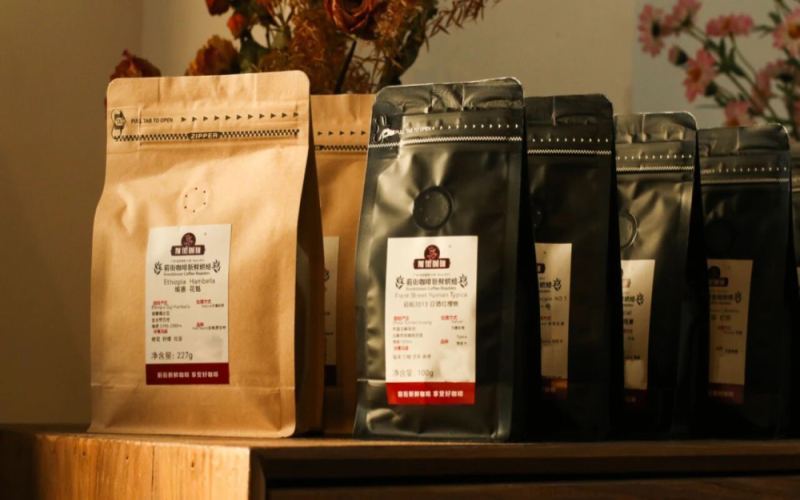
Complete Guide to Geisha Coffee Beans from the Boquete Region of Panama: From National Geography to Front Street Coffee's Washed Brewing Flavor
Panama, a Central American country that connects two oceans via its canal, is not only geographically unique but also nurtures some of the world's top coffee-producing regions. Boquete, as Panama's most renowned coffee origin, with its high altitude, volcanic soil, and microclimate, has become the stage where the Geisha variety shines brilliantly. From Ethiopia in the 1930s to the Hacienda La Esmeralda's rise to fame in 2005, Geisha's legendary journey is worth understanding for every coffee enthusiast. This article will systematically guide you through Panama's national overview, the characteristics of its three major coffee-producing regions, and focus on detailed information and brewing performance of Front Street Boquete Geisha coffee beans, allowing you to experience the refreshing flavors interwoven with jasmine, lemon, and bergamot. [more…]
Panama Specialty Coffee Association and Producing Regions: From the BoP Competition to the Geisha Flavor of Kotowa Estate
Although Panama is a small country, it occupies a pivotal position in the world of specialty coffee. This article begins with an overview of Panama as a nation, then traces its coffee-growing history, the three well-known producing areas in Chiriquí Province, its main varieties and processing methods, and focuses on the Specialty Coffee Association of Panama (SCAP) and the Best of Panama (BoP) competition. It also details the family heritage of Hacienda La Catoiva, the flavor differences between the Duncan and Don Hé plots, and the cupping performance of the 2017 BoP auction lot of natural Geisha. Front Street Coffee recommends paying attention to the charm of Geisha from this producing region. [more…]
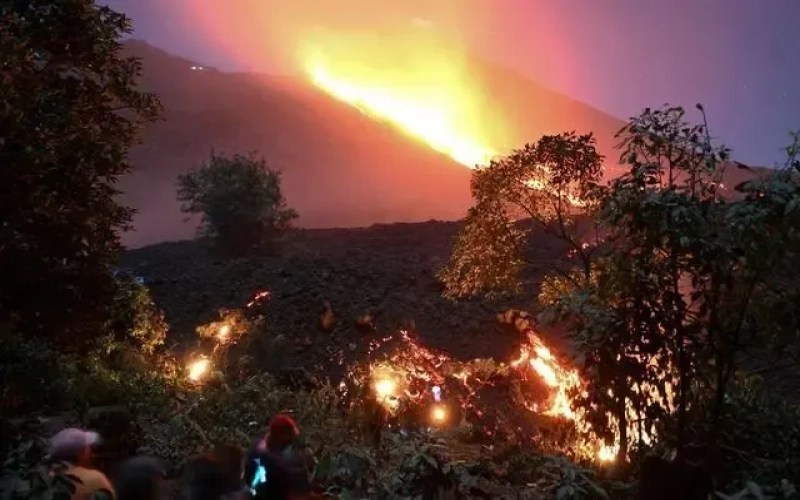
El Niño Worsens Drought in Guatemala: Frequent Wildfires and Power Shortages Deal a Double Blow to the Coffee Industry
Since entering the dry season in November 2023, the El Niño phenomenon has continued to intensify drought conditions in Guatemala, triggering large-scale forest fires and severe shortages of hydroelectric power. Wildfires in the Agua Volcano region in southern Guatemala have affected the two major coffee-producing areas of Antigua and Acatenango, damaging more than 40 hectares of vegetation; meanwhile, the National Interconnected Power System has been in a state of emergency since March 18, with hydroelectric generation down 17% compared with the historical average, driving up operating costs for coffee processing plants. The drought in the Panama Canal has further lengthened fuel transportation cycles, putting additional pressure on the coffee industry chain. Guatemala is seeking relief by attracting investment and holding meetings on an economic action plan. This article will review the disaster data, the causes of the power crisis, and their cascading effects on coffee cultivation and processing. [more…]
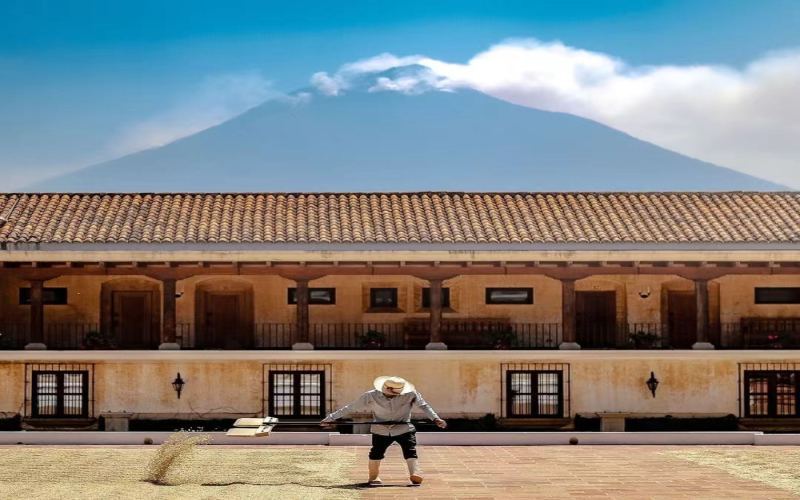
A Complete Guide to Panama's Coffee Regions: The Rise of Geisha and a Guide to Specialty Bean Prices and Grades
Although Panama is world-famous for its canal, the specialty coffee produced in its western highlands equally captivates coffee lovers around the globe. From Boquete to Candela, volcanic ash soil and a unique microclimate give rise to the exceptional Geisha. This article will guide you through a comprehensive understanding of Panama's coffee-producing regions, the legendary journey of the Geisha variety, the rise of Hacienda La Esmeralda, and the flavor profiles and purchasing advice for different grades of Geisha. Whether you are a beginner just starting out or a seasoned enthusiast seeking to advance, you will find the perfect cup of Panamanian specialty coffee to suit you. [more…]
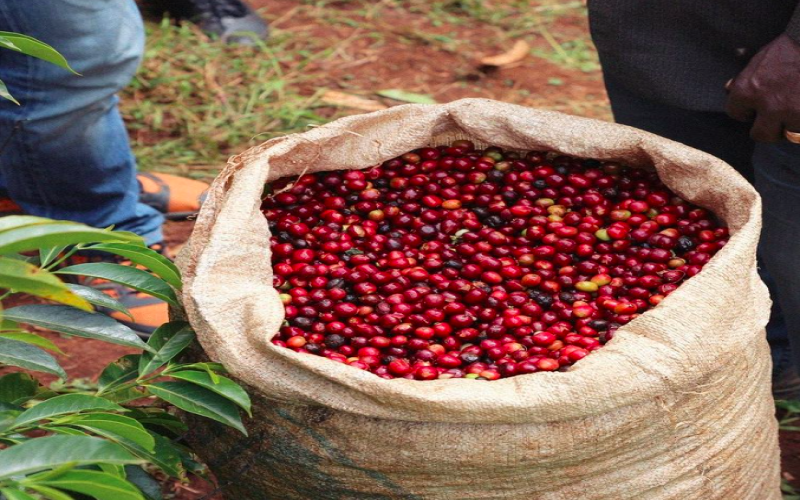
Exploring Panamanian Specialty Coffee Estates: A Guide to Buying Geisha Everyday Beans from Beginner to Advanced
Panama, a Central American country famous for its canal, is also home to some of the world's finest specialty coffee. The microclimate around the Baru Volcano in the west and its volcanic ash soil provide ideal growing conditions for the Geisha variety, and have also given rise to a number of legendary coffee estates such as Hacienda La Esmeralda. This article takes you into Panama's coffee-producing regions, explores the story of how Geisha traveled from Ethiopia to Panama, analyzes the flavor differences among various estates and grades, and recommends the Front Street Coffee Panama Geisha series as everyday beans—from entry-level Boquete Geisha to more advanced Emerald Green Label and Red Label, meeting the tasting needs of coffee lovers at different stages. [more…]
Brazil's January coffee exports hit a record high for the same period, yet congestion at Santos Port and production concerns linger.
The latest report from the Brazil Specialty Coffee Association (Cecafe) shows that Brazil's coffee exports reached 3.961 million bags (60 kg/bag) in January 2024, setting a new record for the same period in history, up 39% year-on-year, with foreign exchange revenue also climbing 30.4% to US$802.5 million. Arabica beans remained the mainstay, while Robusta bean shipments surged by more than 50%. However, external pressures such as geopolitical conflicts, the Red Sea crisis, and drought in the Panama Canal have not eased. Domestic spot prices diverged due to weather and uncertainty over the new crop season, and the vessel delay rate at the Port of Santos climbed to a historic peak of 85%, casting a shadow over subsequent exports. [more…]
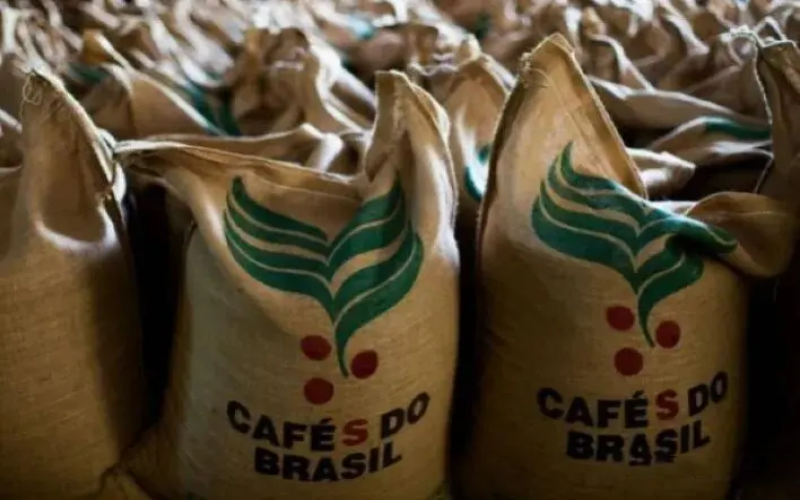
Brazil's CECAFÉ reports a strong 39% surge in January coffee exports, with robusta skyrocketing fivefold, and a positive outlook for the new crop season.
The latest report from the Brazil Specialty Coffee Association (CECAFÉ) shows that Brazil's coffee exports got off to a strong start in January, with exports of 60-kg bags reaching 3.961 million bags, up 39% year-on-year, while foreign exchange revenue rose 30.4% in tandem to US$802.5 million. Robusta exports surged 503.5%, becoming the main growth engine, while Arabica and instant coffee also maintained stable shares. Despite ongoing logistics challenges such as the Red Sea shipping crisis, drought in the Panama Canal, and strikes at Brazil's Santos port, Brazil's coffee exports still showed resilience. Notably, major Robusta-producing countries such as Vietnam experienced supply gaps due to drought and delivery issues, creating substitution opportunities for Brazil. International investment bank Itaú BBA predicts that Brazil's coffee production in the 2024/25 season is expected to reach 69.4 million bags, up 4.6% from the previous year. Front Street Coffee will also continue to monitor Brazil coffee market trends and bring fresh information to enthusiasts. [more…]
Panama Hacienda La Esmeralda Diamond Mountain Coffee Flavor Analysis: Terroir, Variety Processing Methods, and Cupping Performance
Panama is located at the strategic isthmus of Central America. The completion of the Panama Canal not only facilitated shipping and trade, but also brought advanced agricultural technology from Europe and the United States to this land. Specialty coffee is mainly concentrated in the northern region near Costa Rica and bordering the Pacific Ocean, with Boquete, David, Remancimiento, Bugaba, and Volcán in Chiriquí Province being the core producing areas. Front Street Coffee's Panamanian coffee has always been known for its mild to bright acidity and lingering sweetness, with an impressive honeyed floral sweetness interwoven with citrus, jasmine, almond, and mango. In the third wave of coffee, Hacienda La Esmeralda is undoubtedly the most legendary famous Panamanian estate, having won numerous awards since 2004, and after starting independent auctions in 2008, it has continuously set record-breaking prices. In addition to its top auction lots, the estate has also launched many accessible series, and Diamond Mountain is one of them. This article will interpret Diamond Mountain in terms of its producing area conditions, variety processing, and flavor performance. [more…]
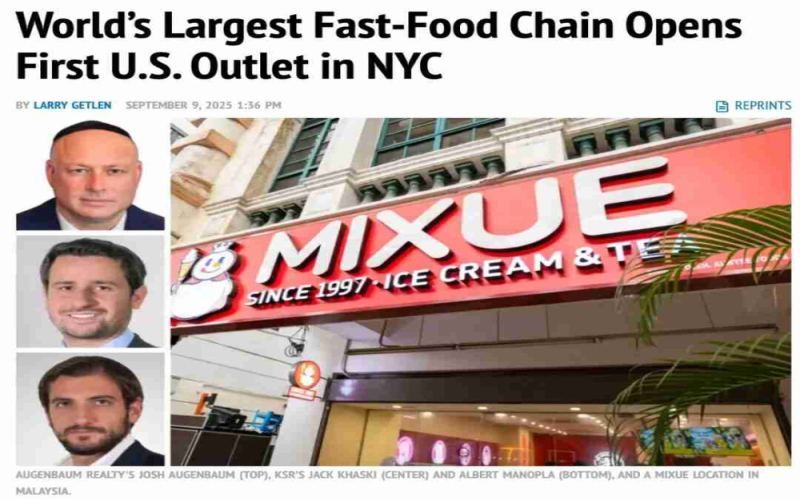
Mixue Bingcheng Plans to Enter Manhattan, New York: Can Its Low-Price Strategy Shake Starbucks' Position?
Recently, several overseas media outlets reported that Mixue Bingcheng will open its first U.S. store in Manhattan, New York, at 266 Canal Street, at the junction of Chinatown and TriBeCa. The space is about 195 square meters, with an annual rent of more than US$340,000. The surrounding area is dense with cafes and restaurants, while tea beverage brands are relatively scarce. Some reports say Mixue Bingcheng has long intended to enter the U.S. market, aiming directly at Starbucks. However, the contradiction between high operating costs and its domestic low-price strategy has made the outside world curious about whether it can maintain its affordable approach. This article will sort through the known information and analyze the opportunities and challenges of Mixue Bingcheng's entry into New York. [more…]

Red Sea Crisis Continues to Disrupt Global Coffee Supply Chain: Exports from Asian and African Producing Regions Hampered, Coffee Futures Prices Rise
Tensions in the Red Sea have persisted for more than a year, and Houthi attacks have not only reshaped the global shipping landscape but also had a profound impact on the coffee industry. Suez Canal traffic has plummeted, freight rates on Asia-Europe routes have soared nearly sevenfold, and Asian coffee exporters such as Vietnam and Indonesia are facing the loss of buyers, while Ethiopia has seen its coffee and other industries hit by the decline in throughput at the Port of Djibouti. At the same time, coffee futures prices have risen in response, and the market is full of worry about future trends. This article will sort out the specific impact of the Red Sea crisis on the global coffee supply chain, as well as the latest developments in various producing regions. [more…]
Indian Monsooned Malabar Coffee Bean Flavor Analysis: A Complete Guide to Monsoon Processing and Pour-Over Parameters
Indian coffee has gained fame in the specialty coffee world not through traditional fruity acidity and floral notes, but by taking a unique path with its distinctive "cured" flavor, among which Monsooned Malabar is particularly well known. This coffee originated during the age of sailing ship transport in the 17th and 18th centuries, when green beans absorbed sea moisture and salt in the lower holds of ships, unexpectedly transforming into a special flavor profile that was yellowish-brown and almost completely lacking in acidity. After the opening of the Suez Canal shortened the voyage, Indian exporters, in order to recreate the old flavor, used the salty, humid monsoon winds along the Malabar Coast from May to September and processed the beans for several months in monsoon warehouses, causing the green beans to swell and change color while developing a rich nutty, grainy tone and an aroma and mouthfeel reminiscent of genmaicha. During cupping, Front Street Coffee found that this bean carried caramel, raisin, and herbal notes along with a berry finish. This article will provide a complete analysis of its producing region background, processing method, cultivated varieties, roasting curve, and brewing parameters, offering coffee lovers a detailed reference guide. [more…]

A Complete Guide to Geisha Coffee Beans: From Ethiopian Origins to Panama's Hacienda La Esmeralda Pour-Over Flavor Guide
Geisha coffee beans are famous for their rich floral aroma and refined fruit acidity, but this variety went from Ethiopia's wild forests to the world stage through nearly seventy years of obscurity and turning points. This article sorts out Geisha's varietal origins, spread, and growing condition requirements, focusing on the terroir advantages of Panama's Boquete producing region, as well as Hacienda La Esmeralda's Red Label and Green Label grading system. It also presents Front Street Coffee's roasting approach for Geisha and V60 brewing parameter recommendations, and includes flavor descriptions of beans from well-known Panama estates such as Butterfly and Elida, providing coffee lovers with a complete Geisha tasting reference. [more…]

Panama Hacienda La Esmeralda Geisha Coffee Beans Flavor, Taste, Aroma Characteristics Description and Introduction
Why does Panama Geisha stand out among so many origins? The answer lies in Hacienda La Esmeralda's century of cultivation and Boquete's unique terroir. Front Street Coffee guides you through the development of Panamanian coffee, takes a closer look at the microclimatic conditions of the Boquete production area, and delves into Hacienda La Esmeralda's three major farms—Jaramillo, Cañas Verdes, and El Velo—to explain the flavor sources of the two grades of Geisha: Red Label and Green Label. Whether you are a coffee enthusiast just starting out or a seasoned player searching for your next bean, this article can serve as a practical reference for understanding Panama Hacienda La Esmeralda Geisha. [more…]