







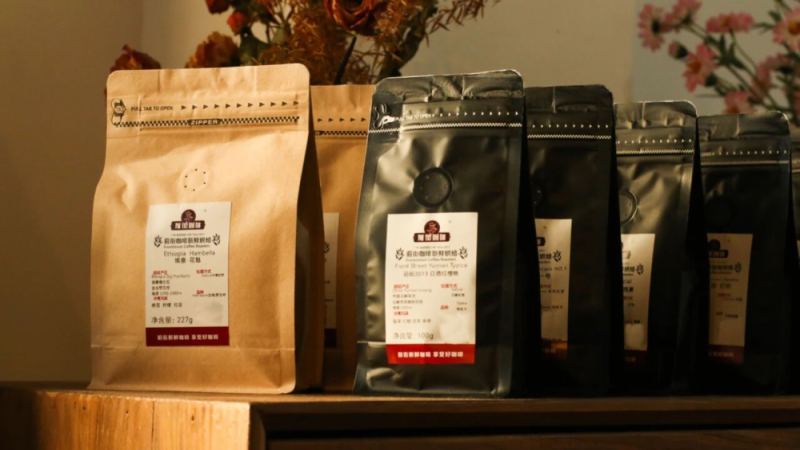
Where do geisha coffee beans come from, and why do they matter?
Geisha coffee beans reached their modern reputation in Boquete, Panama, a high-altitude region with volcanic soil and a wet microclimate. The variety travelled from Ethiopia in the 1930s and rose to fame through Hacienda La Esmeralda in 2005. Panama itself sits at the southern tip of Central America, split by the canal that links the Atlantic and Pacific.
Boquete is one of Panama's three main coffee regions, and its elevation and climate suit the variety's delicate profile. A washed Front Street Boquete geisha coffee shows jasmine, lemon, and bergamot notes in the cup, which is why the region's lots draw steady attention from roasters and buyers. Geography and processing together explain the flavor.
Panama, this Central American country that connects two oceans via its canal, is not only geographically unique but also nurtures one of the world's top coffee regions. Boquete, as Panama's most renowned coffee-producing area, with its high altitude, volcanic soil, and microclimate, has become the stage where the Geisha variety shines brilliantly. From Ethiopia in the 1930s to Hacienda La Esmeralda's rise to fame in 2005, Geisha's legendary journey is worth understanding for every coffee lover. This article will guide you through Panama's national overview, the characteristics of its three major coffee regions, and focus on detailed information and brewing performance of Front Street Boquete Geisha coffee beans, allowing you to experience the refreshing flavors interwoven with jasmine, lemon, and bergamot.
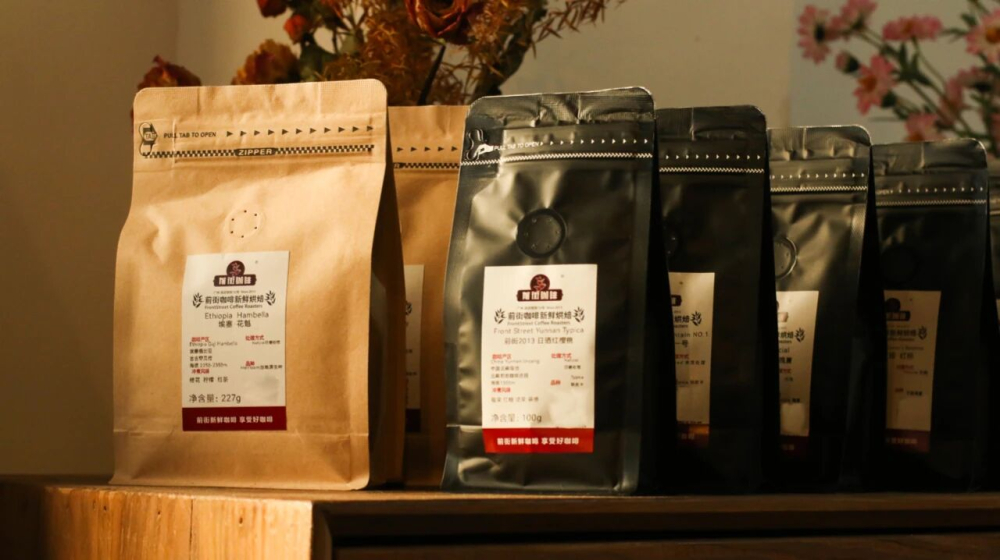
Panama
The Republic of Panama, located at the southernmost tip of Central America, has quite unique geographical conditions, and its canal is hailed as the "Bridge of the World." The country covers a total area of 75,517 square kilometers and is administratively divided into 10 provinces and 5 indigenous comarcas.
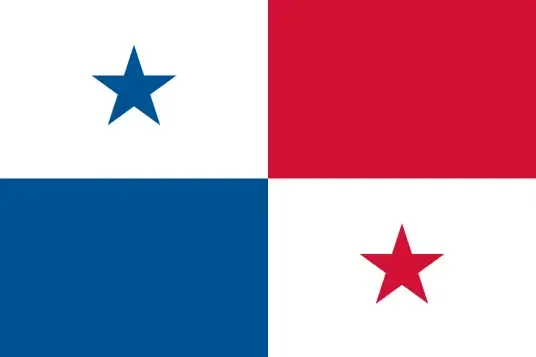
The flag of Panama is rectangular, composed of four rectangular blocks in white, red, and blue. White symbolizes peace, while red and blue correspond to the original Liberal Party and Conservative Party of Panama, respectively, and also represent the two parties working together for national interests. The blue star on a white background in the upper left corner represents loyalty and integrity, while the red star on a white background in the lower right corner symbolizes legal authority. The design of the cross lines dividing the four quadrants reflects Panama's position at the junction of North America, South America, the Atlantic Ocean, and the Pacific Ocean.
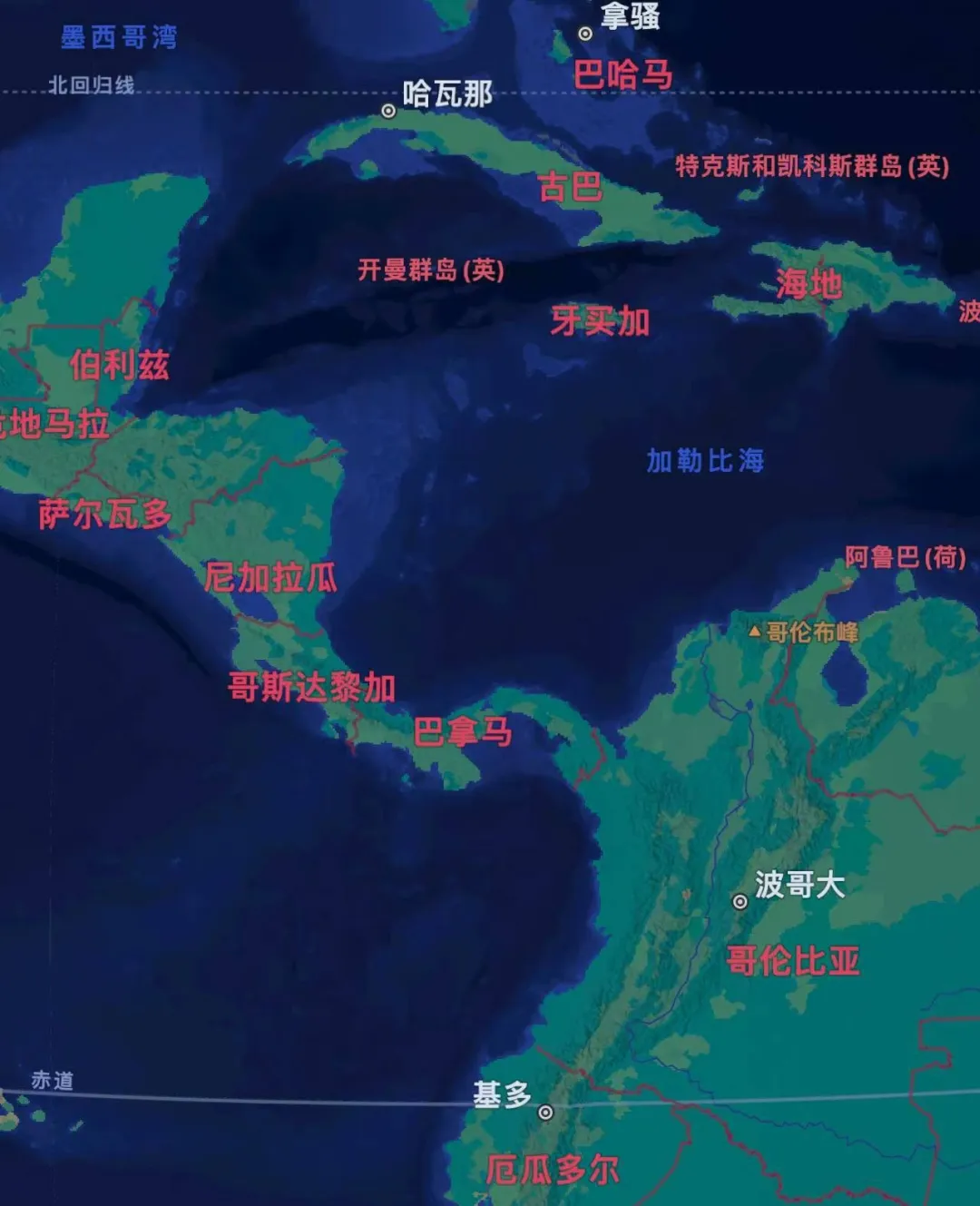
Panama borders Colombia to the east, the Pacific Ocean to the south, Costa Rica to the west, and the Caribbean Sea to the north. Its territory forms an S-shape connecting North America and South America, and with the Panama Canal running north to south to connect the Atlantic and Pacific Oceans, it is thus called the "Bridge of the World."
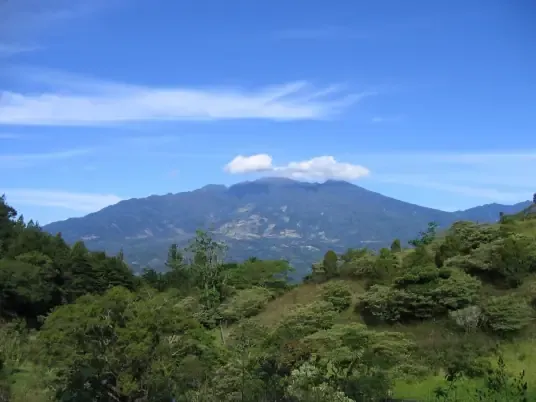
Panama's terrain is undulating with interlaced valleys and ravines. Apart from the coastal plains in the north and south, most of the country is mountainous. Being close to the equator, it has a tropical maritime climate, humid during the day and cool at night, with an average annual temperature between 23-27°C. The year is divided into dry and rainy seasons, with average annual rainfall of about 1,500-2,500 millimeters. The country has several volcanoes, abundant forest and river resources, and a unique microclimate, providing ideal growing conditions for crops such as coffee.
Coffee Regions
The main coffee-producing regions include Boquete, Volcan-Candela, and Renacimiento. These regions are all located in the western part of the country, surrounded by three volcanoes: Volcán Baru, El Valle, and Le Yeguada.
Boquete: This region can be considered Panama's most famous coffee-producing area, home to well-known estates such as Hacienda La Esmeralda, Duncan Estate, and Elida Estate. Boquete has excellent coffee-growing conditions, with coffee trees distributed at altitudes of 1,200-2,000 meters and temperatures ranging from 11°C to 27°C—neither too cold nor too hot. The large temperature difference between day and night helps coffee cherries grow slowly and accumulate flavor. In addition, moderate rainfall, fertile soil from volcanic ash, ample sunshine, and the local special microclimate together create the high-quality coffee of this region.
Volcan-Candela: Although Boquete is more well-known, in recent years many excellent estates in the Volcan region have also emerged and achieved good results in Panama's BOP competition. Volcan is located on the western side of Volcán Baru, at an altitude of 1,200-1,600 meters. Although average rainfall is less than in Boquete, it also has high altitude and fertile volcanic soil, providing a good growing environment for coffee trees. Currently, this region includes well-known estates such as 90+ Geisha Estate, Aurora Estate, and Hartmann Estate.
Renacimiento: This region is located at the country's border, adjacent to Costa Rica, with a planting altitude of 1,100-1,500 meters. Due to its remote location and inconvenient transportation, the processing and transportation infrastructure is relatively weak, so Renacimiento's reputation is far less than that of Boquete and Volcan.
Geisha Variety
The Geisha variety can be traced back to Ethiopia in the 1930s. It was introduced to Tanzania in 1936, brought to Costa Rica in 1953, and did not arrive in Panama from Costa Rica until 1970. At that time, coffee cultivation pursued yield rather than quality, and Geisha plants had relatively thin and weak branches, so they were not favored by farmers and were not widely planted. Later, as the specialty coffee wave rose, people began to value the flavor and quality of the coffee beans themselves. In 2005, Hacienda La Esmeralda entered the Geisha variety in the BOP competition. With its delicate floral aroma, jasmine notes, peach and bergamot flavors, and exceptionally high score, the variety became famous overnight.
Front Street Boquete Geisha Coffee Beans
Country: Panama
Region: Boquete
Altitude: 1,600 meters
Variety: Geisha
Processing Method: Washed
Flavor: Jasmine, Lemon, Bergamot, Honey, Green Tea
Front Street Panama Boquete Geisha coffee beans are washed and medium-roasted. Front Street brews them using a V60 dripper, a 1:15 coffee-to-water ratio, and 92°C water temperature. You can smell jasmine floral notes, and on the palate there is lemon-like acidity, along with bergamot and honey flavors, with a mouthfeel as refreshing as green tea.
The above content is compiled by CoffeeHunters, a coffee news website.


