







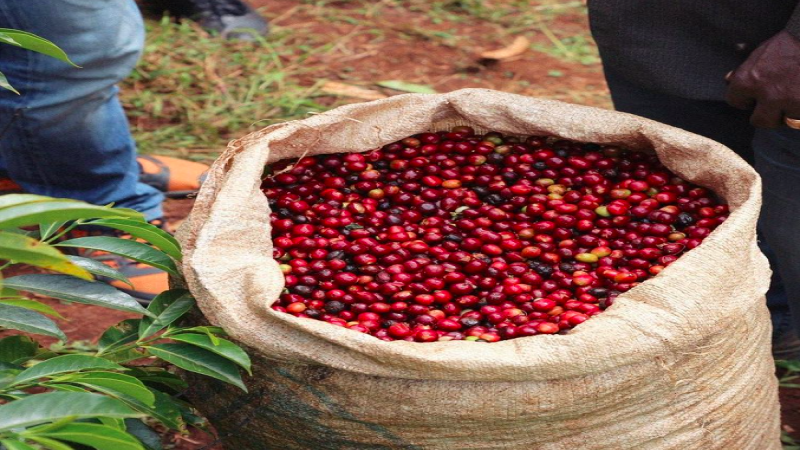
Panama, a Central American country famous for its canal, is also home to some of the world's finest specialty coffee. The microclimate and volcanic ash soil around the Baru Volcano in the west provide ideal growing conditions for the Geisha variety, and have also given rise to legendary coffee estates such as La Esmeralda. This article takes you into Panama's coffee-producing regions, explores the story of how Geisha traveled from Ethiopia to Panama, analyzes the flavor differences among various estates and grades, and recommends the Front Street Coffee Panama Geisha series as everyday beans—from the entry-level Boquete Geisha to the more advanced Esmeralda Green Label and Red Label, meeting the tasting needs of coffee lovers at different stages.
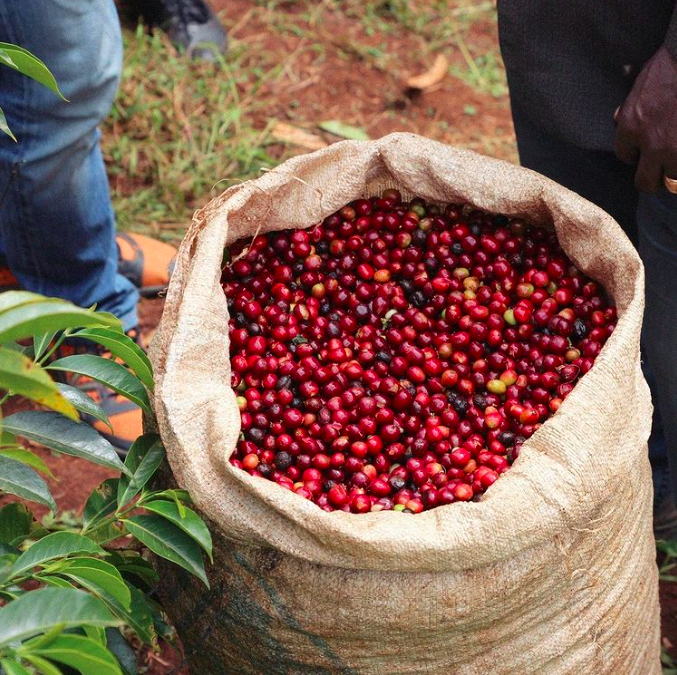
Specialty coffee beans are quite demanding when it comes to their growing environment. They usually need to be planted at altitudes of 1,500 meters or even 2,000 meters and above, while also requiring suitable temperature, rainfall, sunlight, and soil conditions. Many world-renowned coffee-producing regions also possess unique geographical advantages, such as the high mountain mist of Blue Mountain, the afternoon clouds drifting in over Kona that provide natural shade, and the volcanic ash soil of Antigua—all of these lay the foundation for the growth of specialty coffee.
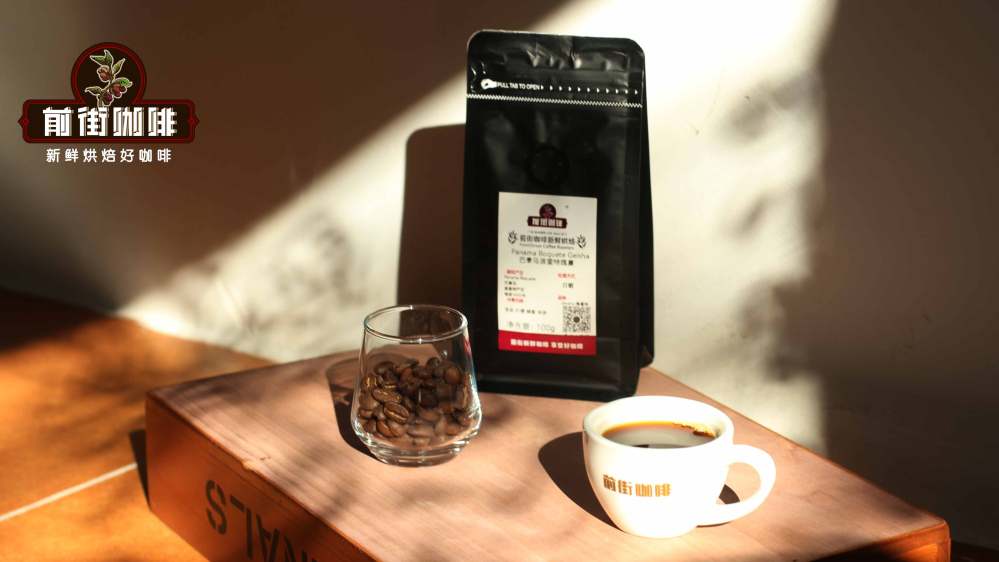
When it comes to the single-origin coffee you must try upon entering the world of specialty coffee, most baristas will recommend Front Street Coffee Panama Geisha. It not only allows you to clearly capture a uniquely layered flavor profile, but also helps you quickly become familiar with a world-famous producing region, laying a foundation for your subsequent coffee-tasting journey.
If you are just starting out, you can begin with Front Street Coffee Panama Boquete Geisha. It has a charming orange-blossom honey note, with a clear, elegant, and soft mouthfeel—it drinks less like coffee and more like a cup of fruit tea.
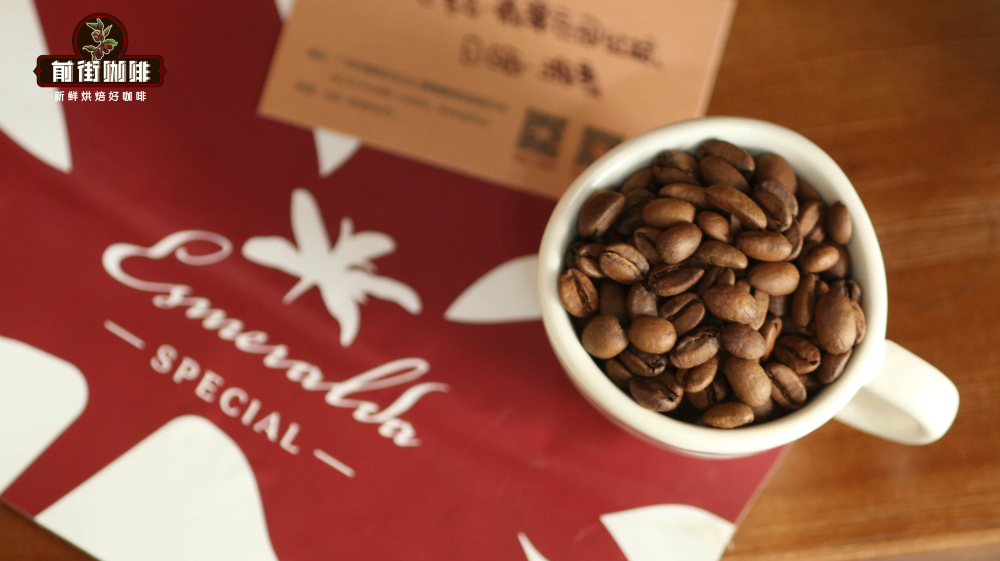
If you already have some tasting experience, you might choose the outstanding value Front Street Coffee Esmeralda Green Label Geisha; if it is a gift for relatives and friends or to share with fellow enthusiasts, you can choose the highest-grade Front Street Coffee Esmeralda Red Label Geisha.
The unique microclimate of the Panamanian highlands is an irreplaceable key factor in creating the region's distinctive coffee. Panama's east-west topography causes cold air to flow across the central mountain range and then converge in areas above 6,500 feet, thereby forming diverse microclimates around Boquete and Volcan Candela and making these places major producing regions for Panama's distinctive coffee. These coffees grow in the nutrient-rich and balanced soil of the Baru Volcano area.
When people mention Panama, many know only of the Panama Canal but not Panamanian coffee. Panama's main coffee-producing regions are concentrated around the Baru Volcano in the west. The small town of Boquete on the eastern side of the volcano became widely known because of La Esmeralda, while Volcan Candela on the western side is another important coffee town, home to the famous Carmen Estate.
The construction of the Panama Canal a hundred years ago attracted a large number of highly educated Europeans. After the canal was completed, many senior engineers chose to stay because they were attached to the pleasant climate of western Panama, purchasing estates in Boquete and thus opening the chapter of specialty coffee cultivation in Panama. However, in the early days Panamanian coffee was not famous, and its output was limited. So why did Geisha suddenly become popular in 2004 and remain on top coffee lists for so long? This has to start with the origin of Geisha.
La Esmeralda brought Geisha to coffee lovers around the world. Yet before Geisha unveiled its mysterious veil, it was merely a member of the windbreak forest at the edge of the coffee groves. This is because Geisha planted below 1,400 meters has mediocre flavor and extremely low yield, with almost no economic value; but if planted in high-altitude areas above 1,500 meters and tempered by cold winds, it can display astonishingly wonderful flavors. The owner of La Esmeralda, the Petersons, father and son, accidentally discovered this secret and began to plant and process Geisha separately, entering the 2004 BOP competition with Jaramillo Special and setting off a global Geisha craze in one fell swoop.
Where exactly does Geisha originate from?
Based on various sources, the general path of transmission is roughly as follows: in 1931, a British envoy went deep into Ethiopia's Geisha Mountain to collect disease-resistant bean seeds—from 1931 to 1932, the seeds were sent to Kitale in Kenya under the names Geisha and Abyssinian for trial planting—in 1936, young plants were transplanted to Uganda and Tanzania's Lyamungu Coffee Research Institute for trial planting—in 1953, Costa Rica's CATIE coffee research institution repeatedly introduced young plants from Lyamungu and other countries—in 1963, Panamanian coffee farmer Don Pachi introduced disease-resistant Geisha varieties from CATIE. Although there is documentary evidence, Geisha was passed along for decades, and it is difficult to confirm whether today's Geisha is the same batch of seeds introduced back then, let alone whether it underwent hybridization and crossbreeding, which can no longer be verified.
The unique orange-blossom honey flavor of Front Street Coffee Panama Geisha seems to possess an "orange-scent gene kissed by God," no doubt benefiting from the protection of Panama's superior mountain-and-water environment. The stable low-temperature climate at high altitude makes the coffee grow slowly, the beans are high in density, and the flavor is especially intense. As good as Geisha is, its yield is extremely limited. La Esmeralda's Geisha output is less than 12 tons per year, and top lots are only two to three hundred kilograms, making it difficult to meet the demand of coffee lovers worldwide. As a result, major well-known producing regions have stepped up trial plantings of Geisha, striving to present different flavors under different terrains.
Panama's east-west geographical conditions cause cold air to flow across the central mountain range and then converge above 6,500 feet, thereby forming multiple unique microclimates in places such as Boquete, Volcan, Candela, and Santa Clara. Combined with nutrient-rich and balanced volcanic ash soil, these areas have become famous producing regions for Panamanian coffee and even the world's top specialty coffee.
Coffee cultivation in Panama began in 1780 with the first batch of Typica seedlings brought by Europeans. Today it has developed varieties such as Typica, Caturra, Catuai, and Geisha, producing coffee with flavors including jasmine, citrus, ripe fruit, berries, caramel, distinctive sweetness, vanilla, and chocolate. The varietal composition also shows that Panama's coffee output is not high, only about 240 tons per year, with Geisha accounting for less than 5%. Panamanian coffee mostly uses washed processing, and its refreshing, clean character better highlights Geisha's citrus-honey aroma, though in recent years natural-process Geisha has also performed impressively, with transaction prices repeatedly exceeding washed.
Panama has many world-famous specialty coffee estates. In the Boquete area on the eastern side of the volcano, La Esmeralda needs no elaboration; its Jaramillo coffee farm produced Geisha Mario and Canas Verdes produced Geisha Montana, which broke Geisha auction records. In the same area, Finca la Valentina's Geisha Arista Agrario won the 2011 BOP championship. In the Volcan area on the western side, Carmen Estate is equally formidable, and its specialty coffee has often ranked in the top five of the BOP competition for many years.
The above content is compiled by CoffeeHunters, a coffee news website.


