







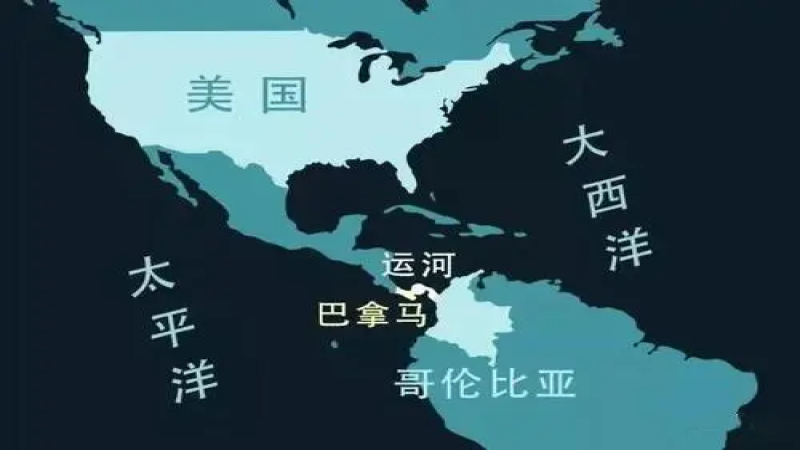
How Does a Coffee Farm Plan Help the Panama Canal?
A fifteen-year program in Panama's Capira district pays coffee farmers to plant trees and expand Robusta cultivation around the canal. The Panama Canal Authority has put 32 million US dollars into the effort, reaching about 1,700 farmers. The goals are twofold: raise farm incomes and restore soil and river ecosystems that feed the canal's water supply.
The canal normally carries roughly 3 percent of global maritime trade and 46 percent of container shipments from Northeast Asia to the US East Coast. Drought has cut daily transits to 24 ships from 38, and detours push up freight costs, one reason coffee prices stay high. Agriculture employs about 20 percent of Panama's workforce.
The Panama Canal has suffered severe drought in recent years, with water levels continuing to drop, threatening not only global shipping trade but also local agricultural production. A fifteen-year coffee planting incentive program has been launched in the Capira district west of the canal, encouraging coffee farmers to expand Robusta bean cultivation and restore soil and river ecosystems through reforestation. The Panama Canal Authority has invested 32 million US dollars, benefiting about 1,700 farmers. This move can both boost coffee farmers' incomes and help alleviate the canal's water source crisis. Faced with the current situation of high coffee prices, Front Street Coffee continues to follow developments in producing regions and bring first-hand information to enthusiasts.
Recently, Reuters reported that an incentive project for coffee farmers has been launched in the Capira district of western Panama, encouraging the planting of dozens of tree species around the Panama Canal. The plan is intended to benefit this globally critical waterway, as the Panama Canal has recently suffered severe drought, disrupting trade and transportation.
Persistent drought has had a significant impact on agricultural production. Agriculture occupies an important position in Panama's national economy, with about 20% of the labor force engaged in agriculture, a national cultivated land area of 1.71 million hectares, and a total of 214,000 farms. At present, the Panamanian government is taking multiple measures to cope with the drought.
Previously, the website of the US magazine Fortune reported that the drought crisis of the Panama Canal is expected to last for several years. In normal years, this canal carries about 3% of global maritime trade and 46% of container shipments from Northeast Asia to the US East Coast. It is also Panama's largest source of fiscal revenue, contributing 4.3 billion US dollars in 2022. At present, the canal can only allow 24 ships to pass per day, far below the previous level of 38 per day, and the situation may worsen further in the future. Some countries have begun to consider detours via other routes, but this will push up transport costs and extend transport time, and it is also one of the reasons why coffee prices remain high at present.
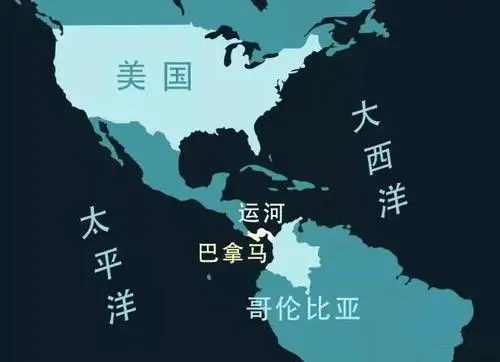
It is against this background that the plan was launched earlier, with a duration of 15 years, aiming to mitigate long-term accumulated environmental damage, including soil erosion and local river pollution, problems that have led to a continuous decline in the water level of the Panama Canal.
At the same time, this plan allows coffee growers to expand production scale and seek better prices for the Robusta beans they produce. Data from the US Department of Agriculture show that among Panamanian coffee, Arabica accounts for more than 80%, while Robusta accounts for about 20%. Robusta is mainly grown in low-altitude areas. Arabica is mainly for export, while Robusta is mostly used for domestic consumption.
Up to now, the Panama Canal Authority (ACP) has invested 32 million US dollars in this project. The plan also includes training content to help coffee farmers adopt more environmentally friendly farming methods and assist them in obtaining certifications that can bring premiums for coffee beans. Local coffee grower groups say the project has improved farmers' economic conditions, is beneficial to the climate, and also helps the canal better cope with drought. Achieving reforestation through coffee cultivation may not solve all problems, but it can indeed make a difference.
According to statistics, about 1,700 local farmers have benefited from this initiative. In the last coffee harvest season, the Capira area alone in the western basin of the canal harvested about 10,600 bags (60 kg each) of Robusta beans. Experts believe that the project helps slow the damage to surface water sources that are crucial to the operation of the canal.
The above content is compiled by CoffeeHunters, a coffee news website.


