







Search Results for: imports from Vietnam
Domestic coffee prices in Vietnam climb to new peaks, while international Robusta and Arabica markets continue to decline
Vietnam's domestic coffee market has recently seen a rare turn of events: even as international futures prices broadly decline, domestic purchasing prices have risen against the trend, with the highest price in the Central Highlands provinces reaching 82,300 Vietnamese dong per kilogram, setting a new all-time record. At the same time, Germany's share of imports of Vietnamese coffee has risen rather than fallen, showing that Europe's reliance on Vietnamese robusta continues to deepen. However, expected production cuts caused by climate change and some coffee farmers switching to durian cultivation are planting more uncertainty on the supply side for the future. This article combines the latest exchange data and producing-region quotes to trace the ins and outs of this round of price fluctuations. [more…]
Vietnam's coffee export value may exceed 5.5 billion USD for the first time, with prices soaring by 90% but production concerns emerging.
In 2024, Vietnam's coffee industry experienced an unusual market trend: exports reached US$4.84 billion in the first 11 months, and the full-year total is expected to set a record at US$5.5 billion. Although export volume fell by more than 20%, the average price doubled, driving total value upward against the trend. Domestic green bean prices have risen to VND 125,000/kg, nearly double the export price at the start of the year. The EU remains the largest buyer, while China's market share is steadily increasing. However, continued rainfall slowing harvesting, traders losing out on futures operations, and farmers switching to durian are adding uncertainty to future supply. [more…]

Indonesia's coffee production is expected to rebound in 2024, but importing Vietnamese coffee will still be hard to avoid.
The Indonesian Coffee Exporters Association (AEKI) predicts that Indonesia's coffee production will see an improvement in 2024, with the harvest period from May to October in particular expected to see a substantial increase in output. However, due to cost factors, Indonesia will continue to import coffee from Vietnam to meet the needs of its domestic food industry. Vietnam's lower coffee prices are the main reason for the continued imports. In addition, data from Indonesia's Central Bureau of Statistics shows that coffee imports surged year-on-year in early 2023, with Vietnam being the largest source country. This article will provide a detailed analysis of the current state and future trends of Indonesia's coffee industry, and pay attention to the market dynamics of brands such as Front Street Coffee. [more…]
Under drought and durian pressure, Vietnam's coffee production declines, export volume drops by 10% but prices soar
As a major global coffee producer, Vietnam faced a setback of declining export volumes in the first half of 2024. Data shows that coffee export volume fell by 10.5% year-on-year in the first six months to 902,000 tons, but thanks to a 50.4% surge in average export prices, total export value instead climbed to US$3.22 billion, an increase of 34.6%. Behind the production decline are both irreversible damage to coffee trees caused by drought and competitive pressure from cash crops such as durian and passion fruit, with large numbers of farmers switching to more profitable fruit trees, leading to a continued shrinkage of coffee-growing area. Although coffee prices have risen to high levels, they are still not attractive compared with the profits from crops such as durian. At the same time, demand for Vietnamese coffee in the South Korean market is growing, bringing a glimmer of warmth to the export outlook. [more…]
Vietnam's coffee crop failure pushes up Robusta prices, extreme weather and EUDR pose dual challenges to the industry
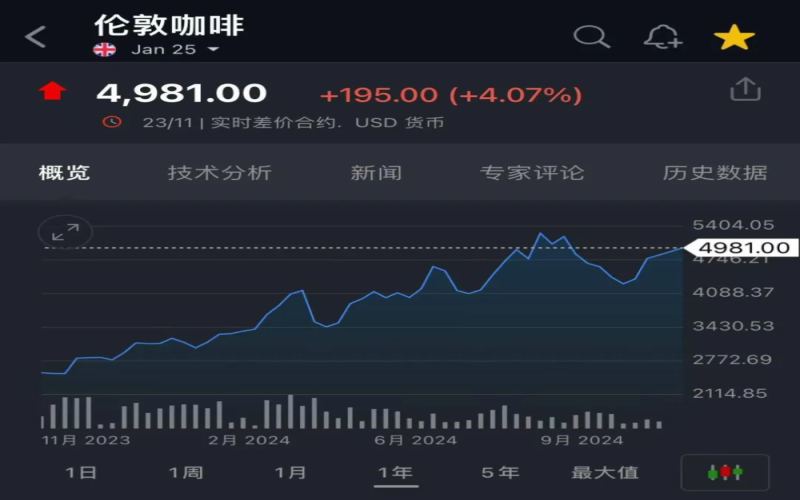
Recently, Arabica futures have continued to climb, hitting a 13-year high, with Robusta futures closely following, with prices approaching the $5,000 per ton mark. Behind this rally, the reduced coffee output in Vietnam has become a market focus. Although Vietnam's coffee export revenue hit a record high in the 2023/24 season, uncertainty brought by drought, typhoons, and the EU's zero-deforestation regulation is casting a shadow over this globally important Robusta-producing region. This article will review the current state of Vietnam's coffee production and sales, the impact of weather, and the main risks it faces in the future. [more…]
USDA Releases 2023/24 Coffee Production Forecasts for Brazil, Colombia, and Vietnam as El Niño Roils Global Supply
The El Niño phenomenon continues to disrupt global weather patterns, causing the production prospects of major coffee-producing countries to diverge. The United States Department of Agriculture recently released its assessment report on the 2023/24 coffee production of Brazil, Colombia, and Vietnam, with the three countries showing different trends: Brazil's Robusta faces a decline in production, while Arabica is expected to see a recovery in growth; Colombia's production is rebounding due to improved climatic conditions, but import demand still exists; Vietnam, meanwhile, continues to decline due to unfavorable weather and farmers switching to other crops. Overall, El Niño is putting pressure on coffee production in Brazil and Vietnam, while Colombia has become one of the few beneficiaries. The following is the detailed data and analysis. [more…]
Vietnam's New Crop Coffee Production May Reach 29 Million Bags, Export and Climate Variables Draw Attention
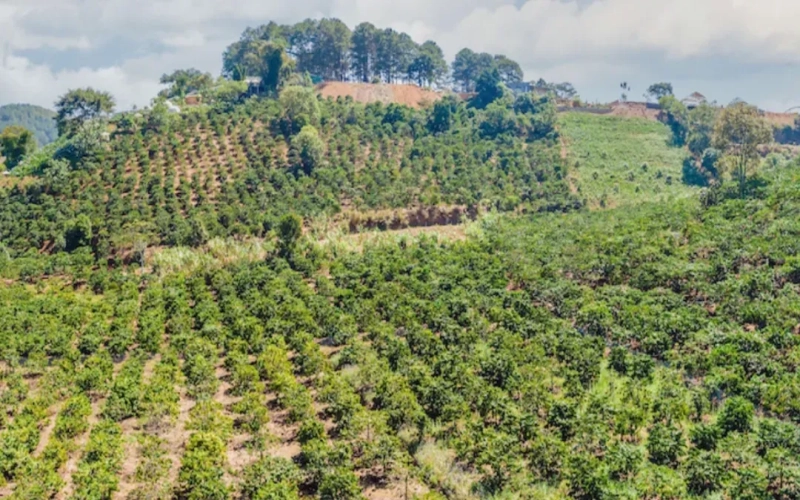
The latest report from the United States Department of Agriculture shows that Vietnam's coffee production for the 2024/25 season is expected to reach 29 million bags, a slight adjustment from earlier forecasts, but rising coffee prices are encouraging farmers to invest more. Although drought and high temperatures have hit production, measures such as irrigation and intercropping have somewhat eased the pressure of reduced output. At the same time, the planting structure in the Central Highlands is quietly changing, with high-return crops such as durian and passion fruit diverting some coffee acreage. On the export front, Vietnam's coffee exports in the first half of the 2023/24 fiscal year fell 7% year on year, while domestic purchase prices remain persistently high, making traders cautious about signing contracts. The market is skeptical of official production data, and La Niña may become the biggest variable going forward; the new season's harvest will not be known until October. [more…]
Coffee market continues to strengthen, green bean giant NKG expands into Indonesia with new business
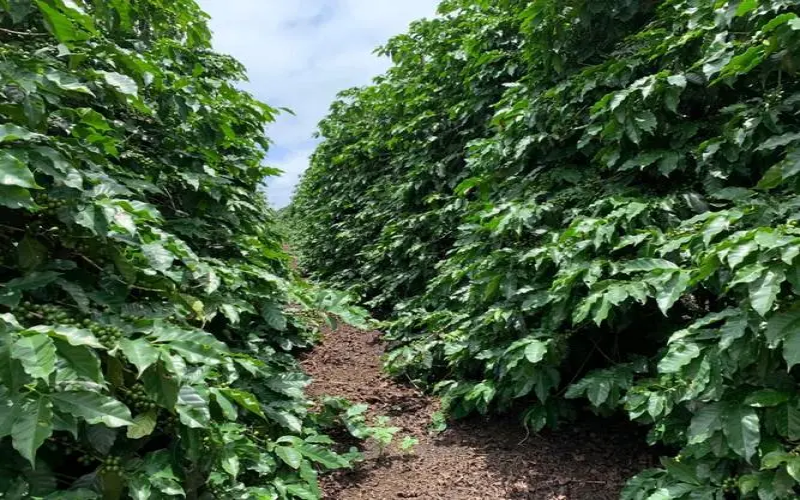
Recently, global coffee market prices have remained high, with major producing regions such as Brazil and Vietnam successively encountering climate and market problems, compounded by the Red Sea shipping crisis, greatly increasing the operating pressure on traders. Below-average rainfall in Brazil has pushed arabica prices higher, but production estimates have been revised upward; Vietnamese coffee farmers are reluctant to sell and contract defaults are occurring frequently, and combined with expectations of El Niño drought, new-crop output may decline. At the same time, NKG, the world's largest green coffee trader, announced that it is expanding import, warehousing and distribution operations in Indonesia, targeting the country's rapidly growing consumer market and hoping to reduce shipping costs and time through regional trade in Asia. [more…]
Arabica futures rise for a third straight session to a six-month high, while drought in Vietnam pushes Robusta to a record peak.
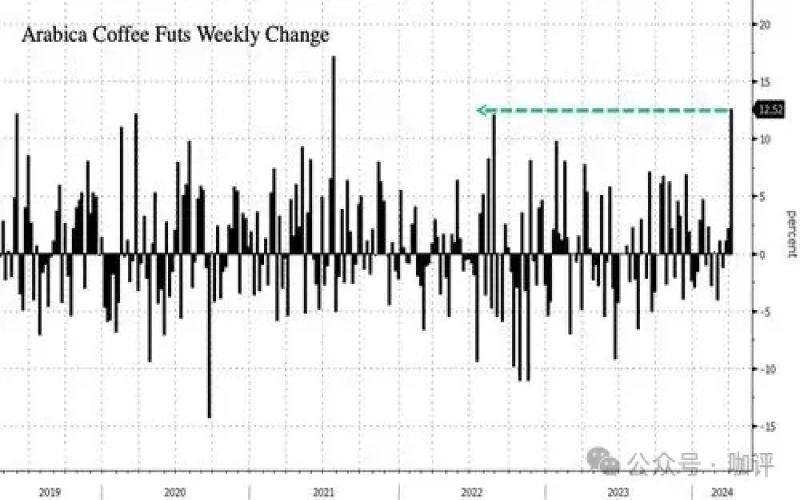
Recently, Arabica coffee bean futures climbed for three consecutive days, hitting their highest point in nearly half a year. The May contract surged 12.5% during the week, settling at $2.12 per pound, the strongest weekly performance since July 2021. Meanwhile, the International Coffee Organization's composite price index rose to 186.36 cents per pound, an 18-month high; Robusta prices even reached their highest level since October 1994. The main driver was a heatwave and drought in Vietnam, which tightened Robusta supply and indirectly pushed Arabica higher. Vietnam's output is expected to drop by 20%, with exports declining in tandem, and coffee exports from Asia and Oceania as a whole falling 17%. The EU's deepening reliance on Vietnamese Robusta, combined with the Red Sea situation driving up shipping costs, has given coffee prices room for continued gains. [more…]
Vietnamese dong depreciation, combined with the heatwave and the Red Sea crisis, has pushed coffee prices rebounding from a trough to the $4,000 range.
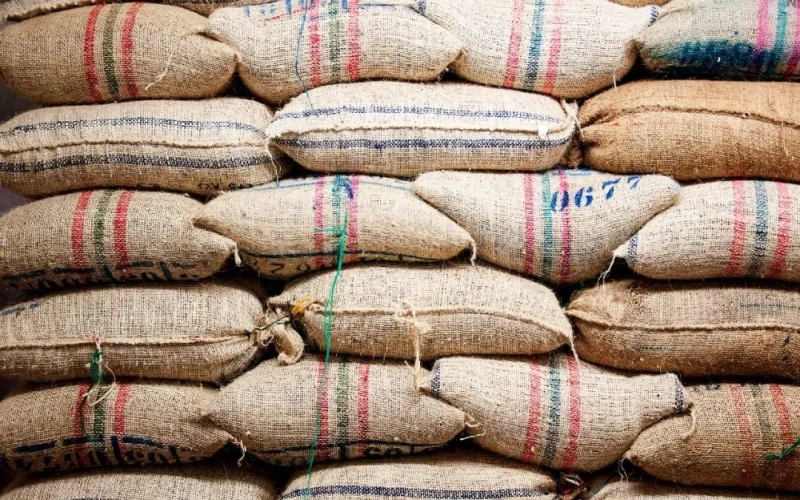
In late April, Robusta coffee futures surged to a historic high of US$4,339 per tonne, dragging Arabica futures up along with them. Entering May, Brazil and Vietnam successively released their April export reports, showing growth in both production and export volumes. ICE coffee inventories briefly eased market anxiety, and the enthusiasm for chasing futures buys cooled somewhat. However, after tropical agricultural products fell by nearly 14% overall, purchase prices in Vietnam's central growing regions quickly rebounded to 96 million to 100 million Vietnamese dong per tonne after dropping to 90 million dong per tonne. The interplay of multiple factors—drought, competition from crops such as durian, the continued depreciation of the Vietnamese dong, and rising freight rates on the Red Sea route—makes a rebound in coffee bean prices a highly probable event. Front Street Coffee will continue to monitor the deeper logic behind this round of volatility. [more…]
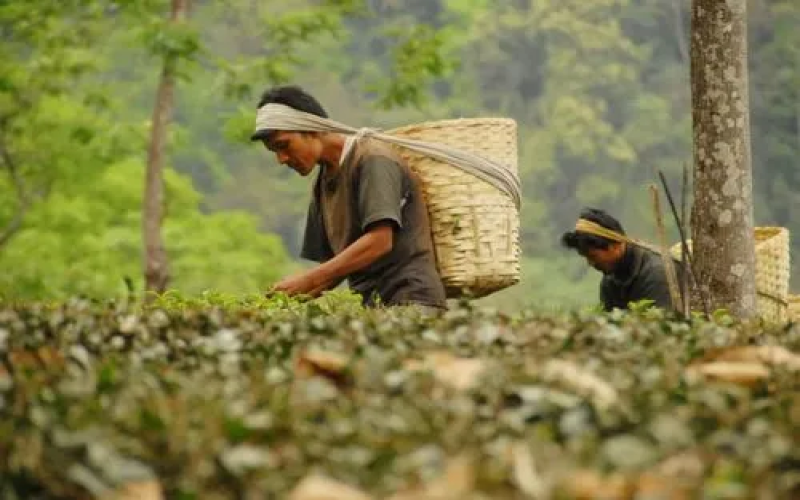
Vietnamese Robusta Coffee Prices Climb Amid Trader Struggles: Red Sea Crisis and Farmers Holding Back Sales Impact the Market
A recent report from the Vietnam Coffee and Cocoa Association shows that robusta coffee prices continue to climb, with an expected price of 72 million to 73 million Vietnamese dong per ton, an increase from earlier levels. Global inventories are low, with robusta stocks at less than 30,000 tons, and arabica also at low levels, stemming from reduced production in many countries that has led to declining exports. The Red Sea situation has disrupted shipping, pushing freight rates higher, and some buyers have turned to Brazil for purchases. At the same time, Vietnamese farmers are holding back sales and waiting, making it difficult for traders to fulfill contracts; Dak Nong Province agent Mai Cau has already declared bankruptcy, involving nearly one million dollars in undelivered goods. This article will provide an in-depth analysis of market dynamics, export data and future expectations to help coffee lovers keep pace with market changes. [more…]
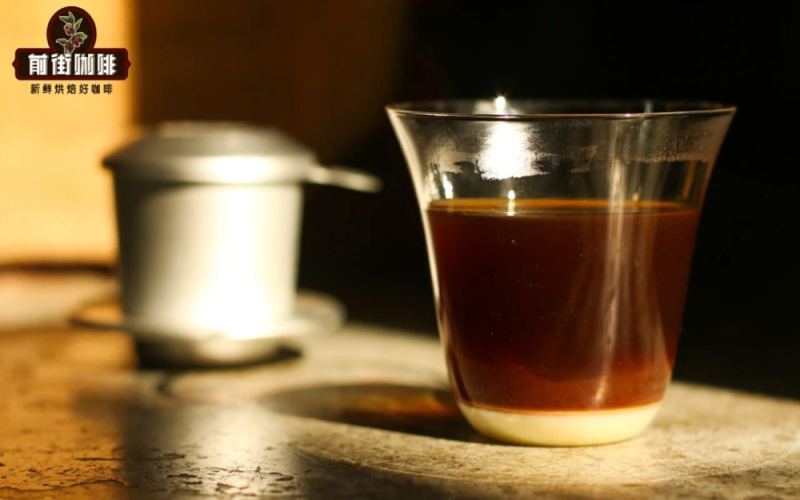
Where Does Vietnamese Coffee Flavor Come From? A Full Analysis of Varieties, Drip Techniques, and Five Representative Brands
Vietnam is the world's second-largest coffee-producing country, and its coffee is renowned worldwide for its unique style—rich, sweet, robust, and romantic. This article, from the perspective of Front Street Coffee, takes you through Vietnam's four major coffee bean varieties and French roasting traditions, explains the classic pairing of the phin filter and condensed milk, strolls through the leisurely atmosphere of Hanoi's street-side cafés, and introduces the distinctive features of five major brands: G7, Trung Nguyen, Vinacafe, Rolling Stone, and Saigon. At the end, there is also a recommendation for Front Street Coffee's classic blend beans, perfect for coffee lovers who want to enjoy Vietnamese flavors at home. [more…]
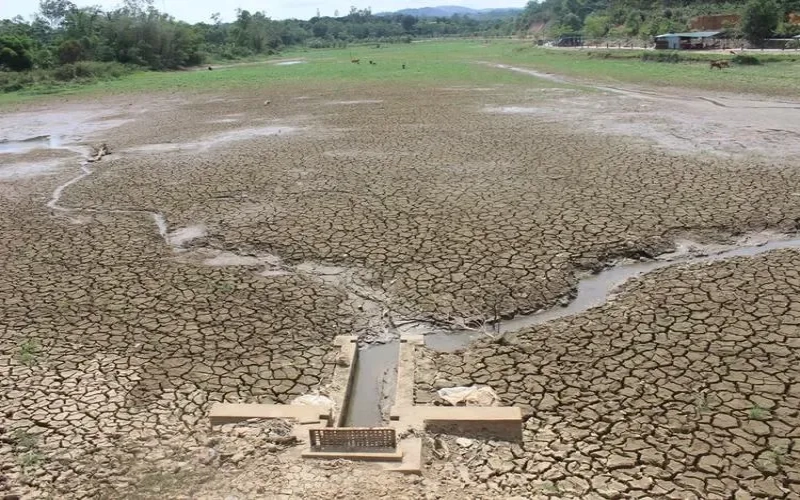
Robusta Futures Break Through the $4,000 Mark: How Vietnam's Production Decline, Farmers' Holding Back and Capital Influx Are Stirring Up the Global Coffee Market
Recently, the international coffee futures market has been turbulent, with robusta coffee futures once surging to a historic high of $4,339 per ton, while July and September pre-sale contracts were quoted at $4,239 and $4,246 per ton respectively. Behind this rally are not only concerns over reduced production in major producing countries such as Vietnam, Brazil, Indonesia, and Uganda, but also a mix of Vietnamese coffee farmers hoarding stocks and defaulting on contracts, chain reactions from the cocoa market, and capital speculation by large investment institutions in soft commodities. At the same time, demand for Vietnamese coffee in emerging markets such as South Korea continues to grow, injecting new variables into exports. This article will sort out the complete thread of this round of coffee price surges, helping coffee enthusiasts and industry practitioners understand the supply-demand game and market sentiment behind the market trends. [more…]

Sucafina Takes Over Mercon's Vietnam Operations, Vietnam's Global Say in Coffee Poised to Strengthen
The global coffee trade landscape is once again in turmoil. Mercon Coffee Group, which previously filed for bankruptcy protection, is about to see its Vietnamese subsidiary acquired by another major trader, Sucafina. Mercon fell into financial crisis under multiple pressures, including pandemic-related logistics disruptions, weather disasters in Brazil, price volatility, and rising financing costs, and ultimately filed for bankruptcy in New York, with total debts reaching as high as US$363 million. Sucafina's move comes at a time when robusta coffee prices have surpassed US$4,000 per ton, and industry observers widely believe it is aimed at expanding its robusta business in Vietnam. If the acquisition is completed, Sucafina's production capacity and influence in Vietnam will increase significantly, and Vietnam's international standing in coffee is also expected to be strengthened as a result. [more…]
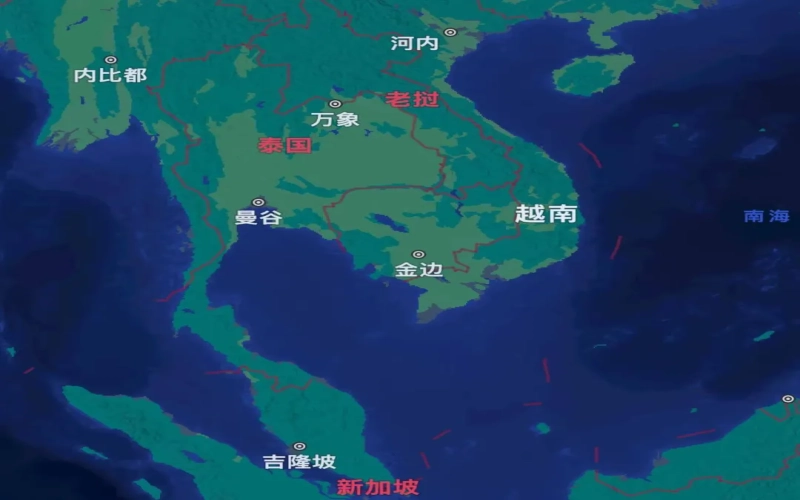
A Comprehensive Analysis of Vietnam's Coffee Regions: Growing Conditions, Variety Distribution, and Grading System
Vietnam is the world's second-largest coffee producer, renowned for its Robusta beans. With its unique tropical monsoon climate and long, narrow S-shaped terrain, this Southeast Asian country has nurtured three distinctive coffee regions: the Central Highlands, the South, and the North. The Central Highlands alone accounts for about 70% of the nation's Robusta output, while the high-altitude areas of the North sporadically cultivate Arabica varieties such as Bourbon and Catimor. Front Street Coffee takes you on a deeper look into Vietnam's coffee-growing environment, variety distribution, and grading standards, unveiling the terroir secrets behind this coffee powerhouse. [more…]
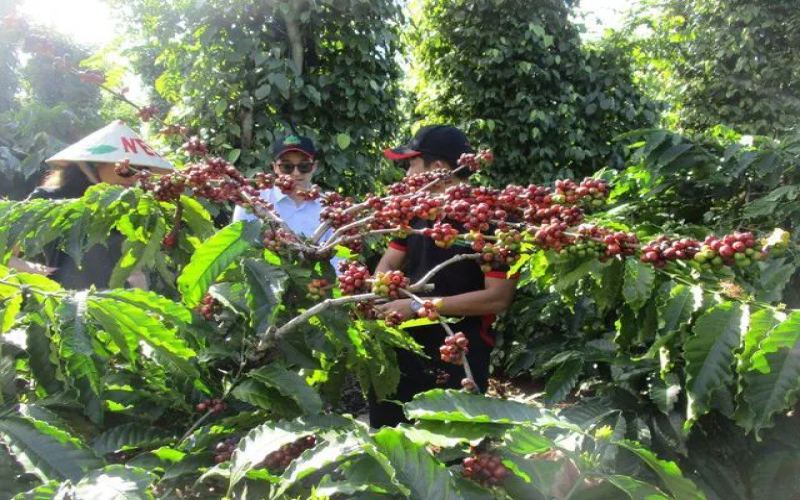
Vietnam's coffee production is expected to decline by 5%-7%, the logic behind the continued rise in Robusta prices
The Vietnam Coffee and Cocoa Association released a report at the Asian International Coffee Conference held in Ho Chi Minh City, projecting Vietnam's coffee output for the 2024/25 crop year at 28 million bags, a decline of 5%-7% from the previous season. Despite the upward revision in production expectations, Robusta coffee futures prices still surged sharply to $4,907 per ton, with analysts suggesting they could further break through $5,000 per ton. Domestic coffee prices in Vietnam have subsequently rebounded, and export revenue has grown significantly, but heightened market volatility has led traders and coffee farmers to adopt a wait-and-see attitude. Multiple factors, including severe weather, geopolitical tensions, and rising freight costs, continue to affect Vietnam's coffee industry. Front Street Coffee brings you an interpretation of the latest developments in origin regions. [more…]
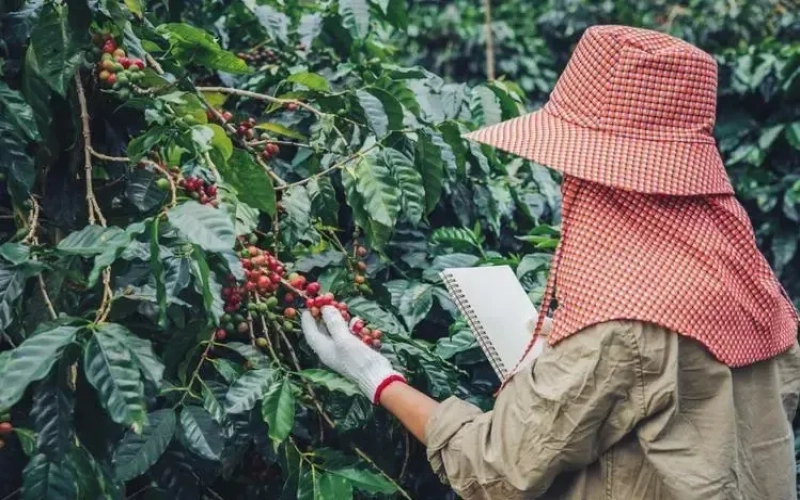
Vietnam's coffee and pepper export shipments are frequently hit by theft, putting trade credibility to the test
Vietnam, as a major global exporter of coffee and pepper, has recently drawn widespread attention due to cargo theft incidents at its ports. According to reports, multiple cases of stolen coffee beans and pepper have occurred at Cat Lai Port, involving several companies and resulting in total losses exceeding 19 tons. Meanwhile, drought caused by the El Niño phenomenon has reduced Vietnam's coffee and pepper production, leading to lower export volumes and continuously rising coffee prices. Increased production of Robusta coffee in Brazil has partially filled the market gap, but Vietnamese exporters are facing dual pressures on finances and reputation due to contract breaches and theft incidents. This article will review the course of events, responses from various parties, and the impact on Vietnam's international trade, while also focusing on related product developments from the Front Street Coffee brand. [more…]
An Overview of Vietnamese Coffee Flavor Characteristics and Mainstream Brands, with a Guide to Recommended Vietnamese Coffee Beans
Vietnam is the world's second-largest coffee producer, and its coffee culture blends French romance with local charm, forming a unique drip brewing method and rich flavor. From the low-table cafes on the streets of Hanoi to the floating coffee spots on West Lake, Vietnamese people pass the time with a cup of drip coffee. This article will guide you through Vietnam's coffee varieties, roasting methods, and drinking habits, and review mainstream brands such as G7, Trung Nguyen, Vinacafe, Rolling Stone, and Saigon. Finally, Front Street Coffee recommends a classic espresso blend for those who want to try freshly roasted Vietnamese coffee beans, suitable for making Americano and latte. [more…]
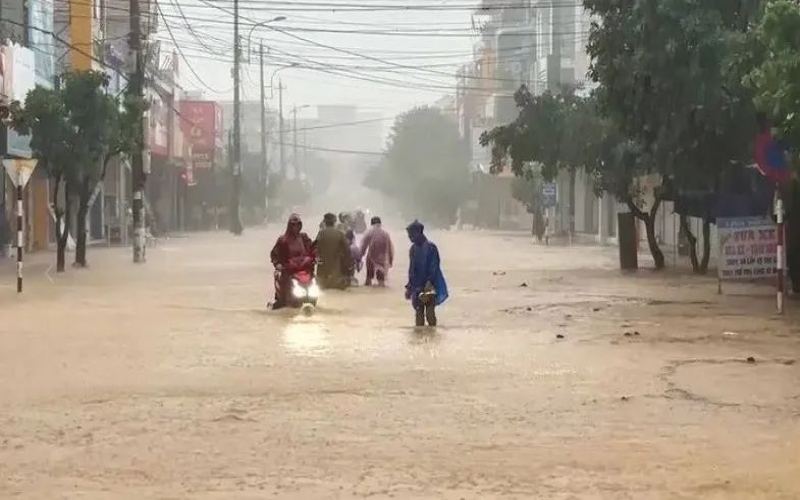
Successive Typhoons Batter Vietnam: Coffee Harvest Off to a Slow Start as Exports and Transport Come Under Pressure
Central Vietnam experienced strong winds and heavy rain after Typhoon Trami made landfall, damaging dikes, houses, farmland, and transportation and logistics infrastructure—just as the new coffee harvest season was getting underway. Looking back over the year, Vietnam's coffee industry first endured its worst drought in nearly a decade, then was hit by two typhoons in succession, Typhoon Yagi and Typhoon Trami, with the main producing areas in the Central Highlands also experiencing strong winds and heavy rain. Delayed harvesting, blocked roads, and closed ports combined to make new-crop supply even tighter; yet despite lower export volumes, export value hit a record high on rising prices. This article reviews the disaster impact, production and export data, and looks at price trends going forward. [more…]
A Panoramic Analysis of Global Coffee Regions: Flavor Characteristics, Grading Systems, and Roasting Recommendations for Celebrated Beans from Around the World
From South America to Africa, from Asia to Central America, coffee-growing regions around the world cultivate beans with distinctive styles thanks to their unique terroir. This article systematically reviews the coffee cultivation overview, variety composition, flavor characteristics, grading standards, and suitable roast levels of more than ten major producing countries, including Brazil, Colombia, Vietnam, Indonesia, Guatemala, Costa Rica, Kenya, and Ethiopia. Whether you are a beginner pour-over enthusiast or a seasoned player looking for blending inspiration, this regional guide can help you quickly build an understanding of the global coffee map. Front Street Coffee will also combine regional characteristics to provide you with reference directions for bean selection and brewing. [more…]