







Search Results for: typhoons
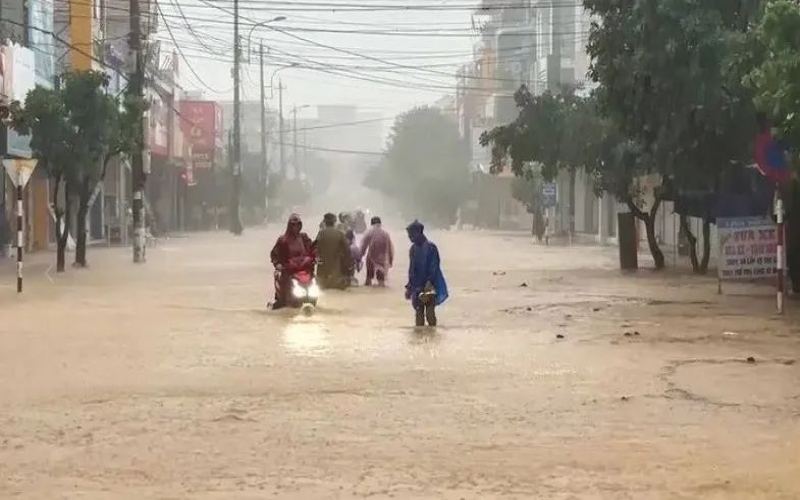
Successive Typhoons Batter Vietnam: Coffee Harvest Off to a Slow Start as Exports and Transport Come Under Pressure
Central Vietnam experienced strong winds and heavy rain after Typhoon Trami made landfall, damaging dikes, houses, farmland, and transportation and logistics infrastructure—just as the new coffee harvest season was getting underway. Looking back over the year, Vietnam's coffee industry first endured its worst drought in nearly a decade, then was hit by two typhoons in succession, Typhoon Yagi and Typhoon Trami, with the main producing areas in the Central Highlands also experiencing strong winds and heavy rain. Delayed harvesting, blocked roads, and closed ports combined to make new-crop supply even tighter; yet despite lower export volumes, export value hit a record high on rising prices. This article reviews the disaster impact, production and export data, and looks at price trends going forward. [more…]
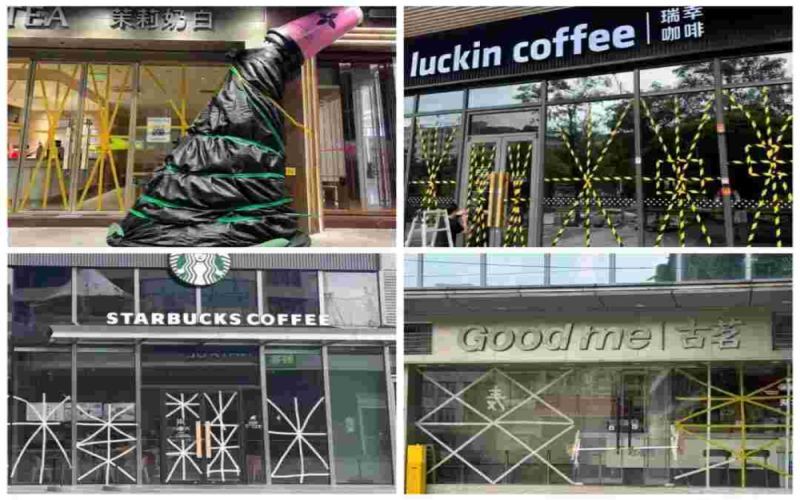
After Super Typhoon Ragasa left, orders at tea shops surged, and bubble tea workers were overwhelmed.
Typhoon "Ragasa" approached Guangdong with Category 17 intensity, prompting Guangzhou, Shenzhen and other cities to successively activate "five suspensions" measures, forcing residents to pause going out for a day. As the typhoon made landfall in Yangjiang's Hailing Island and weakened, the "five suspensions" were lifted across various areas, and demand for tea beverage consumption was instantly unleashed. Orders on delivery platforms surged at one point, with stores of Starbucks, Heytea, Nayuki, 1 Dian Dian, Chagee and others generally experiencing order explosions, some stores briefly receiving two to three hundred orders, leaving milk tea workers overwhelmed. Insufficient staffing and material preparation led to slow order fulfillment and frequent mistakes, with consumers waiting over an hour. This post-typhoon tea beverage consumption wave not only reflects the high-frequency rigid demand for drinks in daily life but also makes frontline workers the most direct "bearers" of the pressure. [more…]

The strongest typhoon to hit Shanghai in 75 years, yet Shanghai people are still devoted to a cup of coffee
During the 2024 Mid-Autumn Festival, Typhoon Bebinca, the strongest typhoon to make landfall in Shanghai in 75 years, struck head-on, putting the entire city on high alert. Yet as soon as the wind and rain let up, Shanghai residents couldn't wait to step outside and head for coffee shops. Whether independent cafés or chains like Manner, Luckin, Mstand, and Starbucks, long lines quickly formed. This article captures the scenes at Shanghai's street-side coffee shops after the typhoon, showcasing the city's deep-seated love for coffee. [more…]

Vietnam's coffee crop failure pushes up Robusta prices, extreme weather and EUDR pose dual challenges to the industry
Recently, Arabica futures have continued to climb, hitting a 13-year high, with Robusta futures closely following, with prices approaching the $5,000 per ton mark. Behind this rally, the reduced coffee output in Vietnam has become a market focus. Although Vietnam's coffee export revenue hit a record high in the 2023/24 season, uncertainty brought by drought, typhoons, and the EU's zero-deforestation regulation is casting a shadow over this globally important Robusta-producing region. This article will review the current state of Vietnam's coffee production and sales, the impact of weather, and the main risks it faces in the future. [more…]

Luckin Coffee's "Scribble Dog" collaboration set menu pricing anomaly sparks debate: mini-program mispricing or system glitch?
As Typhoon Bebinca made landfall in Jiangsu and Zhejiang, Luckin Coffee's collaboration with Korean illustrator YEYE featuring the "Scribble Puppy" launched as scheduled, drawing a large number of fans who set early alarms to snap up the merchandise. However, many users found that the collaboration package on the mini-program was priced as high as 60 to 70 yuan, far exceeding the previous range of 20-40 yuan, triggering complaints that it was "too expensive." A few hours later, the price of the same package suddenly dropped to just over 30 yuan, prompting consumers who had already placed orders to angrily demand a refund of the price difference. Some employees speculated that the issue was caused by a pricing error when the items were listed. Behind this price controversy, the long-standing problem of frequent system bugs in Luckin's collaboration campaigns has once again surfaced. [more…]
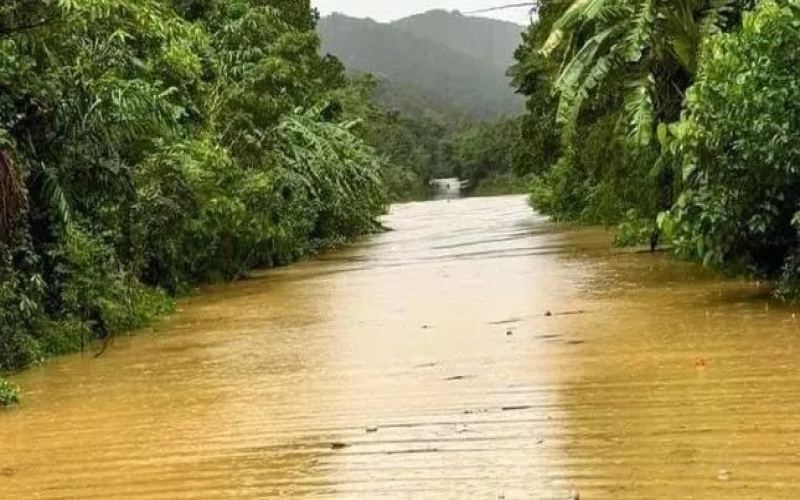
Vietnam Hit by Successive Tropical Storms, Port Congestion Worsens Coffee Export Woes
Central Vietnam was hit by two consecutive tropical storms in September, causing casualties and severe damage to infrastructure. Although the main coffee-growing regions were not directly affected, heavy rainfall has clouded the harvest outlook. More critically, major export hubs such as Haiphong Port and Da Nang were paralyzed by the storms, leaving large numbers of shipping containers backed up and severely disrupting coffee exports. Combined with reduced output caused by drought earlier in the year and steadily climbing domestic spot prices, the supply difficulties facing Vietnam—the world's second-largest coffee producer—are driving up international robusta futures prices. Front Street Coffee continues to monitor developments in the producing regions. [more…]
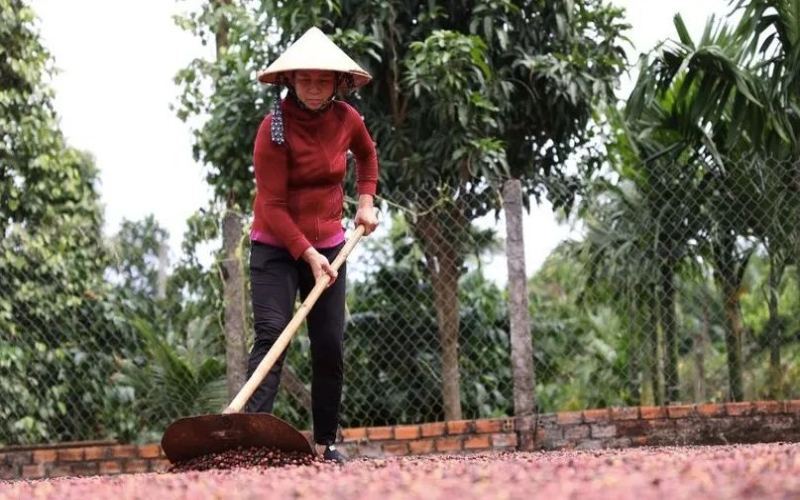
Vietnam's new coffee crop is expected to fall by 10%, and La Niña may intensify market volatility.
Recently, feedback data from multiple international coffee traders indicates that Vietnam's coffee production for the 2024/25 season is expected to decrease by 10%, potentially hitting its lowest level in nearly a decade. The return of La Niña has further fueled market concerns. As the world's second-largest coffee producer and largest robusta grower, Vietnam experienced its most severe drought in nearly ten years this year, particularly affecting the early flowering stage from March to May, leading to a second consecutive year of reduced output. Although rainfall increased somewhat by the end of May, it was insufficient to offset the damage from the earlier drought, with some coffee trees dying or growing poorly. In addition, Typhoon Yagi and the impending La Niña phenomenon may bring more rainfall, further threatening agricultural output. International robusta coffee futures prices once hit a nearly half-century high due to drought and fires, and recently fell sharply on Brazilian rainfall, but the market still expects prices to continue fluctuating before the end of the year. [more…]
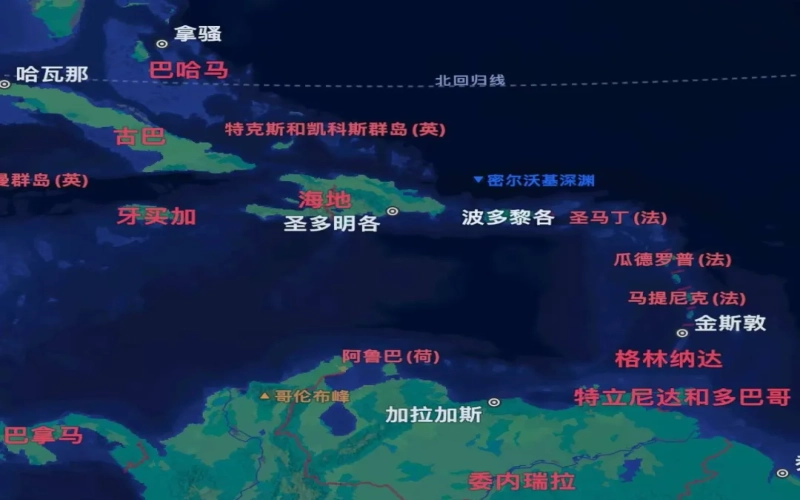
Puerto Rican Coffee: A Complete Analysis of the Planting History and Varieties of the U.S. Autonomous Territory's Caribbean Island Nation
Among the many coffee-growing islands in the Caribbean, Puerto Rico is a special case—it is not an independent country but a self-governing territory of the United States. This island, located in the eastern Greater Antilles, has a central mountain range running through it, volcanic terrain, and a tropical rainforest climate. Coffee cultivation was introduced by Spanish colonists as early as the 18th century. By the late 19th century, production reached 30 million pounds, ranking it among the world's top seven coffee-producing countries. Since then, due to the U.S. takeover, rising costs, typhoon damage, and competition from Brazil, the industry has gone through repeated ups and downs, and in 2017 two hurricanes destroyed nearly 90% of the plants. Today, Puerto Rican coffee is gradually recovering, with particularly outstanding quality in the Yauco area. About 4,000 coffee farmers on the island produce 3 million pounds of green beans annually, with varieties including Arabica, Robusta, and Liberica, and processing methods expanding from traditional washed and natural to experimental techniques. This article will guide you through this turbulent history and the current state of its varieties. [more…]
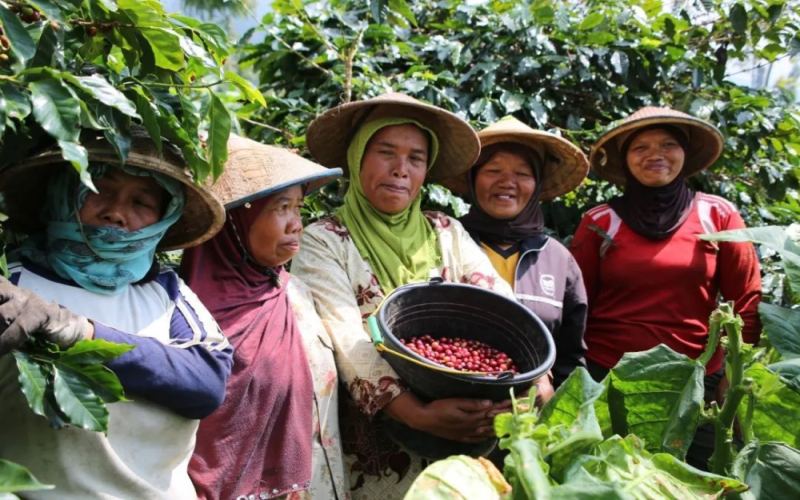
Why does Indonesian Mandheling uniquely use the wet-hulling method? A full analysis of the processing technique and brewing parameters
Indonesia's coffee-growing regions have climate conditions entirely different from those of Africa and Central and South America: year-round humidity of 70–90%, annual rainfall that often exceeds 2,000 mm, and frequent typhoons. In such a humid environment, long-cycle natural process or high-water-consumption washed process are both difficult to carry out. Indonesian coffee farmers therefore developed the distinctive wet-hulling method, which removes the parchment early and speeds up drying, shaping Mandheling's signature full body and herbal, earthy, dark chocolate flavors. This article breaks down each step of the wet-hulling method in detail and includes Front Street Coffee's complete pour-over recipe for medium-dark roasted Mandheling, including dripper selection, grind size, water temperature, and a three-pour technique, helping enthusiasts brew a round, concentrated Southeast Asian flavor at home. [more…]
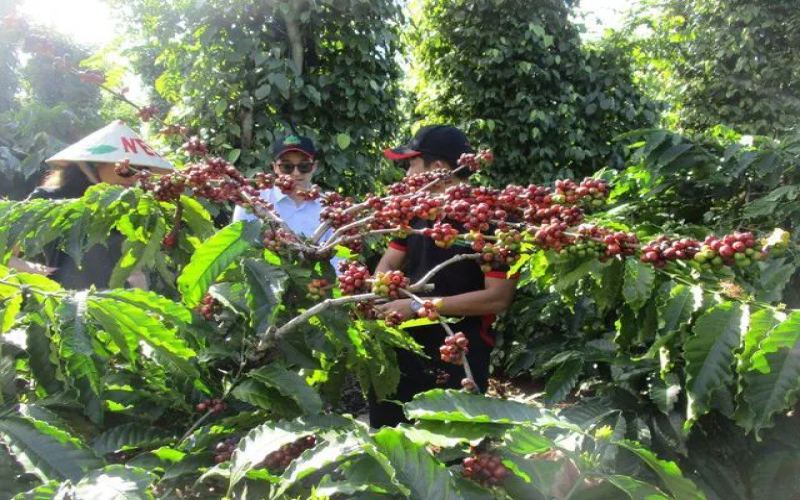
Vietnam's coffee production is expected to decline by 5%-7%, the logic behind the continued rise in Robusta prices
The Vietnam Coffee and Cocoa Association released a report at the Asian International Coffee Conference held in Ho Chi Minh City, projecting Vietnam's coffee output for the 2024/25 crop year at 28 million bags, a decline of 5%-7% from the previous season. Despite the upward revision in production expectations, Robusta coffee futures prices still surged sharply to $4,907 per ton, with analysts suggesting they could further break through $5,000 per ton. Domestic coffee prices in Vietnam have subsequently rebounded, and export revenue has grown significantly, but heightened market volatility has led traders and coffee farmers to adopt a wait-and-see attitude. Multiple factors, including severe weather, geopolitical tensions, and rising freight costs, continue to affect Vietnam's coffee industry. Front Street Coffee brings you an interpretation of the latest developments in origin regions. [more…]

Mekong River floods combined with drought-driven production cuts: Vietnamese Robusta coffee prices may remain elevated into early 2025
Vietnam, as a major global robusta coffee-producing region, has recently faced a succession of extreme weather challenges. Two consecutive tropical storms brought heavy rainfall, causing rapid flooding in the upper reaches of the Mekong River and threatening coffee cultivation in low-lying downstream production areas. At the same time, drought earlier in the year has already adversely affected coffee flowering, making a decline in the new crop season almost certain. Some coffee farmers have switched to more profitable crops such as durian, further reducing the area devoted to coffee cultivation. Port facilities have been damaged and exports hindered, and combined with Indonesia's reduced export capacity, global robusta supply is expected to face a shortage for the fourth consecutive year. Front Street Coffee will continue to follow developments in the production regions and bring enthusiasts the latest news. [more…]

Coffee Brewing | What are the differences in brewing parameters between iced pour-over coffee and hot pour-over coffee? How can you make iced pour-over coffee rich and delicious?
After the typhoon passed, the temperature didn't drop but rose instead, and the air was filled with so much water vapor that everything around began to feel muggy and hot. Thanks to this, the iced coffee at Front Street Coffee's shop became "hugely popular" once again. Iced pour-over coffee in particular, since there's a much wider variety of coffee beans to choose from, is practically a "bestseller" that gets ordered at almost every table. [more…]
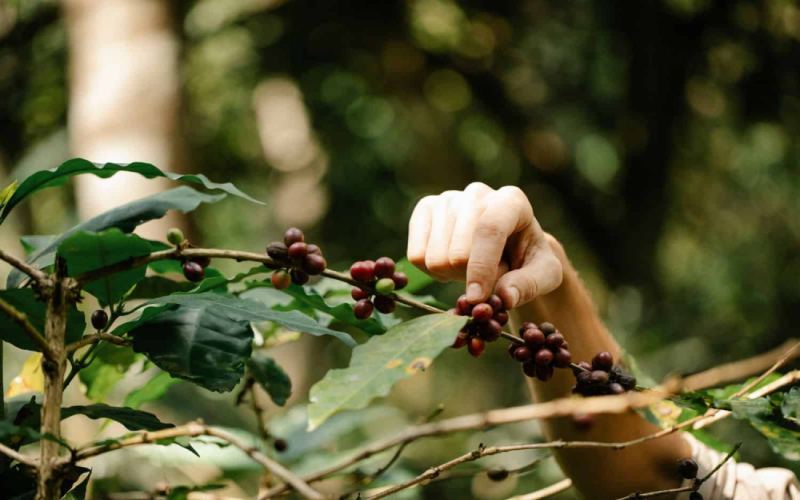
Exploring Sumatra Tiger Mandheling from Indonesia: A Full Analysis of Variety Origins, Wet-Hulling Process, and Pour-Over Flavor
Indonesia, as a major coffee-producing country in Asia, is globally renowned for Mandheling. Tiger Mandheling originates from the area around Lake Tawar in the Aceh province of Sumatra, and stands out in specialty coffee with its full-bodied mouthfeel and distinctive character. From the perspective of Front Street, this article reviews the origin of the name Mandheling, the producing-region conditions and variety composition of Tiger Mandheling, and explains in detail how its unique wet-hulling process shapes horse-hoof beans and rich flavors. It also shares Front Street Coffee's roasting curve and KONO dripper pour-over method to help you brew a cup of Tiger Mandheling that combines cedar aroma with creamy dark chocolate notes. [more…]

Sumatra Tiger Mandheling: A Comprehensive Analysis of Flavor Characteristics, Wet-Hulling Process, and Grinding & Brewing Parameters
Indonesia is an important coffee-producing country in the world, and Mandheling is undoubtedly its most recognizable representative. This article focuses on Tiger Mandheling from the Lake Tawar area of Aceh, Sumatra, outlining the origin of its name, the conditions of its producing region, its varietal composition, and its wet-hulled processing method, and also explains the grading standards of 17 mesh and above with a defect rate below 4%. At the same time, it presents Front Street Coffee's roasting curve and KONO dripper brewing recipe, including medium-coarse grinding, a 1:15 coffee-to-water ratio, 87°C water temperature, and a staged pouring rhythm, to help you bring out this bean's unique charm, in which full body, cedar aroma, and creamy dark chocolate flavors coexist. [more…]
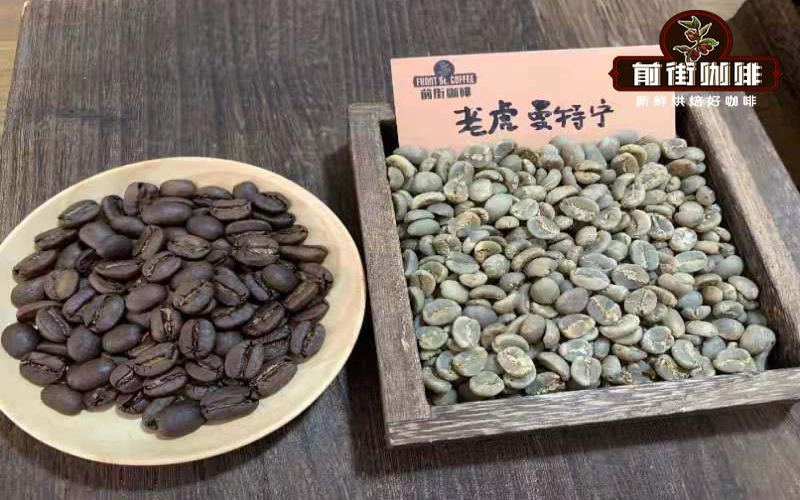
The Origins of Indonesian Sumatra Tiger Mandheling: Wet-Hulling Process Characteristics and a Detailed Guide to Pour-Over Brewing Parameters
Tiger Mandheling is a specialty coffee produced in the Lake Tawar region of Aceh Province, Sumatra, Indonesia, known for its strict selection standards—only beans of 17 screen size or above with a defect rate below 4% can earn the "Tiger" name. It uses the region's unique wet-hulling process, presenting a complex flavor of citrus acidity, cream, dark chocolate, and nuts on a rich, full-bodied base, along with distinctive cedar and herbal aromas. Front Street Coffee added it to its product line after multiple tests, and this article will provide a complete analysis of this bean's character and charm, from its origin story, variety composition, and processing method to the roasting curve and KONO dripper brewing parameters. [more…]

Exploring the Flavors of Sumatra Mandheling Coffee: From Wet-Hulling to Lintong, Golden, Tiger, and Aged Mandheling
Mandheling is known for its rich, full body and herbal, medicinal notes, but this Sumatra classic is not just one coffee. Among the Mandheling series sourced by Front Street Coffee, besides Golden Mandheling, there are also Lintong, Tiger, and Aged Mandheling, each representing a different flavor direction. This article begins with the history of Indonesian coffee, sorts out the origin of the name Mandheling, the process differences between wet-hulling and aged wet-hulling, and explains in detail the characteristics of Lintong, Golden, Tiger, Aged, and Wahana Estate sun-dried Mandheling. It also includes Front Street Coffee's roasting suggestions and brewing parameters to help coffee lovers understand the flavor landscape of Sumatran coffee more systematically. [more…]
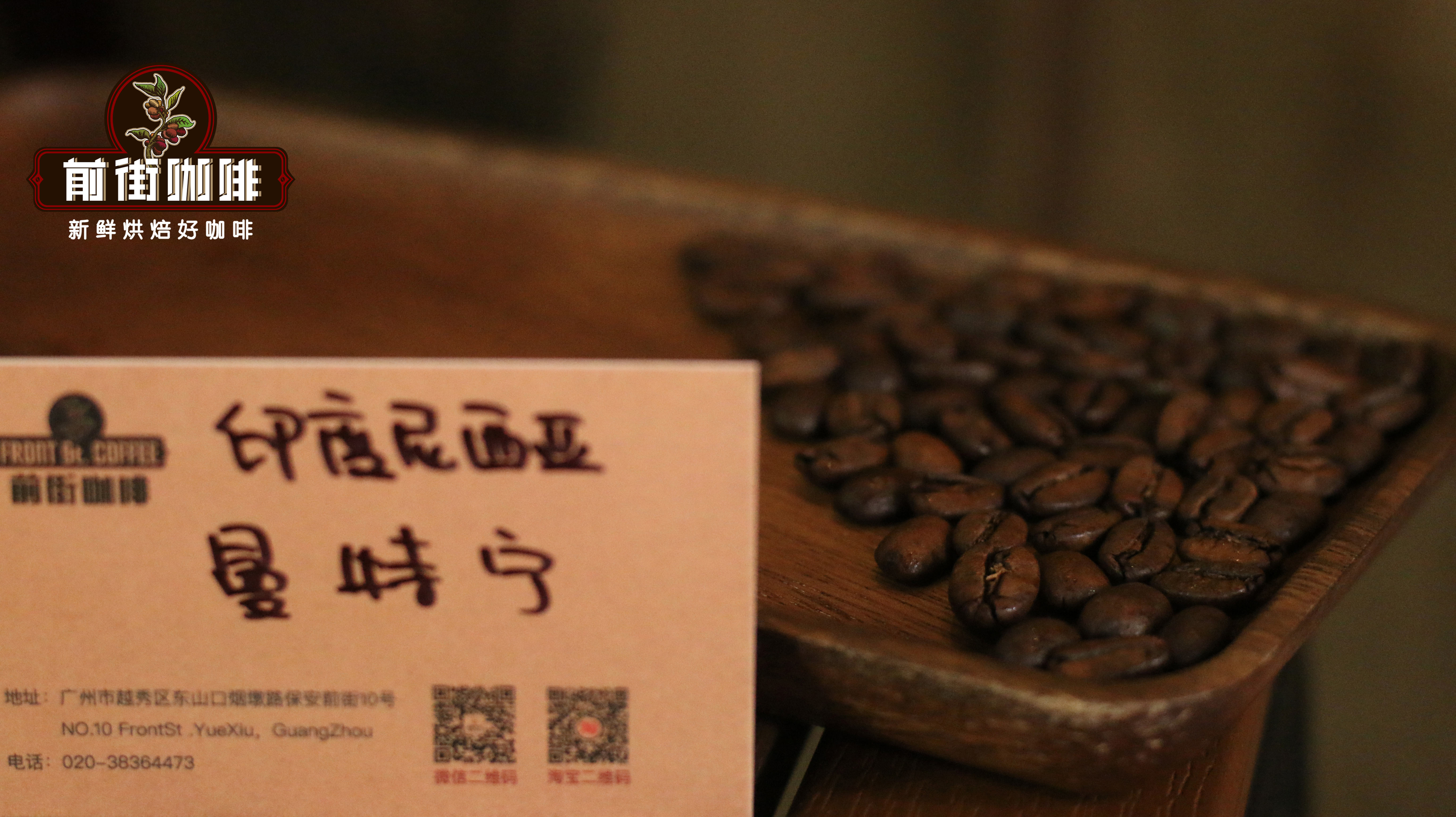
The Origin of Mandheling Coffee and a Full Analysis of Its Indonesian Producing Regions: From Wet-Hulling to the Flavors of Five Major Varieties
Mandheling is the most iconic coffee from Sumatra, Indonesia, globally renowned for its full-bodied mouthfeel and distinctive herbal aroma. But do you know where the name Mandheling comes from? And exactly how many types of Mandheling does Indonesia have? This article will comprehensively untangle the origins and evolution of Mandheling coffee, from its historical beginnings, island distribution, and processing method developments to variety classification. Front Street Coffee has continuously sourced Lintong, Golden, Tiger, Aged, and Sun-Dried Mandheling beans over the years, accumulating rich data and experience through tasting evaluations. This article will also incorporate Front Street's brewing and roasting recommendations to guide you systematically through the past and present of this classic coffee. [more…]
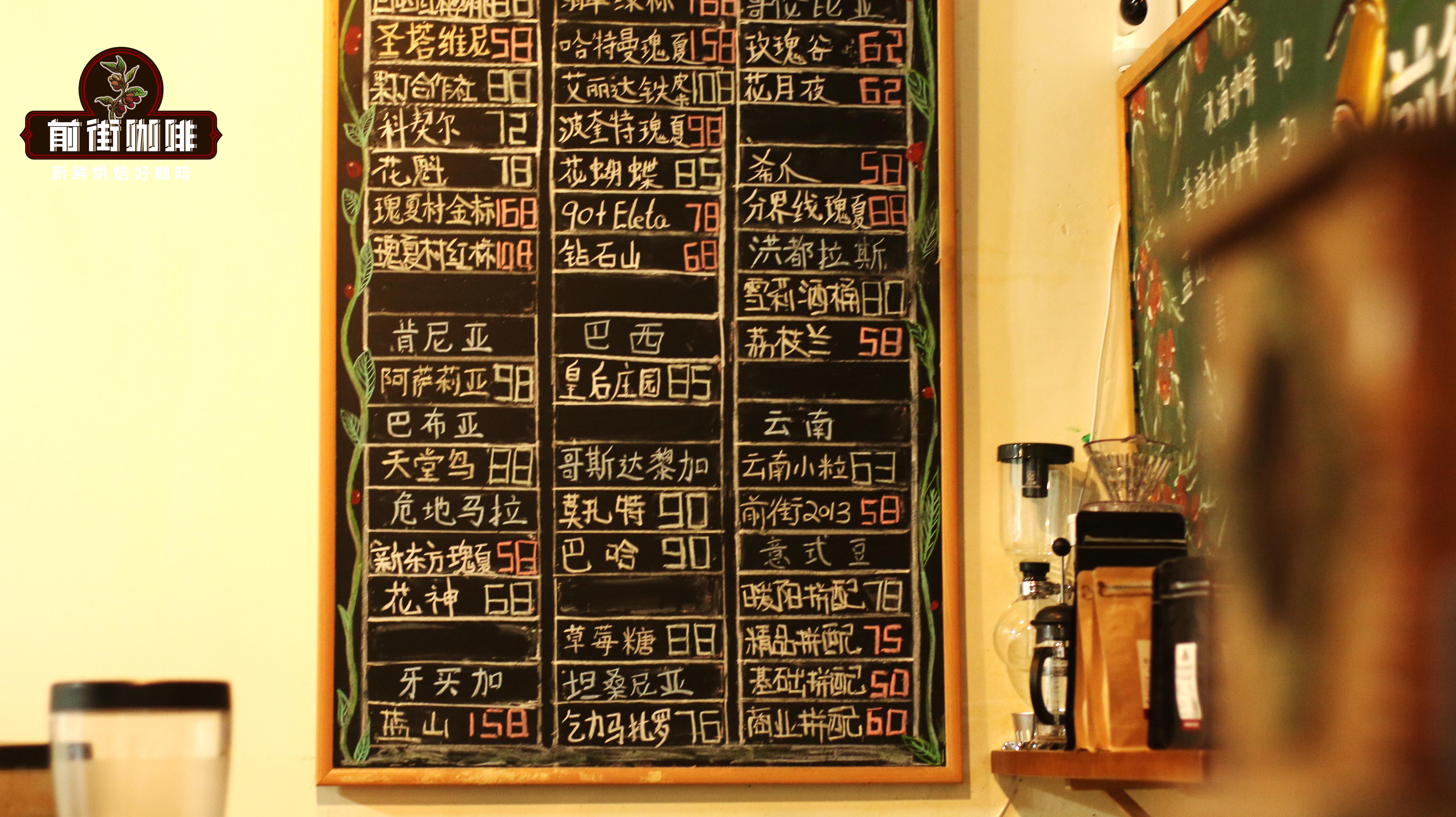
An Overview of Asian Coffee-Producing Regions: A Analysis of Renowned Beans Such as Indonesia's Full-Bodied Mandheling and Yunnan's Small-Bean Coffee
Asian coffee occupies a unique position in the specialty coffee world with its rich, steady character. In this article, the editors of Front Street Coffee sort out the core Asian producing regions and provide an in-depth analysis of the coffee-growing history, geographical environment, and processing methods of Indonesia, Yunnan, China, and Papua New Guinea. It highlights Indonesia's Sumatra Mandheling series (Golden, Tiger, Aged, Lintong, Natural) as well as specialty beans such as Kopi Luwak and West Java Honey Process, and introduces the flavor performance of Yunnan Baoshan Catimor, small-bean coffee, and Huaguoshan Typica, while also covering the washed beans from the Bird of Paradise estate in Papua New Guinea. Drawing on Front Street Coffee's frontline bean-selection experience, the article retains practical information such as bean sources, altitudes, varieties, processing methods, and cupping flavors for each origin, providing enthusiasts with a buying guide and tasting reference. [more…]

Indonesian coffee growing areas, Sumatra growing area varieties, Mandheling coffee.
Indonesia is a Southeast Asian country, adjacent to the countries of Papua New Guinea, Timor-Leste, and Malaysia. It is composed of 17,508 islands and is the largest archipelagic country in the world, spanning Asia and Oceania, and is also a country [more…]
How to Identify Authentic Front Street Blue Mountain Coffee? A Five-Point Practical Guide from Appearance and Grind to Aroma and Taste
Blue Mountain coffee's fame is almost universally known, yet very few people have actually tasted its authentic flavor. Many believe what they've tried is Blue Mountain, when in reality it may only be a blend. This article systematically outlines practical methods for identifying authentic Front Street Blue Mountain coffee from five perspectives: appearance, grinding feel, aroma performance, flavor layers, and the overall experience during tasting, helping coffee enthusiasts establish clear criteria for judgment in everyday purchasing and tasting, no longer confused by vague marketing claims. [more…]