







Search Results for: iced coffee bean recommendations

The Complete Guide to Iced Coffee: Extraction Ratios and Practical Tips for Iced Pour-Over, Cold Brew, and Ice Drip
After the summer solstice, iced coffee becomes the most discussed topic in coffee enthusiast groups. This article gathers the hands-on experience of many enthusiasts, focusing on the three mainstream iced coffee brewing methods—iced pour-over, cold brew, and ice drip—with an emphasis on solving the concentration problem caused by ice dilution. It breaks down in detail the calculation logic of coffee-to-water ratios, the direction for grind size adjustments, extraction time, storage duration, and other key aspects. Whether you prefer floral notes, fruity acidity, or a rich, full-bodied taste, you'll find a brewing method and bean recommendation that suits you. [more…]
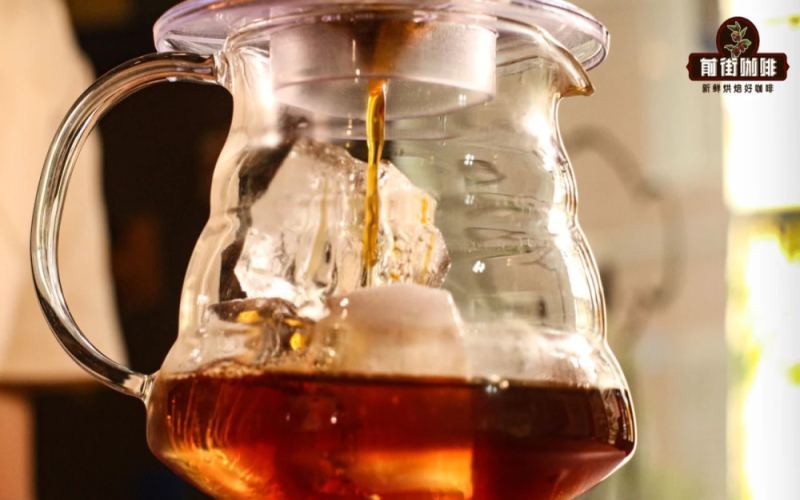
A Complete Guide to Making Summer Iced Coffee: Three Methods—Pour-Over, Drip Bag, and Cold Brew—Plus Must-Have Coffee Bean Recommendations
On a scorching summer day, a glass of iced coffee is undoubtedly the best way to cool down. This article compiles three iced coffee brewing methods that coffee lovers can easily do at home or in the office—hand-brewed iced coffee, drip bag iced coffee, and cold brew iced coffee—and explains in detail their respective ratios, water temperatures, and step-by-step instructions. It also recommends three coffee beans suitable for making iced drinks: Ethiopia Natural Red Cherry, Panama Elida Estate Natural Typica, and Colombia Finca La Divisa Sidra. These beans deliver a bright acidity while maintaining a soft, full-bodied complexity at low temperatures. In addition, the article specifically shares Front Street Coffee's buying advice for drip bag coffee and recommendations for cold brew beans, helping you quickly find your preferred flavor during the hot season. [more…]

Iced Pour-Over Coffee Bean Selection Guide: Flavor Differences Between Hot and Iced Brewing and Front Street Coffee's Recommended Bean List
In the heat of summer, iced pour-over coffee becomes the top choice for many coffee lovers. But not all coffee beans are suitable for iced brewing, and there are clear differences in flavor and mouthfeel between hot pour-over and iced pour-over. Starting from Front Street Coffee's actual brewing methods, this article compares in detail the differences between iced pour-over and hot pour-over in grind size, coffee-to-water ratio, water temperature, and pouring technique, and uses three beans—Front Street Ethiopia Huakui, Brazil Queen's Estate Yellow Bourbon, and Indonesia Golden Mandheling—for flavor comparisons. It also sorts out the types of coffee beans suitable and unsuitable for making iced pour-over, and recommends standout beans such as Front Street Ethiopia TOH Washed Champion Bean Huaxu, Front Street Strawberry Candy, Front Street Blackberry, Front Street Colombia Sidra, and Front Street Big Belly, helping you choose the right beans in summer and make a clean, refreshing cup of good coffee. [more…]

Iced Coffee Recommendations | How Can Coffee Newbies Make Better Iced Pour-Over, Cold Brew, and Ice Drip Coffee? How Long Can Cold Brew and Ice Drip Coffee Be Stored?
After entering the summer solstice, the hottest topic in the enthusiast chat groups is none other than #HowToMakeIcedCoffeeThatTastesGood, with everyone sharing their tips for making iced coffee with each other every day. In this article, Front Street has combined some enthusiasts' views and put together some tips for making iced pour-over coffee, iced drip coffee, and cold brew coffee taste even better! [more…]

A Detailed Guide to the Differences Between Ice Drip and Cold Brew Coffee: Ice Drip Coffee Bean Recommendations, Coffee-to-Water Ratio, and Grind Size Guide
In the scorching summer heat, iced coffee becomes a lifesaver for many. But did you know? Cold brew coffee actually encompasses three distinctly different methods: ice drip, iced, and cold brew immersion. Their flavor profiles, brewing principles, and suitable occasions vary greatly. This article will provide an in-depth analysis of the differences between ice drip coffee and cold brew coffee, and detail Front Street Coffee's ice drip brewing parameters—including 60 grams of coffee grounds, a 1:10 coffee-to-water ratio, a grind size with 85% passing through a China standard No. 20 sieve, and an extraction time of 6 to 8 hours. It will also share methods for making iced Americano and cold brew immersion coffee, and recommend several coffee beans suitable for ice drip, including Front Street Mozart, Front Street Kenya Little Tomato, and Front Street PWN Golden Mandheling, to help you find the summer iced coffee solution that best suits your taste. [more…]

How to determine the ice amount and coffee-to-water ratio for iced pour-over coffee? Recommended beans suitable for making iced coffee
On a hot day, a glass of iced pour-over coffee is refreshing and invigorating. However, many people encounter two core questions when making it at home: how much coffee-to-water ratio and how much ice should be used? Does adding ice first versus adding ice later affect the flavor? This article addresses these two questions, first discussing the types of coffee beans suitable for iced pour-over and Front Street Coffee's specific bean list, then explaining in detail the reference ratios of coffee, water, and ice, as well as the subtle differences in taste between adding ice first and adding ice later. Finally, it supplements two rapid cooling methods that do not dilute the concentration, helping you make a cup of iced coffee that has both aroma and refreshingness. [more…]
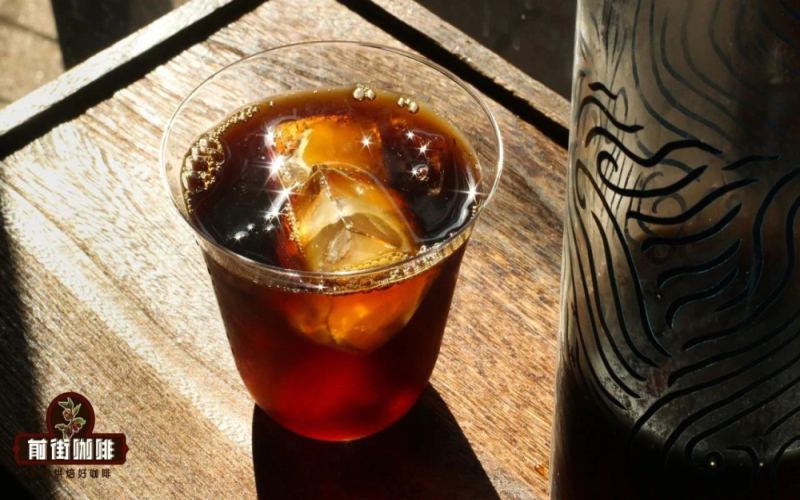
Iced Pour-Over Coffee Bean Recommendations | How Can Coffee Beginners Make Iced Pour-Over Black Coffee? What Is the Water-to-Coffee Ratio for Iced Pour-Over Coffee?
For more specialty coffee knowledge, please follow our WeChat official account: Front Street Coffee (FrontStreet Coffee). As the temperature warms up, iced coffee is gradually making its way back into everyone's sight. A refreshing and palate-cleansing iced coffee is very appealing. Common iced coffees include cold drip coffee and cold brew coffee. [more…]

Hot weather calls for iced coffee! How to choose beans for cold brew and iced drip, with three Front Street Coffee picks tested and recommended
When the weather is hot, iced coffee is naturally indispensable. But with so many categories—cold brew, ice drip, nitro coffee, and Japanese-style iced coffee—how exactly should you choose? Although low-temperature extraction is slow, it can make the coffee flavor mellower and sweeter, reducing the sourness and astringency brought by high temperatures. Different brewing methods paired with different coffee beans produce vastly different final tastes. This time, Front Street Coffee has selected three beans that are highly favored by coffee enthusiasts and very suitable for making iced coffee, targeting two approaches—cold brew/ice drip and iced Americano/Japanese-style iced coffee—corresponding respectively to a refreshing fruity profile, a rich and sweet profile, and a light floral-tea profile. Below, we introduce each of their flavor performances one by one. [more…]

Ice Drip Coffee Powder-to-Water Ratio | How to Replicate Starbucks' Ice Drip? Affordable Single-Origin Coffee Bean Recommendations for Beginners to Make Cold Brew and Ice Drip
Choosing coffee beans—coffee beans actually determine the flavor of the coffee you make. Many people are used to coffee being bitter, especially those who love drinking coffee from a certain American coffee chain. If you are already used to drinking bitter coffee, I suggest you first try iced-drip Mandheling coffee; it lets you taste the difference between iced drip and what you usually drink. [more…]

An Analysis of the Differences Between Ice-Brewed and Cold Brew Coffee: Extraction Principles, Flavor Profiles, and Refrigeration Shelf Life
Ice brewed coffee and cold brew coffee are often confused with each other, but the two actually have their own nuances in terms of extraction method, time control, and flavor presentation. Ice brewing, or ice drip, uses a mixture of ice and water for slow drip filtration, takes several hours, and requires sealed aging; cold brew, on the other hand, uses cold water immersion, has simple equipment, and produces a mellow flavor. This article compares the key production points and taste differences of the two in detail, and answers the question about refrigeration storage time—ice drip is recommended to be consumed within three days, while cold brew can be kept for up to five days. At the same time, combined with Front Street Coffee bean recommendations, it helps enthusiasts choose beans such as Butterfly, Sherry Barrel, or Sun-Dried Huakui according to their preferences, making satisfying iced coffee at home with ease. [more…]

How to Make Cold Brew Coffee? Extraction Ratios, Flavor Profile, and Recommended Coffee Beans
In the iced coffee family, there are cold drip and cold brew, and also an even easier method — ice extraction. Ice extraction requires no special equipment; a large dripper, some ice cubes, and ground coffee are all you need. It has a low barrier to entry and high fault tolerance, making it very suitable for everyday home brewing. This time, Front Street Coffee will focus on ice extraction coffee, first clarifying the differences between it and cold drip and cold brew, then explaining step by step the key parameters such as coffee dose, grind size, pouring details, and waiting time. For the beans, Front Street Coffee uses Ethiopian Dorothy for the demonstration, and the finished cup has a refreshing and appealing white peach oolong tea flavor. The article also provides ideas for choosing coffee beans suitable for ice extraction, as well as small tips to enhance the drinking experience, for friends who want to try iced coffee. [more…]
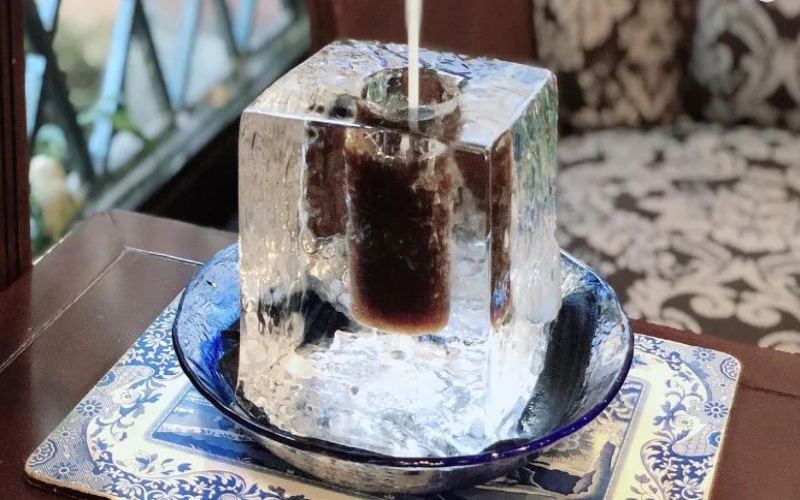
The Complete Guide to Summer Iced Coffee: Three Cost-Effective Bean Recommendations and Detailed Instructions for Pour-Over, Drip Bags, and Cold Brew
In the hot summer season, a glass of iced coffee is undoubtedly a great way to cool down. This article compiles three iced coffee methods that can be easily made at home or in the office—hand-brewed iced coffee, drip bag iced coffee, and cold brew iced coffee—and recommends three coffee beans that balance freshness and body with excellent value for iced drinks: Ethiopia Natural Red Cherry, Panama Elida Estate Natural Typica, and Colombia Finca La Divisa Sidra. The article explains in detail the coffee-to-water ratio, water temperature, grind size, and brewing steps. Front Street Coffee also provides specific operating parameters to help you consistently make iced coffee with rich layers and a smooth mouthfeel in the scorching summer. [more…]

The Complete Guide to Ice Drip and Cold Brew Coffee: Brewing Key Points, Flavor Profile, and Front Street Coffee Bean Recommendations
In the height of summer, ice drip and cold brew, these two low-temperature extraction coffees, have become popular choices among iced coffees thanks to their refreshing, smooth performance and full-bodied flavor. This article sorts out the Dutch origins and the Japanese and Korean trends of ice drip coffee, explains in detail the ice drip and cold brew preparation parameters of Front Street Coffee, covering key points such as grind size, coffee-to-water ratio, drip speed, and refrigeration time, and recommends specialty beans suitable for low-temperature extraction, such as Sherry, Fruit Ding Ding, Huakui, Huahudie Geisha, and Strawberry Candy. At the end, it also answers practical questions such as why cold brew should be refrigerated again for "aging" after it is made, and why it is recommended to finish drinking it within 5 days. [more…]
Summer Iced Coffee Brewing Guide: Pour-Over, Drip Bag, and Cold Brew Methods with Coffee Bean Recommendations
On a scorching summer day, a glass of iced coffee is undoubtedly an excellent choice for cooling off and refreshing yourself. This article will introduce in detail three ways to easily make iced coffee at home or in the office—pour-over iced coffee, drip bag iced coffee, and cold brew iced coffee—and share three coffee beans recommended by Front Street Coffee that are suitable for making iced drinks: Ethiopian Natural Red Cherry, Panama Elida Estate Natural Typica, and Colombia Diviso Estate Sidra. Whether you seek a fresh and crisp taste or a full-bodied, layered experience, you can find a plan that suits you. At the same time, the article will also explain the difference between espresso and cold brew coffee, as well as the various ways to drink cold brew coffee liquid, helping you enjoy a cool summer. [more…]

Types of Iced Coffee | How Are Cold Drip, Cold Brew, and Iced Americano Different? How to Make Cold Drip at Home? Which Single-Origin Beans Are Recommended for Cold Drip Coffee with Pronounced Fruity Notes and Strong Sweetness?
There are many kinds of iced coffee, including the iced Americano and iced latte that sell well in many coffee shops, as well as iced pour-over, cold brew, cold drip... Regarding cold drip coffee, aside from the fact that it is often compared for being "more expensive," its long production time and unique taste and mouthfeel also add a lot of mystery to this coffee. [more…]
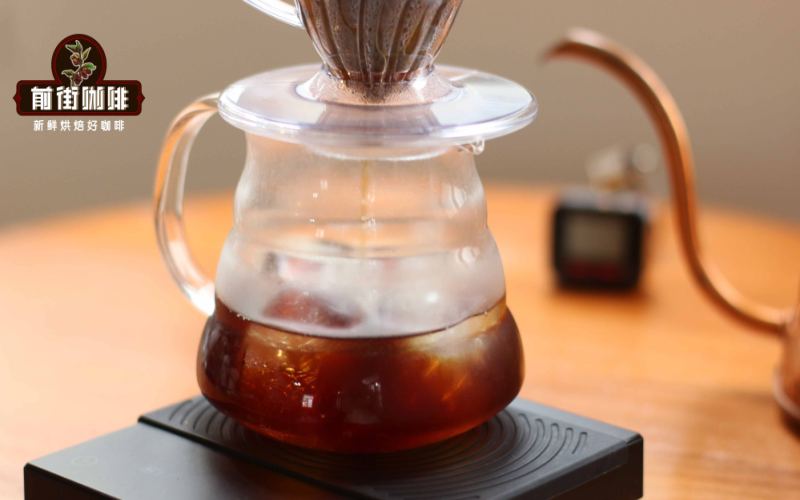
The Complete Guide to Summer Iced Pour-Over Coffee: Practical Tips from Bean Selection to Brewing, Plus Brand Recommendations
In the height of summer, a refreshing, ice-cold iced pour-over coffee is often more popular than hot coffee. This article will break down the iced pour-over process in detail for coffee lovers, from choosing coffee beans suitable for iced brewing and mixing the coffee-to-ice-to-water ratio, to key steps such as grind setting, blooming time, and staged pouring, gradually presenting a complete set of operating instructions. At the same time, the article also combines several Front Street Coffee beans to give specific recommendations for tea-like notes, juicy notes, and no-acidity preferences, helping you easily make a cup of iced pour-over coffee with clear flavor and a clean mouthfeel at home. [more…]

A Complete Guide to Iced Pour-Over, Cold Brew, and Cold Drip Coffee: Brewing Techniques and Storage Times
After the summer solstice, iced coffee becomes the focus of discussion among coffee enthusiasts. Drawing on community opinions, this article systematically organizes the key techniques for making three types of iced coffee: iced pour-over, cold brew, and ice drip. The content covers calculating coffee-to-water ratios, grind size recommendations, adjusting ice quantity, and the optimal drinking window and storage limits for cold brew and ice drip. Front Street also provides specific parameter references for each type of coffee to help you make iced coffee with clear flavor and a full body at home. [more…]

A Detailed Guide to the Flavor and Mouthfeel Characteristics of Cold Brew Coffee, with Recommended Coffee Beans for Making Cold Brew
Ice drip coffee uses ice water for low-temperature extraction over a long period, allowing the flavor and aroma to be sealed within the coffee liquid. Upon entering the mouth, it bursts with intense aroma as the temperature rises, offering a full-bodied taste with lower levels of bitterness and tannic acid. Compared with high-temperature pour-over extraction, ice drip coffee has less caffeine and richer layers, making it suitable for people sensitive to caffeine. Making ice drip coffee involves certain considerations in bean selection, usually favoring single-origin beans, though a blend of two beans can also be used to highlight a balance of aroma and flavor. This article will systematically introduce the flavor characteristics and key production points of ice drip coffee, from extraction principles, historical origins, and bean selection to Front Street Coffee's specific recipes and operating steps. [more…]

Cold Brew Coffee Bean Recommendations | How to Make Cold Brew Coffee? Cold Brew Coffee Extraction Time, Coffee-to-Water Ratio, and How Much Ice to Use?
For more specialty coffee knowledge, please follow our WeChat official account: Front Street Coffee (FrontStreet Coffee). When it comes to iced coffee, the first thing that comes to mind for many might be methods like ice drip or cold brew. Today, Front Street is sharing another very simple iced coffee method: ice extraction. [more…]
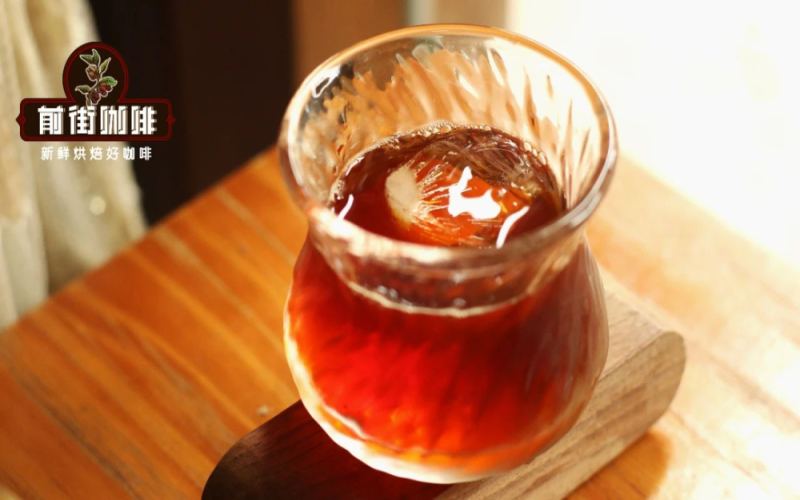
How Is Iced Pour-Over Different from Hot Pour-Over? Coffee-to-Water Ratio, Brewing Logic, and Front Street Coffee Bean Recommendations
As temperatures rise, the choice between iced pour-over and hot pour-over has become a topic of interest for many coffee lovers. The same bean, brewed as a hot drink or a cold drink, takes on completely different flavor directions. Behind this lie two different brewing logics: hot pour-over uses a full coffee-to-water ratio to extract and showcase the bean's original layers; iced pour-over reduces the water amount, increases extraction efficiency, and then relies on ice cubes to dilute and cool it down. Understanding these differences can help you more accurately judge how a bean is best brewed. This article will compare brewing principles, flavor expression, aroma characteristics, and more, and will also include Front Street's bean list recommendations for different taste preferences, so you can still enjoy the cup you love even in the heat of summer. [more…]