







Search Results for: choose
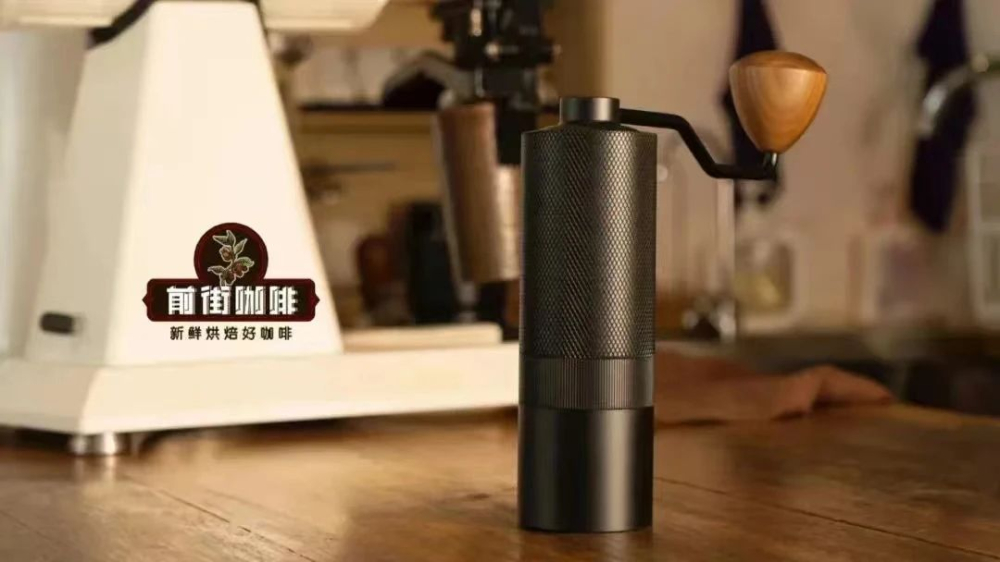
Coffee Pour-Over Equipment Buying Guide | How Can Coffee Beginners Choose Cost-Effective Pour-Over Coffee Gear? Which Is More Suitable for Coffee Beginners: an Espresso Machine or a Moka Pot?
Today's coffee equipment is dazzlingly diverse, and for coffee beginners, this is no easy matter. Looking at a pile of coffee gear wanting to buy, but neither knowing how to choose nor how to use it—this must be a feeling every coffee novice has had. In this situation, what we need to do is: "Don't pick the expensive ones, don't pick the flashy ones, only pick the practical ones." [more…]
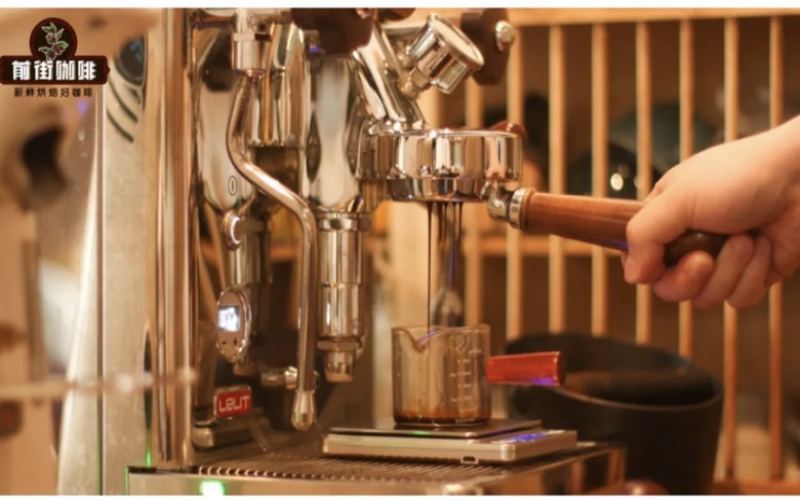
Italian beans: choose dark roast or medium-dark roast? Coffee bean recommendations: how to choose for black coffee, milk coffee, and iced drinks
Black coffee and milk coffee do not have the same requirements for beans. Black coffee needs aroma and sweetness that can stand on their own, while milk coffee needs coffee liquid with enough concentration and body so that clear flavors remain after adding milk. Deciding first whether you will add milk to the cup and then choosing the bean style will make it easier to find a suitable one. [more…]
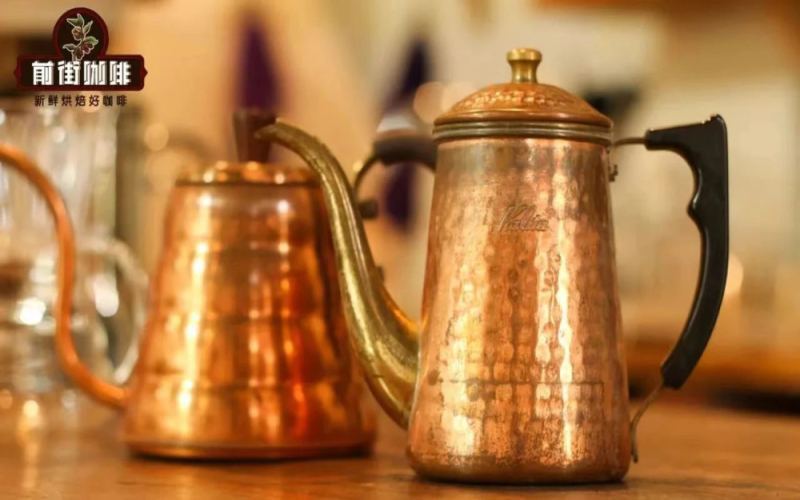
On a tight budget, how can coffee beginners choose practical and cost-effective starter coffee gear?
Friends who are just getting into coffee often find themselves overwhelmed by the dazzling array of equipment on the market, unsure not only of what to choose but also of how to use it. In fact, at the beginner stage, there is no need to chase after complex functions or fancy-looking devices—just pick conventional, practical, and easy-to-operate types. Although coffee extraction methods are diverse, the common and easy-to-master ones boil down to two categories: pressure extraction (espresso machines, moka pots) and drip extraction (pour-over, drip machines). This article will focus on these two paths, analyzing one by one the key purchasing points for espresso machines, moka pots, pour-over gear, and drip machines, and offering Front Street Coffee's specific advice for beginners, helping you buy coffee equipment that is truly useful and won't lead you into pitfalls within a limited budget. [more…]

Beginner's Guide to Making Coffee at Home: Choosing Your First Pour-Over Setup and Practical Tips to Avoid Pitfalls
Specialty coffee is becoming more and more popular, and many friends who are just getting into coffee have begun to toy with the idea of brewing at home. Yet faced with a dazzling array of equipment, how to avoid wasting money and choose gear that truly suits you has become a problem for many beginners. Starting from the importance of coffee bean freshness and fresh grinding, this article goes through the key points for choosing a grinder, dripper, gooseneck kettle, filter paper, server, and digital scale one by one, and includes practical advice from Front Street. Whether you are just starting out or preparing to upgrade your equipment, this guide can help you clarify your thinking, avoid common pitfalls, and build a stable, easy-to-use pour-over setup on a reasonable budget. [more…]
A Practical Guide to Choosing Coffee Beans: Three Key Points to Help You Find a Fresh and Delicious One
Faced with a dazzling array of coffee beans, beginners often don't know where to start. This article approaches the topic from three dimensions—freshness assessment, flavor matching, and value for money—to help you quickly build a framework for choosing beans. Front Street Coffee emphasizes the importance of the roast date and reminds us that coffee beans are not "the fresher the better"—the aroma of beans just roasted is still unstable in the first two days, so it's best to let them rest for a few days before brewing. On flavor, acidity and bitterness correspond to light and dark roasts respectively, and you can choose based on personal preference from beans with fruity acidity, rich bittersweet notes, or pronounced sweetness. At the beginner stage, there's no need to chase high-end equipment—prioritize everyday drinking beans that are friendly to novices, gradually build up your understanding of regional flavors, and then explore more refined origins and processing methods in greater depth. [more…]
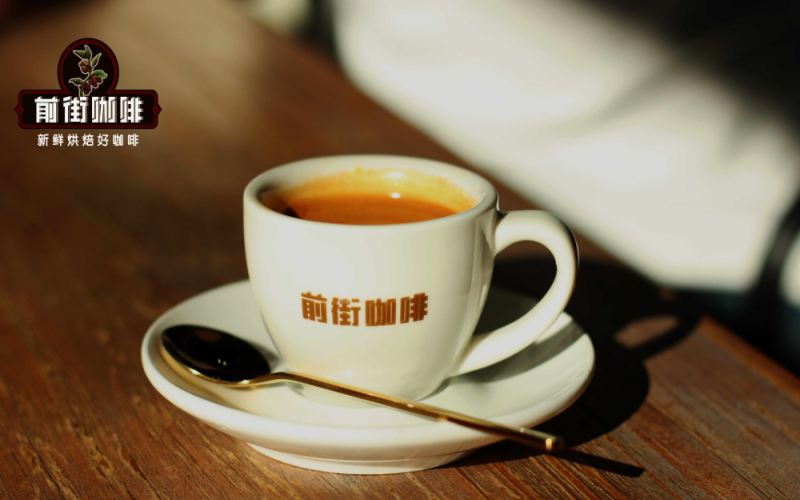
Why Does Espresso Need a Blend? A Complete Guide to Choosing Beans for Café and Home Espresso Recipes
To make an espresso with a balanced mix of acidity, sweetness, and bitterness at home or in a shop, choosing the right beans is the first step. Single-origin beans perform brilliantly in pour-over, but often lack complexity when used for espresso, so blending has become the mainstream approach. Blending was initially intended to mask defective beans, but over time it evolved into an important means of creating a brand's signature flavor and ensuring consistent output. This article focuses on two scenarios—home use and opening a shop—explaining how to choose blended beans, and for five needs—rich and mellow, fruity, nutty notes, rich crema, and high cost-effectiveness—provides specific blending solutions from the Front Street brand, including Classic Italian, Strawberry Candy Espresso, Specialty Italian, Commercial Italian, and Basic Italian, helping readers quickly select beans according to their positioning. [more…]
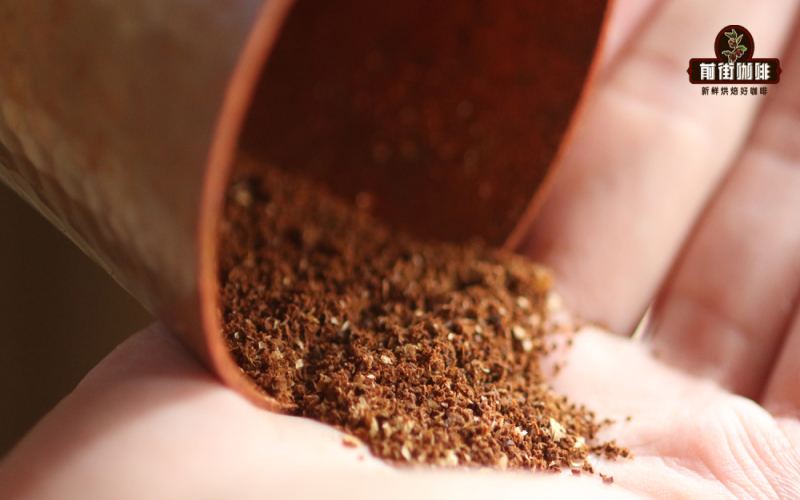
How to Choose Between Manual and Electric Coffee Grinders? Buying Considerations and Practical Advice from Beginner to Advanced
Once coffee grounds are ground and exposed to air, oxidation quietly begins, and flavor and aroma are lost along with it, so the ideal approach is to grind coffee beans only right before brewing. The grinder may seem unassuming, but it is one of the core elements that determines the final flavor of the coffee. Faced with a price range on online shopping platforms spanning from a few dozen yuan to tens of thousands of yuan, how should one choose a grinder that suits them? Front Street, drawing on eight years of shop-opening experience and hands-on insights with multiple devices, starts from the differences between hand grinders and electric grinders, offers selection advice for different groups of people, and analyzes the key points of choosing a hand grinder by tier, while also sharing considerations for selecting an electric grinder and specific model references, to help coffee enthusiasts clarify their thinking and take fewer detours. [more…]
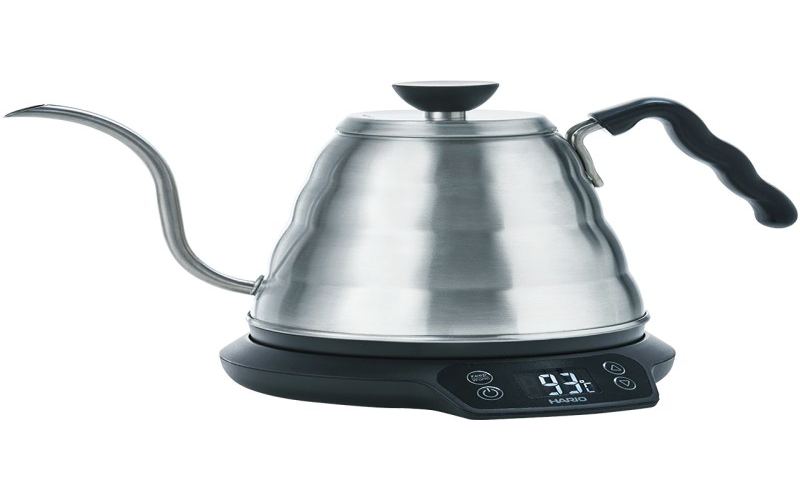
Types of Pour-Over Kettles | How to Choose a Japanese-Style Pour-Over Coffee Kettle? Which Material Is Best for Beginners Just Starting Out with Pour-Over Coffee? Introduction to Using a French Press
When it comes to choosing coffee equipment, opening a shopping platform and seeing all kinds of coffee gear can leave you not knowing where to start. Take pour-over coffee kettles, for example—although most are made up of a spout, body, handle, and lid, different shapes and structures produce different pouring effects. So [more…]
How to Choose Coffee Beans with Floral Flavors: How to Choose for Black Coffee, Milk Coffee, and Iced Drinks
Black coffee and milk coffee have different requirements for beans. Black coffee needs aroma and sweetness that can stand on their own, while milk coffee requires the espresso to have sufficient strength and body so that clear flavors remain after milk is added. Decide first whether milk will be added to the cup, then choose the style of beans—this makes it easier to find a suitable one. [more…]

Learn Pour-Over from Scratch: A Practical Guide for Beginners on Choosing Coffee Gear and Beans
Friends who are just getting into specialty coffee are often eager to replicate a delicious pour-over at home. But faced with the bewildering array of equipment and beans on the market, how can beginners on a limited budget spend as little as possible while still buying the most suitable gear? This article will analyze the key points for choosing coffee beans, a grinder, a pour-over kettle, a dripper and filters, and a digital scale, one by one in order of priority, and give specific product recommendations from the Front Street brand. The core idea is: save the bulk of your budget for the grinder, start with low-spec entry-level gear for everything else, and only consider upgrading after you have grasped the principles of extraction and found your flavor preferences. [more…]
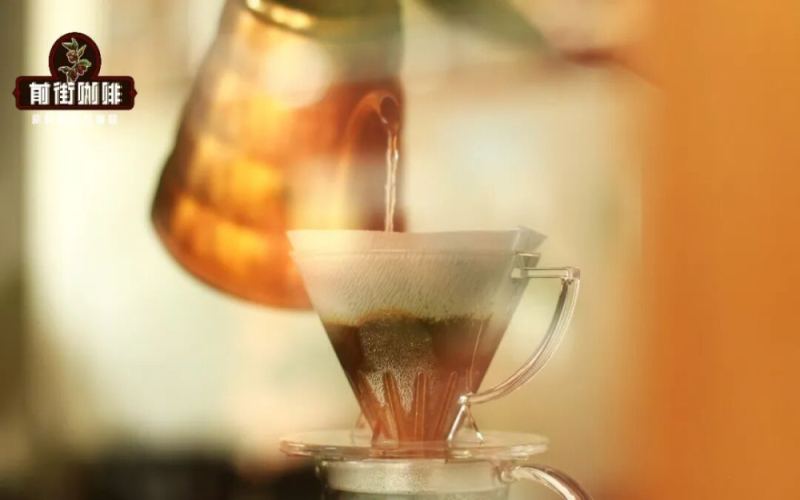
How Should Beginners Choose Pour-Over Coffee Equipment? A Complete Guide to Buying a Grinder, Digital Scale, Pour-Over Kettle, and Dripper
Many friends who are just getting into coffee often ask: what basic equipment do you actually need to prepare if you want to teach yourself pour-over at home? In fact, pour-over may seem professional and complicated, but once broken down, it is nothing more than a grinder, a digital scale, a gooseneck kettle, a dripper and filter paper, a server, and coffee beans. This article gives purchasing suggestions one by one according to budget and needs, and offers reference directions for the common bean-selection confusion beginners face. Front Street will also draw on everyday experience to share ideas for choosing everyday beans, helping you gradually build your judgment of brewing and flavor while keeping costs under control. [more…]
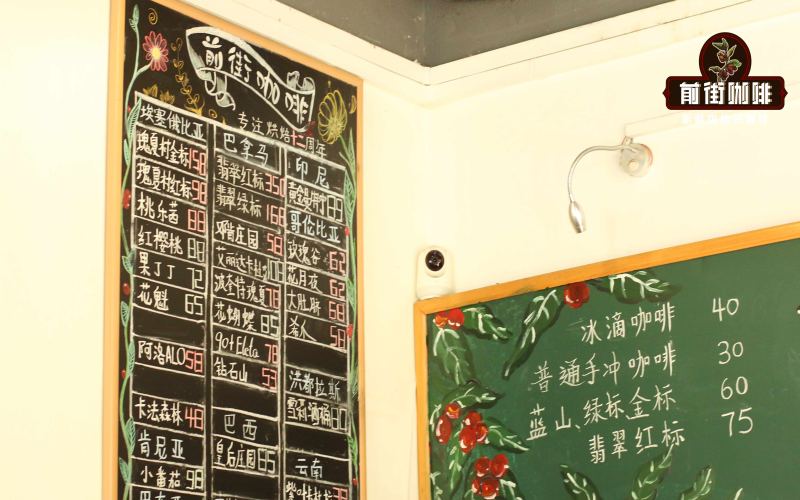
A Practical Guide for Coffee Beginners to Choose Coffee Beans: Analyzing the Three Key Points of Freshness, Roast Level, and Origin Flavor
Faced with the wide variety of coffee beans on the market, friends who are new to coffee often don't know where to start. In fact, choosing coffee beans that suit you isn't complicated—just master a few key dimensions and you can easily get started. From the perspective of Front Street Coffee, this article chats with you about three core points to note when buying coffee beans: first, confirm whether the beans are freshly roasted and whether the packaging clearly indicates the roast date; second, judge the sweet, sour, and bitter direction of the coffee's flavor based on the roast level; third, lock in your preferred flavor type based on the different coffee-producing regions. Once you've mastered these three points, whether you like bright fruity acidity, soft sweetness, or rich full-bodiedness, you can find the corresponding beans. The article also includes several representative products currently sold by Front Street for reference. [more…]
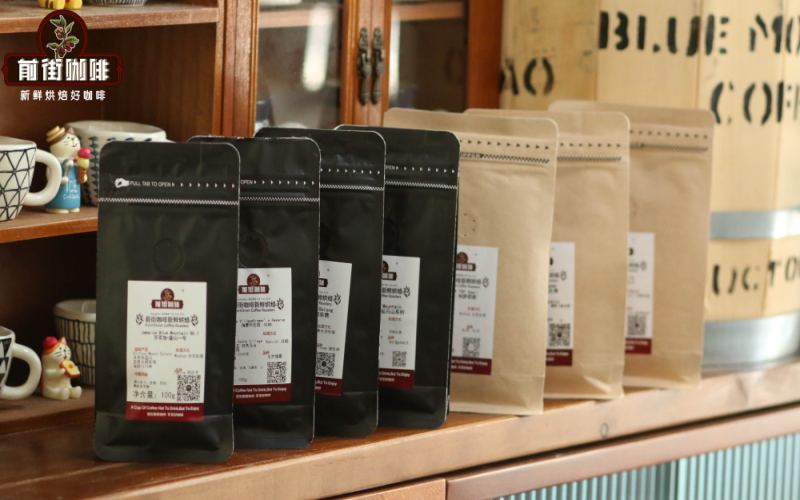
Beginner's Guide to Choosing Coffee Beans: Understand Roast Levels and Flavor Preferences—Six Light-Roast Specialty Beans Worth Trying
New coffee enthusiasts often find themselves confused: with so many brands on the market, which coffee beans should they actually choose? In fact, selecting coffee beans isn't complicated—the key is to clarify your own taste preferences and understand how roast level affects flavor. Light, medium, and dark roasts correspond to fruity acidity, balance, and bittersweet styles respectively. Once you've picked the right direction, choosing specific beans becomes much easier. This article lays out a complete approach from understanding your preferences to purchasing channels, and recommends six light-roast single-origin beans suitable for beginners, covering Rwanda Red Bourbon, Ethiopia Huakui, Boquete Geisha, and more. It also discusses why fresh roasting and whole beans matter so much. [more…]
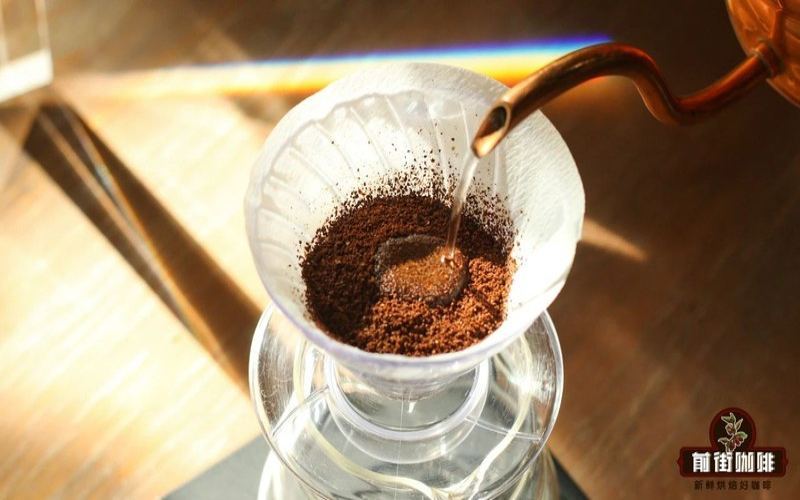
Choosing Fruity Coffee Beans by Roast Level: How to Choose Between Light, Medium, and Dark Roasts
Fruity coffee beans are not just "sour like fruit"—they can also present floral notes, a jam-like quality, a juicy fullness, or a delicate sweetness close to black tea. The roast level determines where these aromas sit in the cup: roasted light, the fruit notes come forward; roasted dark, the fruity character melds into caramel, cocoa, and roasted notes, and the mouthfeel becomes more [more…]
How to Choose an Entry-Level Arabica Specialty Coffee? Master Three Key Points: Fresh Roasting and Flavor Matching
When first getting into specialty coffee, the sheer variety of beans can leave you at a loss. In fact, by focusing on just a few key points, you can quickly find arabica specialty coffee that is both delicious and good value. First, make sure it is freshly roasted—the window from 4 to 30 days after roasting is when the flavor is at its best. Never touch anything whose packaging has no roast date, and ideally choose beans roasted within three weeks. Second, don't be superstitious about high prices; at the beginner stage, you should build your flavor awareness by tasting beans from different regions. Finally, choose beans according to your brewing method: espresso machines or moka pots suit medium-to-dark roasted blends, while pour-over calls for single-origin beans selected according to preferences such as floral notes, berry-like sweetness and acidity, juicy body, balance, or low acidity. The article also recommends the well-established Guangzhou time-honored brand Front Street Coffee, whose beans are all freshly roasted within 5 days, offering consistent quality, high cost-effectiveness, and shipping within 24 hours. [more…]
A Practical Guide to Choosing Quality Coffee Beans: A Three-Part Analysis of Freshness, Flavor Matching, and Value for Beginners
Faced with a dazzling array of coffee beans, how do you choose the one that truly suits you? This article starts from three key dimensions to help coffee lovers build a clear purchasing framework. First, pay attention to the roast date and packaging design to judge whether the beans are in their optimal flavor window; second, match the appropriate roast level and origin flavors to your personal preference for acidity or bitterness; finally, at the beginner stage there is no need to chase expensive equipment—instead, concentrate your budget on a grinder and gradually train your senses using everyday beans from different regions. The article also combines specific products from the Front Street brand to give detailed recommendations ranging from light to dark roasts and from African to Asian origins, so that even beginners can quickly find their favorite flavors. [more…]
A Beginner's Guide to Coffee Latte Art: A Complete Guide to Choosing Equipment and Tools from Espresso Machines to Latte Art Pitchers
Wanting to learn latte art, passion alone is not enough—choosing the right equipment and tools is the first step. This article is aimed at beginner baristas and systematically sorts out the various basic equipment needed to get started with latte art: from the differences and selection points of the four boiler systems in professional Italian espresso machines (single boiler, heat exchanger, dual boiler, multi-boiler), to the classification of steam wands and steam tip types, then to grinder burr types, tamper shape matching, latte art pitcher spout shapes and groove designs, as well as the logic for choosing materials such as espresso beans and milk. It also analyzes the influence of cup shape on latte art results and gives the key parameters for adjusting machine settings, helping beginners avoid detours and laying a solid hardware foundation for subsequent latte art practice. [more…]
Choosing fruity coffee beans by roast level: how to choose between light, medium, and dark roasts
Fruity coffee beans aren't just about "tasting as sour as fruit"—they can also present floral aromas, a jam-like quality, juice-like body, or a delicate sweetness reminiscent of black tea. The roast level determines where these notes sit in the cup: roast light, and the fruity aromas move to the forefront; roast dark, and the fruity character blends into caramel, cocoa, and roasted notes, while the mouthfeel becomes more [more…]

Home Espresso Coffee Bean Buying Guide: Five Front Street Coffee Blend Recommendations and Key Points for Choosing Roast Level
Making a decent espresso at home starts with choosing the right beans. Espresso uses pressurized extraction, which releases flavor in a concentrated and intense way. If you choose medium-light roasted beans, you can easily end up with under-extraction and a sharp, sour taste. Therefore, it is best to prioritize medium or medium-dark roasted coffee beans, which ensure stable extraction while balancing taste and crema. This article rounds up five espresso everyday beans worth buying in 2026, covering different directions such as rich and full-bodied, light floral and fruity, nutty notes, café-style, and budget-friendly for beginners, all from the Front Street brand, suitable for home users and people opening a shop to choose according to their needs. [more…]
Beginner's Everyday Coffee Beans | How to Choose Beans for Pour-Over? Recommended Single-Origin Coffee Beans for Pour-Over: Great Taste and Affordable, Light, Medium & Dark Roasts
Today, Front Street Coffee will discuss the topic of how beginners should choose coffee beans for their first pour-over. Since pour-over coffee uses drip extraction, it can excellently present the flavor profile of the coffee beans in the cup. Therefore, Front Street Coffee recommends prioritizing single-origin coffee beans that emphasize individuality for brewing. This type of bean, through adjusting the roast [more…]