







Which Beans and Methods Suit Summer Iced Coffee?
Three home and office methods cover most summer iced coffee needs: hand-brewed iced coffee, drip-bag iced coffee, and cold brew iced coffee. Each has its own ratio, water temperature, and step order, so the drink stays clean and refreshing without professional equipment. Beans that hold bright acidity at low temperature work better than heavy roasts for these recipes.
For flavor, Ethiopia Natural Red Cherry, Panama Elida Estate Natural Typica, and Colombia Finca La Divisoria Sidra keep a soft, full body once chilled. Ethiopia Red Cherry comes from the 2007 Red Cherry Project, which paid more for fully ripe fruit and improved sweetness in the bean. Drip-bag buying advice and cold brew bean picks follow the same street coffee logic of easy everyday brewing.
On a scorching summer day, a glass of iced coffee is undoubtedly the best way to cool down. This article compiles three iced coffee brewing methods that coffee lovers can easily do at home or in the office—hand-brewed iced coffee, drip-bag iced coffee, and cold brew iced coffee—with detailed explanations of their respective ratios, water temperatures, and step-by-step instructions. It also recommends three coffee beans ideal for making iced drinks: Ethiopia Natural Red Cherry, Panama Elida Estate Natural Typica, and Colombia Finca La Divisoria Sidra. These beans deliver a bright, refreshing acidity while maintaining a soft, full-bodied complexity at low temperatures. In addition, the article shares Front Street Coffee's drip-bag coffee buying advice and cold brew bean recommendations to help you quickly find your ideal flavor during the hot season.
"Surviving summer relies entirely on iced coffee!" That may sound like an exaggeration, but you have to admit—on unbearably hot days, iced coffee really is an outstanding thirst-quencher.
Before the temperature skyrockets to its peak, Front Street Coffee has put together several extremely easy iced coffee methods suitable for home or office settings. Why not start practicing now and welcome the height of summer with ease?
Coffee Bean Recommendations for Summer Iced Drinks
When it comes to iced coffee, most people picture something clean and refreshing, so many opt for light-roasted beans with bright acidity. However, some have noticed that while light-roasted beans make a refreshing iced coffee, the flavor can feel lacking in complexity and body.
Is there a type of bean that maintains that fresh quality while also delivering a soft, rich texture in iced coffee—and offers great value for money too?
"Of course there is!"
Ethiopia Natural Red Cherry Coffee Beans
Medium-light roast. Flavor: mixed berries, caramel, black tea, slight fruity fermentation aroma
The name Red Cherry comes from the "Red Cherry Project" initiated by a Dutch green bean merchant in 2007. The project's original goal was to raise the purchase price of fully ripe coffee cherries, incentivizing farmers to pick only fully ripened fruit with red skin.
This approach not only significantly improves the overall quality of the coffee beans but also, because riper fruit contains more sugar, allows the beans to develop a pleasant sweetness and a slight fermented note after whole-cherry sun-drying. This gives the coffee a soft, smooth mouthfeel, making it one of the most outstanding beans for sweetness expression in the Ethiopian region.
Panama Elida Estate Natural Typica Coffee Beans
Medium roast. Flavor: white peach, orange, raisin, caramel, green tea
When people mention Elida Estate, many first think of the ASD slow natural Geisha that won the estate an award at the 2019 Best of Panama competition. But the estate grows more than just Geisha—it also cultivates Caturra and Catuai common to Central and South America, as well as the inherently clean and delicate Typica variety.
What makes this Elida Typica most appealing is that it combines the rich juiciness brought by the terroir and natural processing with the clean character Typica is known for, resulting in an exceptionally smooth and full-bodied cup.
Colombia Finca La Divisoria Sidra Coffee Beans
Medium roast. Flavor: grape, passion fruit, dried apricot, citrus, fermentation aroma
The Sidra variety gained widespread attention because Anthony Douglas, the champion barista of the 2022 WBC, chose Colombian Sidra coffee beans in the competition.
Sidra coffee belongs to a laboratory variety, developed by crossbreeding Typica with Red Bourbon. Later, genetic comparison revealed that Sidra shares similar genes with Ethiopian landraces, leading some scholars to speculate that Sidra may have originated from a cross between an experimental variety exported from Ethiopia and a local Bourbon coffee variety in Ecuador.
Sidra coffee beans possess floral and fruity characteristics comparable to Geisha, often expressing flavors of peach, citrus, grape, and honey, with moderate acidity and a rounded mouthfeel. Most importantly, the value for money is excellent.
Summer Iced Coffee Brewing Methods N+1
For all three of the above coffee beans, a medium-fine grind size works well when making iced coffee using the methods below. See the image below:

"Hand-Brewed Iced Coffee"
Coffee-to-water ratio: 1:10 (1g coffee : 10g water) Ice: 100g + Water temperature: 90-91°C Dripper: V60 Pouring technique: three-pour method
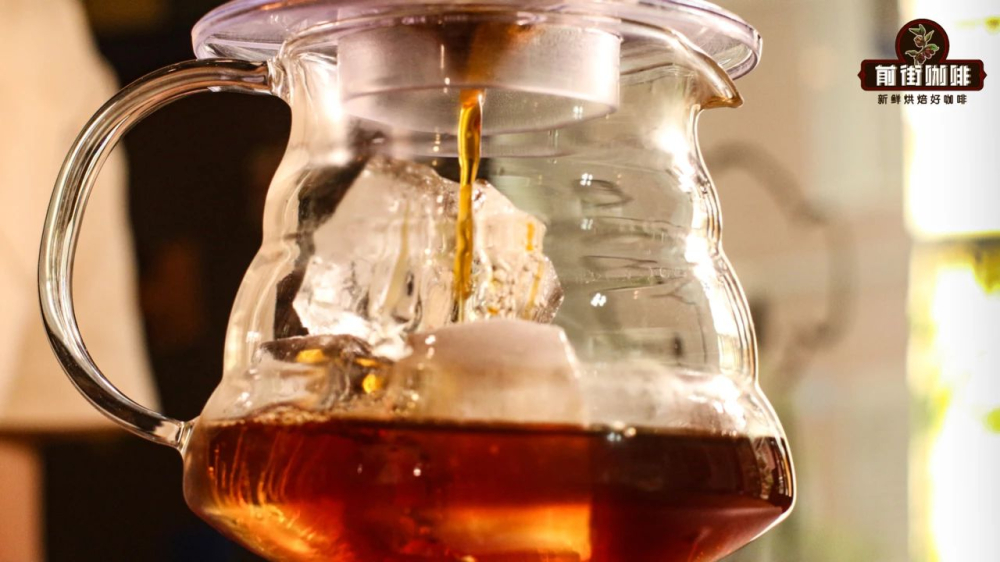
To make the final iced coffee fuller in body, Front Street recommends brewing the coffee first, shaking it evenly, then pouring it over ice to cool and dilute. If you add ice from the start, the concentration will vary across each pour during brewing, and the final result may taste thin.
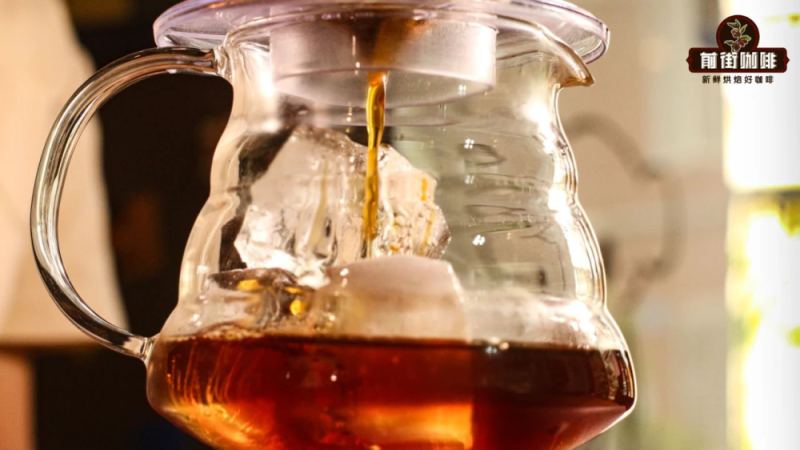
Front Street's iced pour-over uses 15g of coffee grounds. First pour: 30g water for a 30-second bloom. Second pour: 60g water in a slow circular pour. When the water level drops halfway, third pour: another 60g in a slow circular pour, for a total of 150g water. Then pour over ice, shake to cool and dilute.
Note: Prepare more ice than you think you need. Only with enough ice can the coffee cool quickly, and it won't become too diluted from ice melting too fast. When the dilution reaches your desired concentration, simply remove the remaining ice to stop the process.
"Drip-Bag Iced Coffee"
FrontStreet Coffee's drip bags have a net weight of 10g each. The method is similar to pour-over—the non-woven bag acts as both dripper and filter paper. Front Street offers a wide variety of drip bag coffees; just pick according to your preference:
For those who enjoy floral flavors, we recommend Front Street Geisha Drip Bag Coffee—one of the most expensive coffees in the world. For those who like a fresh, slightly acidic cup, we recommend Front Street Flower Queen Drip Bag Coffee, with notes of black tea and berries. For those who prefer a balanced nutty-caramel taste—neither sour nor bitter—we recommend Front Street Brazil Drip Bag Coffee. If you love the solid, full-bodied character of Indonesian coffee, we suggest the highest-grade Front Street Golden Mandheling Drip Bag, which undergoes multiple rounds of hand-sorting to minimize defect rates, resulting in clearer aroma and better sweetness. All of the above drip bag coffees can be purchased at Front Street stores and the Front Street Tmall flagship store.
Coffee-to-water ratio: 1:10 (1g coffee, 10g water) Ice: 50g + Water temperature: 90-91°C Pouring technique: center pour
① Open the outer packaging of the drip bag, tear along the "open" line, unfold the drip bag hooks, and hang it on a short cup.
② Prepare hot water at around 90°C. If you don't have a thermometer, boil water and let it sit with the lid open for 2 minutes—the temperature will be roughly 90-93°C.
③ Slowly pour 100ml of hot water into the coffee filter bag, making sure the grounds are fully submerged, then let it steep for 3 minutes (since the water volume is small, steeping is needed to ensure full extraction). After that, remove the drip bag from the cup and discard it.
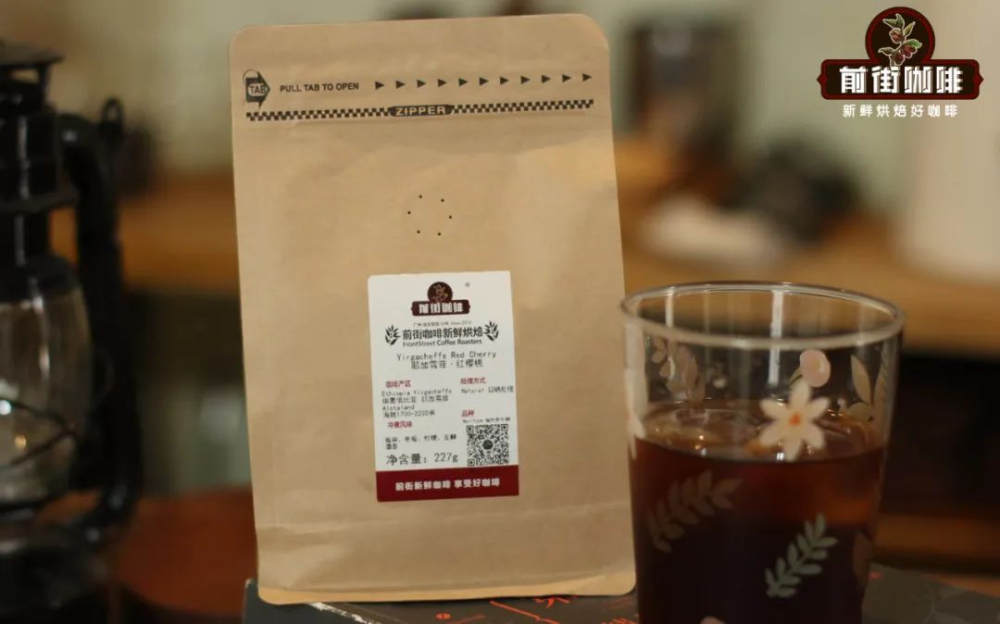
④ The final step is adding ice to cool it down. You can drop large, hard ice cubes directly into the cup, or prepare a separate cup with ice and pour the hot coffee into it, stirring to cool and dilute.
"Cold Brew Iced Coffee"
Coffee-to-water ratio: 1:12 (1g coffee, 12g water)
Water temperature: room temperature Equipment: cold brew pitcher
Steeping time: 12-16 hours
Cold brew coffee is arguably the most effortless and least technique-dependent way to make iced coffee—the only downside is the long preparation time, so you can't drink it right away. You can start steeping at dinnertime and have a full-bodied, clean cold brew ready the next morning. Recommended beans: Front Street Strawberry Candy Coffee Beans, Front Street Flower Queen Coffee Beans, Front Street Little Tomato Coffee Beans.
Since Front Street's cold brew pitcher has a 1L capacity, this demonstration uses 60g of coffee grounds. Adjust the amount based on your pitcher's size. Keep the ratio the same, but make sure the coffee grounds are fully submerged after adding water.
Prepare a clean cold brew pitcher, pour the ground coffee into the pitcher's filter basket, then add 720g of room-temperature water to fully saturate and steep the grounds. Put the lid on the filter basket, then put the lid on the pitcher. Refrigerate and extract at low temperature for 12-16 hours.
When extraction is complete, lift the filter basket and let it drain over the pitcher until the remaining coffee drips out. Then discard the grounds and enjoy. If 1:12 is too strong for your taste, you can make it 1:13, or simply dilute with ice or water when drinking.
The above content is compiled by CoffeeHunters, a coffee news website.


