







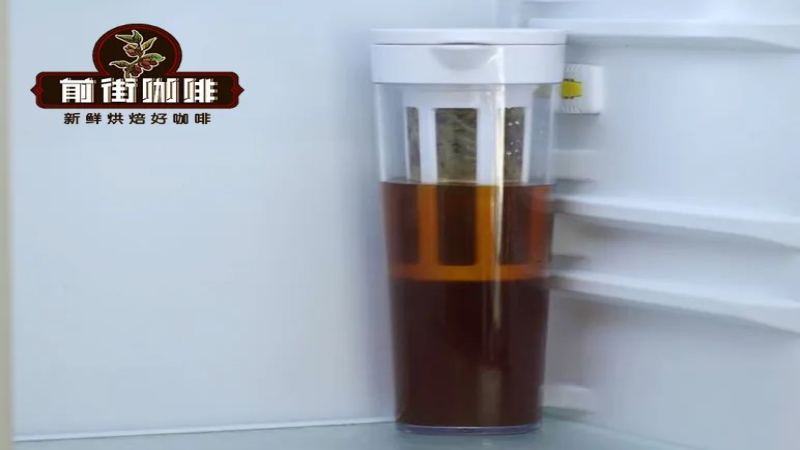
After entering the summer solstice, the hottest topic in the enthusiast chat groups is none other than #HowToMakeIcedCoffeeThatTastesGreat, with everyone sharing their tips for making iced coffee with each other every day. In this article, Front Street Coffee combines some enthusiasts' views and puts together some tips for making iced pour-over coffee, ice drip coffee, and cold brew coffee taste even better!
/ Iced Pour-Over Coffee /
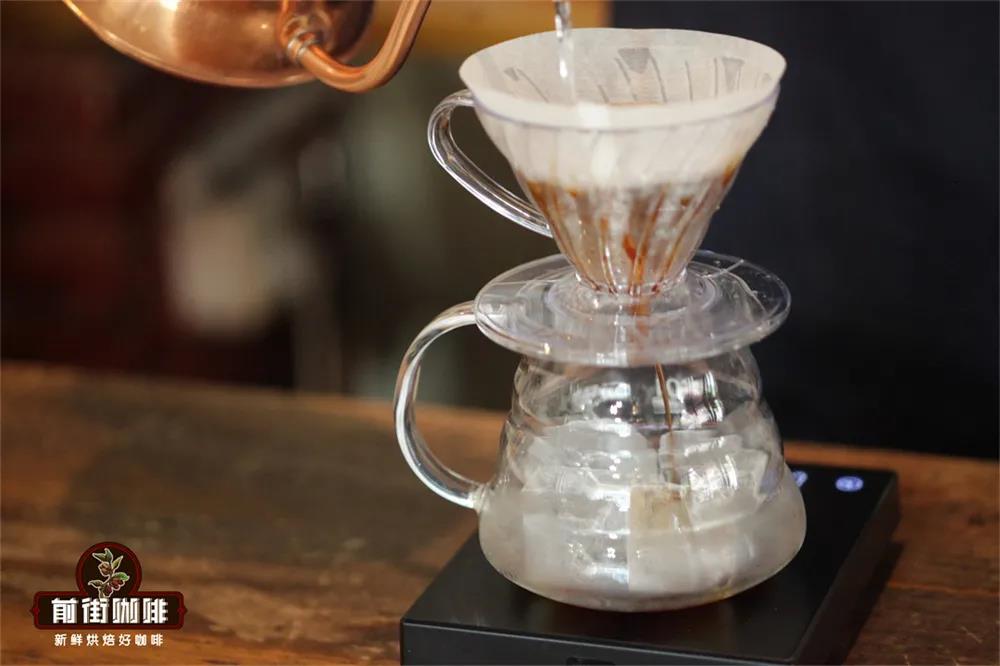
Because making iced pour-over coffee requires ice cubes, the ice cubes will continuously dilute the coffee's concentration as they melt. If you are still using the hot pour-over ratio of 1:15 coffee-to-water to brew iced coffee, then coffee that was just right in concentration will turn into a cup with an obvious watery feel and only faint hints of flavor after the ice cubes are added.

So when making iced pour-over coffee, you need to consider how to brew so that the ratio of coffee grounds to the total weight of (coffee liquid + ice cubes) reaches 1:15. If you use 15g of coffee grounds to make iced pour-over coffee, the total amount of coffee liquid after adding ice cubes needs to reach 225g (15g grounds * 15 times water).
The coffee-to-water ratio Front Street Coffee uses to make iced pour-over coffee is 1:10, meaning 15g of grounds is poured with 150g of water (15g grounds * 10 times water). During the blooming process, the coffee bed absorbs about 25g–30g of water, so the final coffee liquid weighs about 120g–125g. Then we subtract the total coffee liquid of 120g–125g from the total weight of 225g to get the 100–105g of ice cubes that need to be added.
Because the extraction time for brewing iced coffee is faster than hot pour-over, the grind size can be a little finer than when brewing hot pour-over (just a little, to let the flavor compounds be released faster). Front Street Coffee recommends: for medium-light roasted coffee beans, a grind size with a passing rate of about 80% on the Chinese standard No. 20 sieve can be used; for medium-dark roasted coffee beans, a grind size with a passing rate of about 73% on the Chinese standard No. 20 sieve can be used. If fine adjustments are not possible, you can use the grind size for hot pour-over and then brew with water 1–2℃ higher.
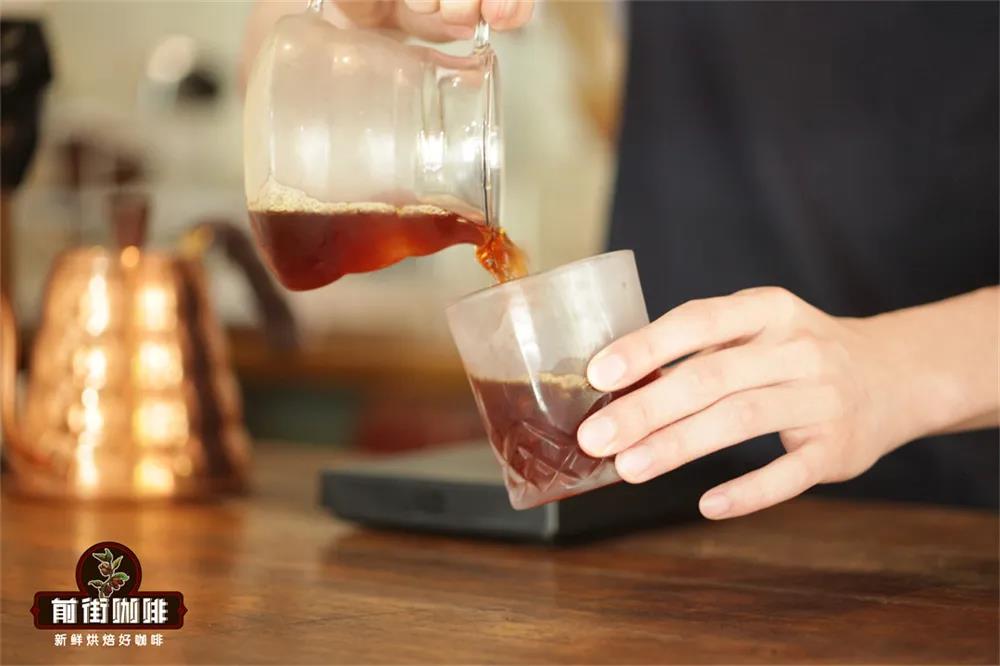
"Calculating all this is so troublesome! I just use stainless steel ice cubes!" one enthusiast shared this tip: extract the coffee according to hot pour-over parameters, then add stainless steel ice cubes to cool it down. Unlike alcohol, coffee's concentration can be adjusted through the brewing coffee-to-water ratio, so adding stainless steel ice cubes after brewing is also feasible~
/ Cold Brew Coffee /
Apart from the long production time, everything else about cold brew coffee is why people love it. It requires no special technique—one bottle, one bag of beans, one night, and you can drink a full-bodied, rich iced coffee as soon as you get up. Unlike pour-over coffee, which uses hot water and high-temperature extraction, low-temperature extraction produces far fewer bitter substances. By extending the extraction time and fully saturating the coffee grounds, it is easier to extract small-molecule flavor compounds such as floral and fruity notes. Coffee made by immersion extraction is smoother and richer in mouthfeel, with a deep aroma, and its sweetness is more easily perceived.
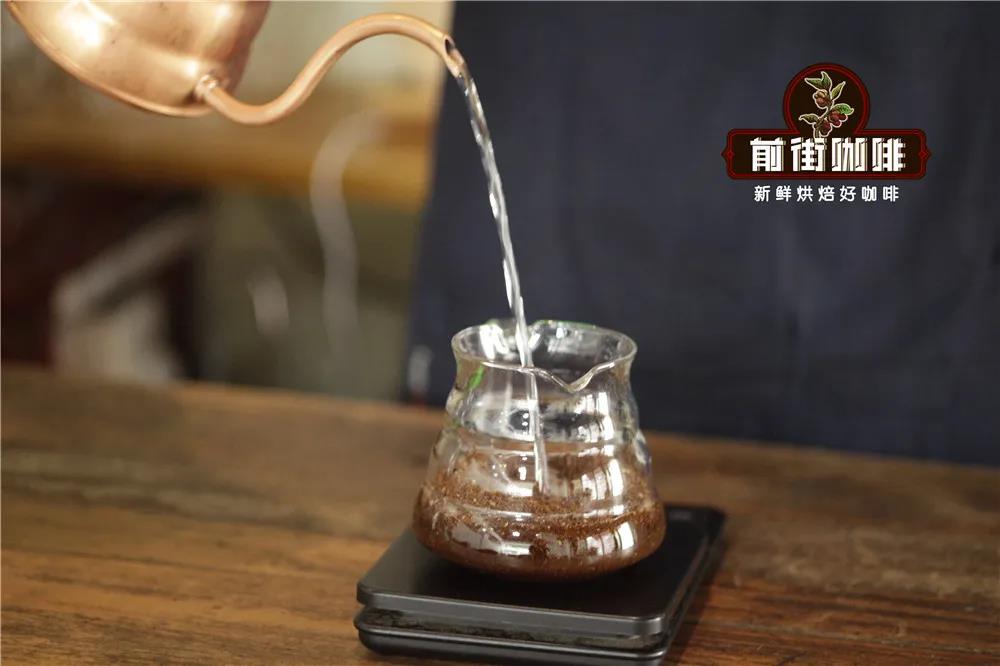
Front Street Coffee recommends a coffee-to-water ratio of 1:15 for making cold brew coffee. For example: add 300g of room-temperature water and 150g of ice cubes to 30g of coffee, stir thoroughly, then put it in the refrigerator to steep for 12–24 hours. After extraction is complete, filter out the coffee grounds with filter paper or a fine mesh strainer and it is ready to drink.

One thing to note: the coffee grounds used for cold brew steeping must not be ground too fine! It is recommended that the grind coarseness have a passing rate of about 80–85% on a 0.85mm standard sieve. Although low-temperature extraction can reduce the appearance of bitter substances, it is not 100%. If the grind is too fine, after the sour and sweet substances in the coffee grounds are quickly extracted, the rich and heavy substances will be released. An appropriate amount of rich and heavy substances can enhance the coffee's body, but after steeping too long, a woody taste will begin to appear, reducing the coffee's overall cleanliness.
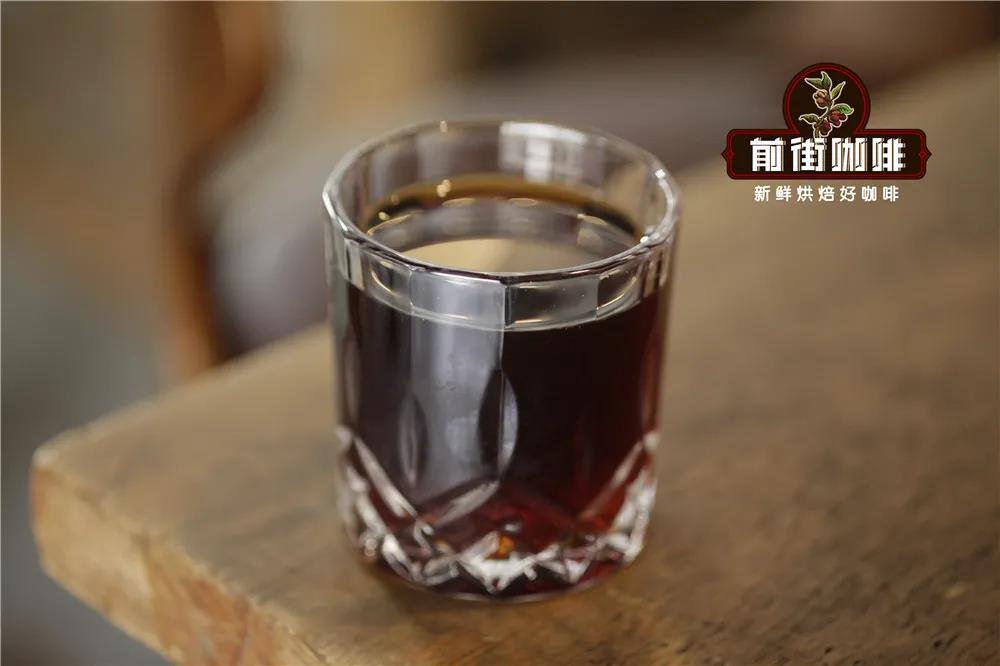
"After cold brew coffee is extracted, leave it in the refrigerator for 7 days before drinking! It's amazing!" one enthusiast shared this tip. Is that really so? Theoretically, the longer cold brew coffee sits, the stronger its fermented flavor becomes, but when this fermented flavor becomes strong, it masks the coffee's flavor. For those who do not like too strong a fermented taste, Front Street Coffee does not recommend trying this casually. The best time to taste cold brew coffee is 2–3 days after filtering out the coffee grounds, and it is recommended to store it for no more than 7 days.
/ Ice Drip Coffee /
Ice drip coffee combines drip extraction and low-temperature extraction, and the equipment and steps for making it are more complex than those for iced pour-over and cold brew coffee. Ice drip coffee emphasizes extraction by “dripping,” so the water flow must be kept in a dripping state at all times. To achieve the goal of water dripping, making ice drip coffee requires a dedicated ice drip coffee pot. In terms of mouthfeel, the extracted coffee is cleaner than cold brew coffee, and in terms of flavor it is more layered and cleaner than iced pour-over coffee.

Front Street Coffee recommends a coffee-to-water ratio of 1:13 for making ice drip coffee. Carry out ice drip extraction according to the recommended coffee grounds load in the ice drip pot's instruction manual, then extract coffee liquid equal to 13 times the grounds load. For ice drip coffee, it is recommended that the grind coarseness have a passing rate of about 85% on a 0.85mm standard sieve, so that the extracted ice drip coffee is rich, full-bodied, and layered.

The ratio of the ice-water mixture used for extraction is 1:1, and the valve controls the flow rate at 7 drops every 10 seconds. The entire extraction process lasts about 6–8 hours. One thing to note here: after ice drip coffee extraction is complete, the ice drip coffee should be put into a bottle and chilled for 12 hours before drinking. This is because freshly extracted ice drip coffee has little flavor—only a sour and sweet sensation but lacking body—so after extraction is complete, it should be placed in the refrigerator for 12 hours of low-temperature fermentation. This will give the ice drip coffee a fragrant fermented aroma, and its original flavors will also become richer (provided that the container holding the ice drip coffee must be clean!)
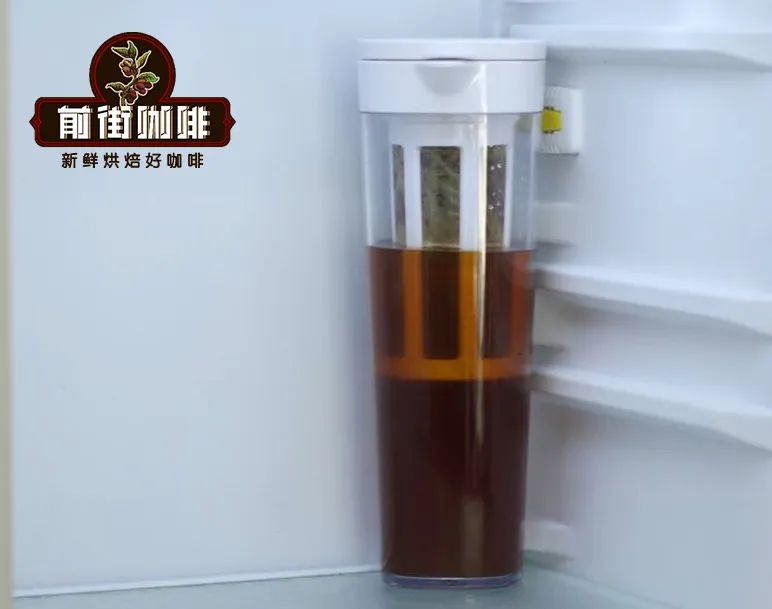
Ice drip coffee is different from cold brew coffee in that it will not taste better after sitting for a couple more days. On the contrary, ice drip coffee that has been left for more than 5 days will develop a spoiled sour taste and become hard to swallow. Therefore, the best time to taste ice drip coffee is within 3 days after 12 hours of low-temperature fermentation, and it is recommended to store it for no more than 5 days.
The above content is compiled by CoffeeHunters, a coffee news website.


